As scrutiny into the practices of large tech firms increases, the House Judiciary Antitrust Subcommittee on Tuesday held a hearing on the impact platforms like Google and Facebook have on the media.
“All of these companies say the right things ー and they’ve put some charitable money behind trying to make publishers happy,” David Chavern, the president and CEO of the News Media Alliance, told Cheddar after testifying at the hearing. “We don’t need or want charity. What we want is a sustainable business relationship. And we haven’t gotten there yet.”
The News Media Alliance, formerly known as the Newspaper Association of America, is a trade association that represents about 2,000 newspapers in North America. Others who testified at the hearing included David Pitofsky, general counsel for News Corp and Sally Hubbard, the director of enforcement strategy at the Open Markets Institute.
At the hearing, lawmakers discussed the online advertising market, fact-checking, and fake news, among other topics.
Journalism, and even digital-first outlets, have for years struggled to sustain profitable business models. Outlets have typically relied on a combination of ad-revenue and subscriptions, but social media platforms and search engines, namely Facebook ($FB) and Google ($GOOGL), have forced publishers to compete with free content available across the entire internet, and not just their media peers.
Newsroom jobs have declined by nearly a quarter in the past decade, according to Pew.
Meanwhile, the Bureau of Labor Statistics reports that since the start of the millennium, newspaper industry jobs more broadly have been cut by half.
The power of tech platforms has motivated some politicians, and some journalists, to call for their breakup (though that may not be the only antitrust remedy available).
There’s also proposed legislation for the journalism industry specifically, titled the Journalism Competition and Preservation Act, that would allow news organizations to organize collectively against large tech companies without facing pricing collusion violations themselves.
"Companies like Facebook and Google swallow up 60 percent of digital ad revenue, and so it doesn't leave much of the pie for the actual content creators, and for news publishers, which is why I got laid off in January, it's why local newspapers are going under," Laura Bassett, a former culture and political reporter for nearly 10 years at HuffPost, told Cheddar Tuesday.
The News Media Alliance has estimated that Google makes $4.7 billion from news every year, a number, which gained attention through a New York Times article just before the hearing.
But the Alliance’s calculations have faced pushback from media commentators and outlets like Nieman Lab and Intelligencer, since the eye-opening figure appears to be based on a single quote from 2008 from then Google vice president Marissa Mayer.
In an email to Cheddar, a Google spokesperson called these numbers “inaccurate” and “back of the envelope calculations.” The company argues that the study ignored what Google provides news sources, such as driving clicks ー Google says around 10 billion ー to publisher websites, which help develop outlets’ subscriptions and ad businesses.
“If you don’t like the study, there's two things that could happen. One, Google could actually — they have the information — they could reveal whatever they think the number is. Or, if somebody has a critique, talk about how else you could get at the number,” said Chavern. “But some of the critique seems to imply that we shouldn’t even ask, and I don’t get that at all.”
Following the surprising big beat on estimates for the January jobs report, William M. Rodgers III, vice president and director of the Institute for Economic Equity at the Federal Reserve Bank of St. Louis, joined Cheddar News to break down the data. “We ended 2021 with a strong crescendo to a recovery that had taken hold, and we started 2022 in good fashion." He also discussed the dueling pressures of wage growth and inflation.
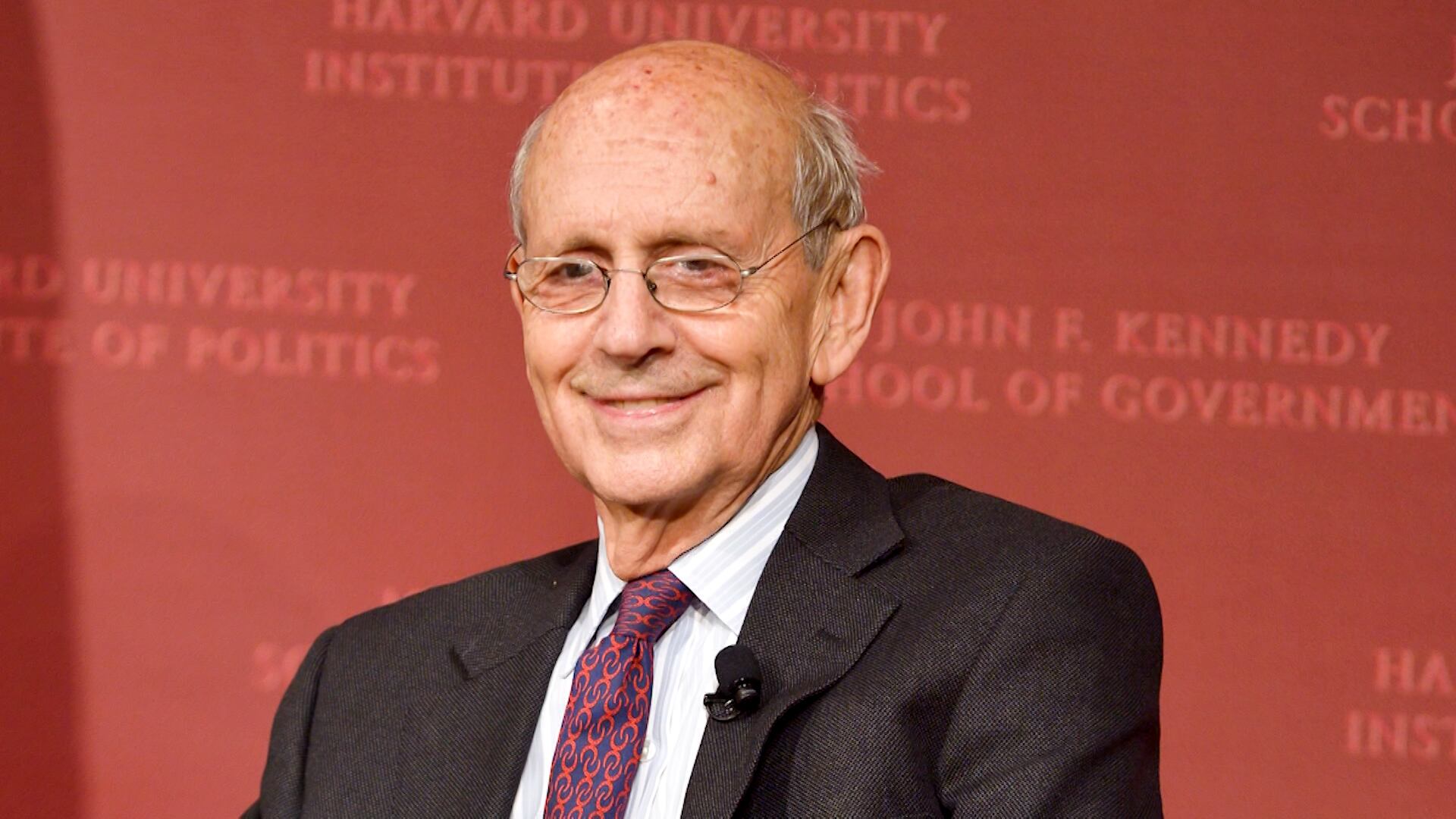
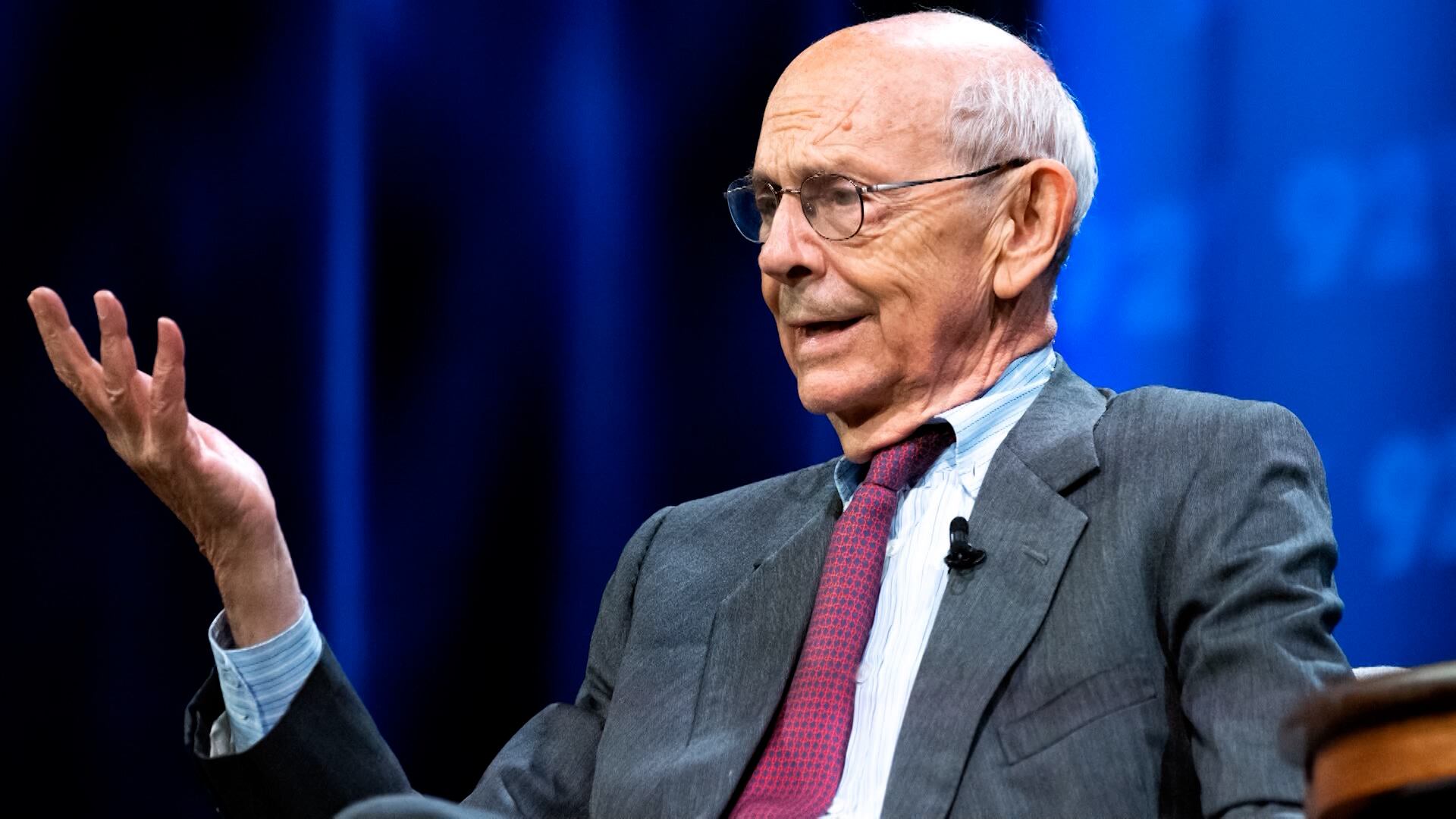
Jessica Mason Pieklo, senior vice president and executive editor of the Rewired News Group and co-host of the podcast. "Boom! Lawyered," joins Cheddar Politics to discuss Justice Stephen Breyer's retirement, legacy and potential replacement on the Supreme Court.
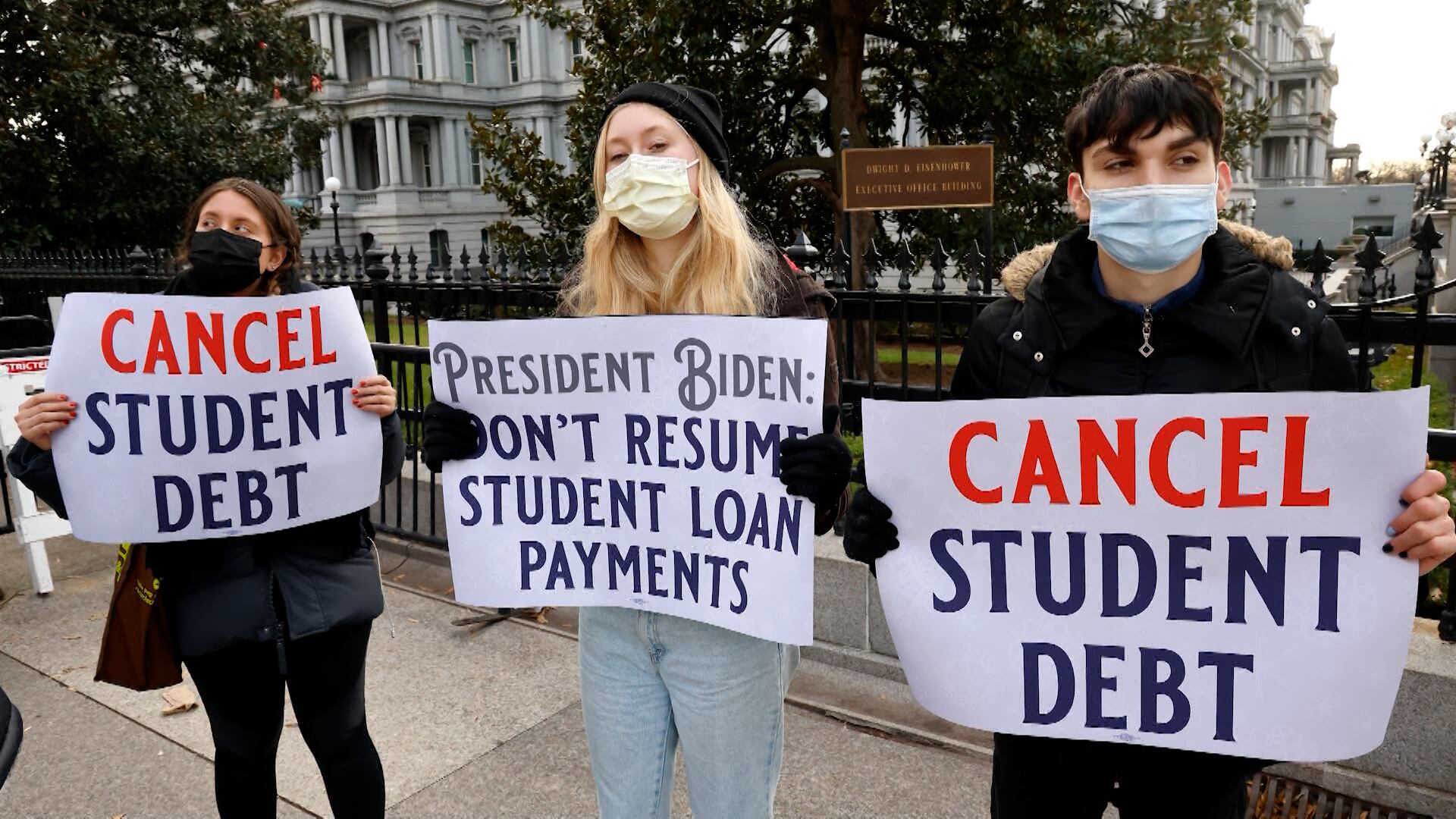
The Biden administration delivered a temporary win for student loan borrowers this year by extending the moratorium on federal payments for a few more months. That moratorium is coming to an end on May 1st and borrowers will again have their monthly loan payment plopped in their lap.
Stephanie Vanderslice, a creative writing professor paying off debt through the Parent Plus program, and Mike Pierce, executive director of the Student Borrower Protection Center, join Cheddar Politics to discuss.
2022 was already going to be a big year for the Supreme Court. We have decisions on major issues like abortion and gun rights on the way. Then, Justice Stephen Breyer announced his retirement and that set up a major confirmation fight for later this year. Amy Howe, co-founder of SCOTUSblog, joins Cheddar Politics to discuss.
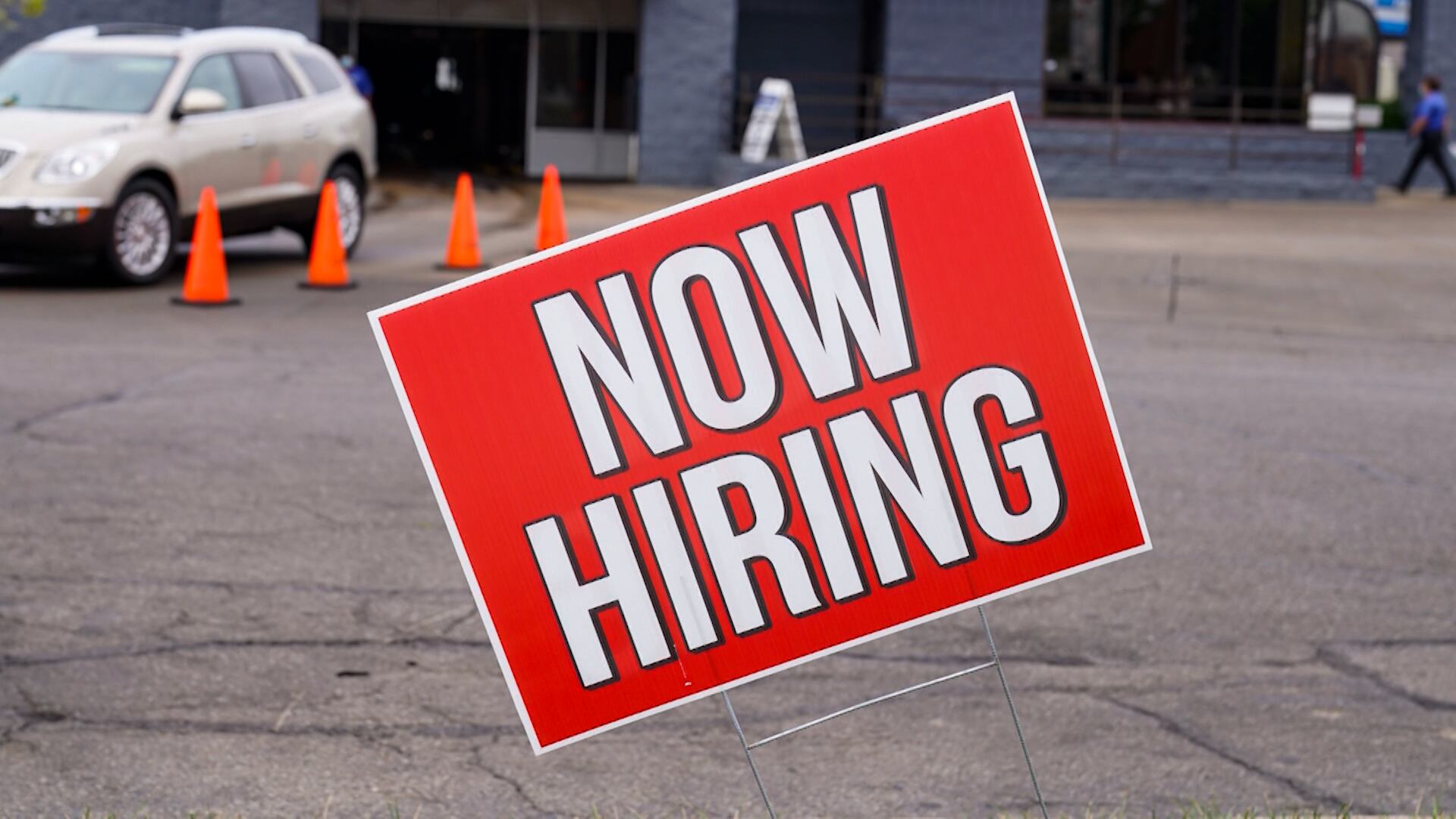
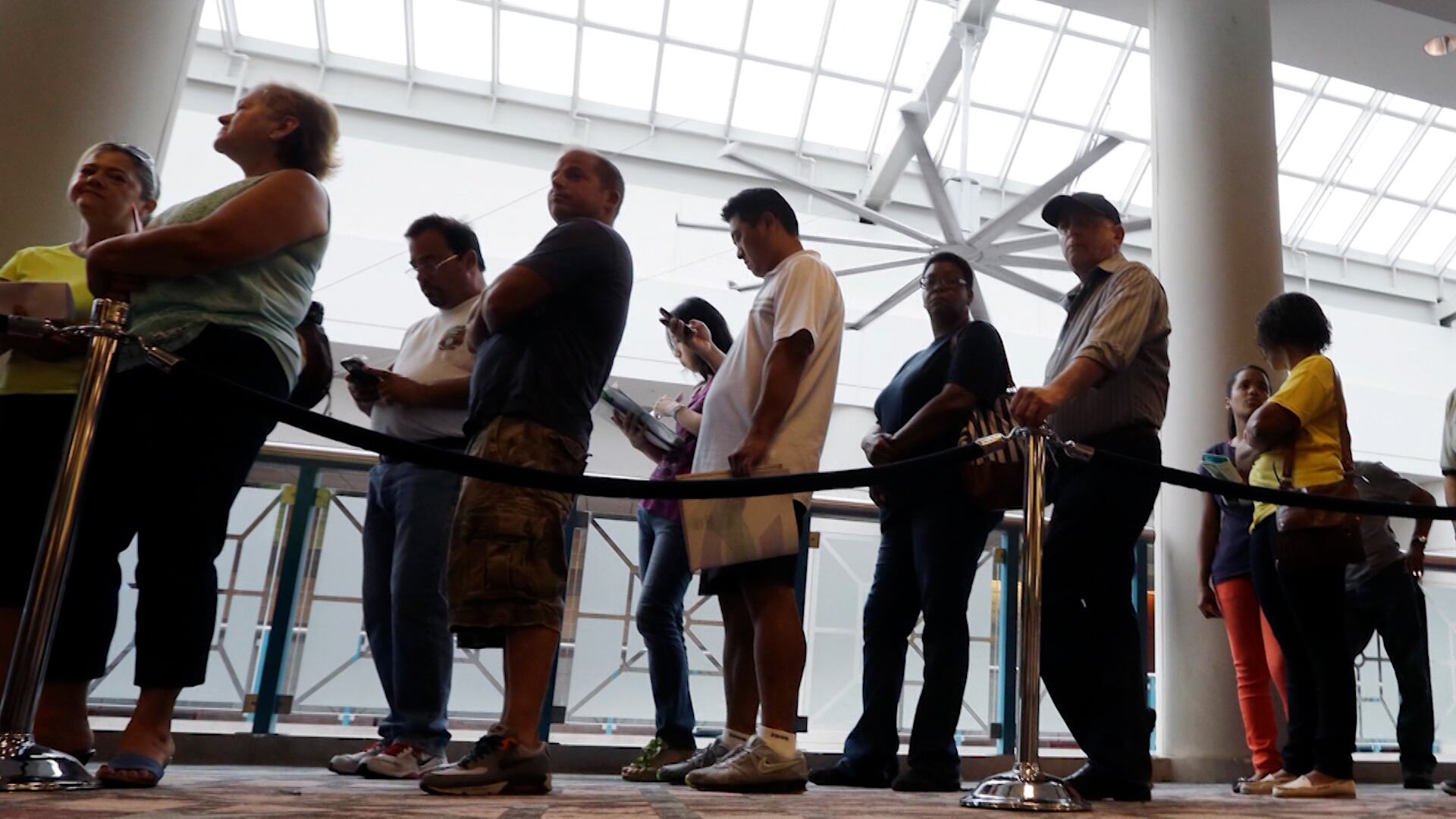
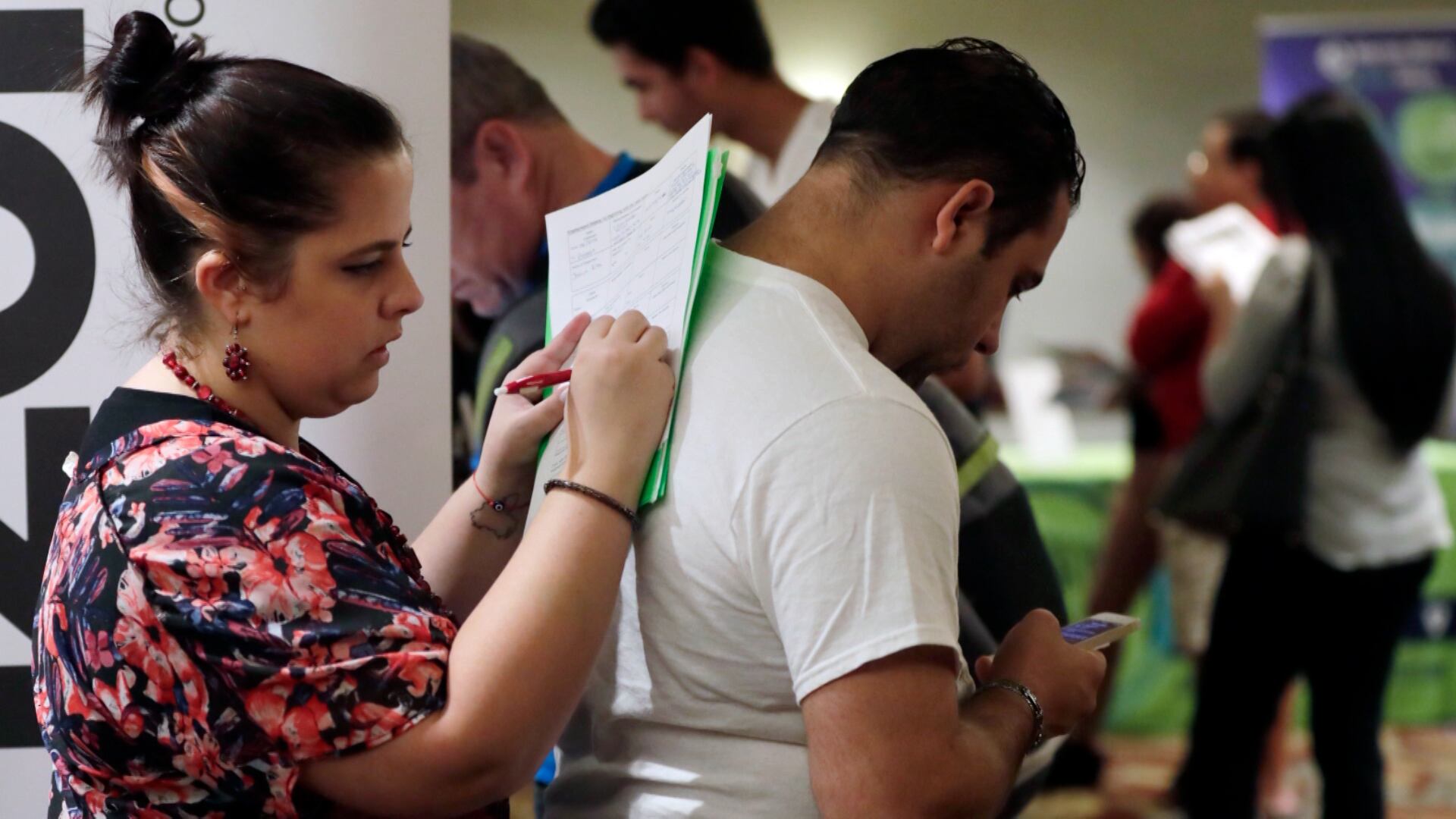
The Labor Department released a better-than-expected report of 467,000 jobs added in January. Heather Boushey, Council of Economic Advisers Member for President Biden, joined Cheddar to tout the administration's handling of the economy amid the pandemic and the upward revisions for the previous month. "It also shows that, because of the revisions, the economy was stronger over the past couple of months," she said. "I don't think that this can be said enough, but economic forecasting during an historic pandemic is extremely difficult." Boushey also addressed issues involving wage growth versus the rapid rise of inflation.
The Labor Department's January jobs report showed 467,000 jobs were added, compared to the 150,000 that were projected, a sign that employment is continuign to return to pre-pandemic levels. Lindsey Piegza, chief economist at investment bank Stifel, joined Cheddar to break down the report, noting the big gains but adding a note of caution. "Remember, even with this morning's stellar report, we're still millions below that level that we had reached prior to the onset of COVID-19," she said." Yes, we are recapturing jobs. We still have further ground that needs to be made before we can talk about reaching that previous peak." Piegza also discussed the role of the Federal Reserve going forward as the employment figures turn more positive.
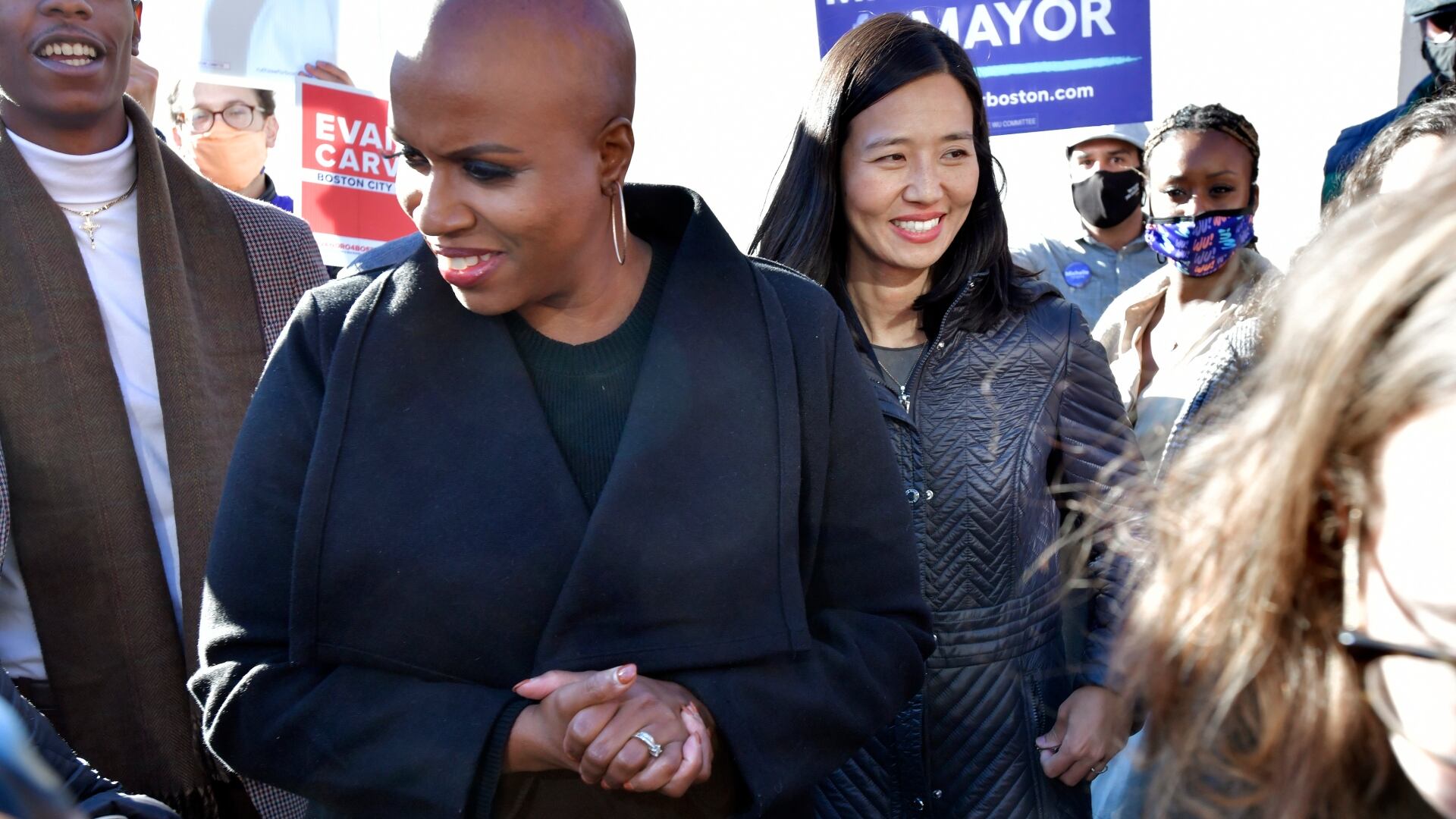
As President Biden's poll numbers fall with Black voters, Rep. Ayanna Pressley (D-Mass. 7th District) joined Cheddar to discuss what she feels could help the embattled administration: deliver on policies. Pressley pointed to stalled legislation such as new voting rights laws and Build Back Betters and canceling student loan debt, which would go a long way to improving his standing with Black constituents. "President Biden has the authority and the power to alleviate this burden, which would also help in closing the racial wealth gap, and he can do it by executive action with the stroke of a pen," she said. "And it doesn't require one vote from Congress. So, the Biden administration just needs to deliver to Black America in a tangible and impactful way."