As scrutiny into the practices of large tech firms increases, the House Judiciary Antitrust Subcommittee on Tuesday held a hearing on the impact platforms like Google and Facebook have on the media.
“All of these companies say the right things ー and they’ve put some charitable money behind trying to make publishers happy,” David Chavern, the president and CEO of the News Media Alliance, told Cheddar after testifying at the hearing. “We don’t need or want charity. What we want is a sustainable business relationship. And we haven’t gotten there yet.”
The News Media Alliance, formerly known as the Newspaper Association of America, is a trade association that represents about 2,000 newspapers in North America. Others who testified at the hearing included David Pitofsky, general counsel for News Corp and Sally Hubbard, the director of enforcement strategy at the Open Markets Institute.
At the hearing, lawmakers discussed the online advertising market, fact-checking, and fake news, among other topics.
Journalism, and even digital-first outlets, have for years struggled to sustain profitable business models. Outlets have typically relied on a combination of ad-revenue and subscriptions, but social media platforms and search engines, namely Facebook ($FB) and Google ($GOOGL), have forced publishers to compete with free content available across the entire internet, and not just their media peers.
Newsroom jobs have declined by nearly a quarter in the past decade, according to Pew.
Meanwhile, the Bureau of Labor Statistics reports that since the start of the millennium, newspaper industry jobs more broadly have been cut by half.
The power of tech platforms has motivated some politicians, and some journalists, to call for their breakup (though that may not be the only antitrust remedy available).
There’s also proposed legislation for the journalism industry specifically, titled the Journalism Competition and Preservation Act, that would allow news organizations to organize collectively against large tech companies without facing pricing collusion violations themselves.
"Companies like Facebook and Google swallow up 60 percent of digital ad revenue, and so it doesn't leave much of the pie for the actual content creators, and for news publishers, which is why I got laid off in January, it's why local newspapers are going under," Laura Bassett, a former culture and political reporter for nearly 10 years at HuffPost, told Cheddar Tuesday.
The News Media Alliance has estimated that Google makes $4.7 billion from news every year, a number, which gained attention through a New York Times article just before the hearing.
But the Alliance’s calculations have faced pushback from media commentators and outlets like Nieman Lab and Intelligencer, since the eye-opening figure appears to be based on a single quote from 2008 from then Google vice president Marissa Mayer.
In an email to Cheddar, a Google spokesperson called these numbers “inaccurate” and “back of the envelope calculations.” The company argues that the study ignored what Google provides news sources, such as driving clicks ー Google says around 10 billion ー to publisher websites, which help develop outlets’ subscriptions and ad businesses.
“If you don’t like the study, there's two things that could happen. One, Google could actually — they have the information — they could reveal whatever they think the number is. Or, if somebody has a critique, talk about how else you could get at the number,” said Chavern. “But some of the critique seems to imply that we shouldn’t even ask, and I don’t get that at all.”
Tensions in Ukraine continue to rise. According to NATO and U.S. officials, Russian troops are still being built up despite Moscow's claims of de-escalation. However, Ukraine does not believe the troops are enough to mount an invasion. The government in Kyiv has also reported several cyber attacks against its defense agencies and banks which is the largest attack in the country's history. Foreign Affairs Reporter based in Ukrain, Terrell Starr, joined Cheddar to discuss more
A Senate bill unveiled on Wednesday looks to tackleonline safety for children by regulating Big Tech and social media platforms to deter users from content that can harm their mental health. Irene Ly, a policy counsel for the age-based ratings and review organization Common Sense Media, joined Cheddar News to break down the potential of the Kids Online Safety Act. "We can't be imposing such a big burden on parents to be doing it all on theirselves," Ly said. "I think you also have to keep in mind that parents often didn't grow up with social media, so they don't understand what it's like to be addicted to social media or really understand how they work."
The Federal Reserve minutes from its January meeting are indicating it's sticking to an interest rate hike in March, but what does the report coupled with ongoing inflation mean for investors going forward? Scott Brown, a market strategist at LPL Financial, joined Cheddar News to break down the minutes and talk about how investors might navigate the rest of the year. "it seems like the market is kind of inclined to trade off these headlines, really, through the first half of the year," he said. "And then, oh, don't forget, we've got midterm elections, which always tend to add a little bit of volatility in the second half of the year." Brown noted that the path forward for stock investors in 2022 would be "rockier" than last year.
Senators Richard Blumenthal (D-Conn.) and Marsha Blackburn (R-Tenn.) have introduced a new bill to afford greater protection to minors on social media. The genesis of the Kids Online Safety Act came from a Facebook whistleblower case exposing the harm apps can have on the mental health of young girls.
The Chinese government brought the sitcom "Friends" back to its streaming services. However, it had instances of LGBTQ+ references left out, after the series had been banned on Chinese streaming platforms for years.
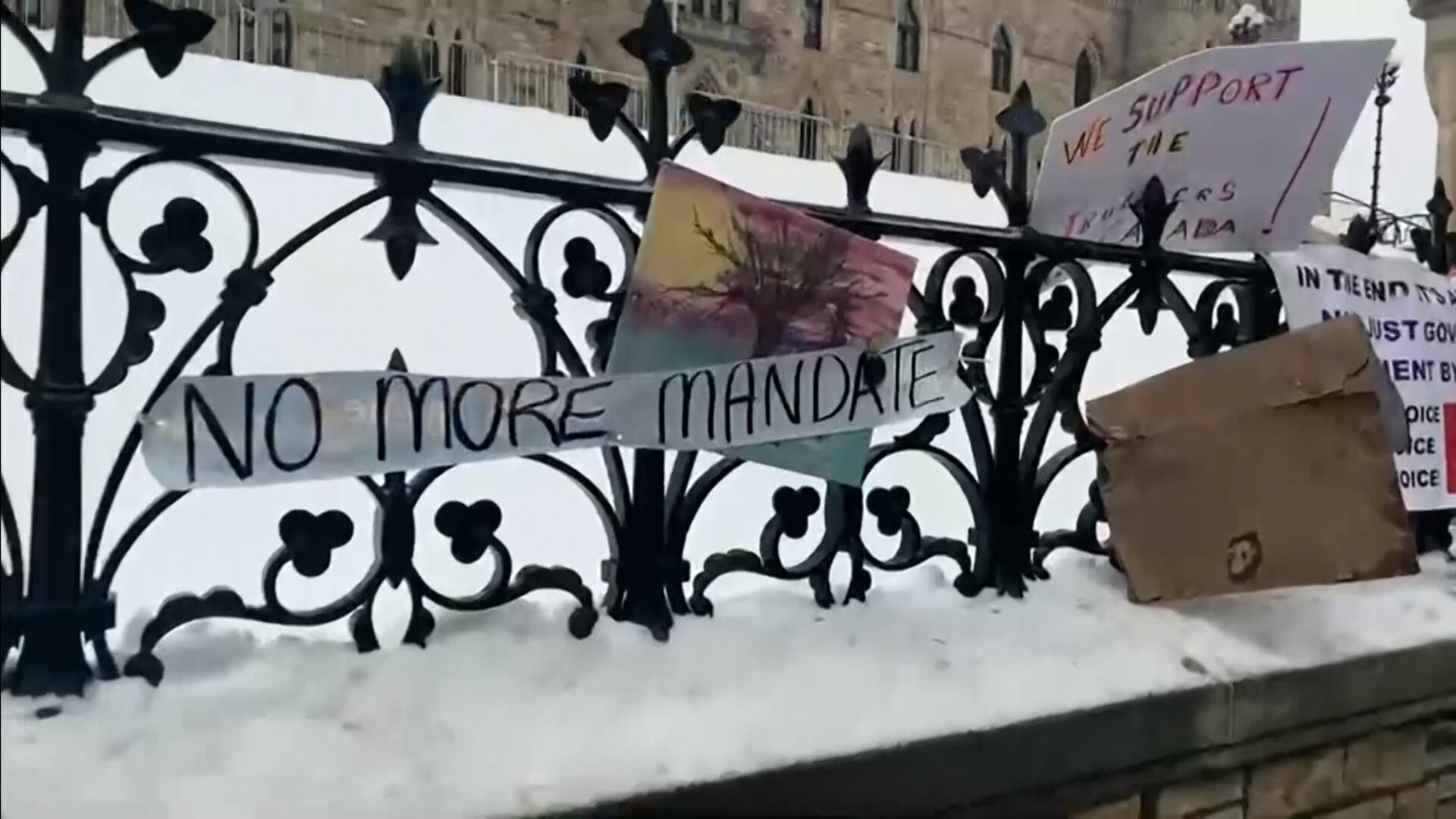
Prime Minister Justin Trudeau declared a national public order emergency as a 'last resort' to restore order after protests have significantly disrupted daily life and impacted the local economy since the protests began. It is the first time in 50 years a Canadian government has taken this type of action. Myah Ward, breaking news reporter at Politico, joins Cheddar News to discuss.
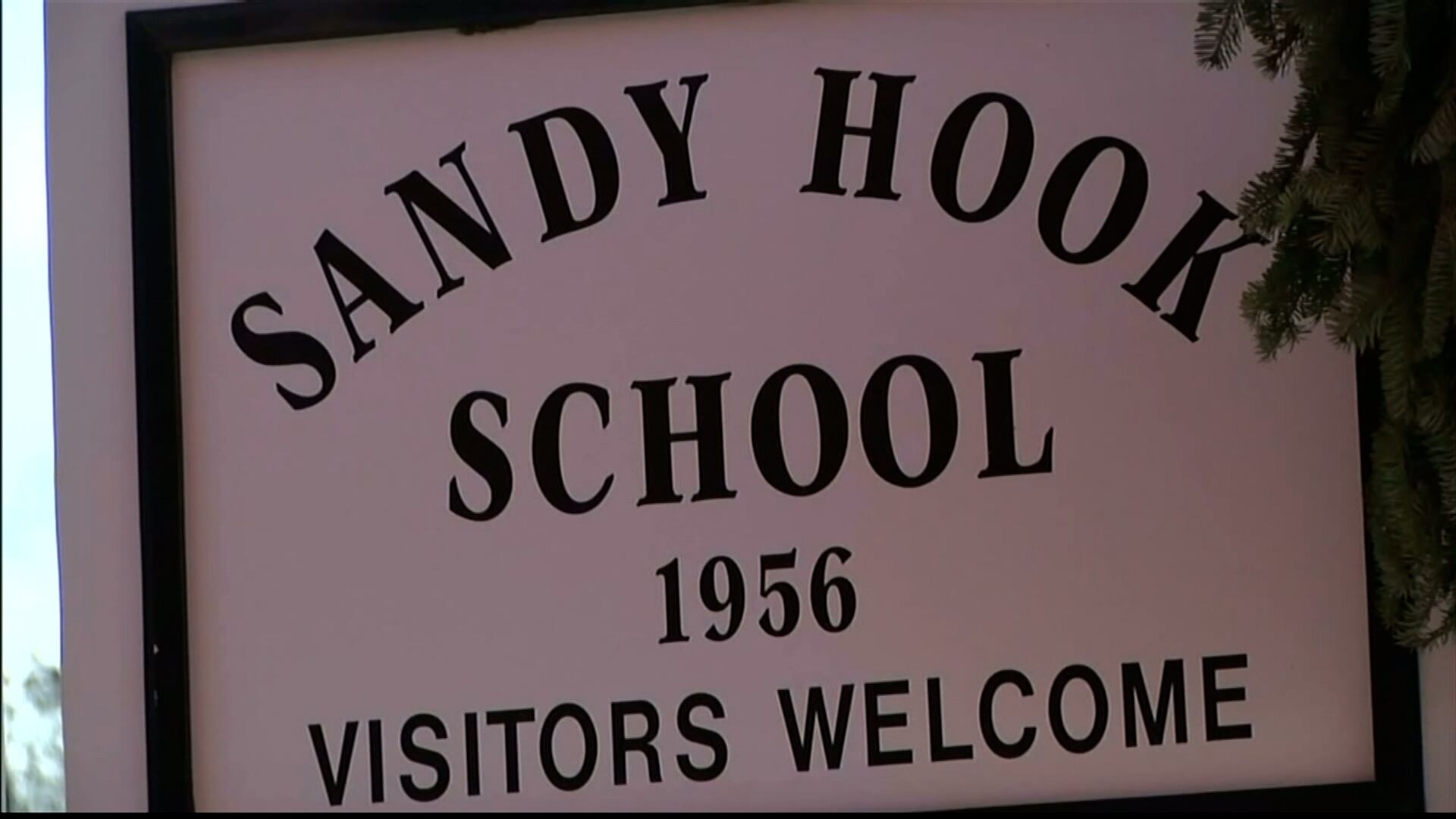
Almost a decade after facing a parent's worst nightmare, the families of the young students killed in the Sandy Hook School shooting reached a settlement with gun manufacturer Remington, makers of the Bushmaster AR-15 used in the crime. David Pucino, deputy chief counsel, Giffords Law Center to Prevent Gun Violence joined Cheddar News to discuss the families' case and how its strategy brought about the legal settlement. "They built a really great case showing the way that Bushmaster developed its advertising to drive sales using those toxic messages.
A new analysis reveals that for more than two decades, the West has been the driest it has ever been since 800 A.D. The drought which began in 2000 has brought more devastating wildfires and draining water reserves well below healthy levels. Climate Scientists and Adjunct Associate Research Scientist at Lamont Doherty Earth Observatory at Columbia University,Benjamin Cook, joined Cheddar to discuss more.