As scrutiny into the practices of large tech firms increases, the House Judiciary Antitrust Subcommittee on Tuesday held a hearing on the impact platforms like Google and Facebook have on the media.
“All of these companies say the right things ー and they’ve put some charitable money behind trying to make publishers happy,” David Chavern, the president and CEO of the News Media Alliance, told Cheddar after testifying at the hearing. “We don’t need or want charity. What we want is a sustainable business relationship. And we haven’t gotten there yet.”
The News Media Alliance, formerly known as the Newspaper Association of America, is a trade association that represents about 2,000 newspapers in North America. Others who testified at the hearing included David Pitofsky, general counsel for News Corp and Sally Hubbard, the director of enforcement strategy at the Open Markets Institute.
At the hearing, lawmakers discussed the online advertising market, fact-checking, and fake news, among other topics.
Journalism, and even digital-first outlets, have for years struggled to sustain profitable business models. Outlets have typically relied on a combination of ad-revenue and subscriptions, but social media platforms and search engines, namely Facebook ($FB) and Google ($GOOGL), have forced publishers to compete with free content available across the entire internet, and not just their media peers.
Newsroom jobs have declined by nearly a quarter in the past decade, according to Pew.
Meanwhile, the Bureau of Labor Statistics reports that since the start of the millennium, newspaper industry jobs more broadly have been cut by half.
The power of tech platforms has motivated some politicians, and some journalists, to call for their breakup (though that may not be the only antitrust remedy available).
There’s also proposed legislation for the journalism industry specifically, titled the Journalism Competition and Preservation Act, that would allow news organizations to organize collectively against large tech companies without facing pricing collusion violations themselves.
"Companies like Facebook and Google swallow up 60 percent of digital ad revenue, and so it doesn't leave much of the pie for the actual content creators, and for news publishers, which is why I got laid off in January, it's why local newspapers are going under," Laura Bassett, a former culture and political reporter for nearly 10 years at HuffPost, told Cheddar Tuesday.
The News Media Alliance has estimated that Google makes $4.7 billion from news every year, a number, which gained attention through a New York Times article just before the hearing.
But the Alliance’s calculations have faced pushback from media commentators and outlets like Nieman Lab and Intelligencer, since the eye-opening figure appears to be based on a single quote from 2008 from then Google vice president Marissa Mayer.
In an email to Cheddar, a Google spokesperson called these numbers “inaccurate” and “back of the envelope calculations.” The company argues that the study ignored what Google provides news sources, such as driving clicks ー Google says around 10 billion ー to publisher websites, which help develop outlets’ subscriptions and ad businesses.
“If you don’t like the study, there's two things that could happen. One, Google could actually — they have the information — they could reveal whatever they think the number is. Or, if somebody has a critique, talk about how else you could get at the number,” said Chavern. “But some of the critique seems to imply that we shouldn’t even ask, and I don’t get that at all.”
President Biden announced a ban on Russian oil and natural gas imports to the U.S. in response to its invasion of Ukraine, a move he warned could lead to an even greater surge in gas prices. The ban is prompting a conversation about the current oil production levels in the U.S. and whether or not the industry can ramp up production to soften the blow to American families at the gas pump. Clark Williams-Derry, Energy Finance Analyst with the Institute for Energy Economics and Financial Analysis, breaks down the state of the U.S. oil industry and how the ban might impact production levels here at home.
PepsiCo, Coca-Cola, McDonald’s, and Starbucks are the latest American food brands to have halted business operations in Russia after having faced scrutiny and criticism for originally failing to do so amid the country's invasion of Ukraine.
As Russia intensifies its war on Ukraine, President Biden announced a ban on oil imported from the aggressor nation. Critics of Russia have said this would be the best way to force Putin to pull back, but curbs on Russian oil exports are expected to send already skyrocketing oil and gas prices even higher, further impacting consumers, businesses, financial markets, and the global economy. Leslie Beyer, CEO of the Energy Workforce and Technology Council, joined Cheddar News' Closing Bell to discuss. "It's certainly going to increase pricing, but it is the right thing to do," she said. "The industry itself has already pulled out of the significant portion of its operations in Russia."
Sports Betting in the U.S. is booming. According to industry experts, we could see another boom this year as more states move towards statewide legalization of sports wagering. While this comes as huge news for fans, there are some very real concerns as to whether or not sports betting potentially poses a threat to public health. Senior Clinician at the Caron Treatment Centers, Eric Webber, joined Cheddar to discuss more.
The Biden administration has made gender policy a core part of how it governs. The president established the first Gender Policy Council. It's on the same level as the National Security Council, Domestic Policy Council and National Economic Council, putting the interests of women and other underserved groups at the table for the most important policy discussions.
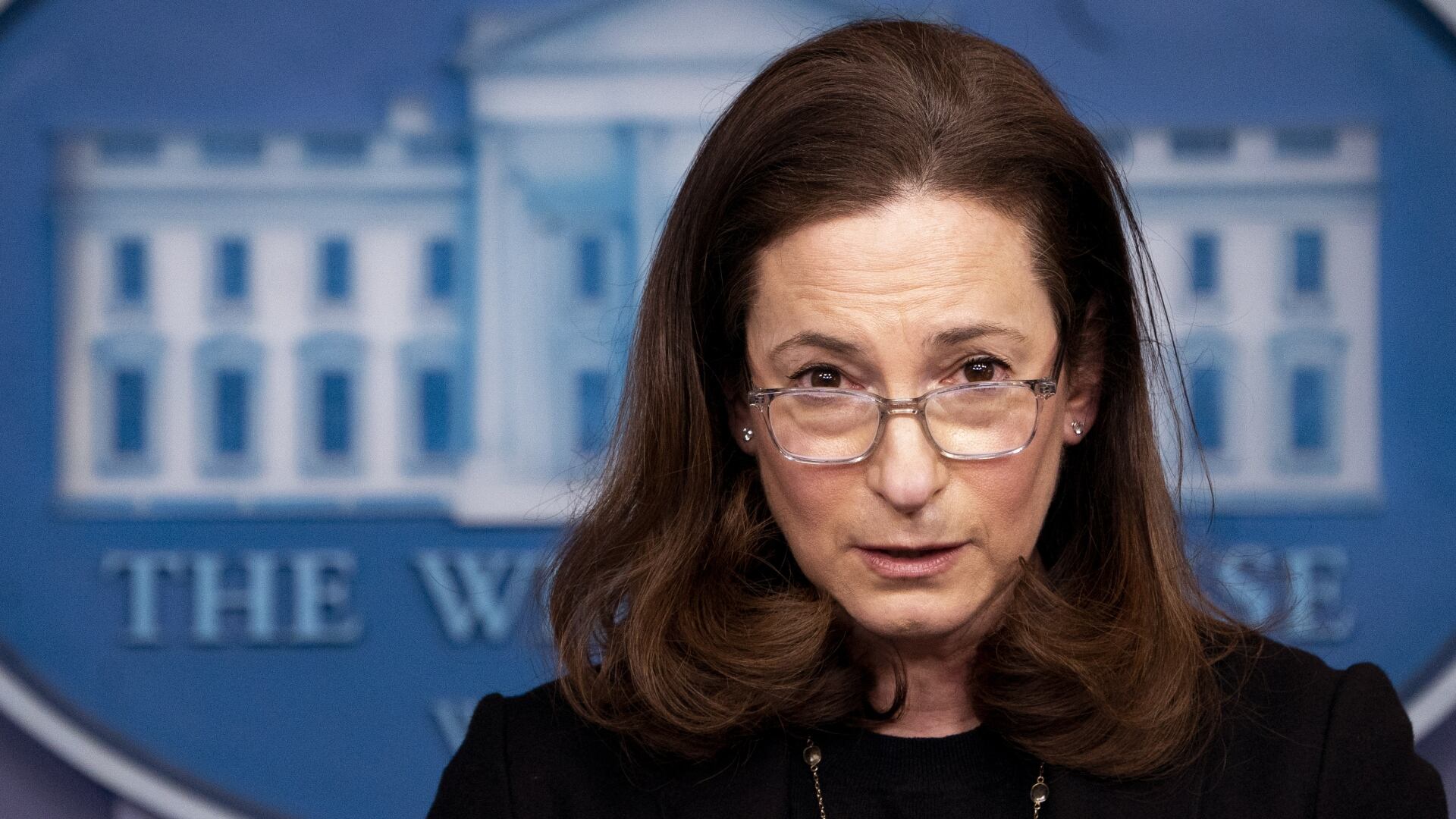
Cheddar News sat down with Jennifer Klein, executive director and co-chair of the White House Gender Policy Council, to discuss the council's work and its significance during Women's History Month.
State Representative Jessica González, Vice Chair of the Texas House LGBTQ Caucus, joins Cheddar News to discuss the latest Texas anti-transgender directive.
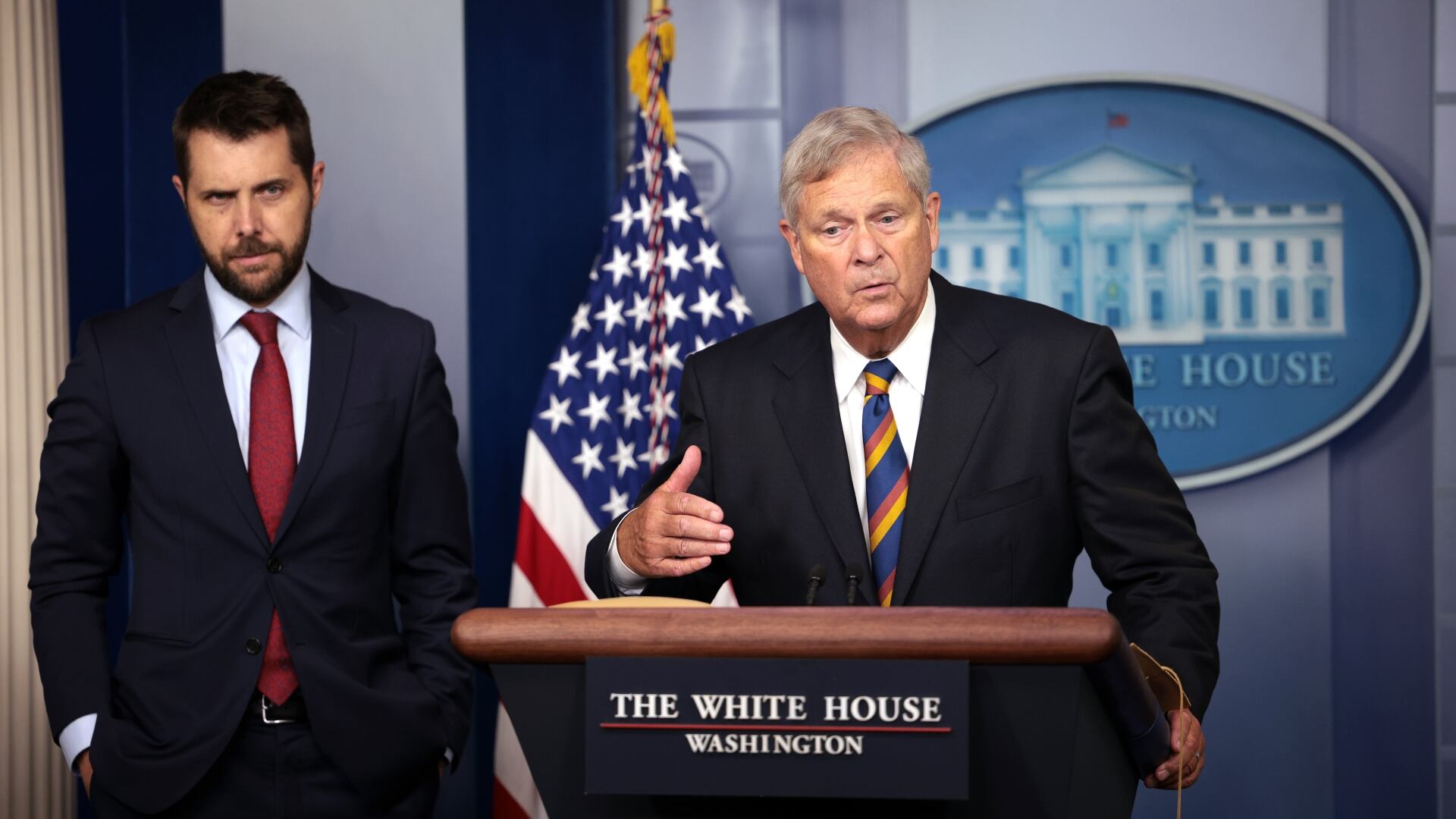
The United States Secretary of Agriculture, Tom Vilsack joins None of the Above to discuss the newly emerging conflict in Europe, what it means for agriculture in the states, dairy and meat consumption, and how the department is planning to promote climate-smart agriculture.
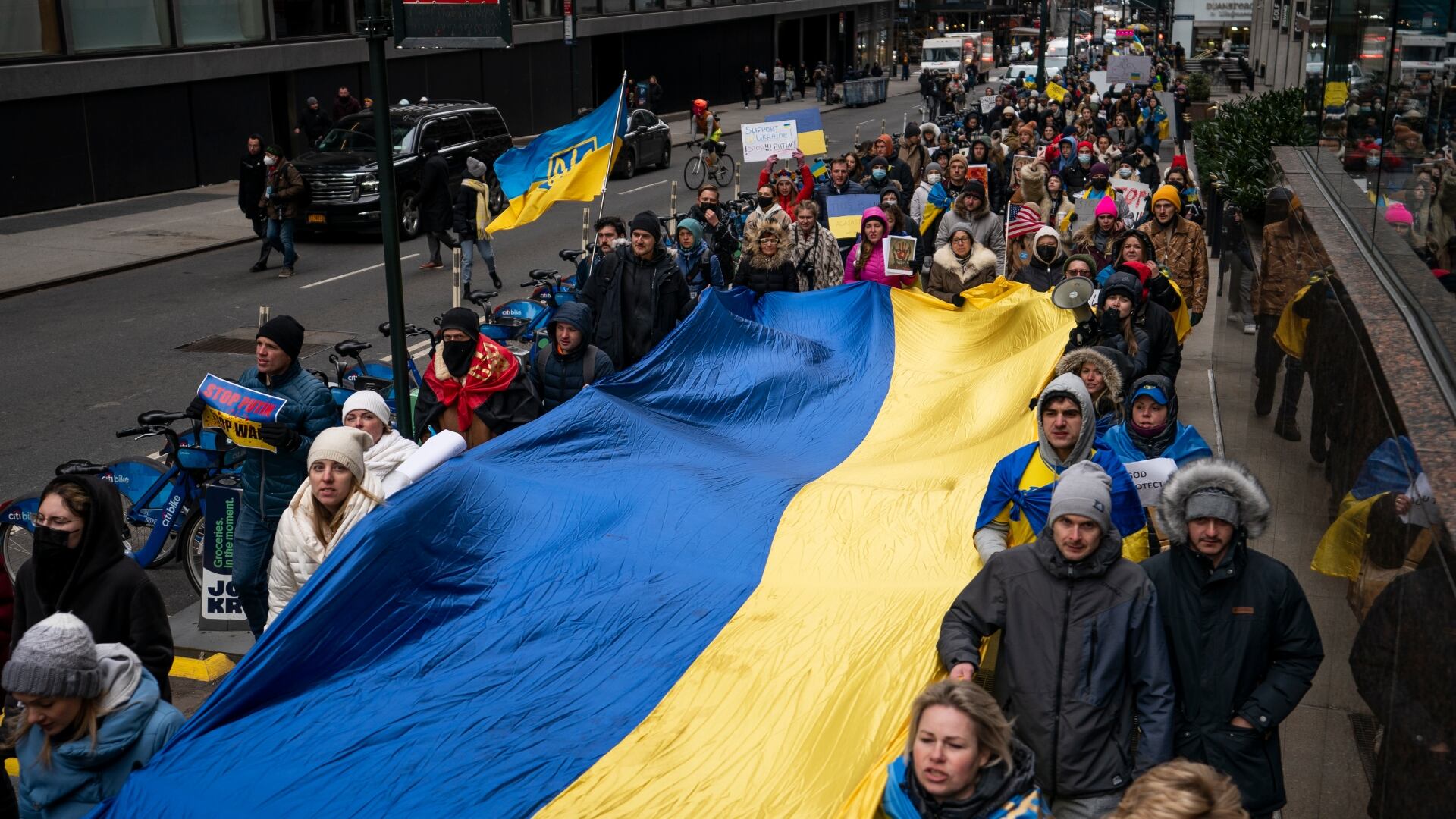
Tens of thousands of people have fled Ukraine in attempts to escape the Russian Invasion. According to the U.N. neighboring countries like Poland, Hungary, and even Romania have seen half a million refugees. While the hospitality is being welcomed by many, it also highlights the mistreatment of migrants and refugees from the Middle East and Africa. Professor of Philosophy and Director of Politics at Northeastern University Serena Parekh, joined Cheddar, to discuss more.
As Russia unleashed war in the country of Ukraine, global leaders have started inflicting punishment on Vladimir Putin's regime via commercial and financial penalties. According to President Joe Biden Putin's aggression is "a flagrant violation of international law and it demands a firm response from the international community".However, the main question is will these sanctions actually work. Partner at Jenner & Block LLP, Rachel Alpert, joined Cheddar to discuss more.