Newly Public PlayAGS Take its Table Games International
Slot machine-maker PlayAGS made its public debut on the New York Stock Exchange Friday, and CEO David Lopez sees opportunity for growth both in the U.S. and abroad.
“We’re actually entering the Philippines in the Latin bingo space right now,” he told Cheddar. “That’s about a 70,000-unit market...Then in Brazil...if a new law goes into effect you’ll see 500,000 or so video bingo machines come online.”
The company, which primarily serves the Native American Market, brought in revenues of $154 million in the first nine months of 2017 and swung to a profit of $13.6 million for that period.
And though the gaming industry has come under pressure from the rise of online and mobile gambling, Lopez says he’s not worried about his casino games getting poached.
“It’s a little bit of a training ground for brick and mortar...If you talk about millennials you think, ‘Hey, when are those millenials going to walk into those casinos and start gambling?’ Well some of it starts on their phone.”
PlayAGS, backed by private equity firm Apollo Investment, sold 10.3 million shares at $16 apiece in its IPO, valuing it at the low end of its expected range at about $550 million.
The stock, which trades under the ticker “AGS”, rose more than 15 percent in its first day of trading.
For full interview [click here](https://cheddar.com/videos/playags-rings-nyse-opening-bell-to-celebrate-ipo).
California's new composting law will affect what residents do in their kitchens. As of this week, Californians will have to recycle excess food in an effort to reduce emissions caused by food waste. Cities and counties will turn recycled food into compost or use it as a renewable energy source. California's new law is the largest mandatory residential food waste recycling program in the country. Rachel Wagoner, Director of the California Department of Resources, Recycling and Recovery called the law 'the biggest change to trash' since recycling started in the 1980s. She joined Cheddar Climate to discuss.
Like the big changeover to e-commerce for retail, the COVID-19 pandemic has moved car buying trends to the digital showroom. Karl Brauer, an executive analyst at iSeeCars.com, joined Cheddar to talk about the "mindset shift" in consumers and businesses to order-based systems in the United States (something more common in other countries). While more than 60 percent of consumers still prefer to visit dealerships in-person, Brauer noted that consumers are better off ordering a car to spec, which would also help improve supply constraints. "It's really bad right now to be building cars and not really knowing who's going to buy them or when they're going to sell," he said. Manufacturing a car to order would maximize the efficiency of obtaining materials through the supply chain rather than "shotgunning it" at dealerships.
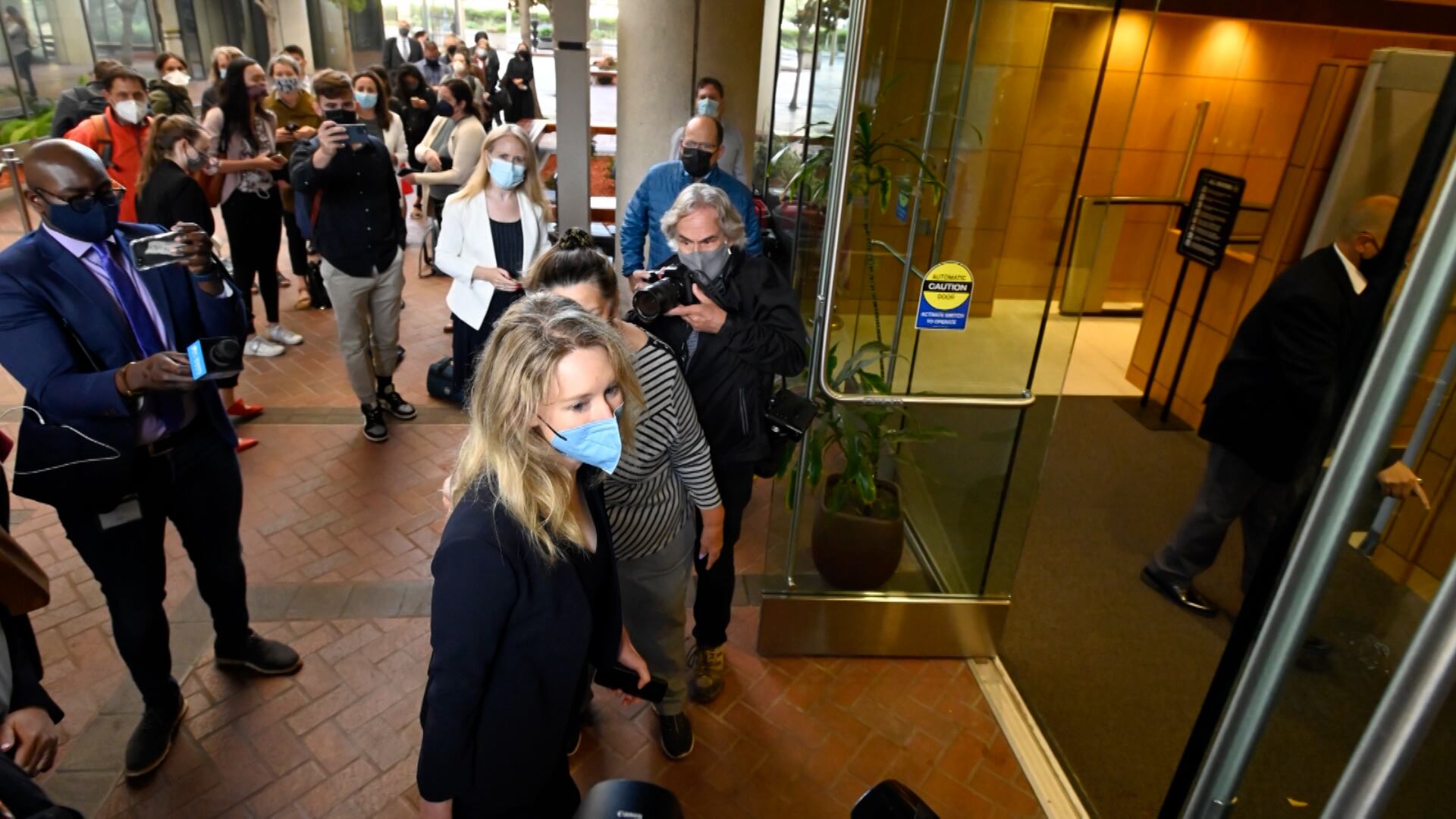
Mark MacDougall, attorney and former prosecutor with the criminal division of the Department of Justice, joined Cheddar to discuss the fraud conviction of Theranos founder Elizabeth Holmes. MacDougall addressed Holmes' stance that what she did was no different than any other Silicon Valley startup's approach to business and how this will shake out for the industry going forward. "I can't imagine it doesn't have some salutary effect on entrepreneurs and people involved in new ventures going forward," he said. Holmes was found guilty on 4 of 11 counts, with each carrying a maximum of 20 years in prison, but MacDougall explained that the lengthy prison sentences were unlikely.
Sports betting is going mainstream in the United States. Dozens of states have legalized it, California is set to do the same this year. Arizona, which legalized sports betting in September, set new national records for gambling in its first months. Daniel Graetzer, CEO of Maximbet, joins Cheddar News to discuss what's next for the booming industry.
A new report from ProPublica and the Washington Post found that Facebook Groups played a major role in the spread of misinformation linked to the January 6 insurrection with more than 650,000 posts claiming that Joe Biden's election victory was illegitimate.
Ford is accelerating production of its highly anticipated electric F-150 Lightning with an expectation to pump out 150,000 vehicles annually to meet surging demand. Kumar Galhotra, Ford president of the Americas and international markets group, joined Cheddar to detail the plan to get more customers behind the wheel and to become the top of the competition in the electric vehicle space. "Within the next 24 months, we will have capacity, globally, to deliver 600,000 battery-electric vehicles per year," he said.
CES, the largest tech convention in the world, kicks off this Wednesday ending on Friday, one day earlier than originally planned. The annual event features more than 2,000 exhibitors showing off their latest tech products in Las Vegas. Richard Lawler, Senior News Editor, The Verge joined Wake Up with Cheddar to preview the large event.