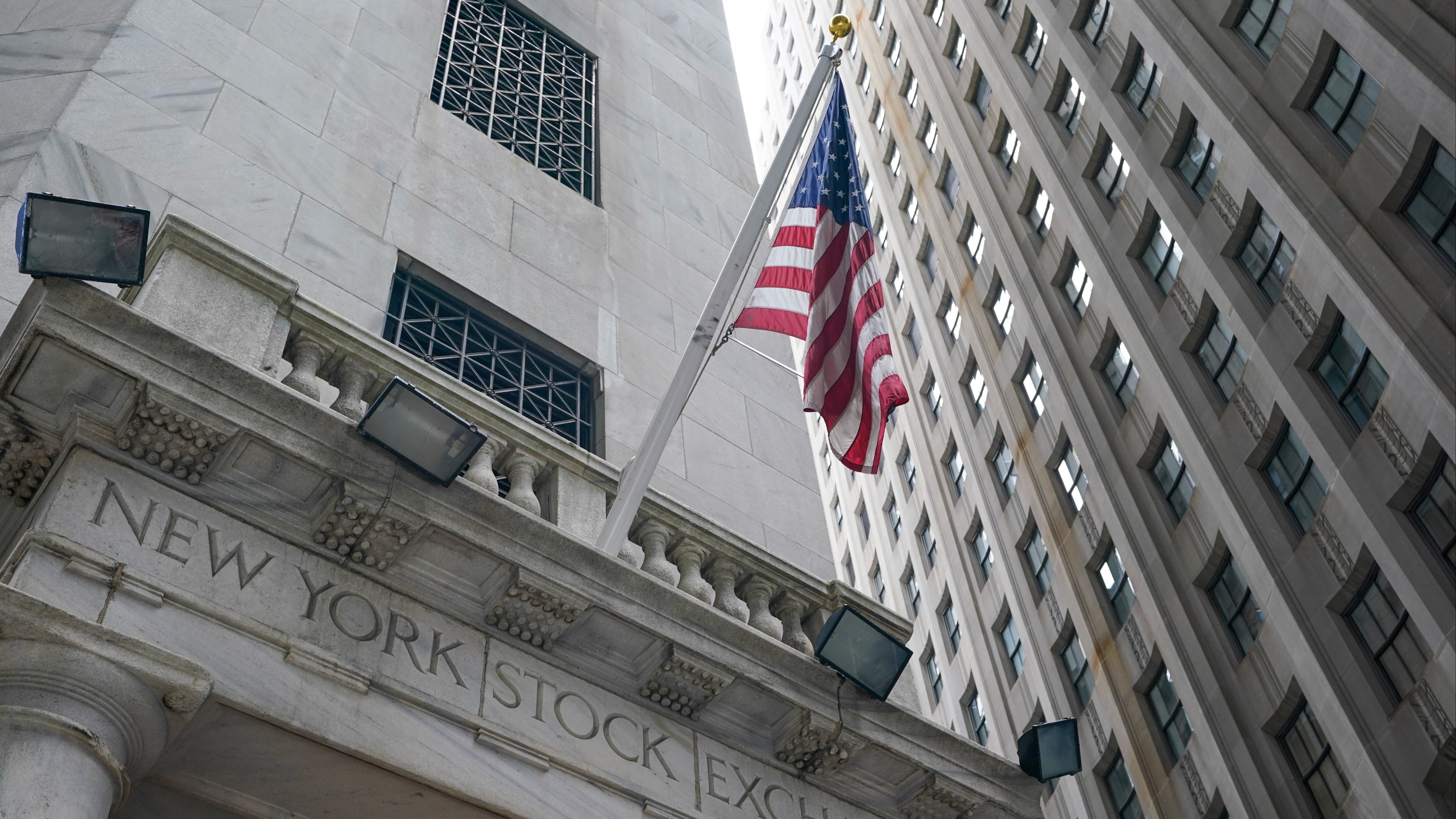
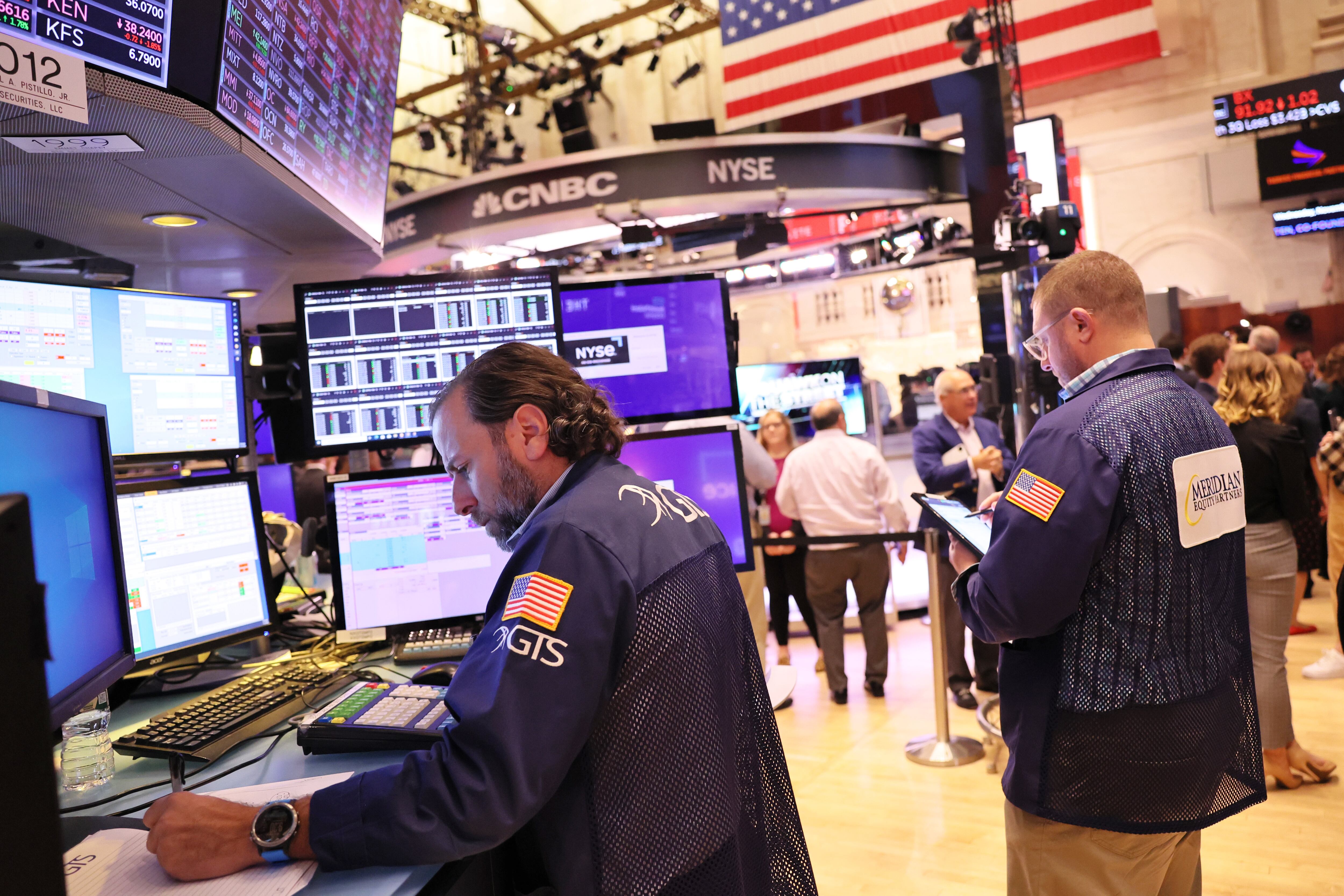
Slot machine-maker PlayAGS made its public debut on the New York Stock Exchange Friday, and CEO David Lopez sees opportunity for growth both in the U.S. and abroad. “We’re actually entering the Philippines in the Latin bingo space right now,” he told Cheddar. “That’s about a 70,000-unit market...Then in Brazil...if a new law goes into effect you’ll see 500,000 or so video bingo machines come online.” The company, which primarily serves the Native American Market, brought in revenues of $154 million in the first nine months of 2017 and swung to a profit of $13.6 million for that period. And though the gaming industry has come under pressure from the rise of online and mobile gambling, Lopez says he’s not worried about his casino games getting poached. “It’s a little bit of a training ground for brick and mortar...If you talk about millennials you think, ‘Hey, when are those millenials going to walk into those casinos and start gambling?’ Well some of it starts on their phone.” PlayAGS, backed by private equity firm Apollo Investment, sold 10.3 million shares at $16 apiece in its IPO, valuing it at the low end of its expected range at about $550 million. The stock, which trades under the ticker “AGS”, rose more than 15 percent in its first day of trading. For full interview [click here](https://cheddar.com/videos/playags-rings-nyse-opening-bell-to-celebrate-ipo).