The ElectricAir plane is on approach before landing at Wellington Airport in Wellington, New Zealand, Monday, Nov. 1, 2021. Seeking to highlight the potential for green aviation as a pivotal climate change conference opened in Glasgow, New Zealand pilot Gary Freedman made the first-ever flight over Cook Strait in an electric plane. (Mark Mitchell/New Zealand Herald via AP)
By Nick Perry
As he made history by becoming the first person to fly across New Zealand's Cook Strait in an electric plane, Gary Freedman thought it only fitting that the first thing he saw when approaching the Wellington coastline was the rotating blade of a wind turbine producing renewable energy.
Freedman's 40-minute solo flight in the small two-seater came 101 years after the first person flew a conventional aircraft over the body of water that separates the South Pacific nation's two main islands.
Monday's flight was aimed at drawing attention to the possibilities of greener flying and timed to coincide with the opening of a pivotal U.N. climate summit in Glasgow, Scotland.
Wellington International Airport officials believe it may be the longest distance flown in an electric plane across any body of water.
“It's a very exciting day for the airport. A world-record-setting day," said spokesperson Jenna Raeburn.
Freedman said the day began badly with pouring rain at his departure point near the town of Blenheim. After delaying the flight for 15 minutes, the weather cleared just enough for takeoff and soon improved to sunny conditions over the ocean.
Freedman said he was ecstatic when he landed, and the technology worked better than he'd hoped.
“We still had 40% left in the battery,” he said. “We could have almost flown back again.”
Freedman, 49, who founded the company ElectricAir, said he's long been passionate about the environment and the idea came as he thought about the incongruity of driving an electric car and flying a gas-powered plane.
He took a trip to Slovenia to buy a Pipistrel Alpha Electro plane, and then jumped through various hoops with New Zealand aviation regulators to get the plane cleared.
It weighs less than 400 kilograms (880 pounds) and is much quieter than a traditional aircraft. For the 78 kilometer (48 mile) trip, Freedman flew it at just 1,000 feet (305 meters) above sea level and at the relatively slow speed of 130 kilometers per hour (81 mph) in order to preserve its charge.
Freedman said it takes about one hour to fully charge the plane. The maximum flight time is also about an hour, and he mainly uses it for pilot training.
Wellington International Airport is preparing for regular short-hop flights of new 12-seater electric planes that will begin in about five years' time, said Raeburn, the airport spokeswoman.
She said electric technology is not yet advanced enough to power large passenger planes, but biofuels and hydrogen will likely provide greener alternatives in the future.
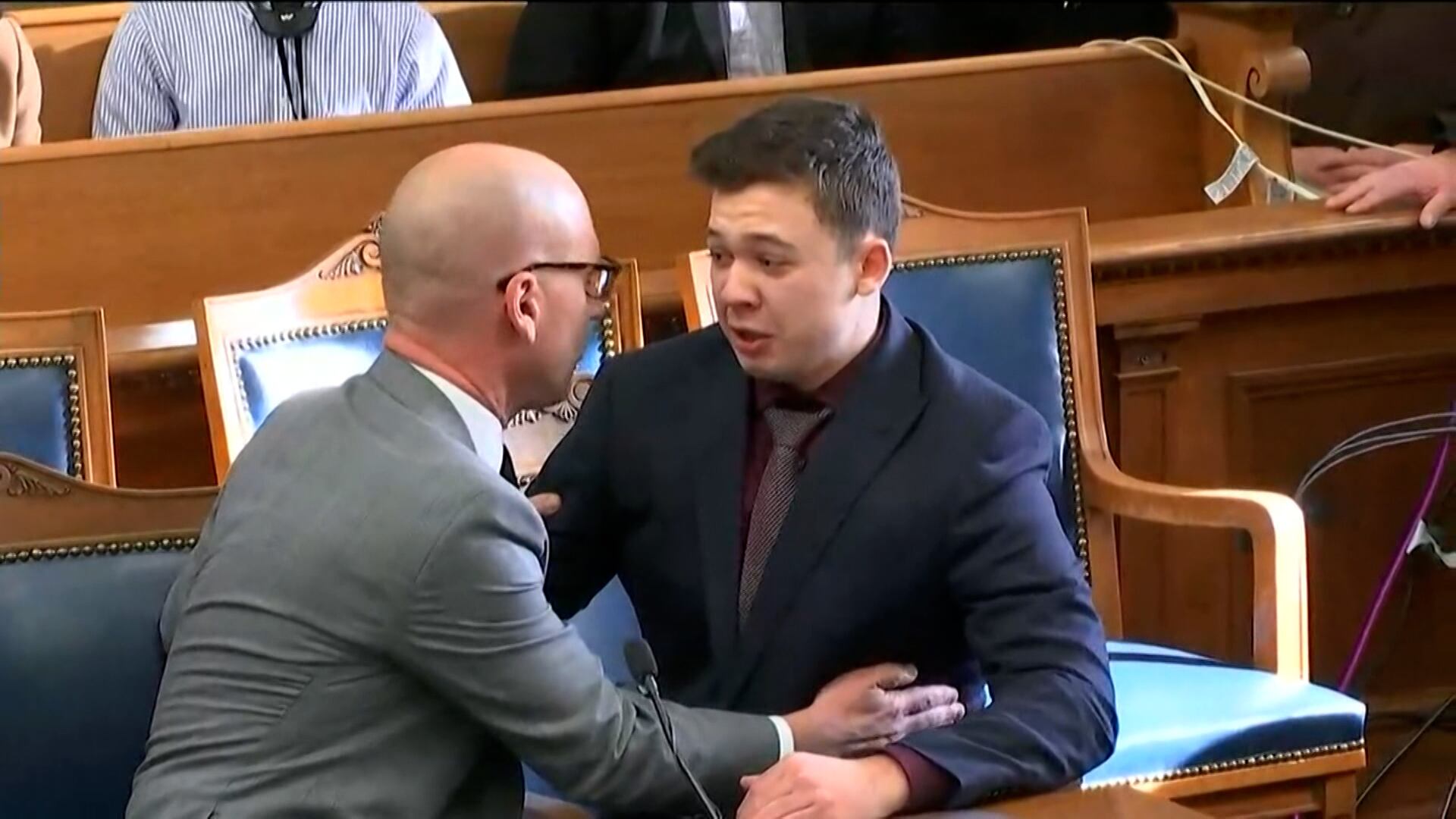
Protests across the country continued all weekend following the acquittal of Kyle Rittenhouse. A jury found the 18-year-old not guilty of all five felony charges. Rittenhouse was accused of killing two people and wounding another during protests in Kenosha, Wisconsin last year. Jaha Howard, political strategist and civil rights advocate, joins Cheddar News to breakdown the verdict.
On this episode of Cheddar Reveals, Yair Nechmad, Nayax CEO, discusses the future of cashless payments, and how cashless payments give retailers a competitive edge and allow merchants to scale business; Jason Thomas, Global CEO of Tappit, breaks down how the pandemic accelerated the transition to cash-free live events, and why that trend is here to stay; Cheddar gets a look at Curiosity Steam's 'Blockchain Revolution.'
With Thanksgiving two days away, the USDA is reminding hosts of the importance of food safety. Karen Hunter, Food Safety Expert, USDA, joined Cheddar's Opening Bell to discuss the best food handling and leftover tips ahead of the holiday.
With millions of Americans set to host Thanksgiving this year, shoppers can expect to pay more at grocery stores, with the price of a thanksgiving meal up 14% from last year. According to the USDA, the average price of an 8- to 16-pound frozen turkey is up 21% from a year ago. Jay Jandrain, CEO, Butterball, joined Cheddar’s Opening Bell to discuss how his company is being affected by supply chain challenges and rising prices.
Jill and Carlo are a bit delayed today on account of Carlo's internet not working. Better late than never, they discuss what we know about the suspect in the Christmas parade crash, closing arguments in the Arbery killing trial, and more.
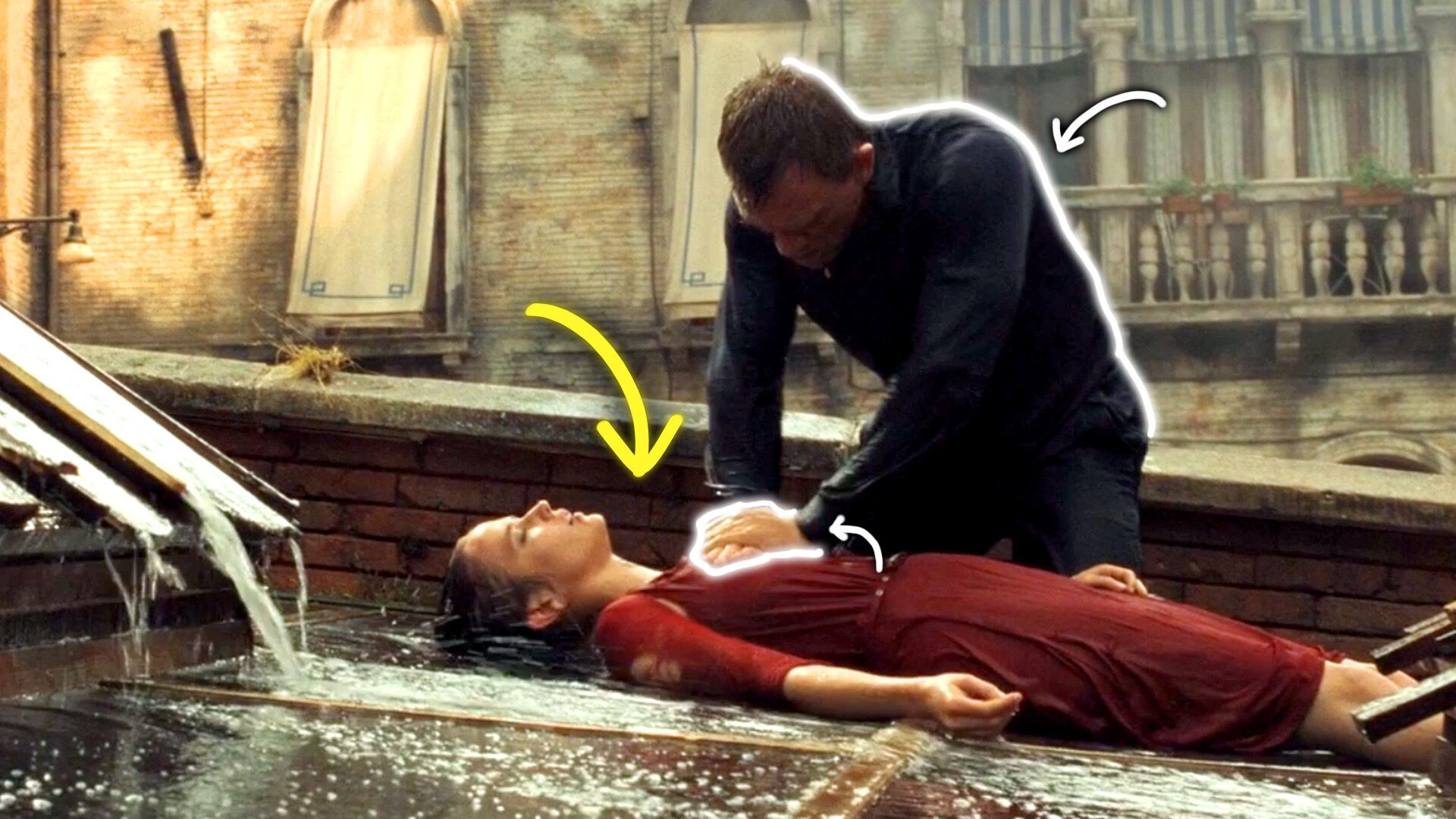
If you’ve ever watched a show or movie where a character is unconscious for some reason - drowning, electrocution, stabbed in a knife fight - you probably know what to expect next. Some hero will come perform what looks like cardiopulmonary resuscitation (CPR) for a minute or two, perhaps in slow motion, and definitely with a dramatic musical score. And bing, bang, boom, the unconscious character miraculously comes back to life.
If you’ve ever suspected that this is a gross exaggeration of the efficacy of CPR, well, you’re right. But exactly how wrong Hollywood gets CPR is hilarious at best and downright dangerous at worst.
Brianna Wright, Senior Consumer Research Specialist at LendingTree, joins Cheddar to discuss how much Americans are expected to spend on Thanksgiving this year, and how millennials and gen-zers are taking over the holiday.
Special Olympics and WWE are announcing a three-year partnership extension of their global partnership to help create inclusion through sports. Mary Davis, CEO of Special Olympics and WWE superstar and Special Olympics Global Ambassador, Drew McIntyre join Cheddar News to talk about the announcement.