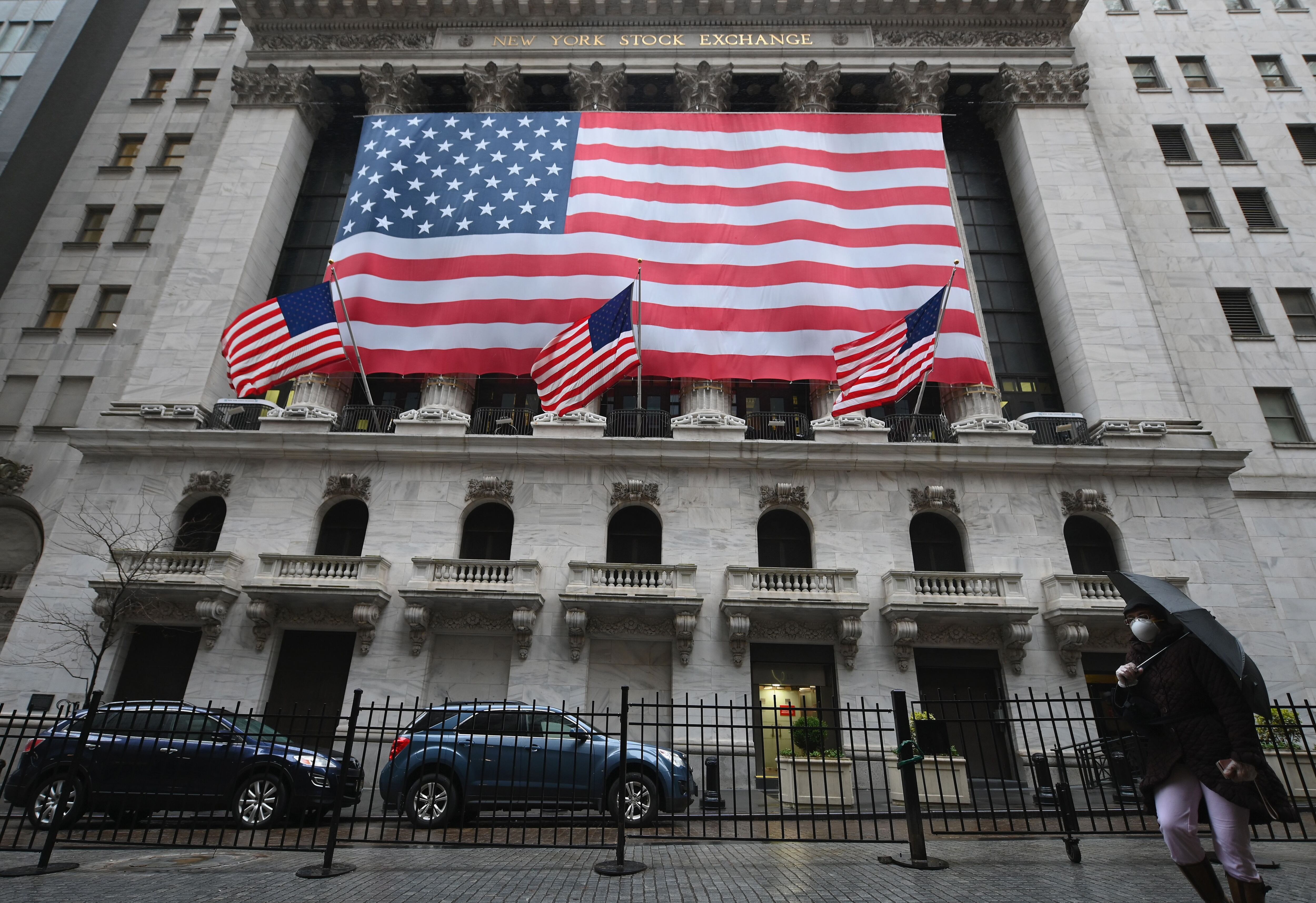
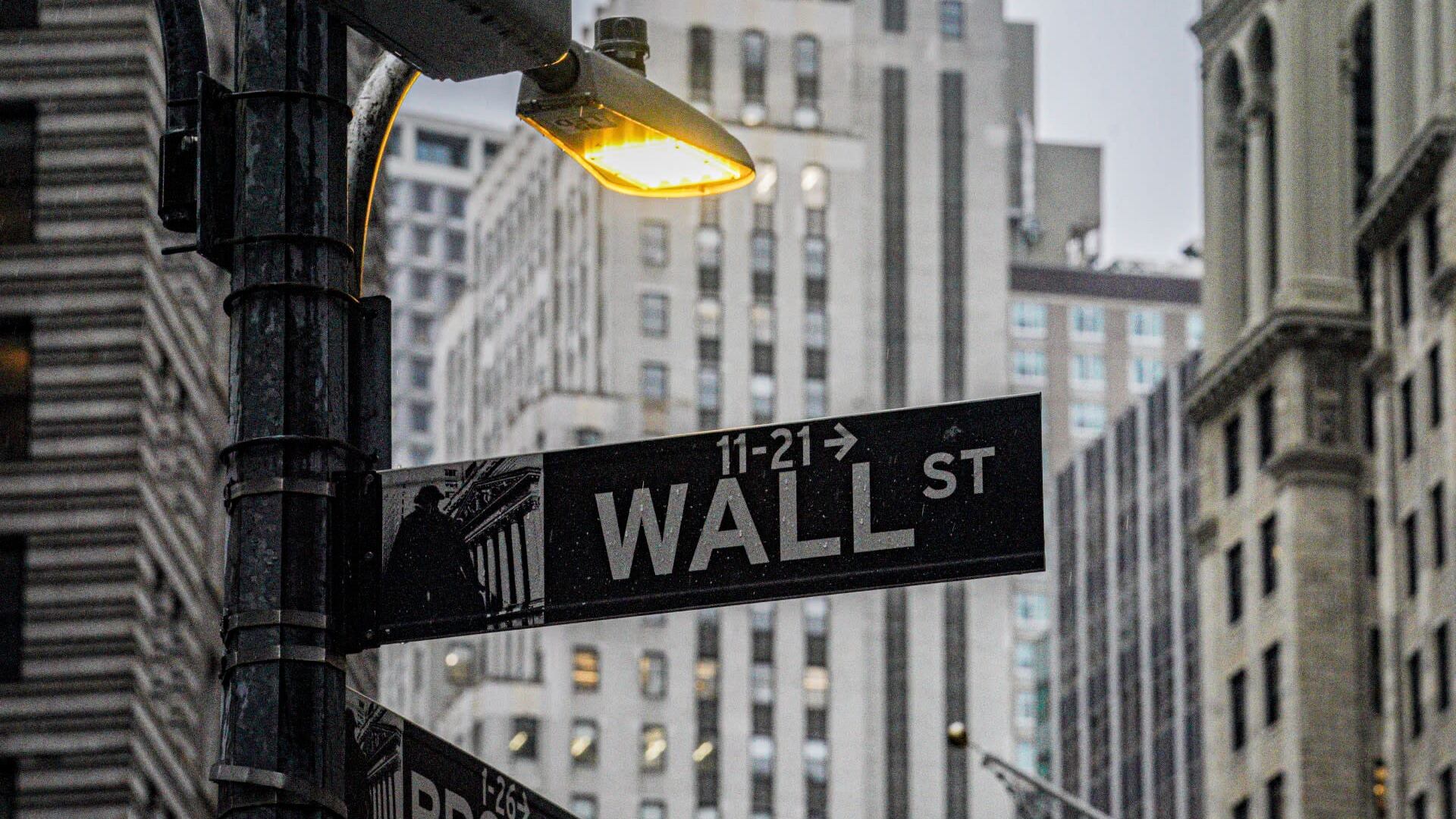
The New York Stock Exchange’s famously hectic trading floor was dead quiet this morning as it opened for the first time in its history without traders.
The exchange decided to move all-electronic trading late last week despite NYSE President Stacey Cunningham’s best efforts to keep it open with strict safety precautions in place. Those measures included daily deep-cleans and temperature checks for traders at the door.
“The fact that we have people applying human judgment to trading helps dampen volatility, and we're in an exceptionally volatile period of time,” Cunningham told Cheddar last week.
While the broader impact on markets will take time to determine, in the short-term the move has sparked fear in some brokers about the future of traders, who have already seen their roles shrink over the years as electronic and algorithmic trading have grown.
In terms of day-to-day operations, the situation puts limits on the kinds of trading that can take place while brokers do their work from home.
“There’s only a certain amount of clients that we can trade for off the floor, and there’s a good portion of our clients that we are only allowed to trade for when we’re on the floor,” Jonathan Corpina, a trader for Meridian Equity Partners, told Cheddar.
The firm’s broker-to-broker business, for instance, is essentially shut down until it can return to the floor.
The coronavirus has further complicated the shut down because remote trading sites in Connecticut and New Jersey are also closed, as a widespread quarantine takes hold across the region.
“We have a business continuity plan that’s in place, and we do run satellite offices on a day-in and day-out basis, but not having access to those offices made us change our plans completely over the last week,” Corpina said.
Meridian Equity Partners spent the weekend prepping brokers to work remotely, making sure phones and other technology needs were up to the task.
“So far today everything has been working as planned,” he said.
The House of Representatives recently passed a bill aimed at increasing transparency in healthcare.
If you have a flexible spending account, here's some short information for you so you don't leave money on the table.
With high healthcare costs, bills can quickly add up. In some cases, it is possible to negotiate your medical bills. Barak Richman, law professor at George Washington University, joined Cheddar News to discuss the easiest way to talk to medical debt companies about what's owed.
Millions of people have selected insurance plans for 2024 but sometimes navigating them can be tricky time consuming and expensive. Paula Pant, host of 'Afford Anything' podcast, joined Cheddar News to break down what's needed to know about their insurance plans.
The European Union is investigating Elon Musk's X over alleged illicit content and disinformation on its platform. Cheddar News breaks it all down and discusses what it could mean for users.
Adobe and Figma called off their $20 million merger, Southwest Airlines gets fined, Nippon Steel is buying U.S. Steel and oil and gas prices surge after a pause in shipments.
With more employees being called back to the office, many workers are suddenly protesting by being in the office for as little time as possible. As the term suggests, coffee-badging means coming in for just enough time to have a cup of coffee, show your face, and swipe your badge.
Japan's Nippon steel is buying U.S. Steel for $14.9 billion.
Southwest Airlines will pay a $35 million fine as part of a settlement over a 2022 holiday season disaster that saw the airline cancel thousands of flights and leave millions of people stranded.
Cheddar News' Need2Know is brought to you by Securitize, which helps unlock broader access to alternative investments in private businesses, funds, and other alternative assets. The private credit boom is here and the Hamilton Lane Senior Credit Opportunities Fund has tripled in assets under management in just six months from November 2022 through April this year. Visit Securitize.io to learn more.