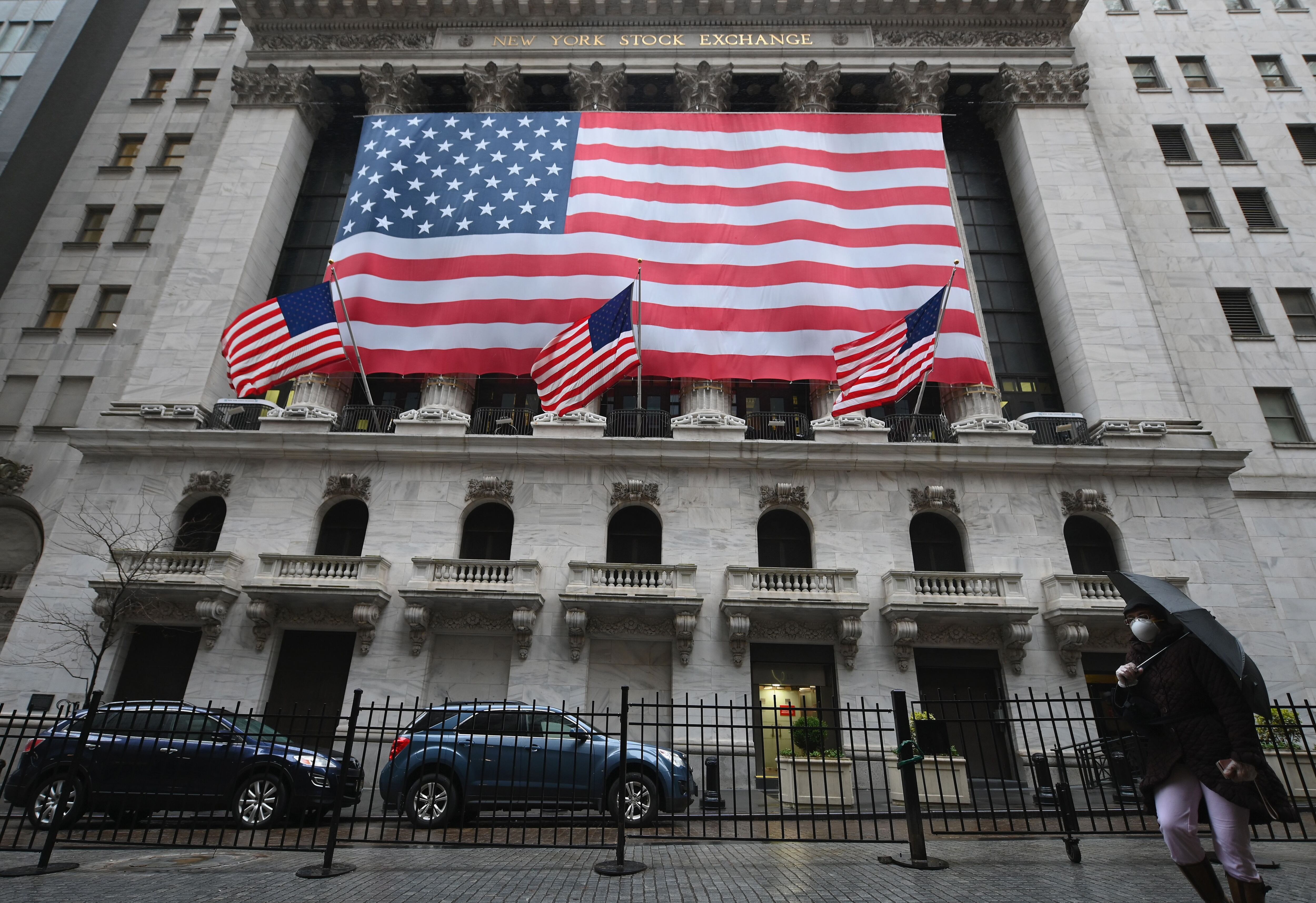
The New York Stock Exchange’s famously hectic trading floor was dead quiet this morning as it opened for the first time in its history without traders.
The exchange decided to move all-electronic trading late last week despite NYSE President Stacey Cunningham’s best efforts to keep it open with strict safety precautions in place. Those measures included daily deep-cleans and temperature checks for traders at the door.
“The fact that we have people applying human judgment to trading helps dampen volatility, and we're in an exceptionally volatile period of time,” Cunningham told Cheddar last week.
While the broader impact on markets will take time to determine, in the short-term the move has sparked fear in some brokers about the future of traders, who have already seen their roles shrink over the years as electronic and algorithmic trading have grown.
In terms of day-to-day operations, the situation puts limits on the kinds of trading that can take place while brokers do their work from home.
“There’s only a certain amount of clients that we can trade for off the floor, and there’s a good portion of our clients that we are only allowed to trade for when we’re on the floor,” Jonathan Corpina, a trader for Meridian Equity Partners, told Cheddar.
The firm’s broker-to-broker business, for instance, is essentially shut down until it can return to the floor.
The coronavirus has further complicated the shut down because remote trading sites in Connecticut and New Jersey are also closed, as a widespread quarantine takes hold across the region.
“We have a business continuity plan that’s in place, and we do run satellite offices on a day-in and day-out basis, but not having access to those offices made us change our plans completely over the last week,” Corpina said.
Meridian Equity Partners spent the weekend prepping brokers to work remotely, making sure phones and other technology needs were up to the task.
“So far today everything has been working as planned,” he said.




