In Vermont, the governor just signed a law allowing people to consume marijuana recreationally. The newly inaugurated governor of New Jersey has made it clear that he wants weed legalized.
But in neighboring New York, Gov. Andrew Cuomo -- an outspoken opponent of legalized marijuana -- has, well, appointed a task force to study the issue.
State Senator Gustavo Rivera, however, thinks that what is happening in the other states will inevitably lead New York to liberalize its laws.
"When something is legal in one state and not legal in another, you will have people crossing the border to go and get it," Senator Rivera said in an interview Tuesday on Cheddar's weekly "Cannabiz" show. "You see that with firecrackers; they're legal in many states but illegal in others. So certainly it can have an impact on what happens in one state, when people of that state go to another to acquire it, which is why, yes, there is pressure now."
Governor Cuomo has long argued that marijuana was a "gateway drug" that could lead to the use of other, more dangerous drugs. As recently as a year ago, he said, "I am unconvinced on recreational marijuana." His creation of a task force to study the legalization issues suggests that his views have softened, at least somewhat.
But Senator Rivera, a Democrat who represents portions of the Bronx, says the issue is pretty clear-cut. "Many of us are saying let's make sure that we do the right thing in the state of New York, that we push for recreational marijuana to exist in New York. It would be the right thing to do."
For full segment [click here](https://cheddar.com/videos/when-will-new-york-legalize-marijuana).
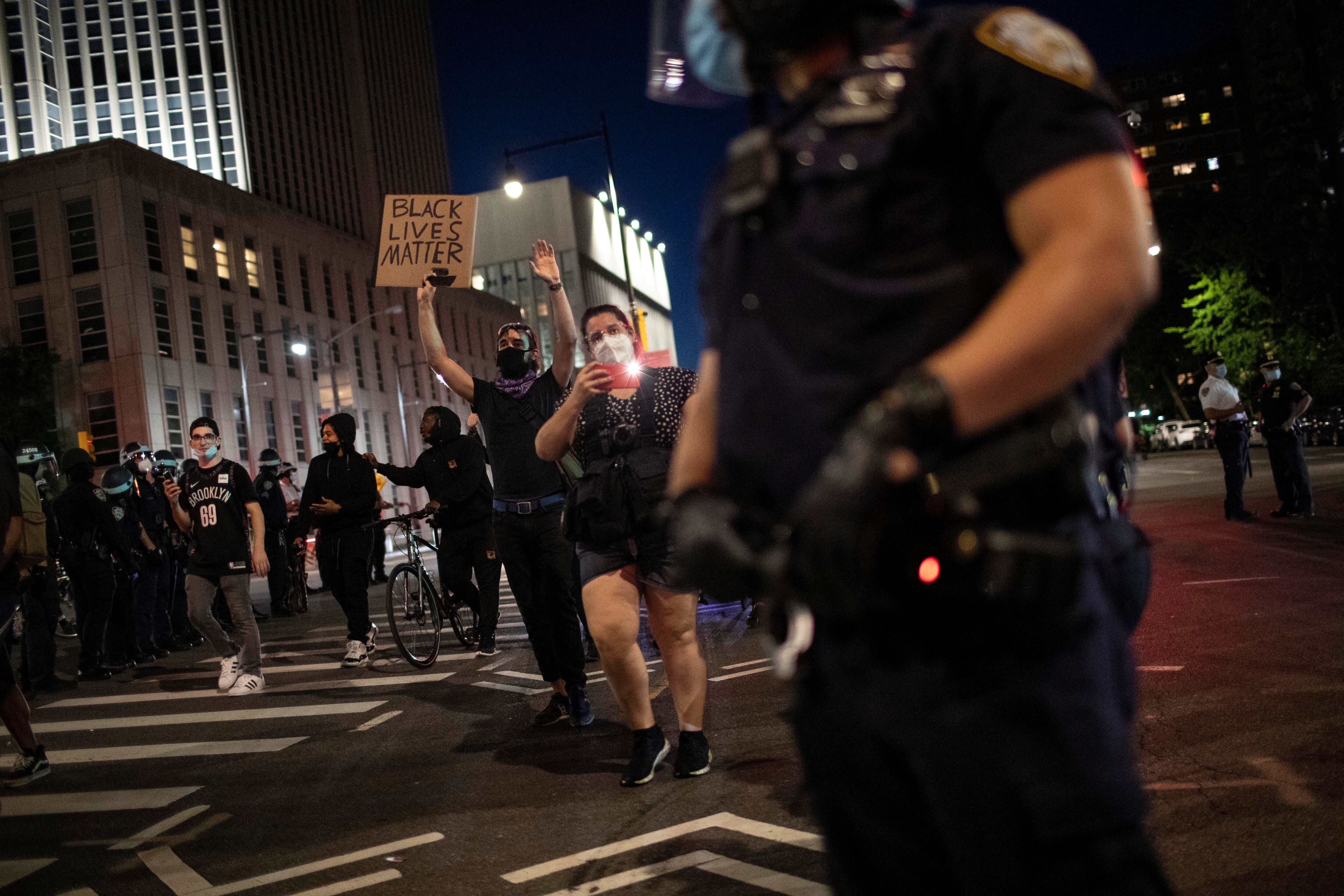
Rep. Clarke spoke to Cheddar about the NYPD and Mayor De Blasio's handling on two NYPD squad cars driving into a crowd of protesters over the weekend.
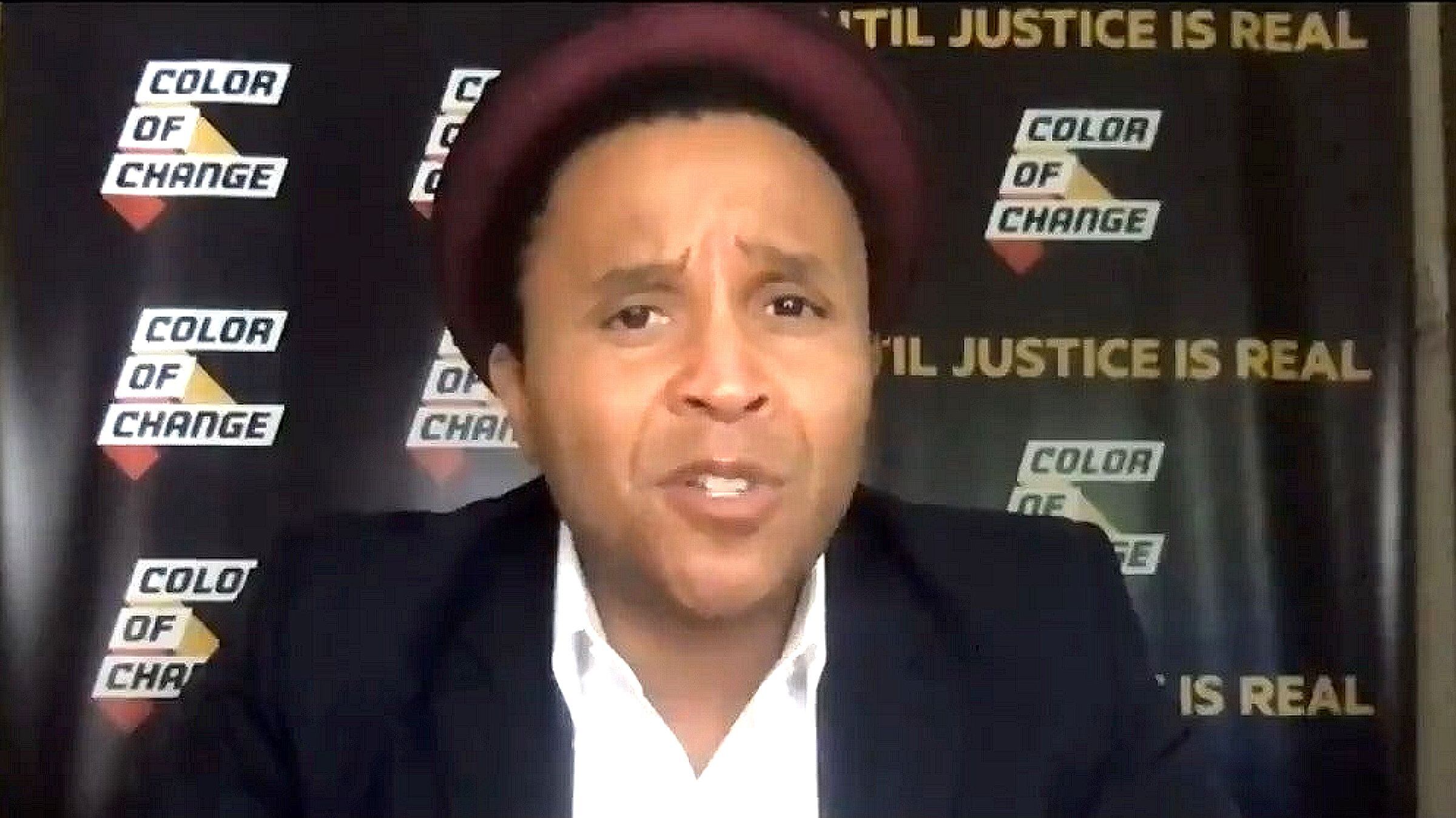
As demonstrations across the country grow more violent by the day, Rashad Robinson says a lack of leadership in the White House is part of the issue.
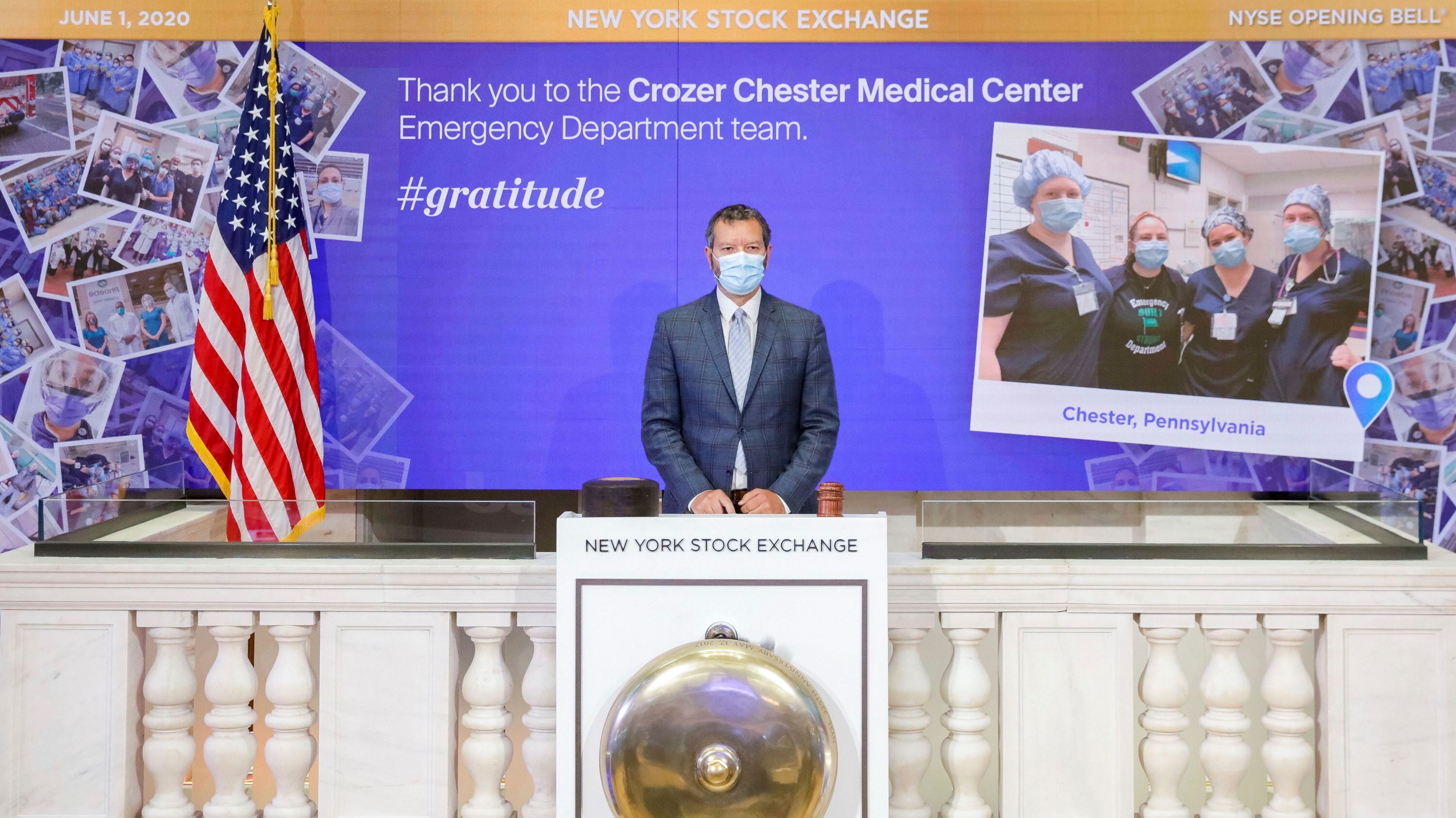
The S&P 500 climbed 0.4% after wavering between small gains and losses in the early going.
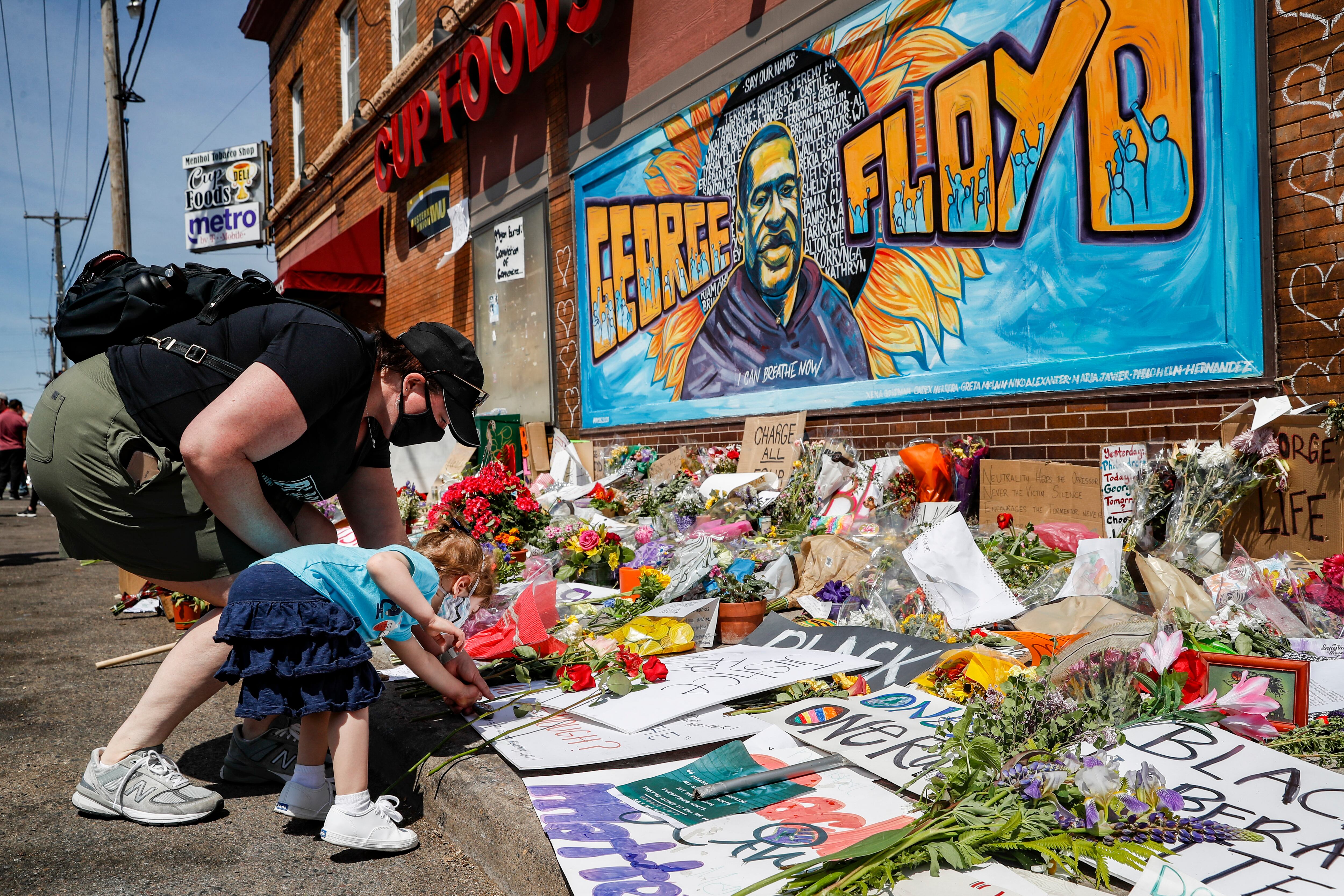
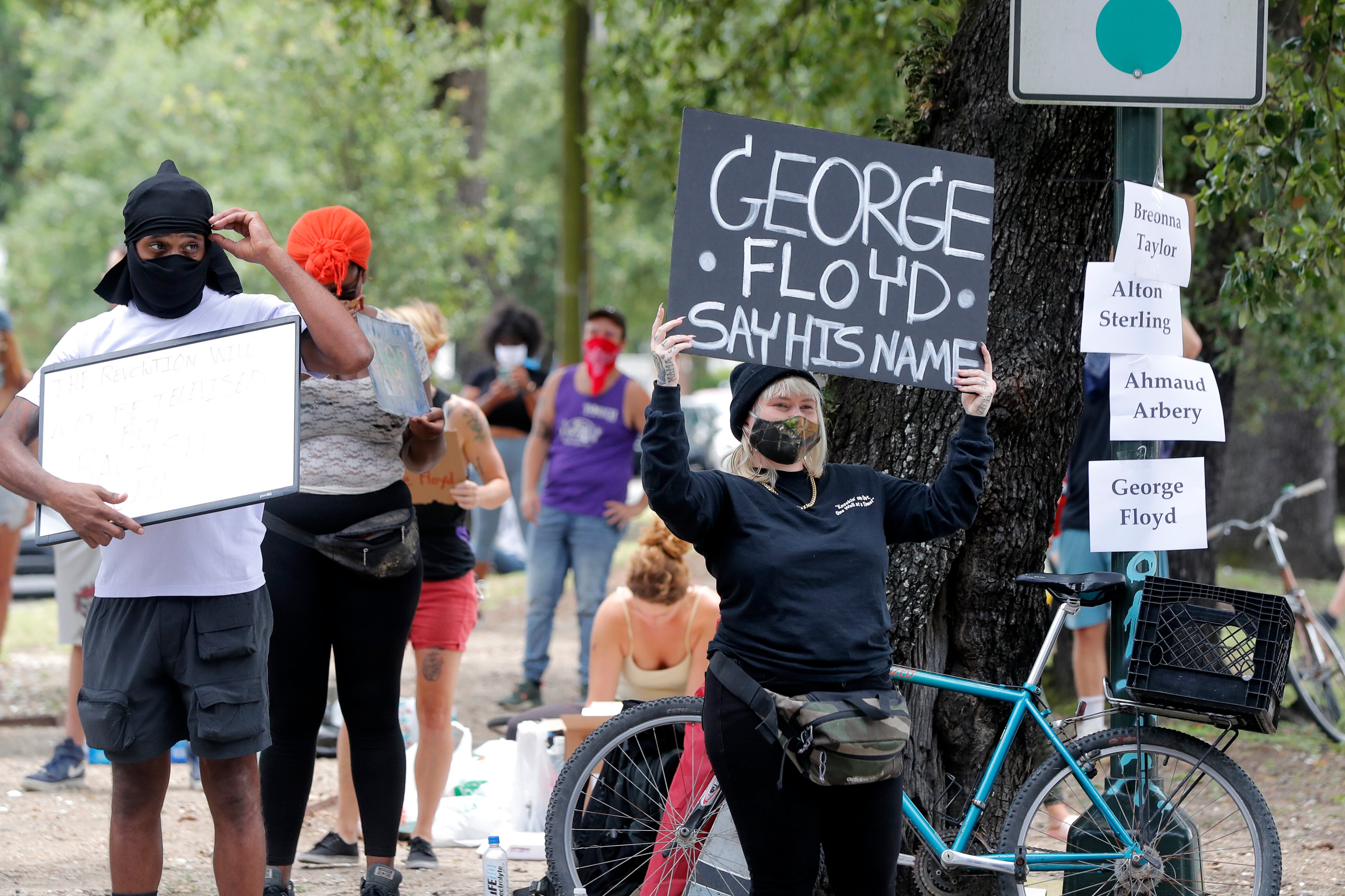
An autopsy commissioned for George Floyd’s family found that Floyd died of asphyxiation due to neck and back compression when a Minneapolis police officer kneeled on his neck for several minutes and ignored his cries of distress, the Floyd family’s attorneys said Monday.
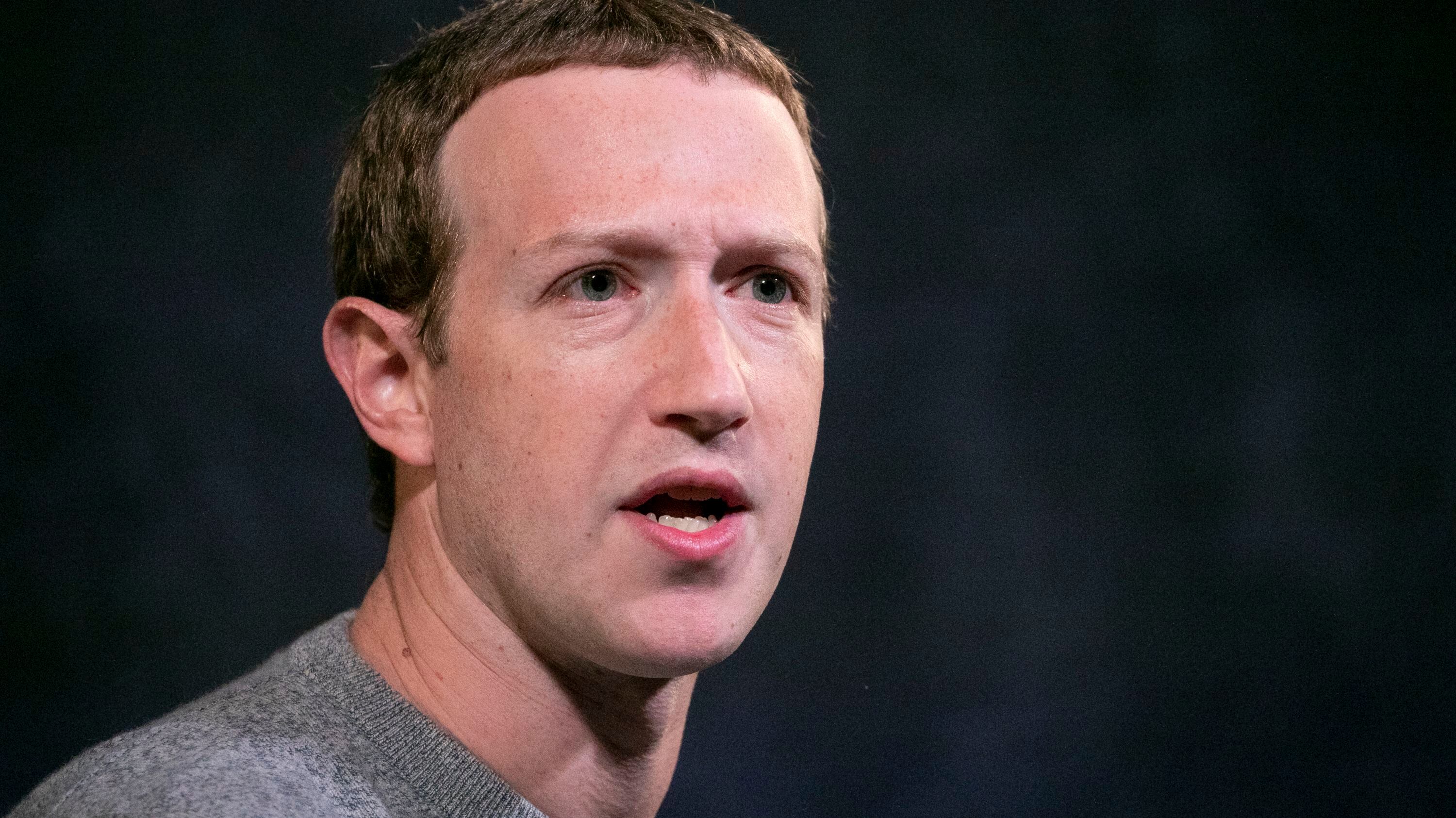
Facebook employees are using Twitter to register their frustration over CEO Mark Zuckerberg’s decision to leave up posts by President Donald Trump that suggested protesters in Minneapolis could be shot.
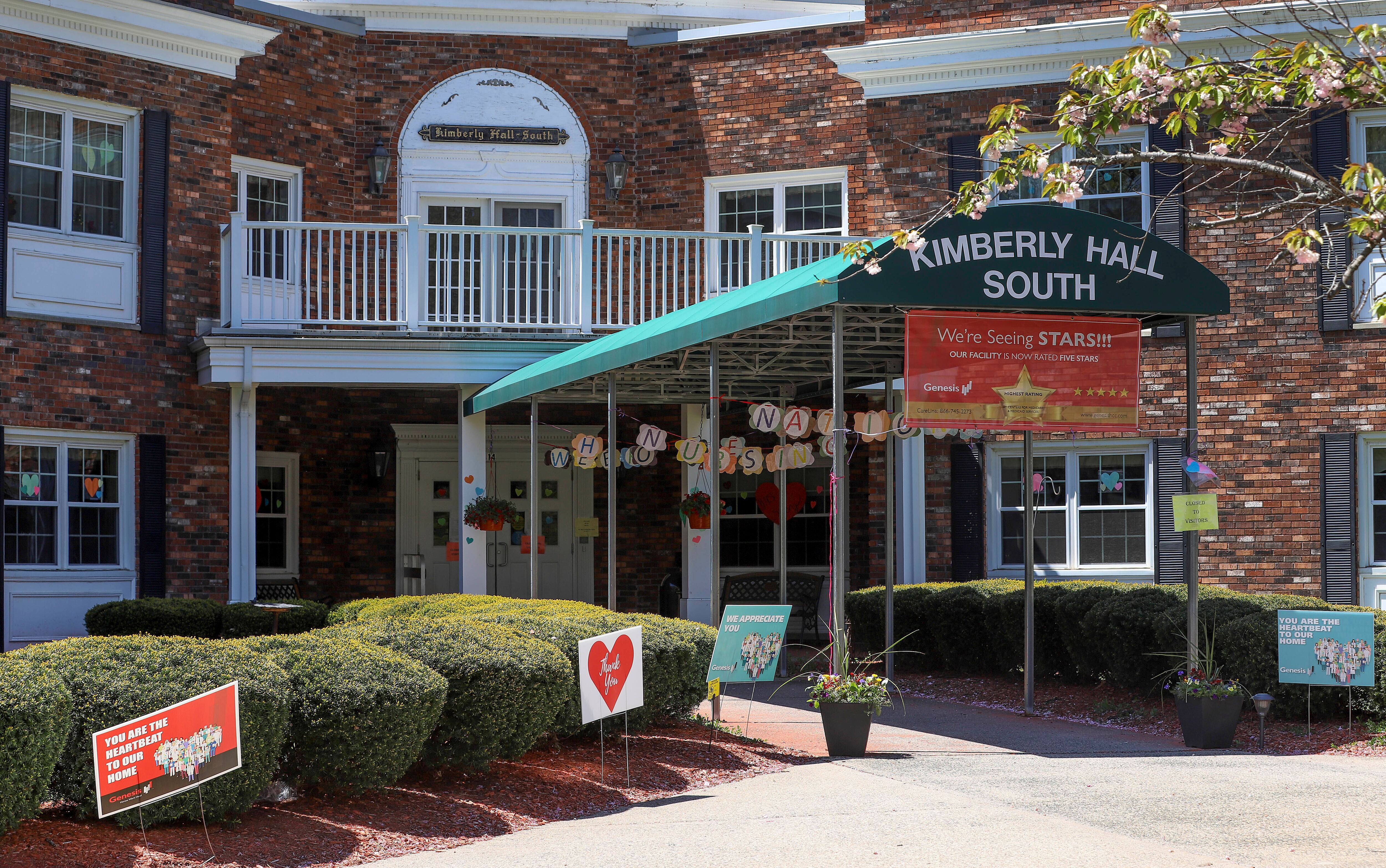
Federal health authorities have received reports of nearly 26,000 nursing home residents dying from COVID-19, according to materials prepared for the nation's governors. That number is partial and likely to go higher.
Leslie Ricard Chambers, deputy executive counsel for Louisiana Governor John Bel Edwards, talked to Cheddar Monday morning, as cities across the country woke up after another night of unrest.
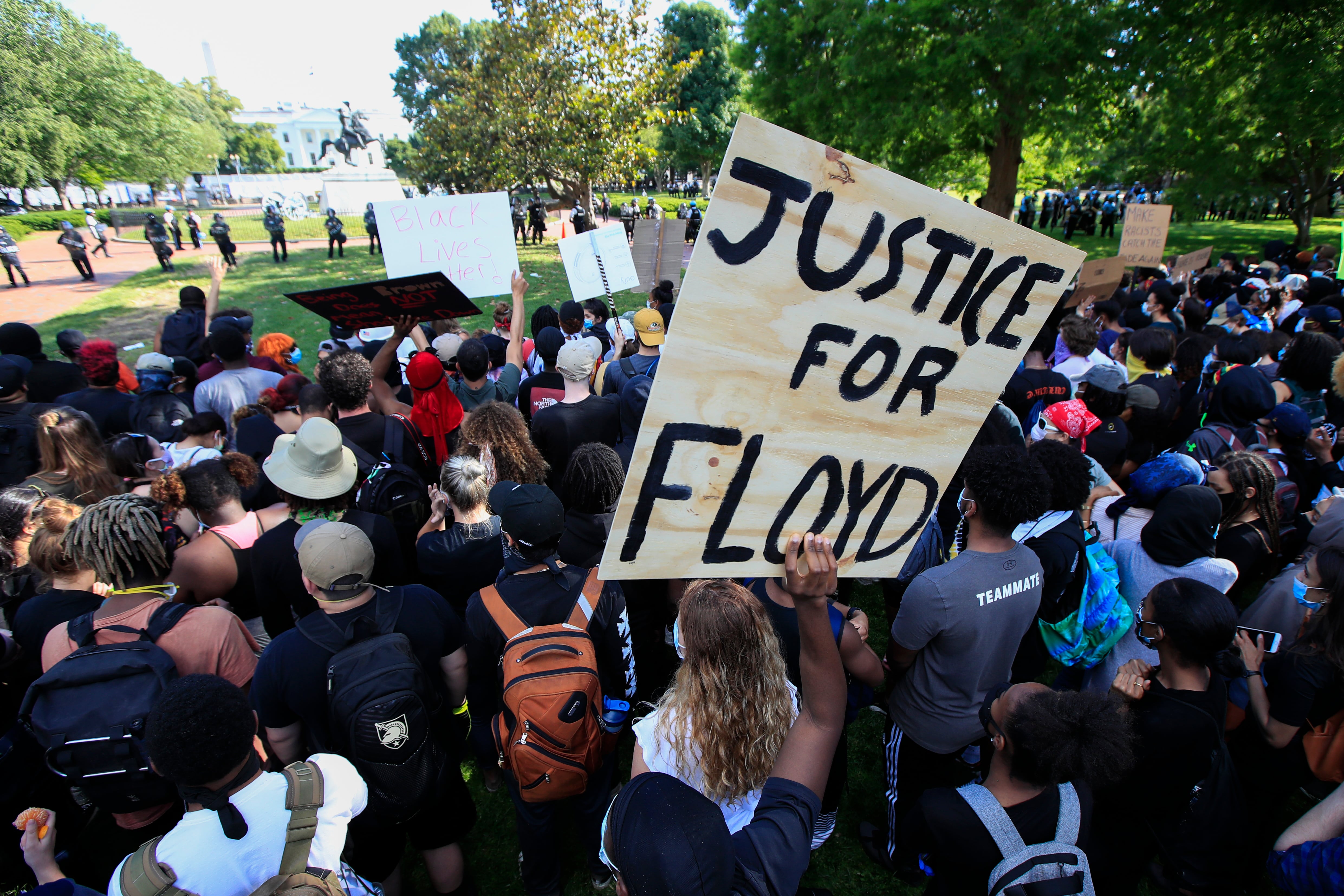
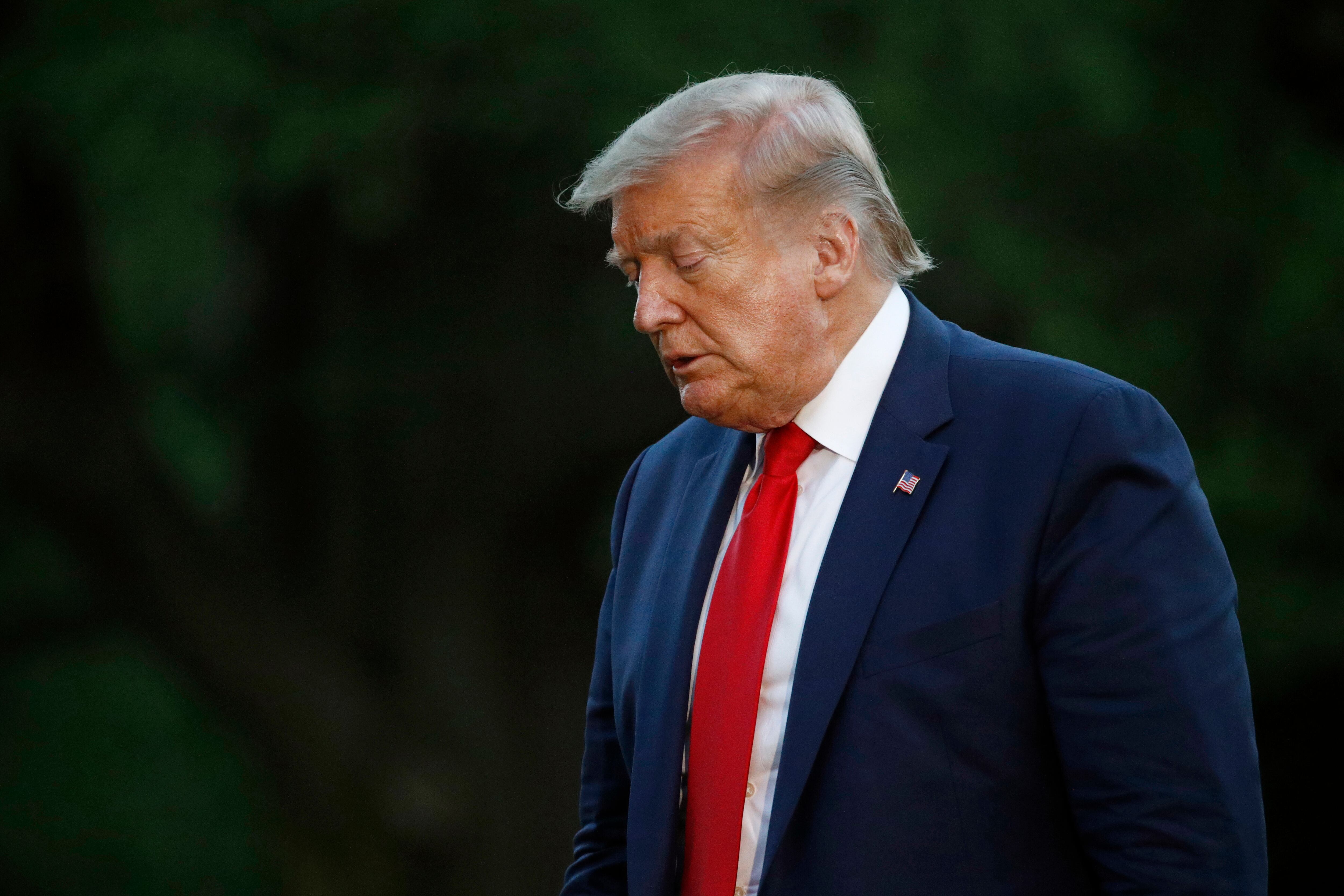
President Donald Trump is deriding the nation’s governors as “weak” and demanding tougher crackdowns on protesters in the aftermath of more violent protests in dozens of American cities.
President Donald Trump spent time in a White House bunker during Friday night's protests outside the executive mansion. Secret Service agents rushed him there as some of the demonstrators were throwing rocks and tugging at police barricades.
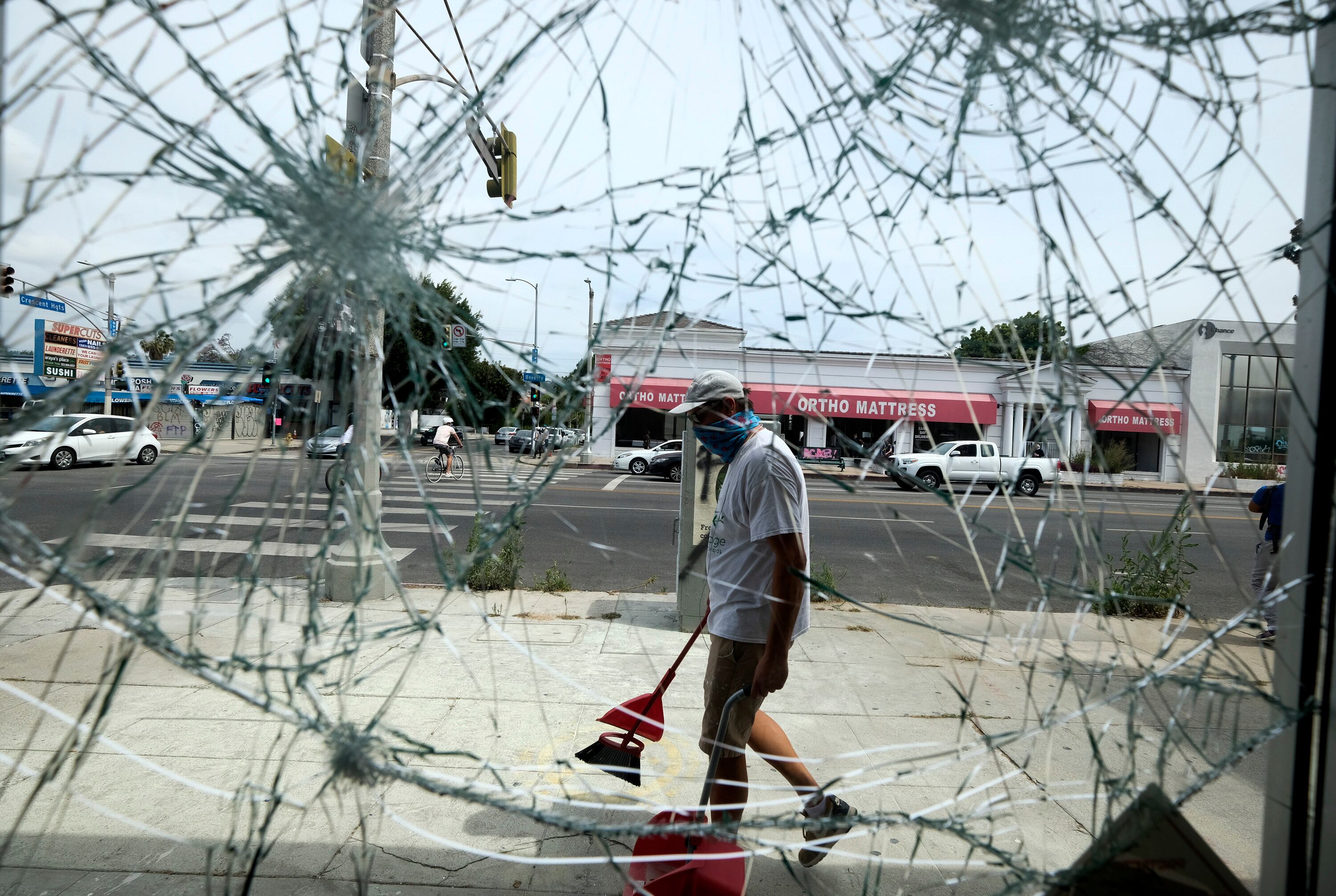
America’s cities boarded up windows, swept up glass and covered graffiti Sunday as the country's most significant night of protests in a half-century spilled into another day of unrest fueled by killings of black people at the hands of police.