In Vermont, the governor just signed a law allowing people to consume marijuana recreationally. The newly inaugurated governor of New Jersey has made it clear that he wants weed legalized.
But in neighboring New York, Gov. Andrew Cuomo -- an outspoken opponent of legalized marijuana -- has, well, appointed a task force to study the issue.
State Senator Gustavo Rivera, however, thinks that what is happening in the other states will inevitably lead New York to liberalize its laws.
"When something is legal in one state and not legal in another, you will have people crossing the border to go and get it," Senator Rivera said in an interview Tuesday on Cheddar's weekly "Cannabiz" show. "You see that with firecrackers; they're legal in many states but illegal in others. So certainly it can have an impact on what happens in one state, when people of that state go to another to acquire it, which is why, yes, there is pressure now."
Governor Cuomo has long argued that marijuana was a "gateway drug" that could lead to the use of other, more dangerous drugs. As recently as a year ago, he said, "I am unconvinced on recreational marijuana." His creation of a task force to study the legalization issues suggests that his views have softened, at least somewhat.
But Senator Rivera, a Democrat who represents portions of the Bronx, says the issue is pretty clear-cut. "Many of us are saying let's make sure that we do the right thing in the state of New York, that we push for recreational marijuana to exist in New York. It would be the right thing to do."
For full segment [click here](https://cheddar.com/videos/when-will-new-york-legalize-marijuana).
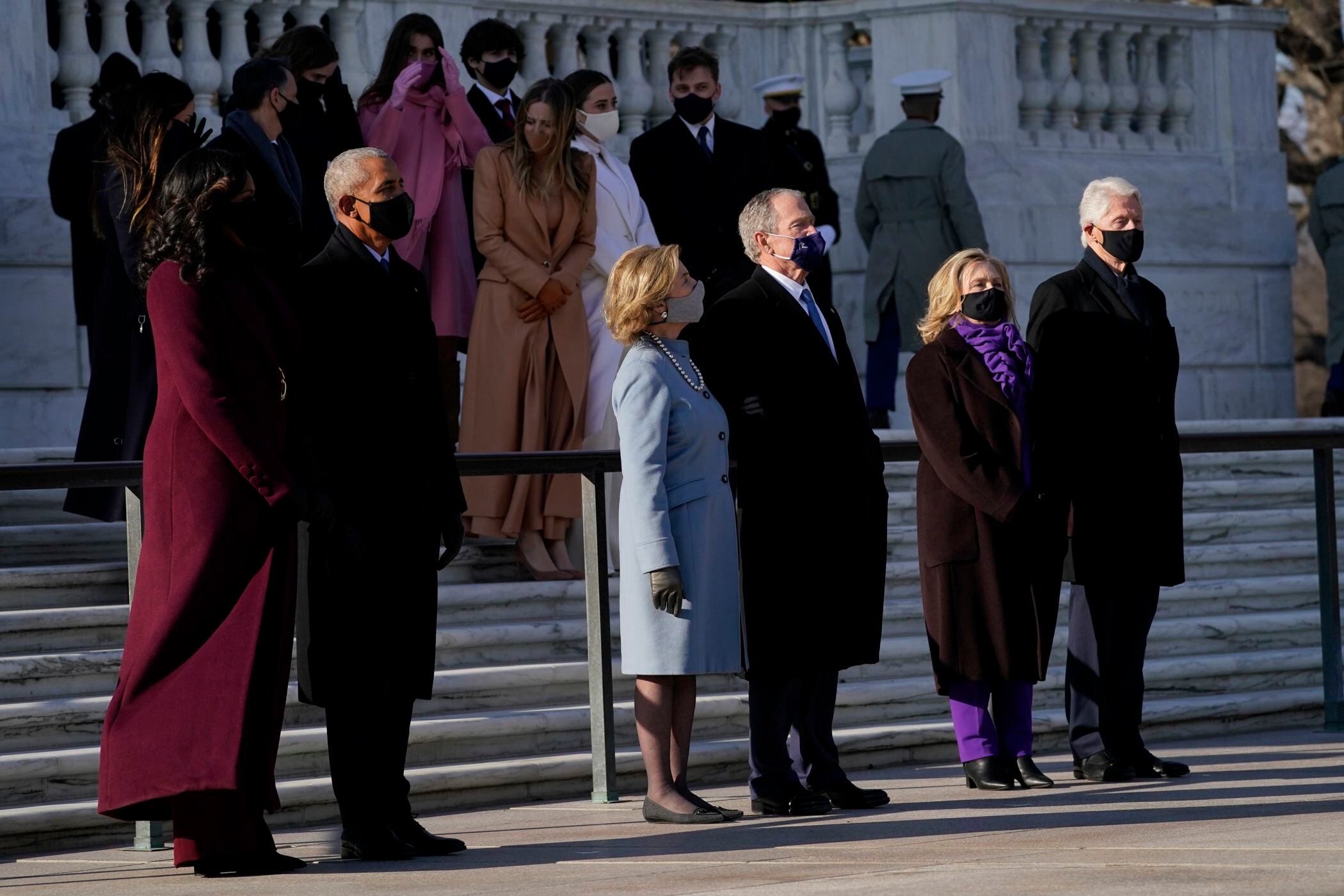
Four former presidents are urging Americans to get vaccinated as soon as COVID-19 doses are available to them, as part of a campaign to overcome hesitancy for the shots.
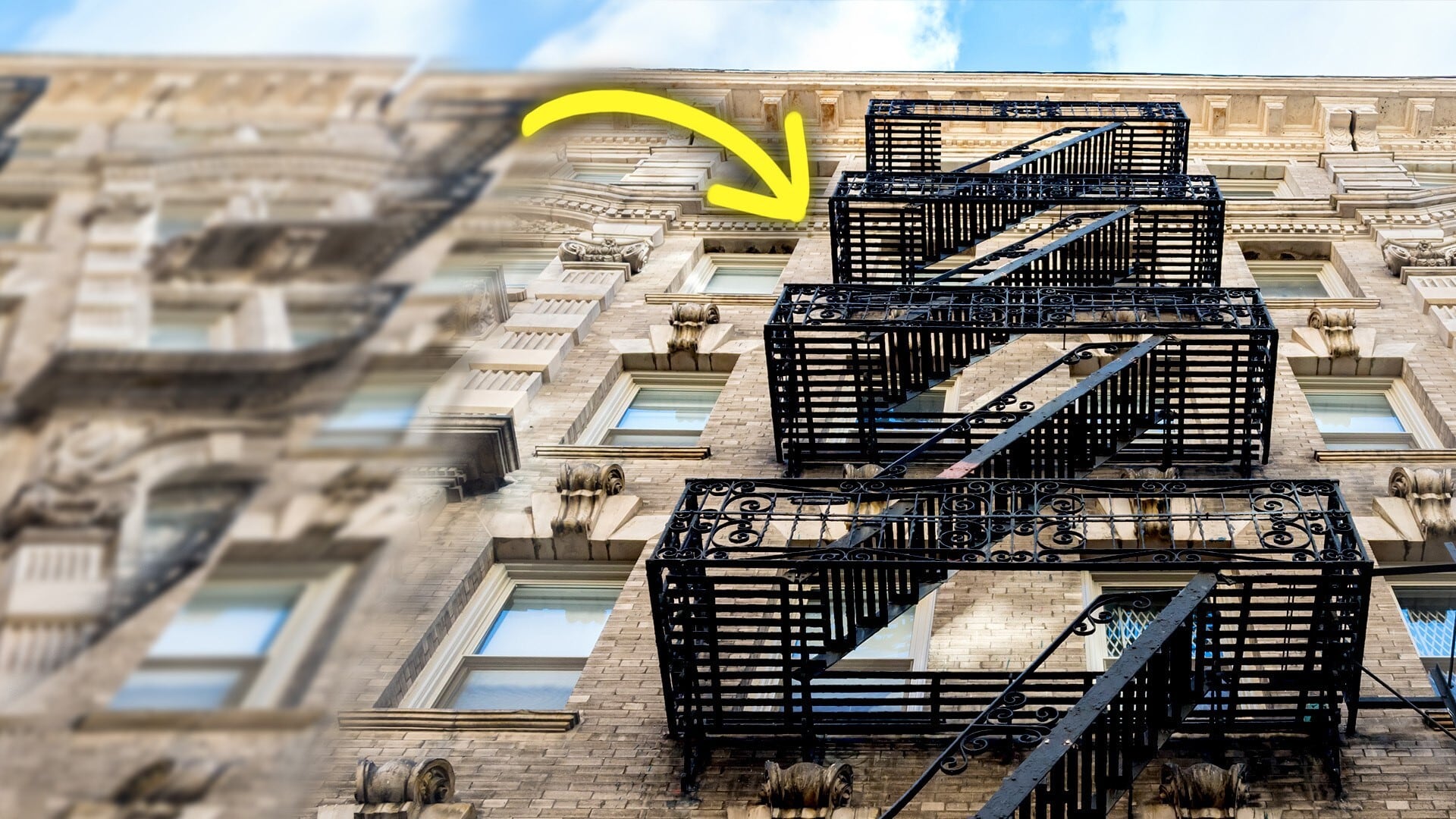
You can’t separate classic New York City architecture from the fire escape. They’re all over.
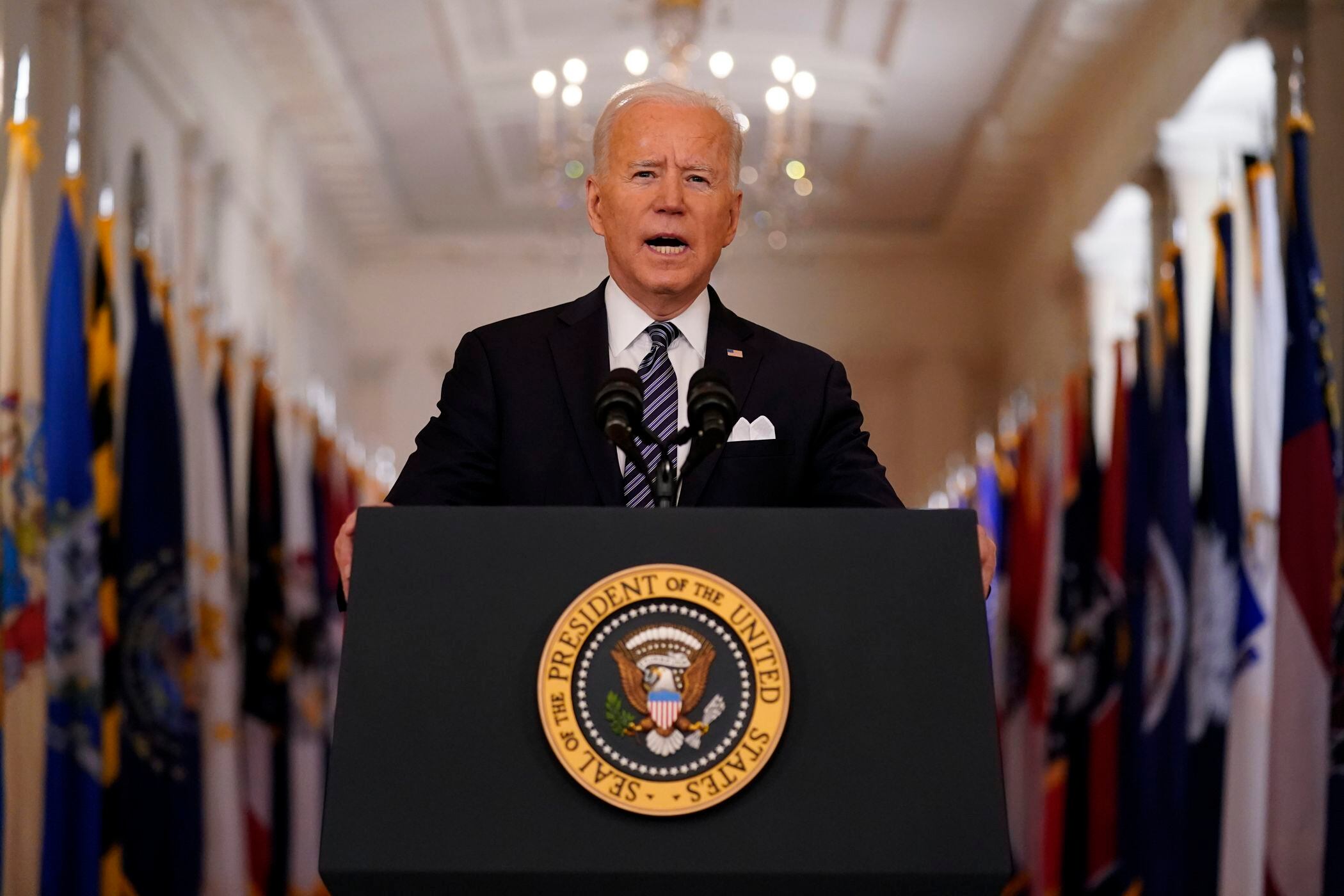
President Joe Biden is outlining his plan to make all adult Americans eligible for vaccination by May 1 and get the nation back “closer to normal” by the Fourth of July.
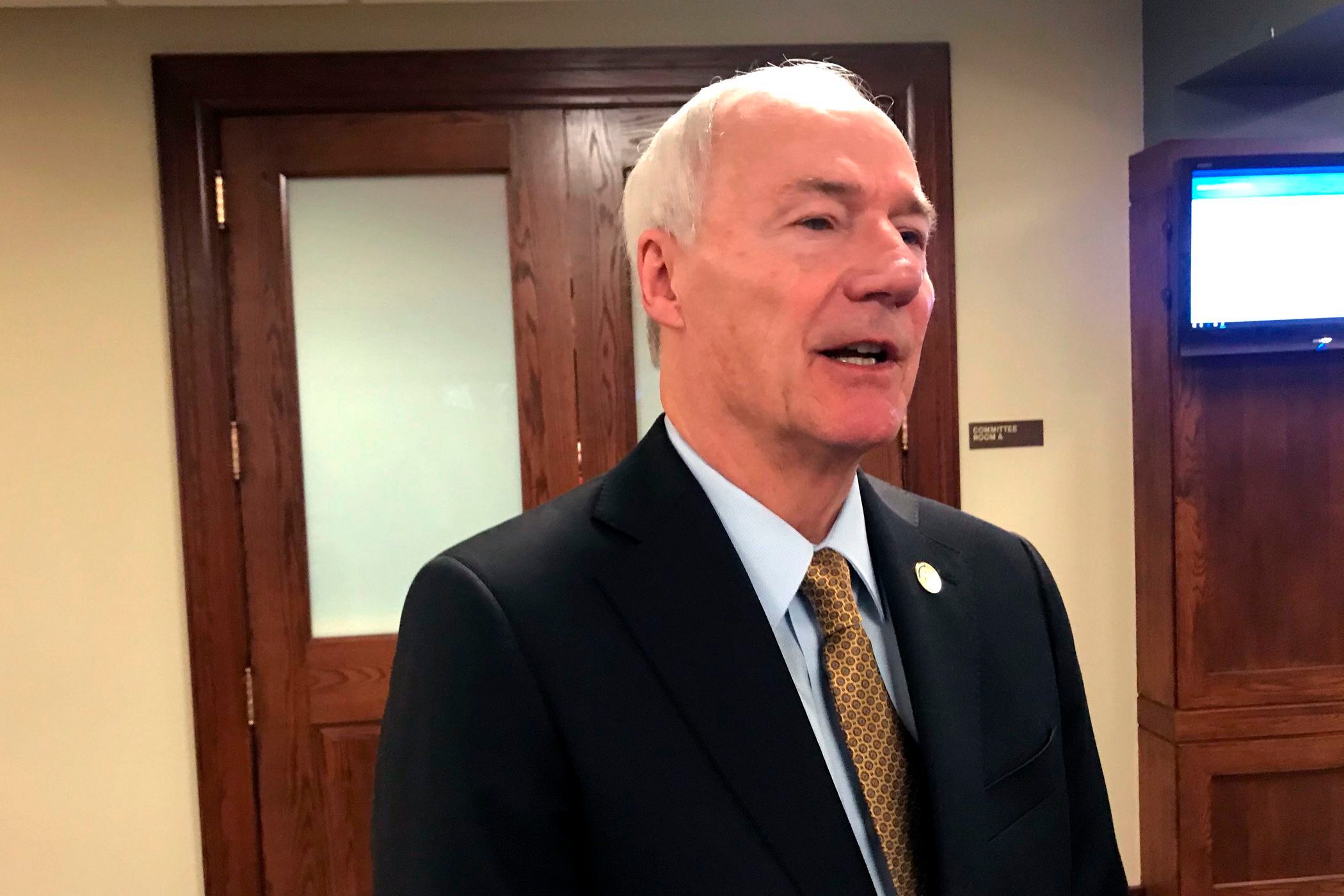
Arkansas Gov. Asa Hutchinson defended his decision to keep much of the economy, including schools, open during the pandemic., as well as signing a near-total abortion ban bill.
When the World Health Organization declared a pandemic one year ago on Thursday, it did so only after weeks of resisting the term and maintaining the coronavirus could still be stopped.
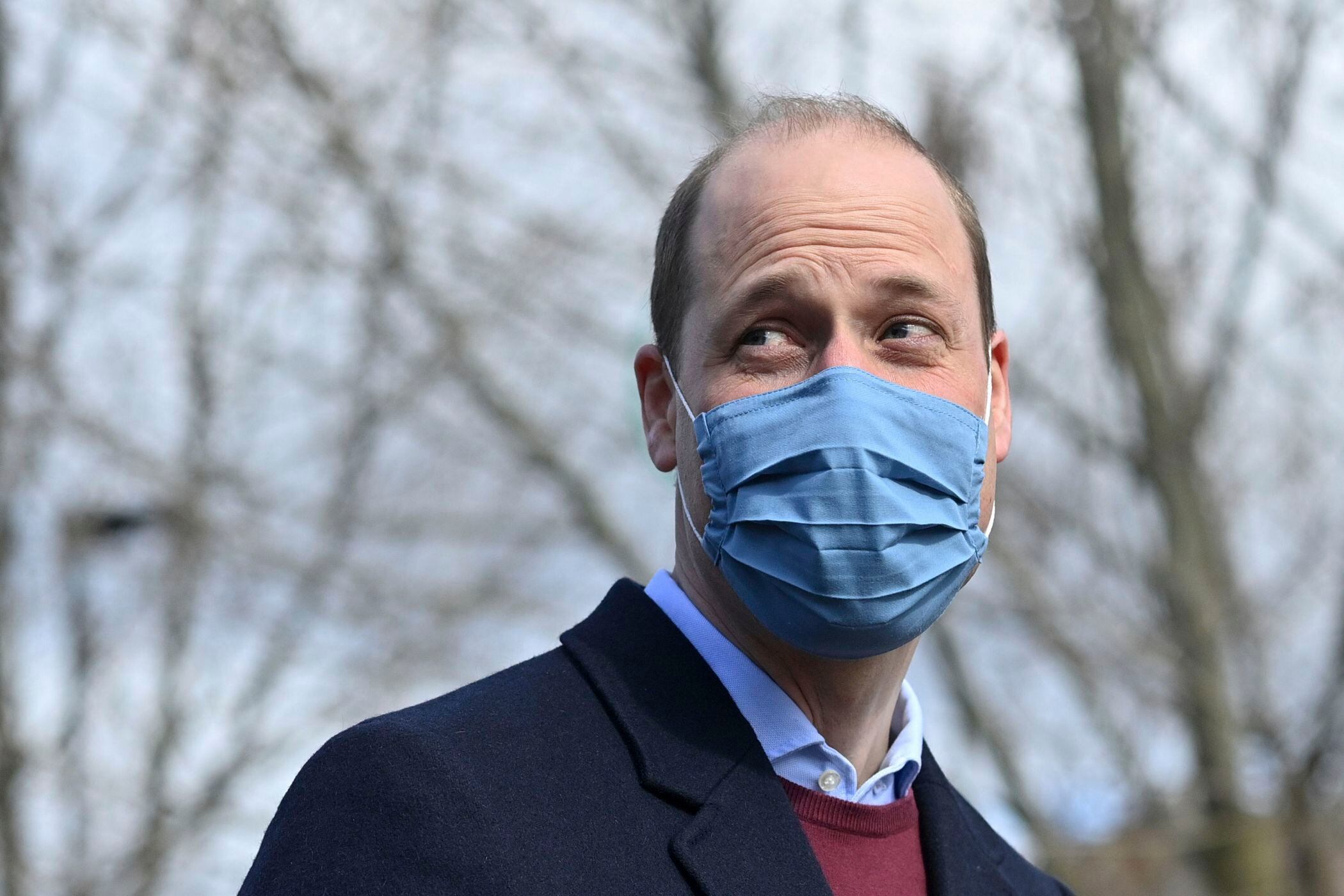
Prince William says that his family is not racist, becoming the first British royal to speak out about accusations of bigotry made by Prince Harry and Meghan, his brother and sister-in-law.
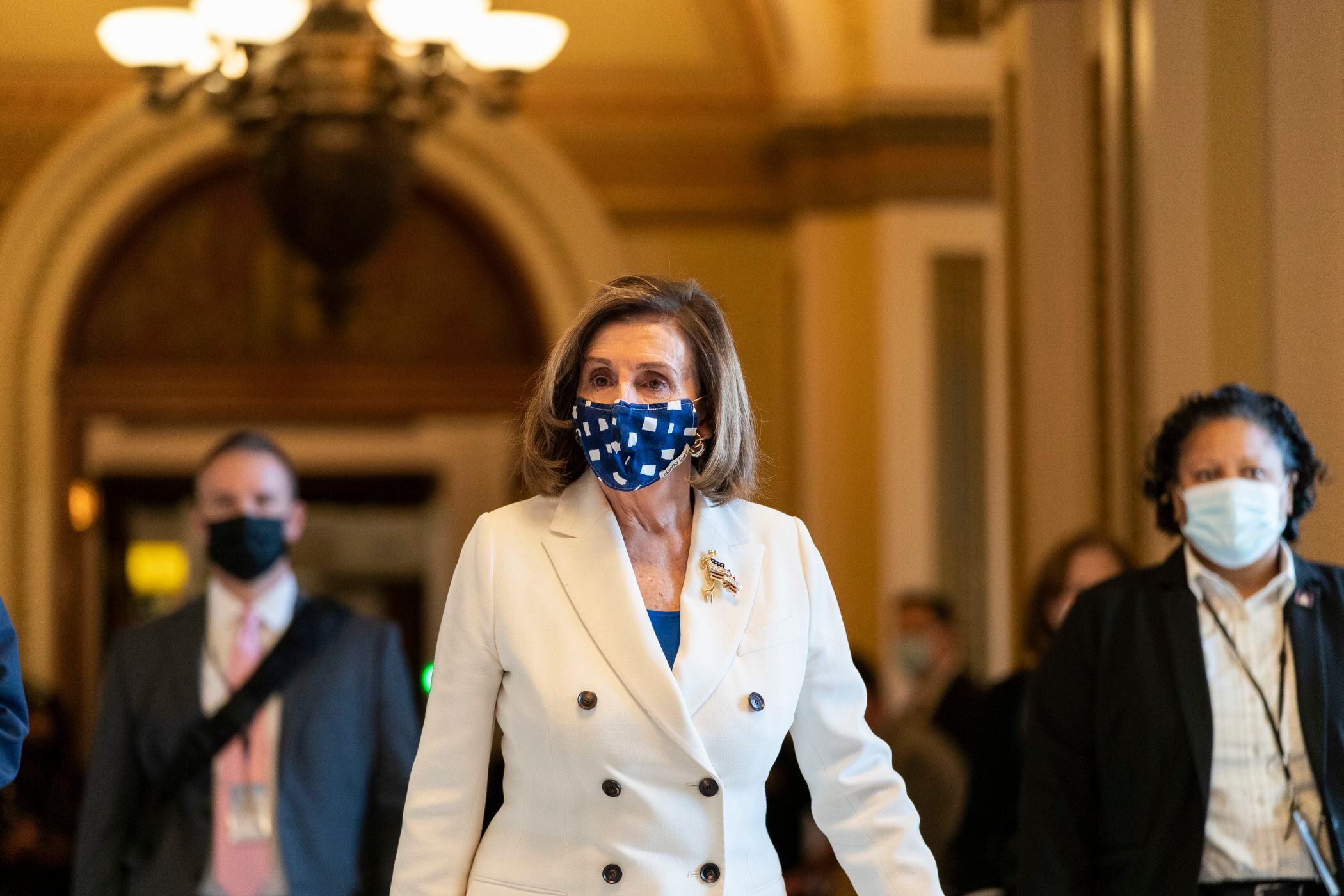
Congress has sent President Joe Biden the landmark $1.9 trillion COVID-19 relief bill.
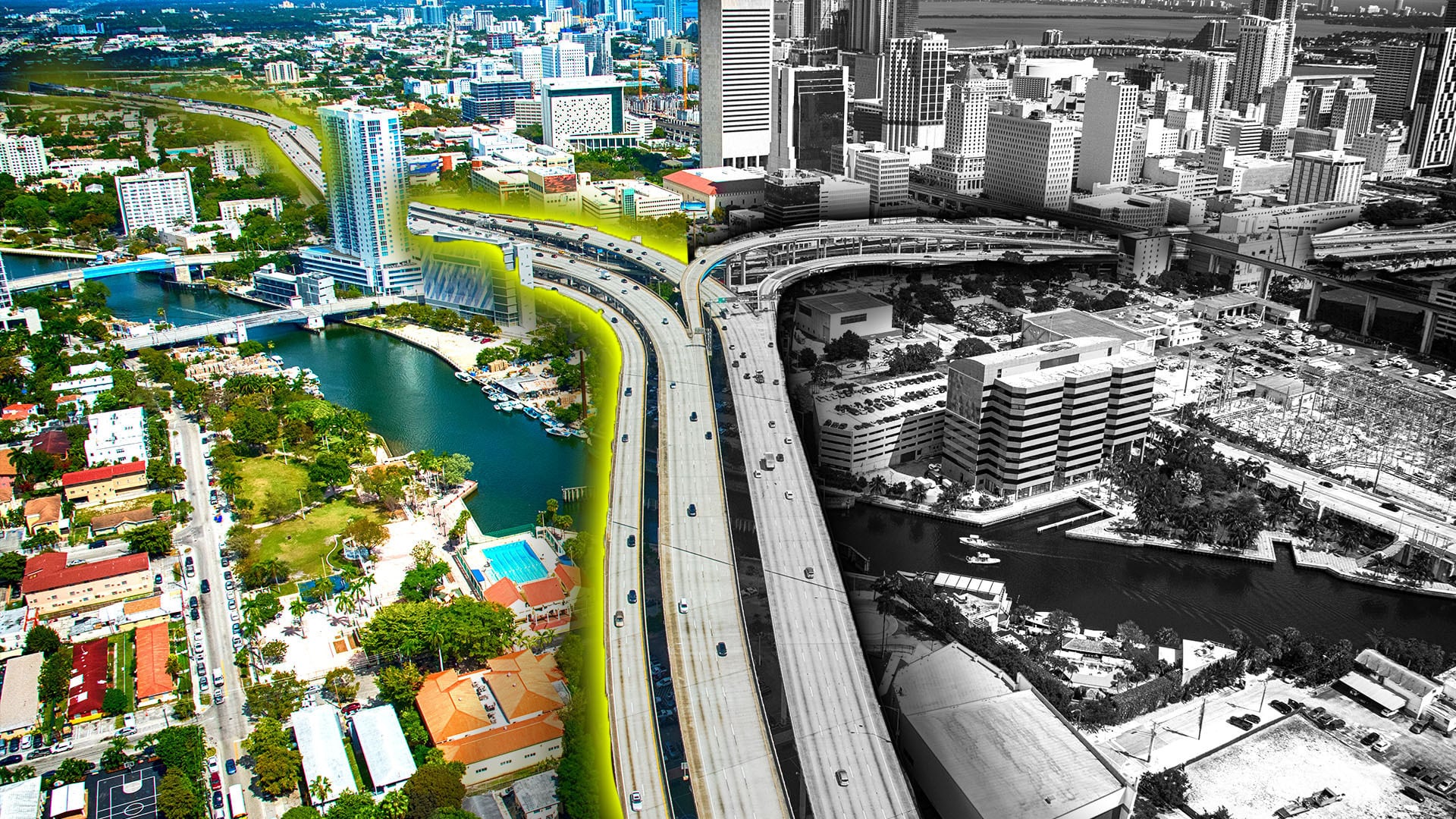
Eisenhower’s interstate system was the biggest infrastructure project of its time. What justified the cost was its potential to connect all corners of America, but the unforeseen impacts of the highway system seemed to do the opposite of the intention.
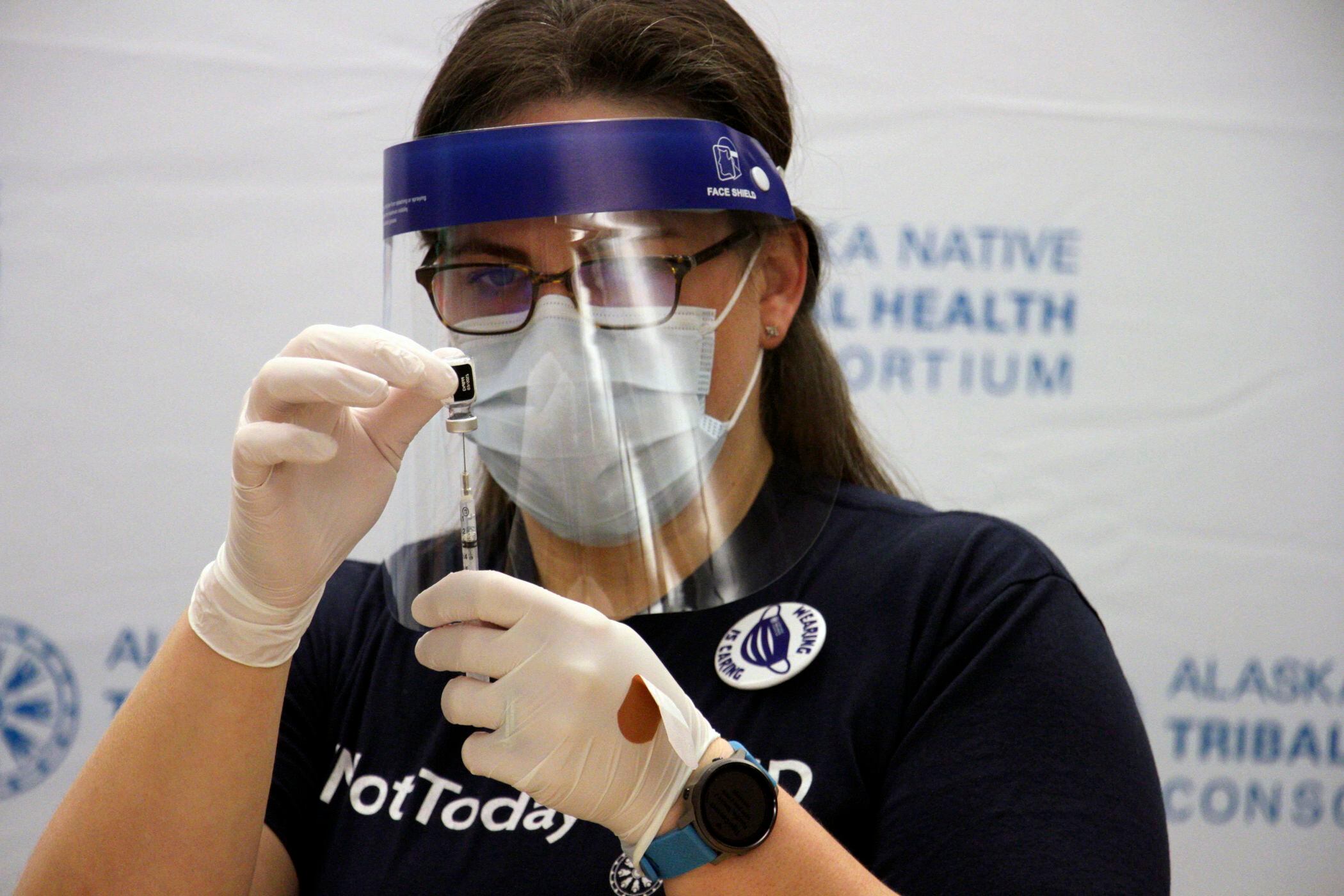
Dr. Anne Zink, chief medical officer for the state of Alaska, spoke to Cheddar about Alaska's remarkable task of getting COVID vaccines to a widespread populace even as the state opens up eligibility to nearly everyone.
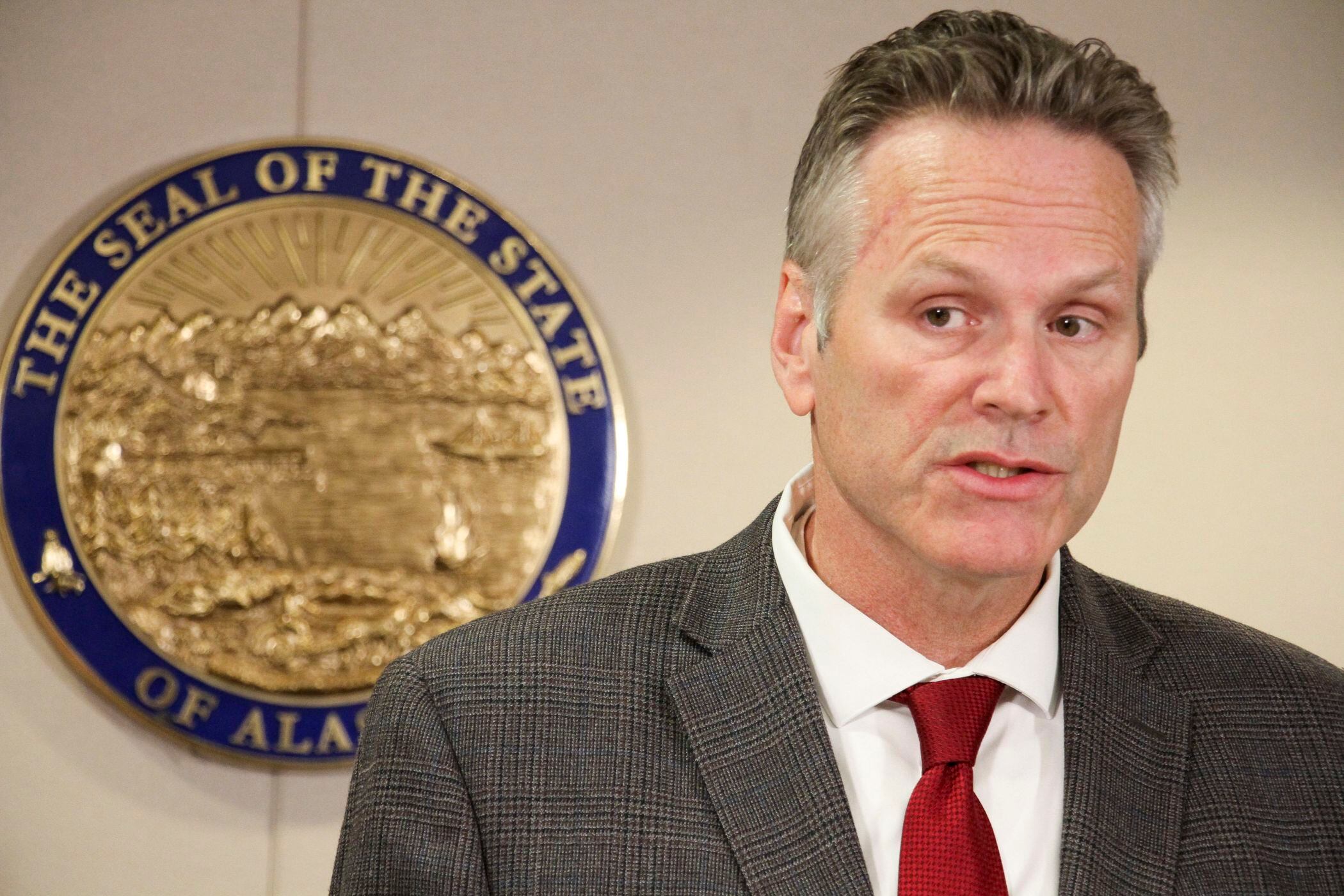
Gov. Mike Dunleavy says Alaska has become the first state to drop eligibility requirements and allow anyone 16 or older who lives or works in the state to get a COVID-19 vaccination.