In Vermont, the governor just signed a law allowing people to consume marijuana recreationally. The newly inaugurated governor of New Jersey has made it clear that he wants weed legalized.
But in neighboring New York, Gov. Andrew Cuomo -- an outspoken opponent of legalized marijuana -- has, well, appointed a task force to study the issue.
State Senator Gustavo Rivera, however, thinks that what is happening in the other states will inevitably lead New York to liberalize its laws.
"When something is legal in one state and not legal in another, you will have people crossing the border to go and get it," Senator Rivera said in an interview Tuesday on Cheddar's weekly "Cannabiz" show. "You see that with firecrackers; they're legal in many states but illegal in others. So certainly it can have an impact on what happens in one state, when people of that state go to another to acquire it, which is why, yes, there is pressure now."
Governor Cuomo has long argued that marijuana was a "gateway drug" that could lead to the use of other, more dangerous drugs. As recently as a year ago, he said, "I am unconvinced on recreational marijuana." His creation of a task force to study the legalization issues suggests that his views have softened, at least somewhat.
But Senator Rivera, a Democrat who represents portions of the Bronx, says the issue is pretty clear-cut. "Many of us are saying let's make sure that we do the right thing in the state of New York, that we push for recreational marijuana to exist in New York. It would be the right thing to do."
For full segment [click here](https://cheddar.com/videos/when-will-new-york-legalize-marijuana).
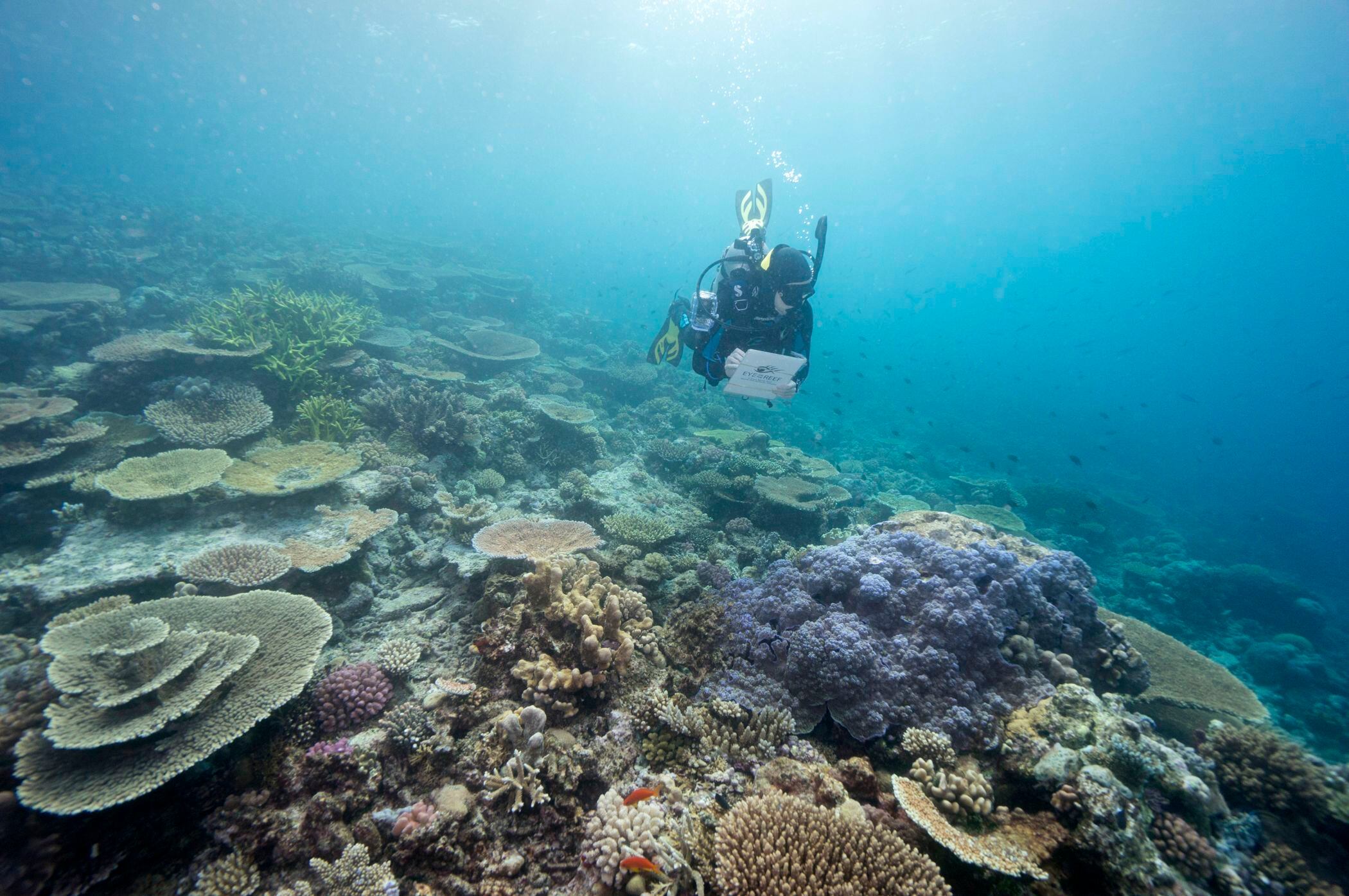
Australia has garnered enough international support to defer for two years an attempt by the United Nations’ cultural organization to downgrade the Great Barrier Reef’s World Heritage status because of damage caused by climate change.
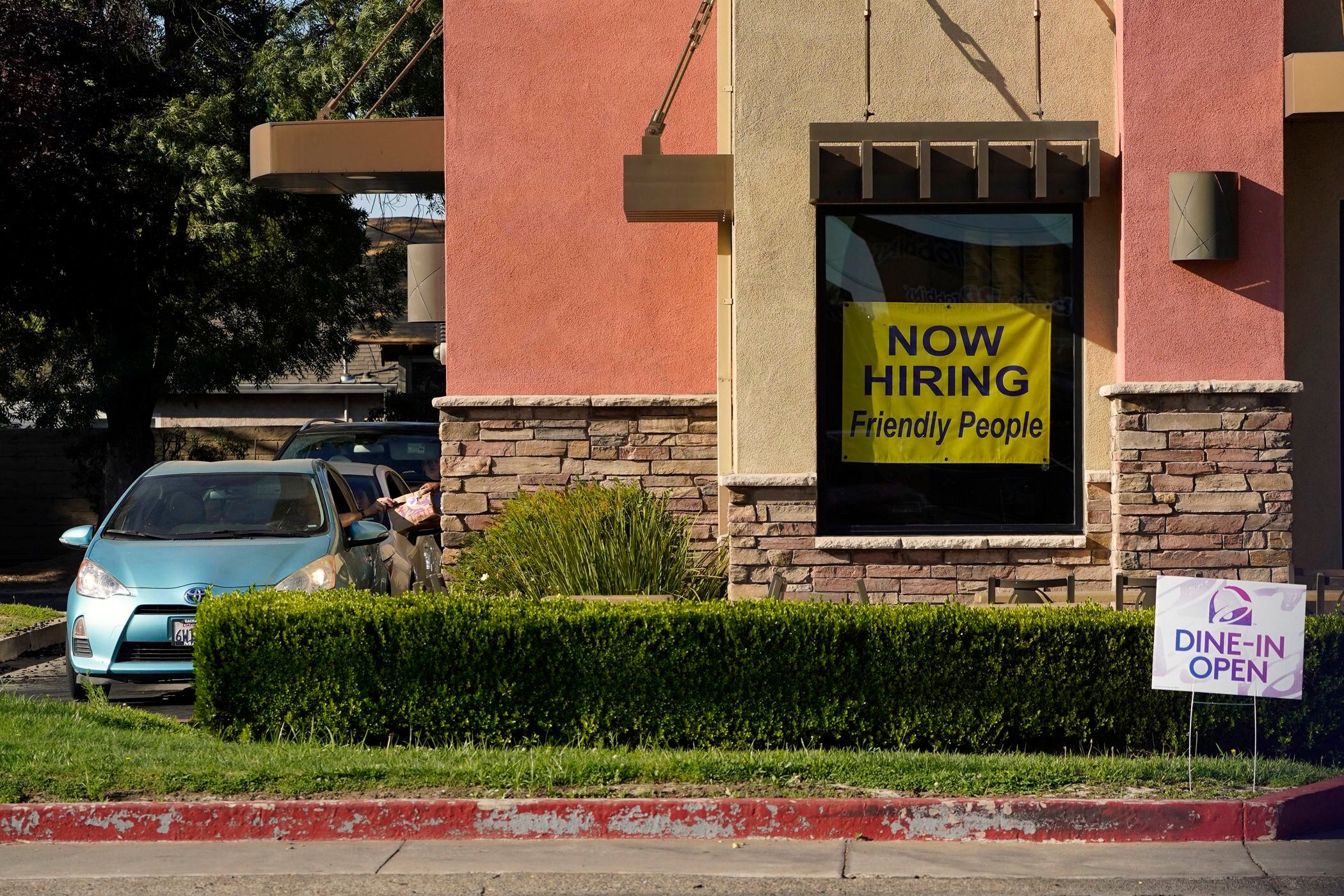
The number of Americans seeking unemployment benefits rose last week from the lowest point of the pandemic, even as the job market appears to be rebounding on the strength of a reopened economy
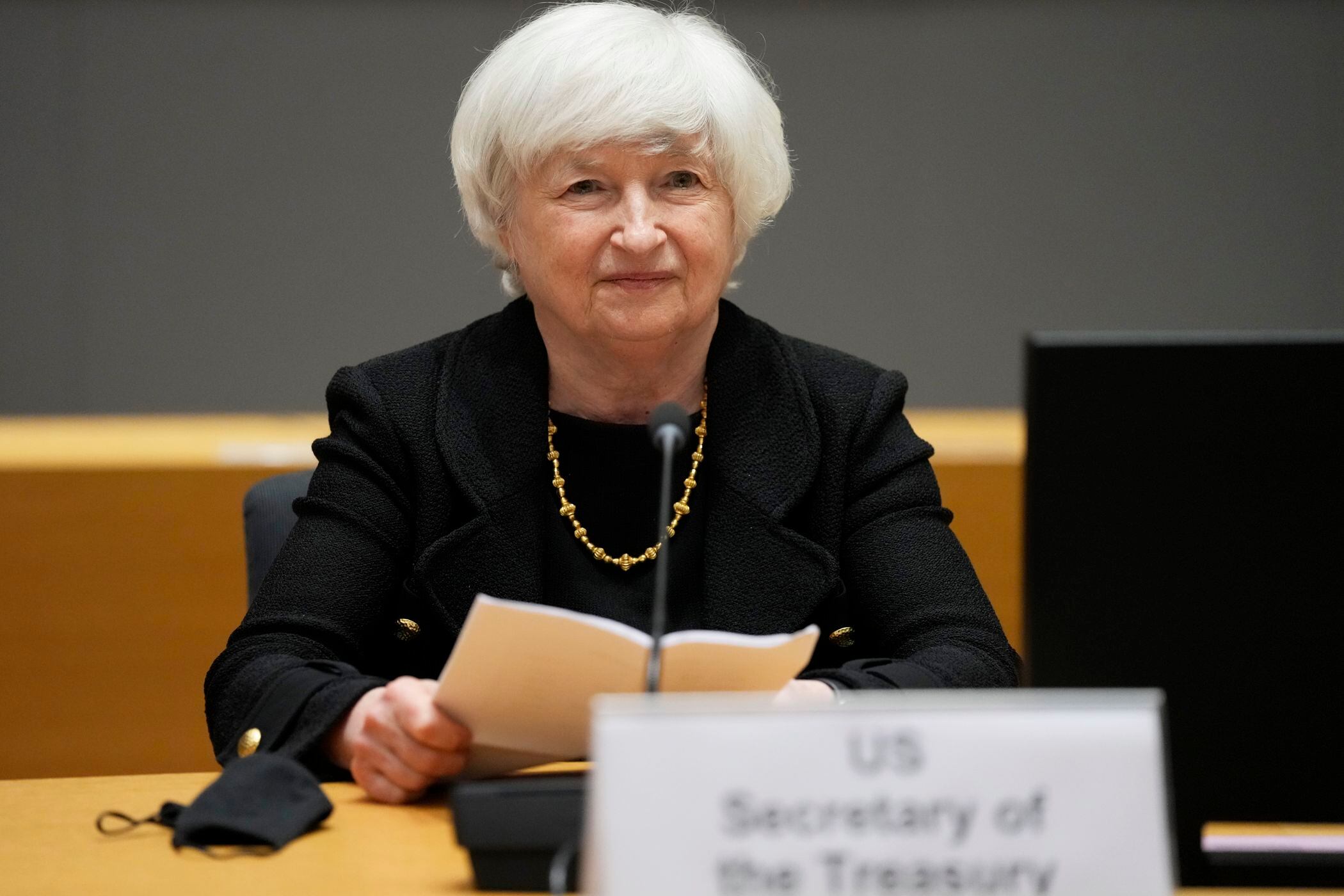
Dollar-pegged cryptocurrencies called stablecoins are on the rise, and U.S. regulators are taking notice.
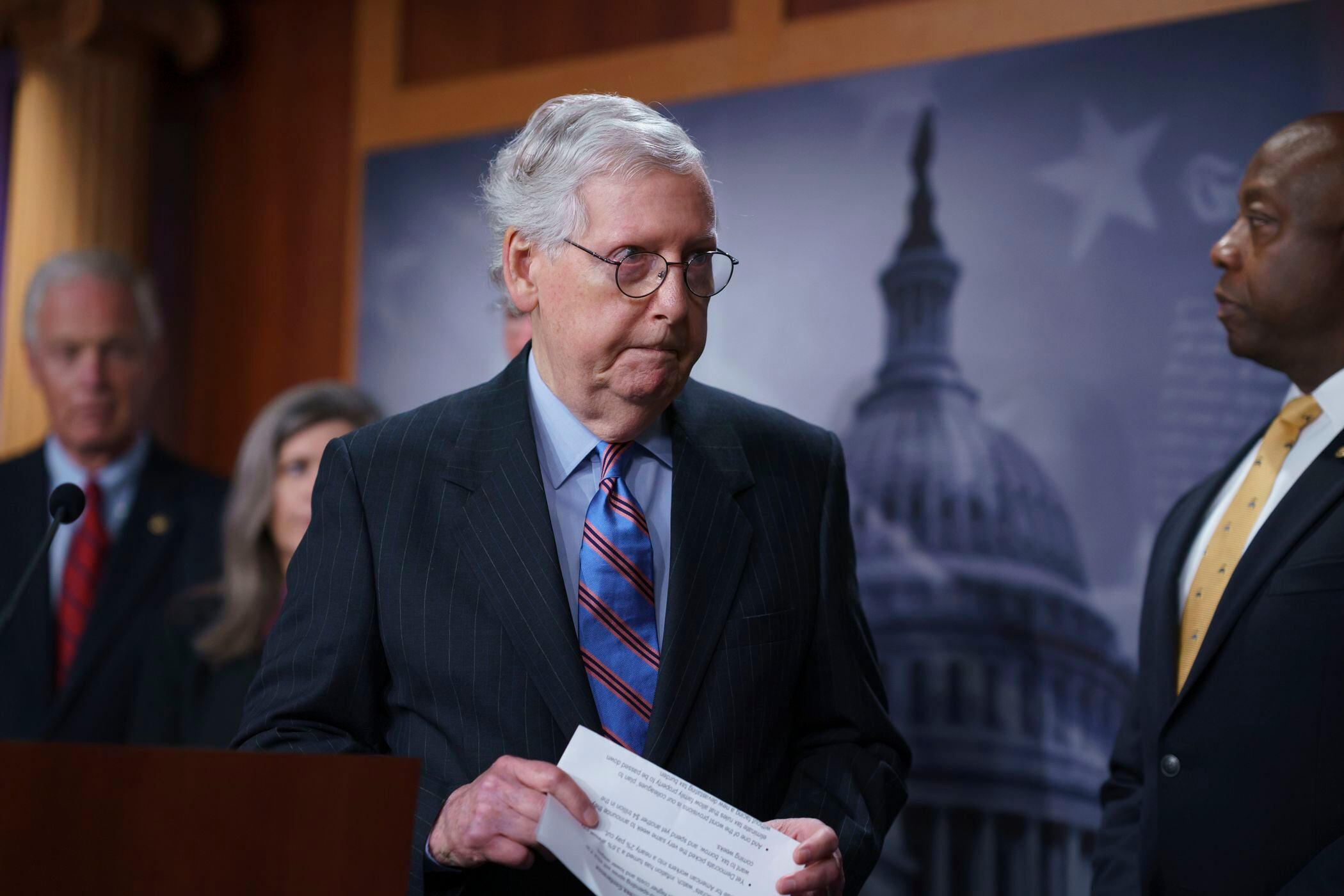
Senate Republicans have rejected an effort to begin debate on a bipartisan infrastructure deal that senators brokered with President Joe Biden.
While the Biden administration has been busy undoing some of former President Trump's legacy decisions, the latest military branch, the U.S. Space Force established in 2019, isn't going anywhere.
Israeli Prime Minister Naftali Bennett spoke to the head of Unilever after its subsidiary Ben & Jerry’s announced it would stop selling its ice cream in the Israeli-occupied West Bank and contested east Jerusalem.
Canada will begin letting fully vaccinated U.S. citizens into Canada on Aug. 9, and those from the rest of the world on Sept. 7.
The Biden administration is blaming China for a hack of Microsoft Exchange email server software that compromised tens of thousands of computers around the world earlier this year.
The State Department will offer rewards up to $10 million for information leading to the identification of anyone engaged in foreign state-sanctioned malicious cyber activity, including ransomware attacks, against critical U.S. infrastructure.
The U.S. government is starting to deposit child tax credit money into the accounts of more than 35 million families.