*By Alisha Haridasani*
Facebook said it will resume its process of reviewing third-party apps using new, tighter controls after the Cambridge Analytica scandal revealed holes in the social network's data privacy protocols.
“We’re going to be taking a higher level of expectation when we look at your applications,” said Ime Archibong, Facebook’s vice president of product partnerships, in his keynote speech Wednesday at Facebook’s annual developers' conference.
Facebook also announced that it will restrict the amount of data that apps have access to and enable users to see exactly what data is being used by third-party apps, or more easily delete apps they no longer use.
Facebook halted its review of all outside apps after it was revealed that users' data had been mishandled by a third-party app and shared with the research firm Cambridge Analytica.
The decision to suspend reviews ー and the changes ー frustrated some developers, who said their businesses was disrupted. But Archibong told Cheddar's Alex Heath in an interview Wednesday that most developers understand in “the long run that’s the right thing to do.”
“Facebook’s making these changes not because we’re trying to be hard or add more friction or be disruptive to the building process but truly to ensure that people trust the products that we’re building,” Archibong said.
For the full interview, [click here](https://cheddar.com/videos/behind-the-curtain-at-facebooks-f8-conference).
Why is the NYC subway platform so hot? One rider built his own sensor network to find out. We explore the geothermal fix the MTA is piloting right now.
As AI demand surges, LT350 is reimagining parking lots as data centers. Founder and CEO Jeff Thramann explains this innovative approach to AI infrastructure.
Deep Fission CEO Liz Muller discusses underground nuclear reactors, powering AI, cutting energy costs, and why the future of clean power may be below ground.
Quantum computing is moving from science fiction to national strategy. Infleqtion CEO Matt Kinsella explains Trump's new executive order and what it means.
Foundation Robotics co-founder Michael LeBlanc explains how humanoid robots are moving from the lab to military and industrial missions and what comes next.
Jeff Burnstein, President of the Association for Advancing Automation (A3), discusses humanoid robots, AI, smart manufacturing, and the future of U.S. industry.
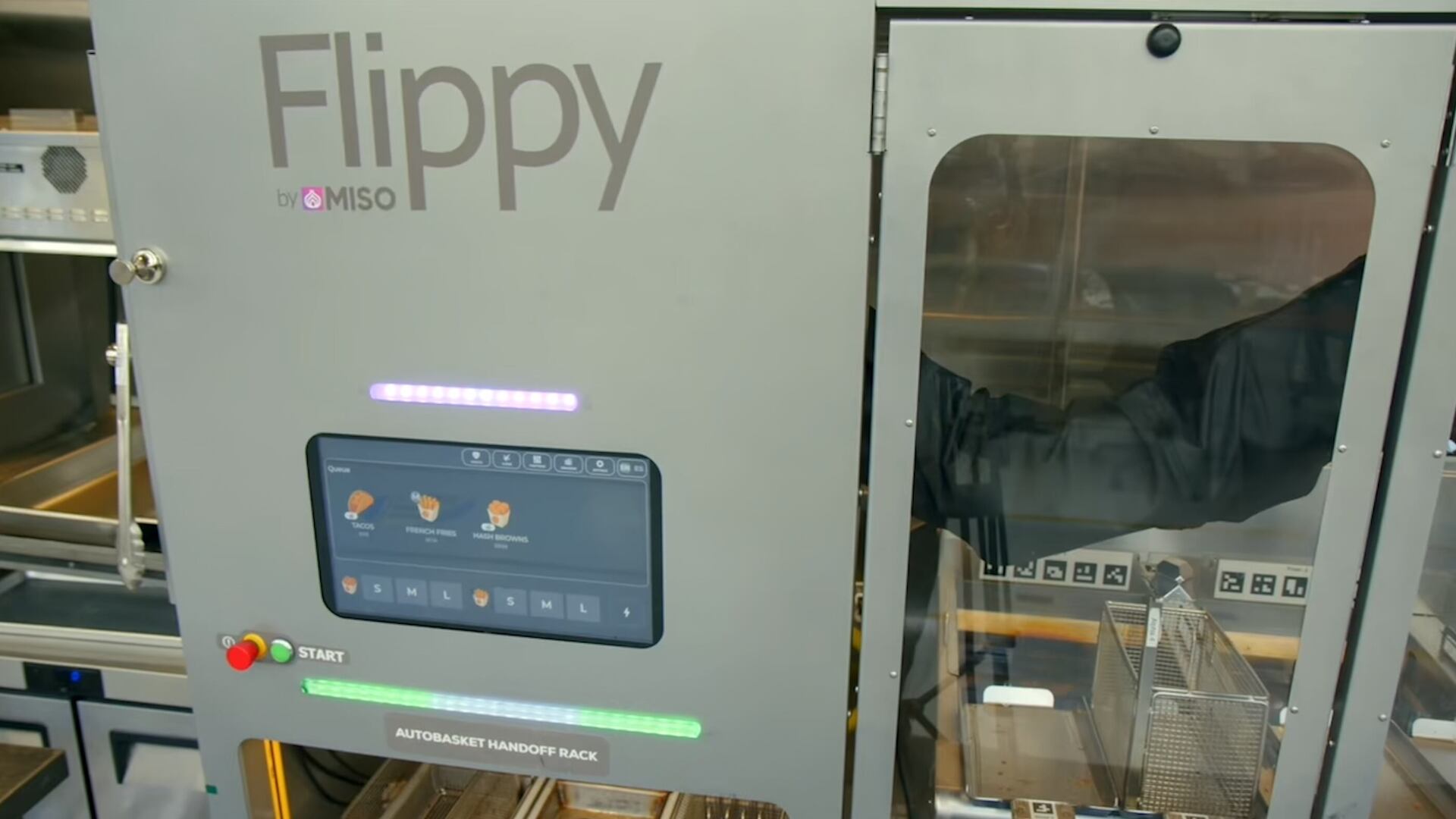
Miso Robotics CEO Rich Hull discusses Flippy Fry Station, the future of AI-powered restaurant automation and how acquiring Zume's IP could reshape food robotics