The non-profit organization Stop AAPI Hate is working to bring awareness to the rise in attacks against Asian and Pacific Islander Americans. The group just released data from thousands of incidents that were reported to the group throughout the United States last year. Now the group is calling on all Americans to join efforts to end discrimination against AAPI people, said Cynthia Choi, co-founder of the organization.
With President Donald Trump publicly blaming China for the spread of COVID-19, The non-profit reporting center was founded in 2020 as reports of crimes against Asian people began to increase. According to the data, nearly 3,800 incidents were reported to the group between March 2020 and February 2021, and Choi alleged that even this number is a vast misrepresentation of the entire picture.
"We’ve pretty much said from the very beginning that we know that people are underreporting on our site, and there’s definitely been an historic underreporting to law enforcement and government agencies, which is one of the reasons we started this reporting center," she said.
Though it's still too early to compare the entirety of 2020's stats to just two months of data from this year, Choi said incidents aren’t getting less intense. They are simply being reported less frequently for a myriad of reasons. She also noted that the incidents aren’t just limited to Asians being subjected to verbal and physical assaults on the streets, but they're "pervasive and systemic" and not all "hate crimes." According to the report, more than 35 percent of reports of discrimination happened at the site of businesses.
For Asian women, the issue has been even more prevalent as women, in general, tend to experience more harassment than men, and Choi said a short-term goal is to spread awareness about the Stop AAPI Hate reporting center so it has more data that would help establish plans to bring an end to these kinds of attacks.
"It’s very concerning that this is happening from across the country where we see reports from all 50 states including DC. We’re seeing, again, that these types of acts are really penetrating everywhere," she said.
Right now, the center accepts reports in 12 different languages.
The group also provides an outlet for people that do not identify as Asian to pitch in and use their reporting tool as well.
"We also have resources for people who are concerned about being directly targeted and also for those who witness individuals being targeted, not just Asians, but other groups that are being targeted because of what they look like, their gender — and how to do that safely," Choi said.
John Coffee, Law Professor at Columbia University, joined Closing Bell to discuss the latest obstacle in Elon Musk's attempted Twitter takeover, as the billionaire claims the company is hiding accurate information about the number of fake accounts on the platform.
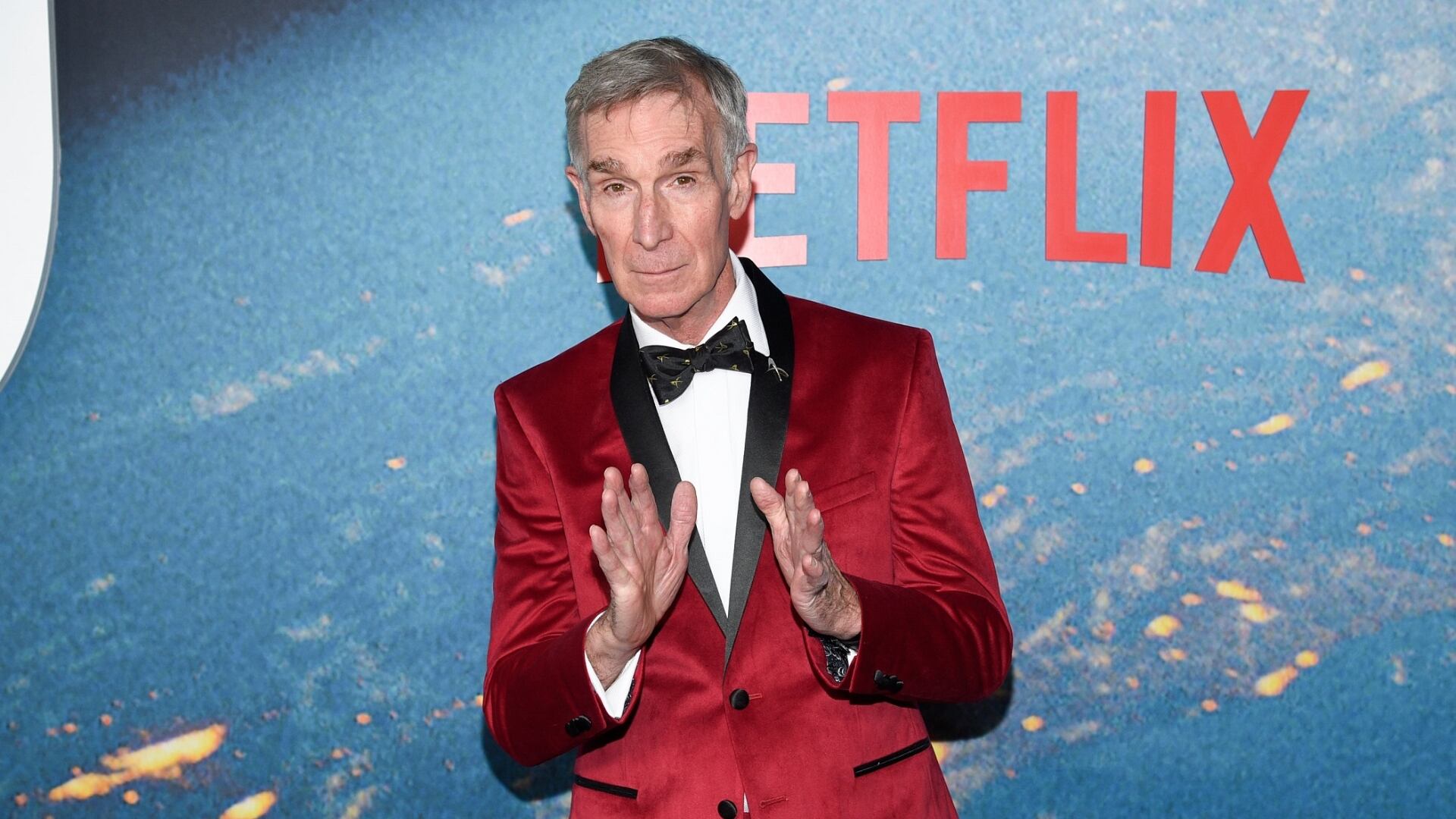
Bill Nye the Science Guy is back but on an even smaller screen. America’s favorite science teacher has racked up more than eight million followers on TikTok, and he joined Cheddar News to talk about his success on the platform, having fun but also being serious about scientific topics like tackling climate change, and his newest hosting project "The End is Nye," a streaming show on Peacock that examines disasters — both natural and manmade. "There are six episodes. We have big disasters. Things go terribly wrong, and then we show you how things could have gone right," he explained.
With the temperature heating up and summer around the corner, we're all enjoying the great outdoors once again. As much as you love a day at the beach, it's important to remember that the beautiful weather can take a toll on your skin if you aren't careful. Board-certified dermatologist Dr. Michelle Henry joins Cheddar News to discuss.
Catching you up on today's entertainment headlines with "Top Gun: Maverick" hitting $500 million at the box office, Queen Elizabeth II celebrating her Platinum Jubilee — with Paddington Bear, Mariah Carey being sued over her hit “All I Want For Christmas Is You," coverage from the MTV Music and Video Awards, and more.
The labor market continues to be hot, with job openings at record highs and jobless claims dropping by the thousands. While that's good news for workers, experts say it can add to inflation risks and make the Fed's job even harder when it comes to cooling inflation. José Torres, Senior Economist at Interactive Brokers, breaks down what a tight labor market means for the economy.
The labor market continues to be strong. The U.S. added 390,000 jobs in May, while the unemployment rate held steady at 3.6%. Julia Pollak, Chief Economist for ZipRecruiter, breaks down the latest data and what it means for the economy.
On today's Biz Breakdown, Musk invites more in-office mandates, you can now pay with Bitcoins for burritos at Chipotle, and 'All I Want For Christmas Is You' faces a new lawsuit.
Another incredibly deadly weekend with more gun violence breaking out across the U.S. and UK Prime Minister Boris Johnson faces a confidence vote today. Here is everything you Need2Know for Monday, June 6, 2022.