The Pill That Works Like Alcohol to Cure Hangovers
*By: Madison Alworth*
Thrive+ promises to cure your hangover before it even starts, replenishing lost vitamins and providing enzymes to your liver.
And if it seems like an idea dreamed up by a college student, that's because it was founded by one.
"It's technically classified as a dietary supplement," said Brooks Powell, CEO and Founder of Thrive+.
And, maybe surprisingly, he said the pill actually works like alcohol, the exact drug it is trying to counteract.
"It binds to the same brain receptor that alcohol binds to, which is called the GABBA A receptor, and by doing so it reduces short-term alcohol withdrawal ー which believe it or not, is the main reason you don't feel good the next day."
Powell started developing the product his sophomore year at Princeton.
He pitched his pills on ABC's "Shark Tank," but the investors shot him down. Mark Cuban's concerns centered around Powell's lengthy pitch and the science behind the product.
Powell explains, though, that the effectiveness of his multivitamin comes down to Dihydromyricetin, DHM, which mitigates alcohol withdrawal.
"We were the first company to start commercializing it for the use of a healthier and happier way to drink," said Powell.
Thrive+ officially launched 1 year ago, with 10-dose bottles retailing for [$29.99 apiece](https://decidethrive.com/).
To date, the company has pulled in $4 million in revenue, with $3.3 million of that coming in 2018 so far.
For the full interview, [click here](https://cheddar.com/videos/thrive-the-ultimate-hangover-cure).
Melissa Whitely, personal trainer for Life Time Fitness, spoke with Cheddar News about the importance of recovery following a tense workout session. "If we're not going through the proper recovery methods, we can have undue pain, discomfort, tightness in our muscles and all those other things we can avoid," she said.
Dr. Payel Gupta, medical director of allergy, asthma, immunology & ENT for LifeMD.com, joined Cheddar News to discuss some tips on how to cope with allergy season. "With the warmer temperatures, we're seeing that the seasons arrive sooner and actually last longer, and also the elevated CO2 levels actually cause the plants to release more pollen," she said.
A new survey from the National Council for Mental Wellbeing shows that four in five behavioral health workers were concerned that labor shortages in their field “negatively impact society as a whole.”
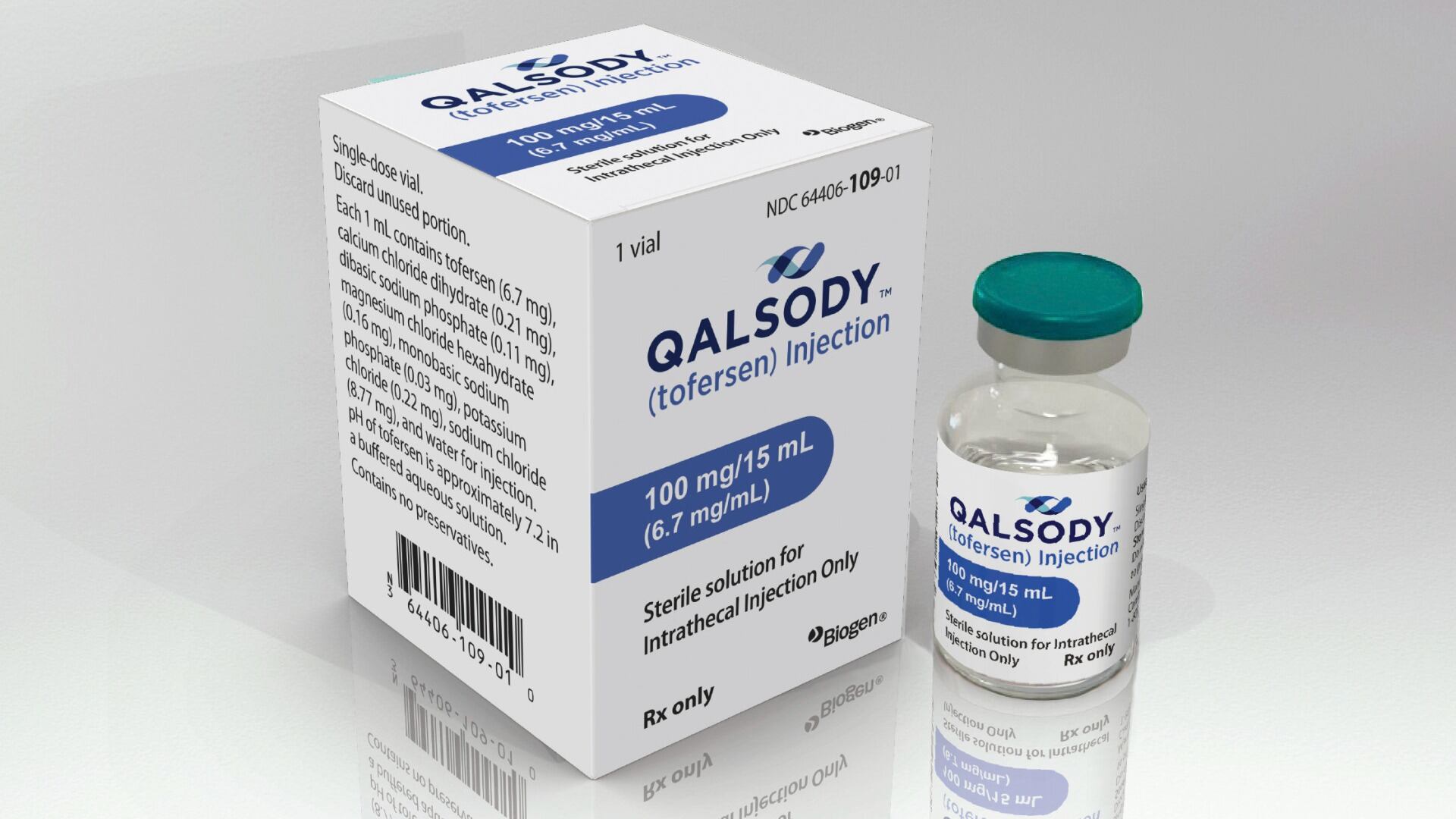
Food and Drug Administration regulators on Tuesday approved a first-of-a-kind drug for a rare form of Lou Gehrig’s disease, though they are requiring further research to confirm it truly helps patients.
A Japanese company's attempt to land a spacecraft on the moon has apparently failed. Flight controllers lost contact Wednesday with the lander after it descended from lunar orbit, aiming for the dusty surface.
The Supreme Court on Friday preserved women’s access to a drug used in the most common method of abortion, rejecting lower-court restrictions while a lawsuit continues.