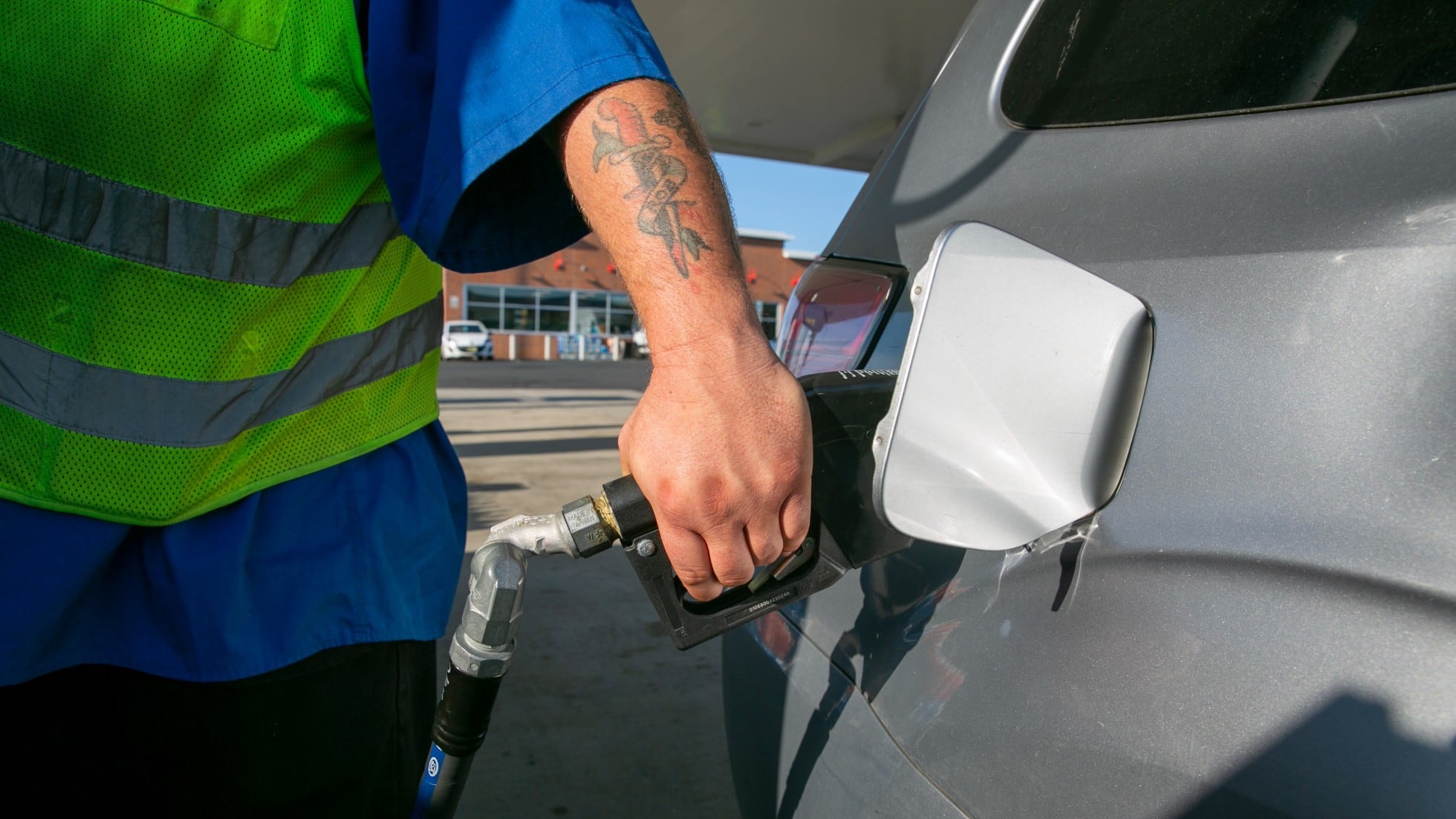
A gas station employee pumps gas into a vehicle at a Sunoco station in Wall Township, New Jersey, on the Garden State Parkway on Friday, July 22, 2022. (AP Photo/Ted Shaffrey)
By Wayne Parry
New Jersey will prohibit the sale of new gasoline-powered vehicles by 2035 as part of an effort to improve air quality and reduce planet-warming pollutants, officials announced Tuesday.
A rule that will take effect Jan. 1 commits the state to an eventual move toward zero-emission vehicles, the state Department of Environmental Protection said in a news release.
It is one of a growing number of states to do so, including California, Vermont, New York, Washington, Oregon, Massachusetts, Virginia, Rhode Island, Maryland and Connecticut, according to Coltura, a Seattle-based nonprofit advocating for an end to gasoline vehicle use.
New Jersey will start limiting the amount of new gasoline-powered cars that can be sold in the state starting in 2027, eventually reaching zero in 2035.
The move does not prohibit ownership or use of gasoline-powered cars, not does it force consumers to buy electric vehicles, the DEP said. It will not prohibit the sale of used cars powered by gasoline, and consumers would still be free to purchase gas-fueled cars elsewhere and bring them into New Jersey, as long as they met certain emissions standards.
“The steps we take today to lower emissions will improve air quality and mitigate climate impacts for generations to come, all while increasing access to cleaner car choices,” said Phil Murphy, the state's Democratic governor.
"Cleaner cars and trucks mean cleaner air for our children and families, because the tailpipes of our own vehicles are a leading cause of poor local air quality,” said Shawn LaTourette, the state's environmental protection commissioner. “As New Jersey transitions to a zero-emission vehicle future, we will improve our quality of life and public health. At the same time, we will reduce climate pollutants from the transportation sector, the greatest source of planet-warming pollution in New Jersey and the nation.”
The rule has been hotly opposed by business groups since word that the state was moving to implement it started circulating earlier this year.
Ray Cantor, an official with the New Jersey Business and Industry Association, said over 100 business, labor and other groups have sent nearly 10,000 letters to state legislators “asking them to step in to stop a proposed DEP rule that will ultimately mandate what type of car residents can drive, and in some cases, if they can afford to drive.”
“This ban of the sale of new gas-powered cars in such an expedited time does not take costs or feasibility into account," he said. “It does not take the lack of local and highway infrastructure into account. It does not take grid capacity into account. It ignores consumer choice. It doesn’t take New Jersey residents into account, especially low- and moderate-income families.”
Environmental groups hailed the decision.
"This is a huge win not only for the environment, but for public health and the communities who suffer every day from the pollution from congested roadways,” said Anjuli Ramos-Busot, director of the New Jersey Sierra Club.
“The electric vehicle revolution is upon us, and the benefits are far-reaching — even for those who never plan to get behind the wheel of an EV," added Kathy Harris, an official with the Natural Resources Defense Council.
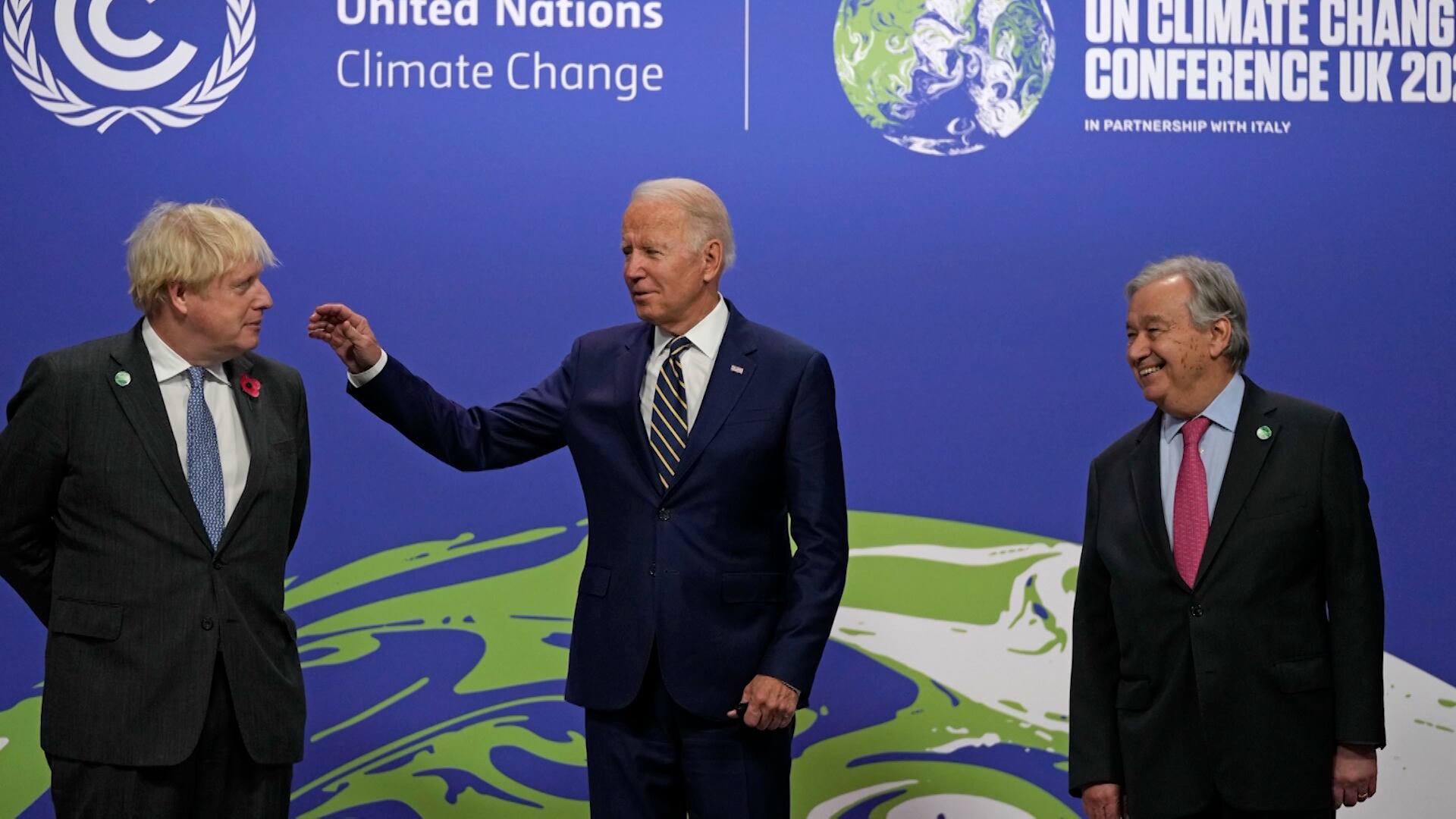
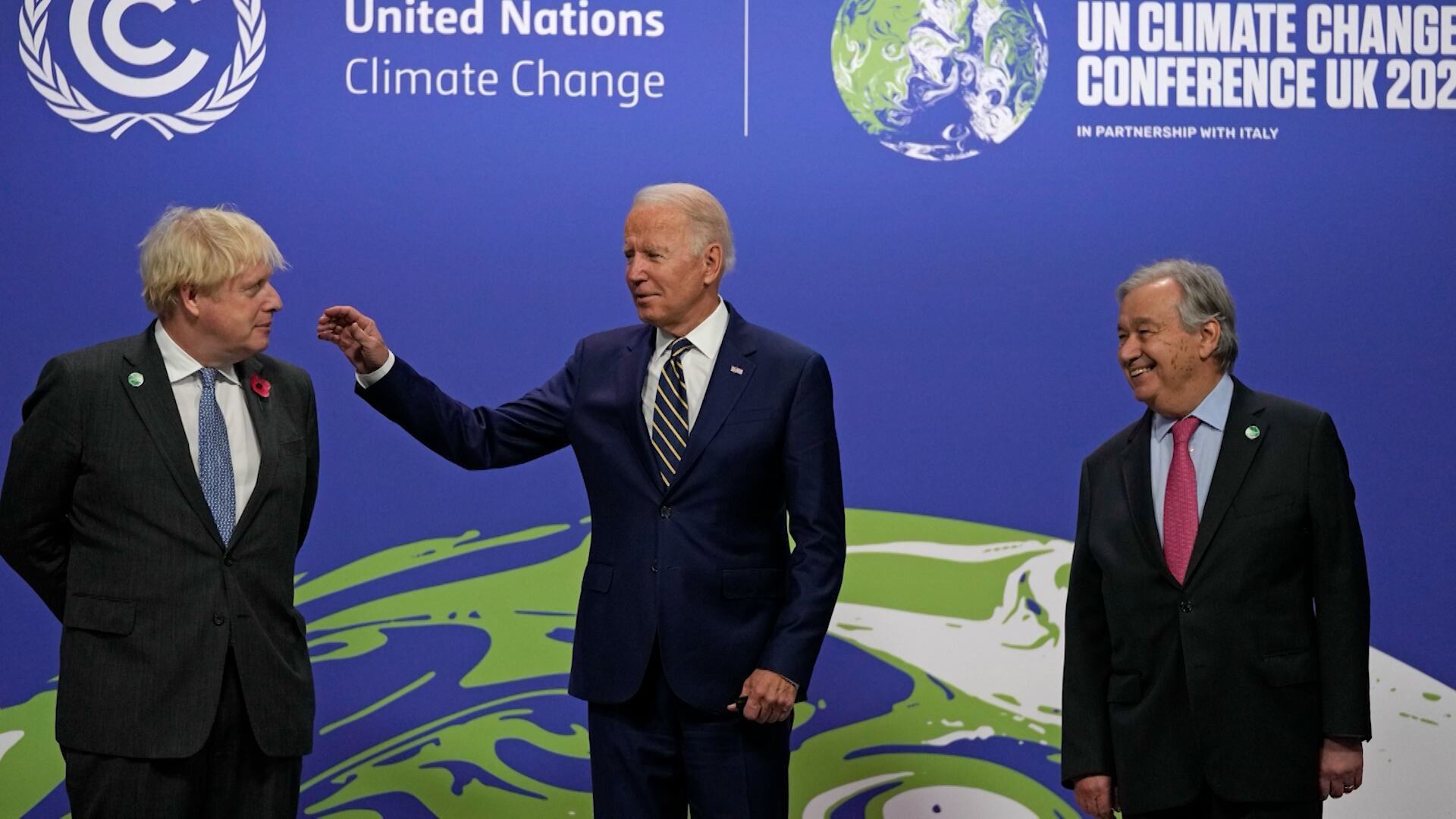
The two-week COP26 climate conference has now ended with leaders reaching a deal, but so far the deal is getting mixed reviews from climate experts across the globe. Chloe Demrovsky, president and CEO of Disaster Recovery Institute International, explains that while the agreement is a step forward in some ways, the world still has much more to work on in order to keep warming to below 2 degrees Celsius.
Jill and Carlo cover the latest with the infrastructure bill, the growing state rebellion over boosters, Trump's dereliction of duty on the pandemic, Taylor Swift's reign of cultural domination and more.
Aurora Cannabis CEO Miguel Martin joins Cheddar News' Closing Bell to discuss the company's latest earnings results, how it will achieve positive EBITDA by 2023, and the state of the cannabis industry amid potential U.S. federal legalization.
Moderna is defending its COVID-19 vaccine after a study found an increase in reports of myocarditis, which is an inflammation of the heart, in males ages 12 to 29 — about 13.3 cases in every 100,000 subjects. The pharmaceutical giant said the benefits of the vaccine outweigh the risk of the possible negative side effect.
The parent company of North Face, Vans and Supreme, VF Corp, released its fourth annual "Made for Change" sustainability and responsibility report. It details the company's ongoing efforts to tackle social and climate related issues. This comes as climate experts continue to warn about the dangers of fast fashion and its impact on global CO2 emissions. Sean Cady, Vice President of Global Sustainability, Responsibility and Trade at VF Corporation, joins Cheddar News to discuss.
A jam-packed Freitag pod with Carlo and Baker: new Covid hotspots, Kyle Rittenhouse trial, Belarus making trouble for Europe, red-hot housing market, and how to manage a PR crisis the right way.
As the UN climate conference is set to wrap this week, we take a look at pledges that world leaders have signed onto so far and the most important developments to come out of COP26. Sandeep Pai, Senior Research Lead at the Just Transition Initiative, joins Cheddar Climate to discuss the most important global initiatives and biggest pledges made by global leaders, and whether or not they can truly make an impact if two of the world's biggest economies, China and Russia, did not attend and are not fully committed to major climate initiatives.
A group of health experts from around the world is issuing a dire warning about the climate crisis, saying that climate change is the greatest global health threat facing the world this century and is set to become the 'defining narrative of human health.' The Lancet medical journal stated that warning in its annual report, along with a policy brief for the United States detailing actions the country can take to stop millions of unnecessary deaths. Director of Climate for Health at EcoAmerica Rebecca Rehr joined Cheddar Climate to discuss.
The COP26 summit in Scotland is in its final days, and the U.N. has just released a draft of an agreement for more than 200 world leaders to sign on Friday. The draft urges nations to set more aggressive goals in cutting emissions, while also calling for coal to be phased out. Chloe Demrovsky, President and CEO of Disaster Recovery Institute International, joins Cheddar News to discuss this agreement.
SpaceX and NASA have collaborated on another successful launch sending four astronauts to the international space station. The international crew will stay in orbit aboard the ISS for six months.