With Senate races now called for Georgia Democrats Rev. Raphael Warnock and Jon Ossoff, it marks the second time in two months that voters flipped the historically red state to blue.
A surge in Black voter turnout, largely due to efforts by Stacey Abrams' Fair Fight coalition and the New Georgia Project, is credited with helping Warnock become the state's first Black senator.
Nsé Ufot, CEO of the New Georgia Project, said the road to the Democratic wins in Georgia was no easy feat, and in fact, the group faced adversity from the highest levels.
"Probably the largest challenge that we've had to face is a hostile state government. A hostile secretary of state and, in some instances in some counties, hostile board of elections officials who are not excited about our work to expand Georgia's voter rolls," she said.
Boosting morale, according to Ufot, around the voting process was also a huge hurdle to clear, particularly after voter rolls were purged, mainly of Black and minority voters, before Georgia's 2018 gubernatorial race, and more recently, challenges to the results that forced two recounts of the 2020 presidential election results.
"When they voted for [former State House Minority] Leader Abrams when there were literally hundreds of thousands of new voters who came out to vote, and they watched an election be stolen, and they watched no one be held accountable for it, it was really hard to get people to believe in the power of their vote or that their vote would actually count," she said.
According to Ufot, the Warnock and Ossoff wins left her "feeling vindicated" but said the work is not yet done, and having "high-quality conversations" with voters about the issues that matter has to remain a priority to continue boosting voter turnout.
"We need to make sure that we vigorously defend the voting rights laws that are on the books right now and stop any attempt to attack them, as is already being telegraphed by Georgia's secretary of state and Republican leadership," Ufot noted.
Updated January 8, 2021 at 10:00 am ET to remove Stacey Abrams' name from headline. To clarify, Abrams started the organization but has not been actively involved with the New Georgia Project for several years.
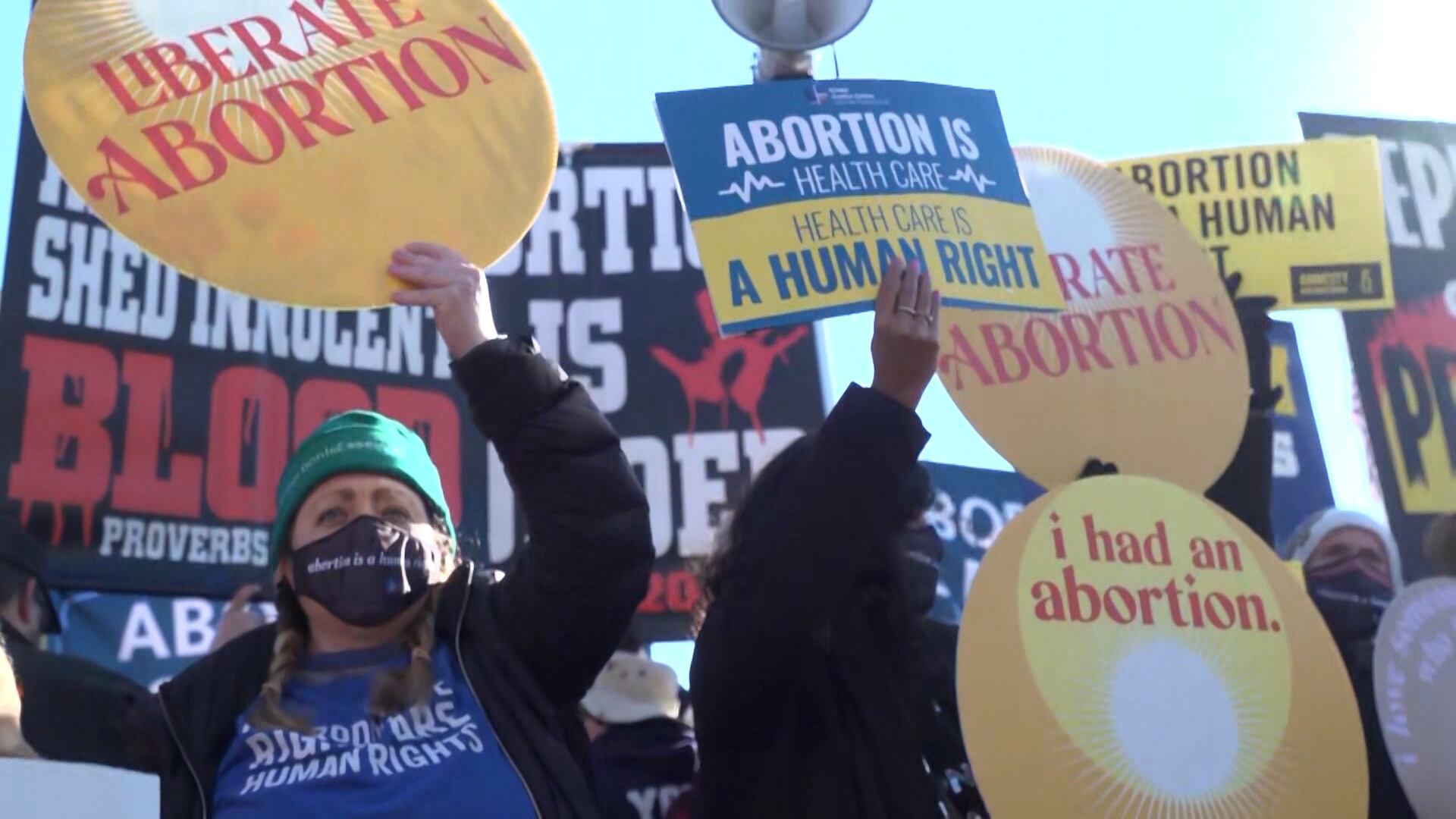
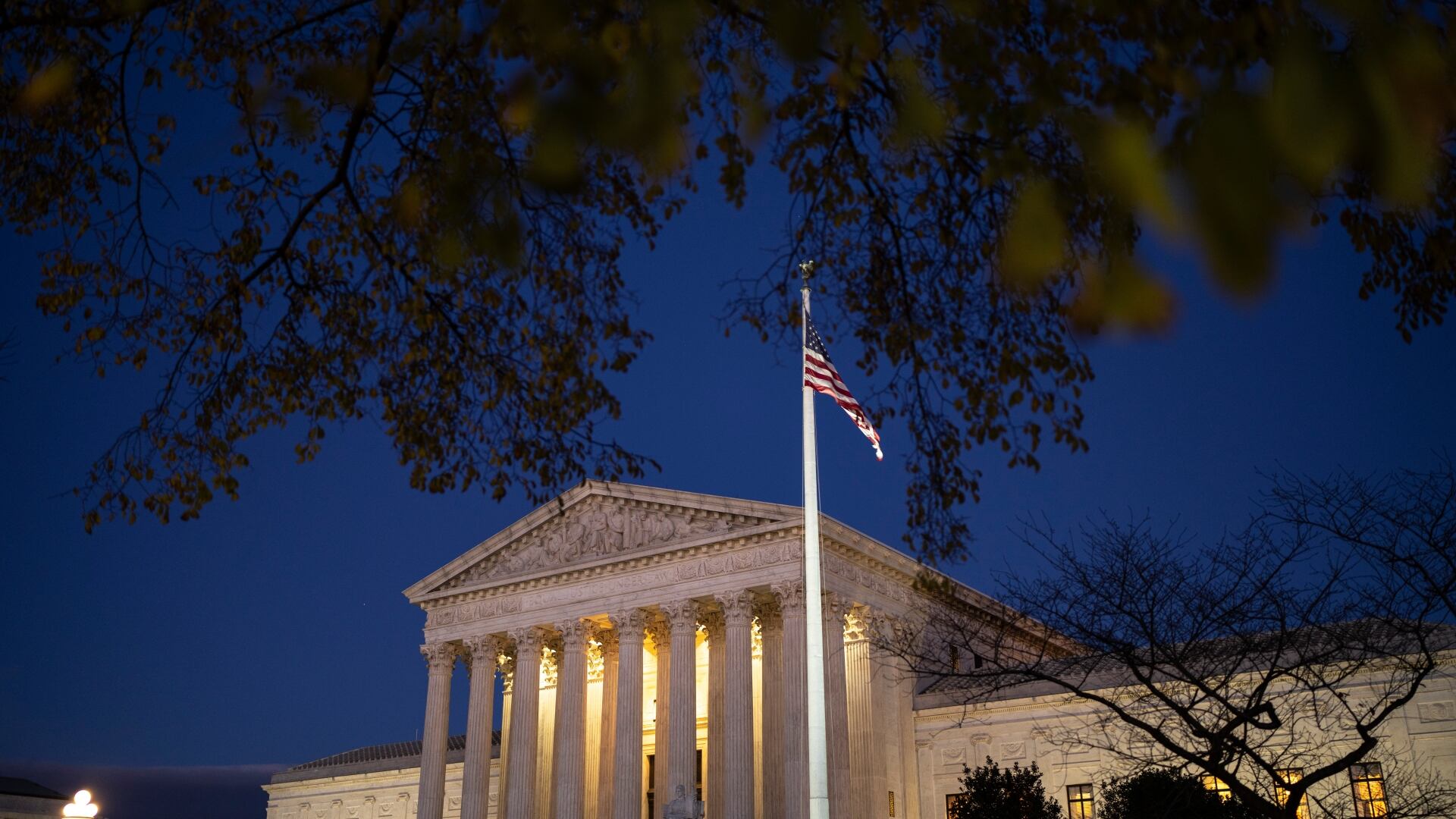
The Supreme Court appeared prepared Wednesday to uphold a Mississippi law that would ban almost all abortions after 15 weeks of pregnancy. The ruling is far from over, with Roe V. Wade at risk. Susan Rinkunas, senior reporter at Jezebel, joins Cheddar News to share the developments of the hearing.
The nine justices heard arguments Wednesday, around a Mississippi abortion law that bans the procedure after 15 weeks and appeared to lean toward upholding the law, while leaving uncertainty about the landmark precedent, Roe v. Wade. Kristin Ford, vice president of communications and research at NARAL Pro-Choice America joins Cheddar News to discuss.
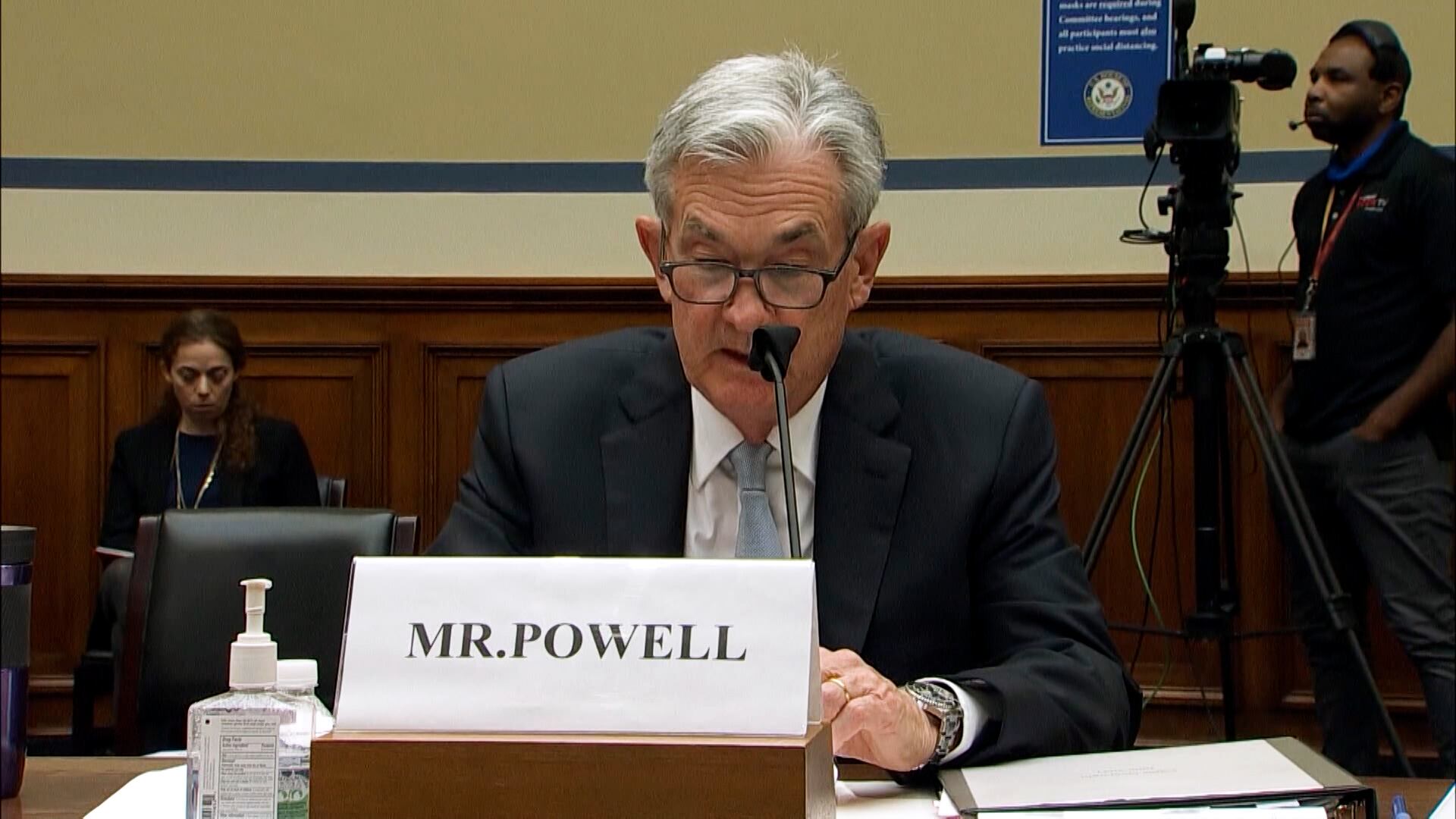
Just about a week after being re-nominated, Federal Reserve Chair Jermone Powell is changing his tune. After nearly a year of referring to inflation as 'transitory,' Powell said he will retire the 'T' word as inflation remains elevated. Christopher Russo, Post-Graduate Research Fellow, Mercatus Center joined Cheddar's Opening Bell to discuss.
Airbnb has come under fire after an Axios report found that the rental company has properties available in China's Xinjiang region where the nation has been accused of committing genocide against Uyghur Muslims, demolishing their homes, and replacing them with tourist attractions.
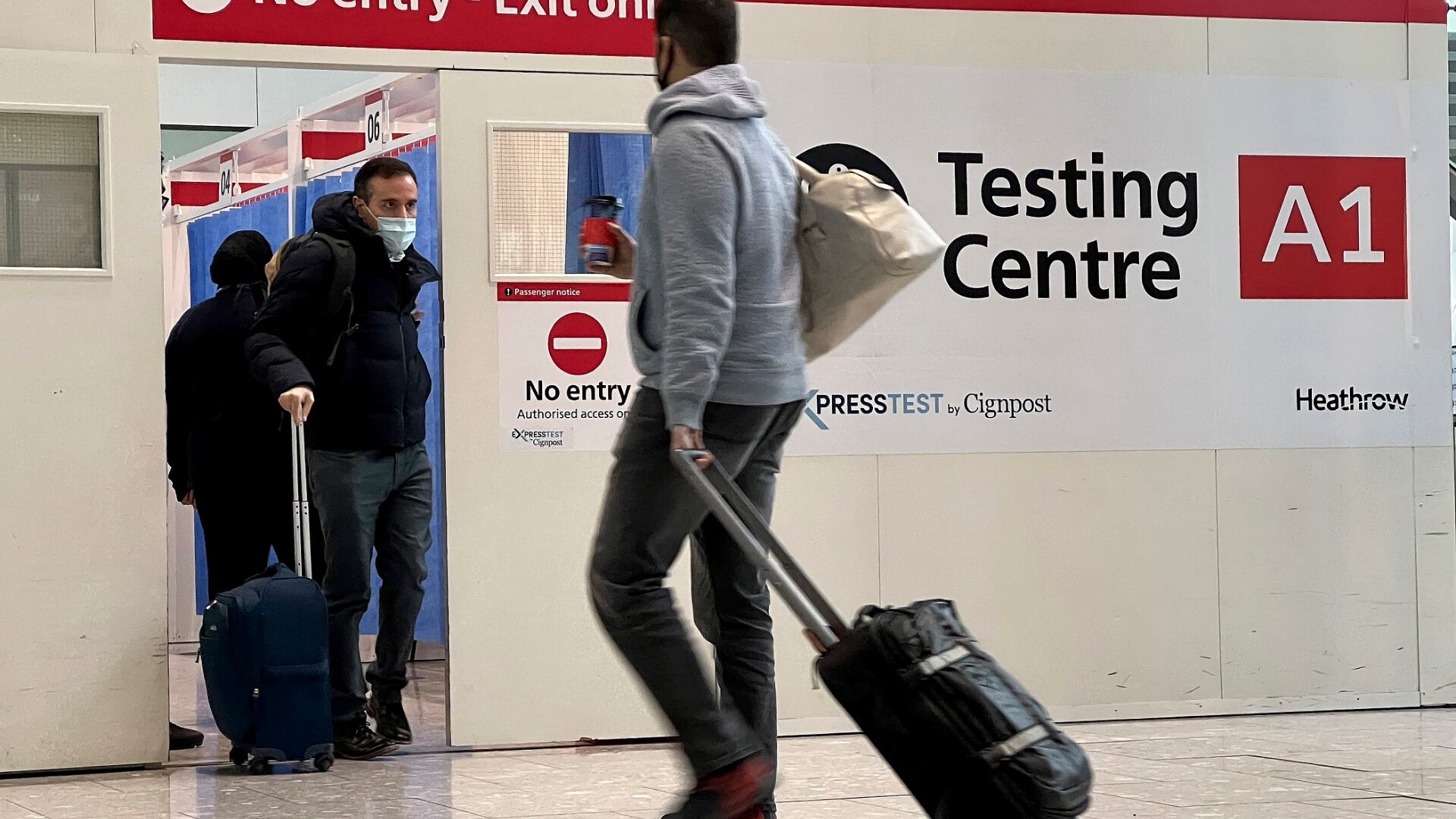
With the emergence of the omicron variant, the U.S. is considering tightening international travel guidelines. The CDC said it might reduce the window for foreign travelers to submit a negative COVID-19 test from three days prior to one day before allowing entry.
Jill and Carlo cover the latest on Omicron, another school shooting in America and more. Plus, bidding farewell to 'transitory' inflation, and the controversy surrounding 'Lovely Bones' author Alice Sebold.
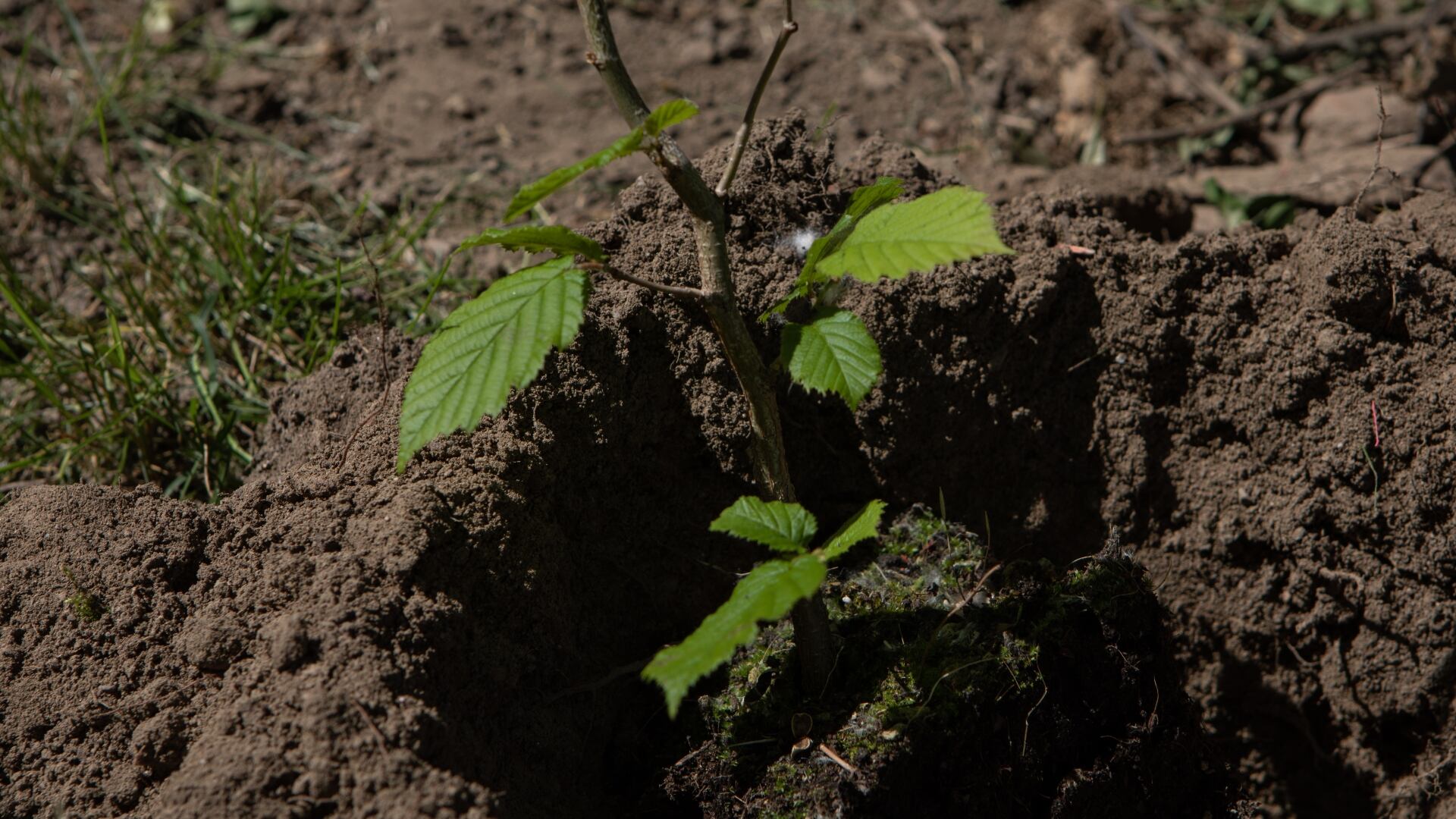
Disparities in tree coverage across America is a huge issue that affects air quality, heat exposure, and ultimately determines how resilient communities are against climate change. The Build Back Better Act is allocating $2.5 billion to boost 'tree equity.' Lemir Teron, assistant professor at SUNY College of Environmental Science and Forestry, joins Cheddar News to explain why this is a priority for Democrats today.