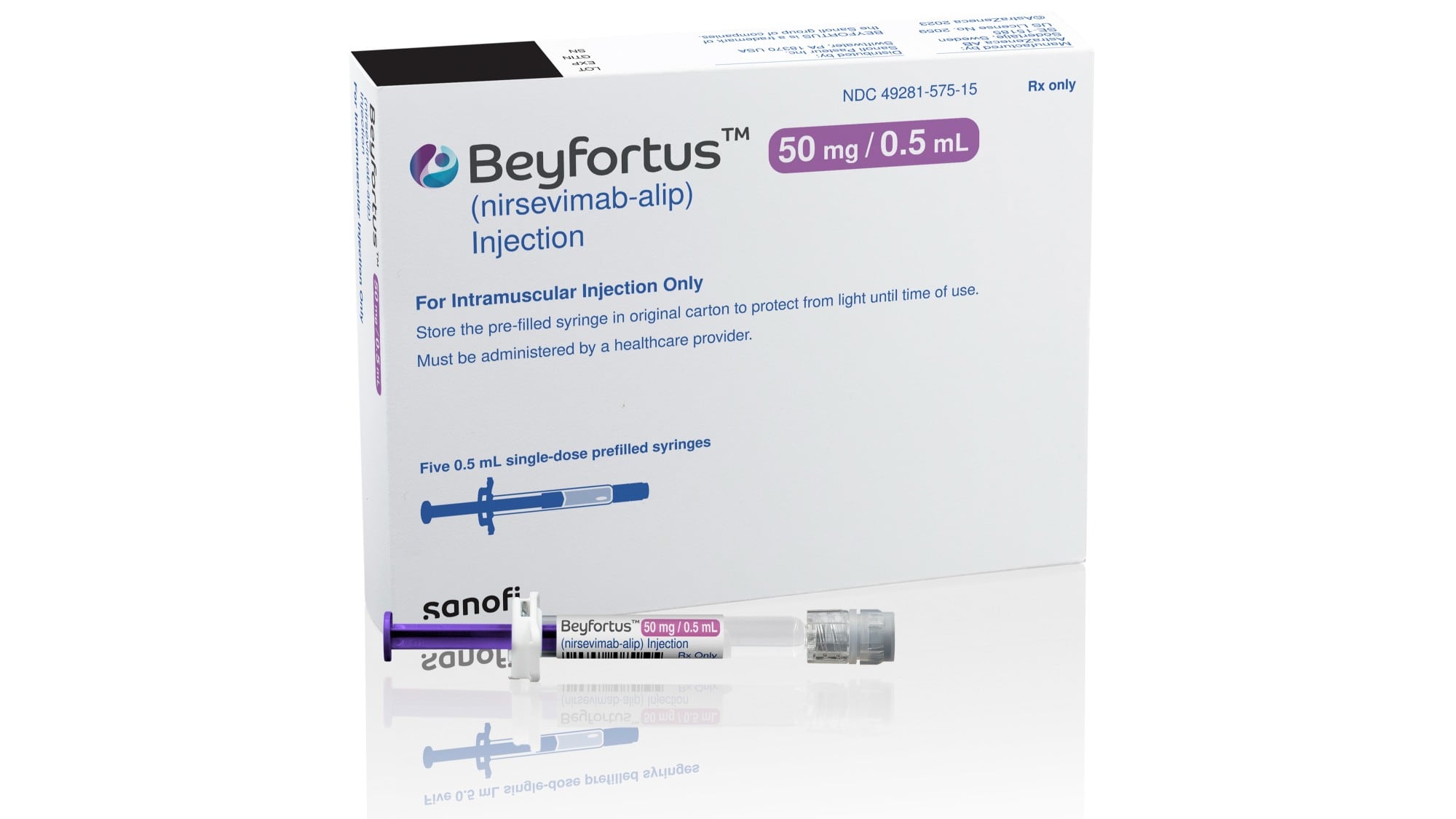
This illustration provided by AstraZeneca depicts packaging for their medication Beyfortus. U.S. officials have approved a new long-acting drug to protect babies and toddlers against a respiratory virus that causes thousands of hospitalizations each year. The Food and Drug Administration on Monday, July 17, 2023 approved the injection for infants and children up to 2 years old. (AstraZeneca via AP)
By Matthew Perrone
U.S. officials on Monday approved the first long-acting drug to protect babies and toddlers against a respiratory virus that sends tens of thousands of American children to the hospital each year.
RSV is a cold-like nuisance for most healthy people, but it can be life-threatening in the very young and the elderly.
The Food and Drug Administration approved the injection for infants and children up to 2 years old who face increased risk of severe RSV.
“Today’s approval addresses the great need for products to help reduce the impact of RSV disease on children, families and the health care system” said FDA's Dr. John Farley in a statement.
Last year, a surge in RSV cases flooded U.S. hospitals with wheezing children. There are no vaccines for babies yet, though Pfizer and other companies are working on them.
AstraZeneca’s drug, to be sold under the brand name Beyfortus, is a laboratory-made version of an antibody that helps the immune system fight off RSV. Under the FDA approval, babies — including preterm infants — can receive a single injection to protect against their first season of RSV, which typically lasts about five months. Children up to age 2 can receive another dose to protect them during their second season facing the virus.
Beyfortus, which will be marketed in the U.S. by Sanofi, is already approved in Canada, Europe and the U.K. Sanofi did not immediately announce the U.S. price of the treatment.
FDA officials approved the drug based on three studies showing Beyfortus reduced the risk of RSV infection between 70% and 75% among infants and children 2 and younger.
Advisers to the Centers for Disease Control and Prevention will meet early next month to recommend exactly who should get the drug.
A similar antibody drug won FDA approval more than 20 years ago, but it’s only recommended for high-risk babies and requires monthly injections. Pediatricians say the drug is underutilized and they expect the longer-lasting effect of AstraZeneca's shot to improve uptake.
In the U.S., about 58,000 children younger than 5 are hospitalized for RSV each year and several hundred die.
After decades of setbacks for RSV research, drugmakers have made big strides this year, launching the first vaccines against the virus. In May, the FDA approved two RSV vaccines for older adults from GlaxoSmithKline and Pfizer. In August, the FDA is expected to make a decision on approving Pfizer’s vaccine for pregnant women, with the aim of passing along protection to their newborns.
The Associated Press Health and Science Department receives support from the Howard Hughes Medical Institute’s Science and Educational Media Group. The AP is solely responsible for all content.
A 60-year-old man allegedly had himself vaccinated against COVID-19 dozens of times in Germany in order to sell forged vaccination cards with real vaccine batch numbers.
Between Bells EP Conor White recaps some of the biggest stories of the week, while Baker Machado and Hena Doba test their knowledge, and maybe learn a thing or two. It's This Week in Trivia!
Jeff Bezos’ aerospace company Blue Origin successfully held a fourth civilian launch into space on Thursday. Former NASA Astronaut, Leroy Chiao, joined Cheddar News to talk about the significance of this launch for the future of civilian launches and to discuss the issue of safety. "This is opening space up to more people, raising more awareness, which is good for the entire industry," Chiao said. He also discussed the nature of pricing the tickets for space tourism.
The most popular and most valuable cryptocurrency is also the least eco-friendly - data shows that Bitcoin mining generates the same amount of carbon emissions as the entire country of Thailand. According to nonprofit Fair Planet, 96 million tons of carbon dioxide emissions come from Bitcoin mining every year. Now, a consortium of climate activist groups is calling on the Bitcoin industry to cut its energy use by making changes to its software code. Michael Brune, former executive director of the Sierra Club, joins Cheddar News' Closing Bell to discuss.
A cannabis software startup is offering a first-of-its-kind perk for its employees - reimbursements for legal cannabis purchases. Jointly Better bills itself as an experience-based cannabis wellness tracker and product platform. In an attempt to attract top talent, the company will reimburse up to $150 a month for its workers' lawful cannabis purchases. David Kooi, co-founder and CEO of Jointly, joins Cheddar News' Closing Bell to discuss.
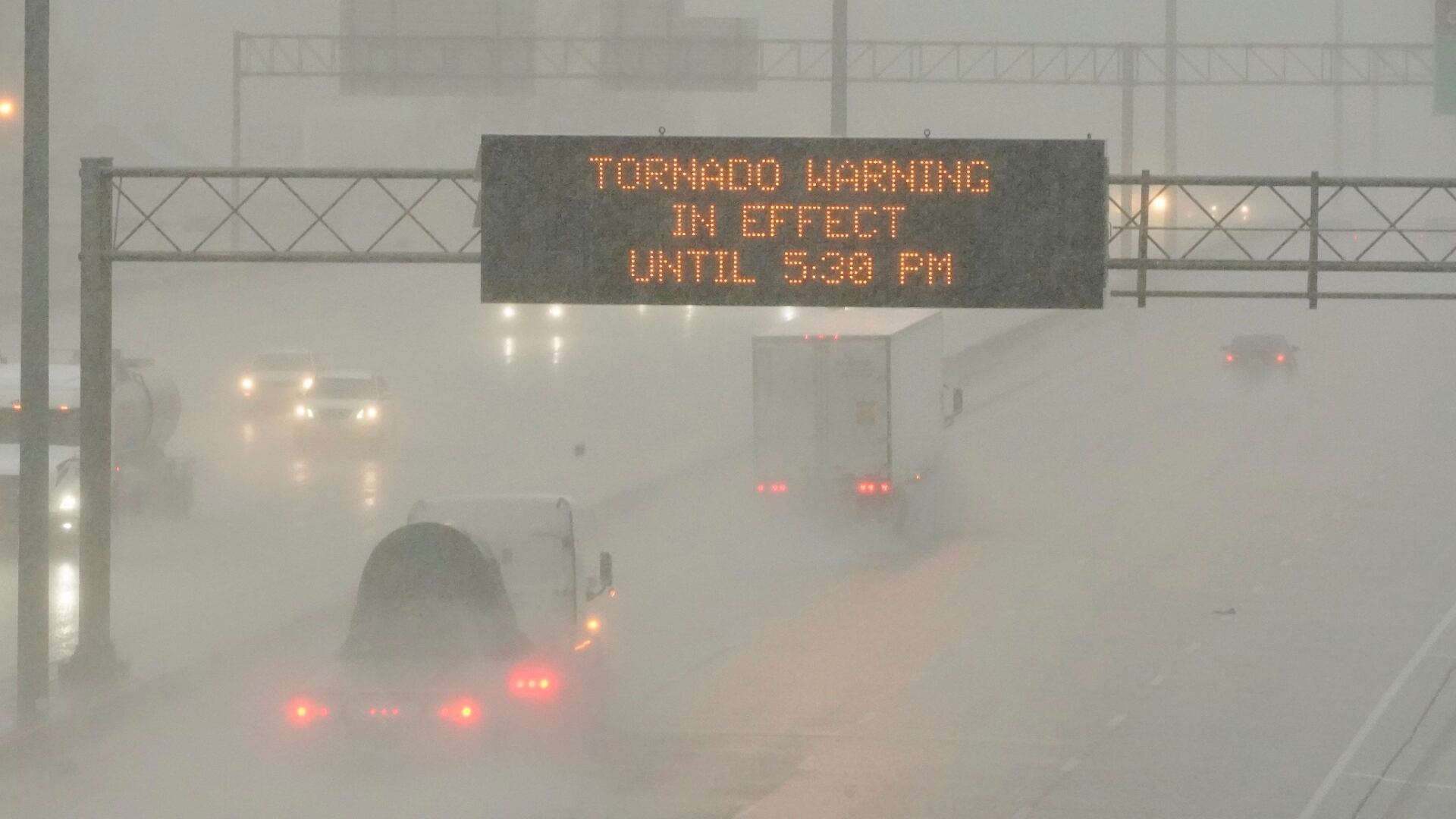
Catching you up on what you need to know on Mar 31, 2022, with updates on Biden's push for more COVID funding, a wave of storms hammering the South, Etsy sellers going on strike, and more.
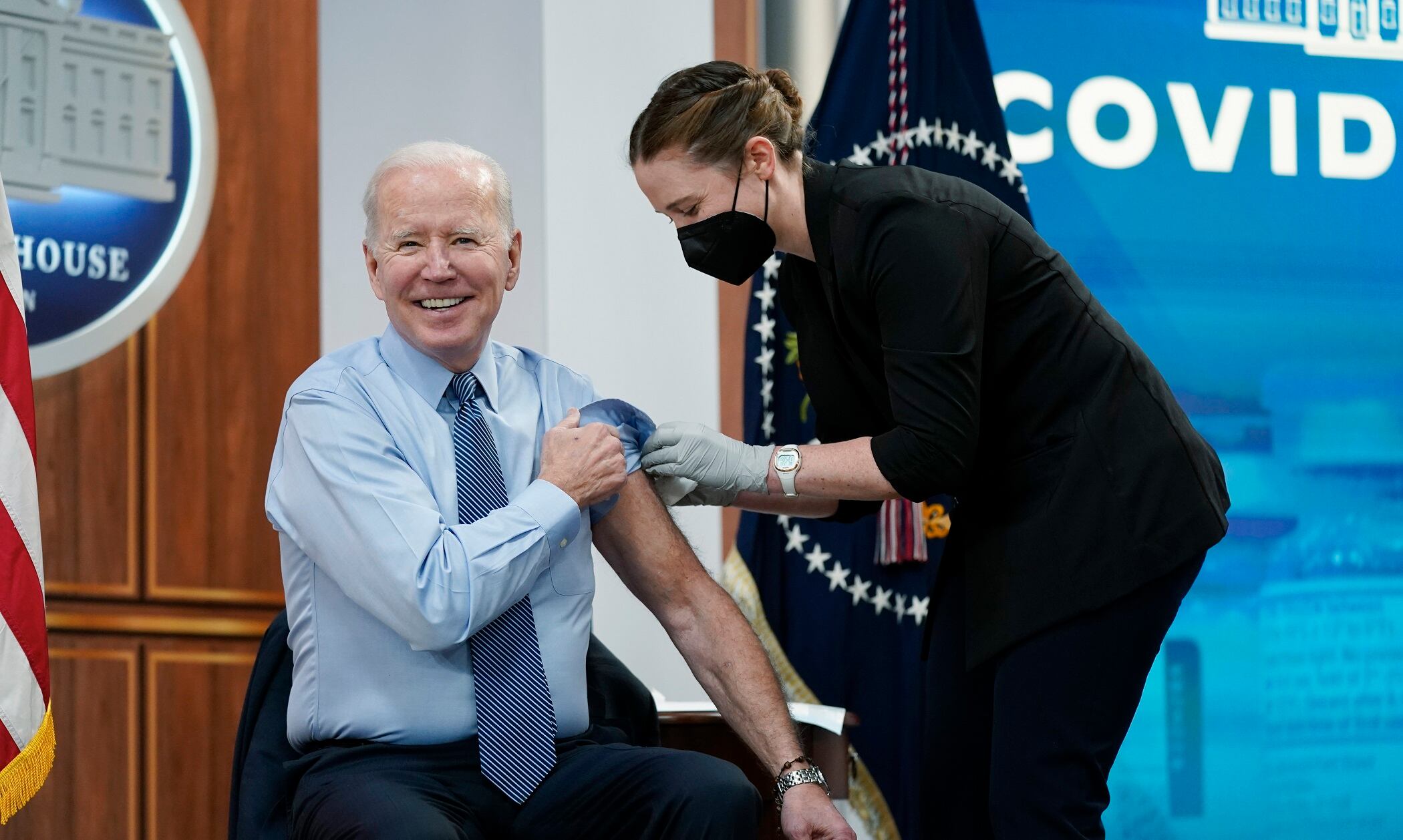
President Joe Biden has gotten a second booster dose of the Pfizer COVID vaccine, and he used the occasion Wednesday to call on Congress to pass billions of dollars in additional funding to fight the pandemic.
Catching you up on what you need to know on March 30, 2022, with updates on what is happening in Kyiv, the FDA releases plans for a fourth dose of COVID vaccines, COVID subvariant BA.2 becomes dominant variant in the U.S., employees at Conde Nast form a union, and more.