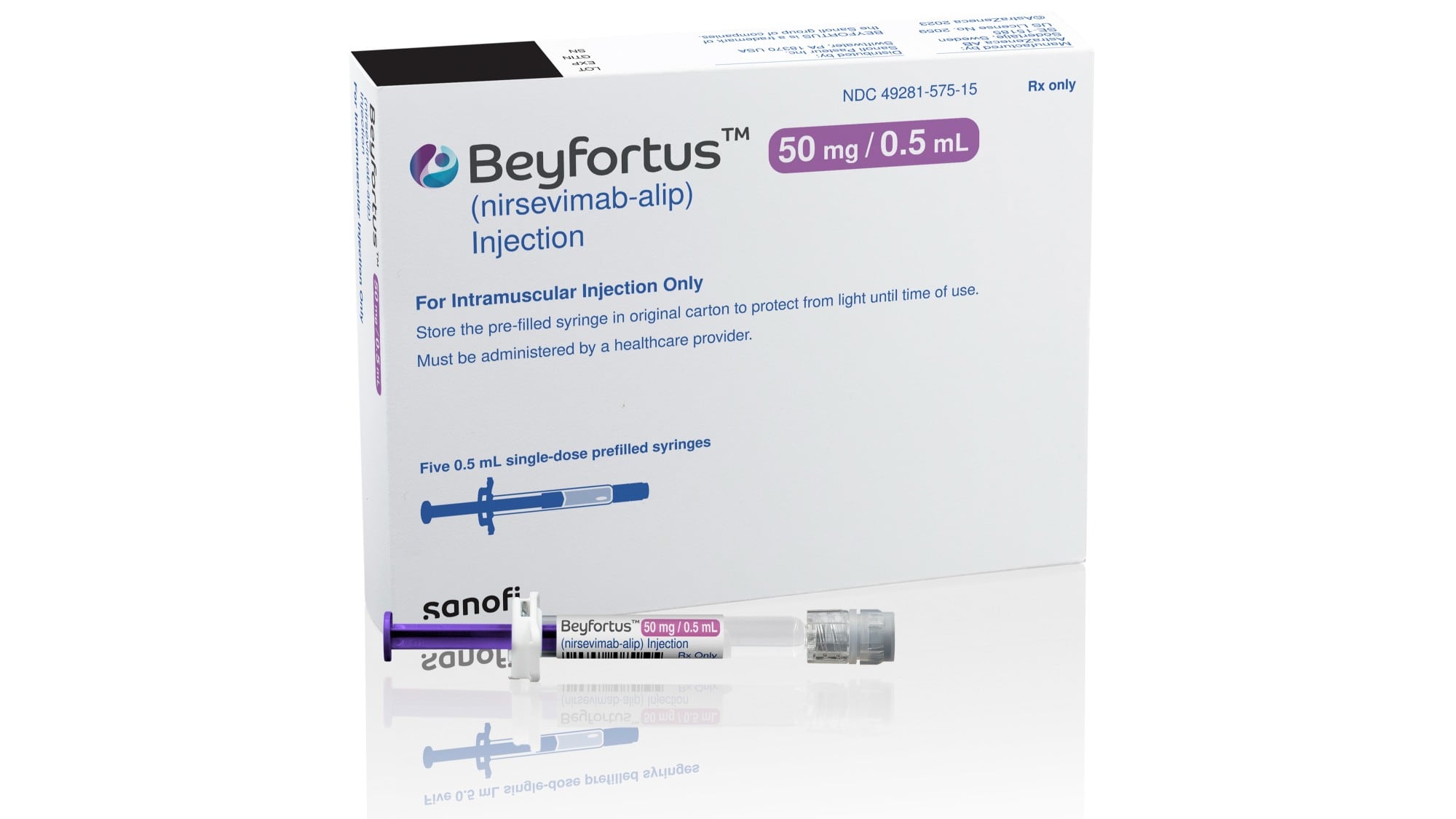
This illustration provided by AstraZeneca depicts packaging for their medication Beyfortus. U.S. officials have approved a new long-acting drug to protect babies and toddlers against a respiratory virus that causes thousands of hospitalizations each year. The Food and Drug Administration on Monday, July 17, 2023 approved the injection for infants and children up to 2 years old. (AstraZeneca via AP)
By Matthew Perrone
U.S. officials on Monday approved the first long-acting drug to protect babies and toddlers against a respiratory virus that sends tens of thousands of American children to the hospital each year.
RSV is a cold-like nuisance for most healthy people, but it can be life-threatening in the very young and the elderly.
The Food and Drug Administration approved the injection for infants and children up to 2 years old who face increased risk of severe RSV.
“Today’s approval addresses the great need for products to help reduce the impact of RSV disease on children, families and the health care system” said FDA's Dr. John Farley in a statement.
Last year, a surge in RSV cases flooded U.S. hospitals with wheezing children. There are no vaccines for babies yet, though Pfizer and other companies are working on them.
AstraZeneca’s drug, to be sold under the brand name Beyfortus, is a laboratory-made version of an antibody that helps the immune system fight off RSV. Under the FDA approval, babies — including preterm infants — can receive a single injection to protect against their first season of RSV, which typically lasts about five months. Children up to age 2 can receive another dose to protect them during their second season facing the virus.
Beyfortus, which will be marketed in the U.S. by Sanofi, is already approved in Canada, Europe and the U.K. Sanofi did not immediately announce the U.S. price of the treatment.
FDA officials approved the drug based on three studies showing Beyfortus reduced the risk of RSV infection between 70% and 75% among infants and children 2 and younger.
Advisers to the Centers for Disease Control and Prevention will meet early next month to recommend exactly who should get the drug.
A similar antibody drug won FDA approval more than 20 years ago, but it’s only recommended for high-risk babies and requires monthly injections. Pediatricians say the drug is underutilized and they expect the longer-lasting effect of AstraZeneca's shot to improve uptake.
In the U.S., about 58,000 children younger than 5 are hospitalized for RSV each year and several hundred die.
After decades of setbacks for RSV research, drugmakers have made big strides this year, launching the first vaccines against the virus. In May, the FDA approved two RSV vaccines for older adults from GlaxoSmithKline and Pfizer. In August, the FDA is expected to make a decision on approving Pfizer’s vaccine for pregnant women, with the aim of passing along protection to their newborns.
The Associated Press Health and Science Department receives support from the Howard Hughes Medical Institute’s Science and Educational Media Group. The AP is solely responsible for all content.
Jonah Goldman, the managing director at Bill Gates-founded Breakthrough Energy, joined Cheddar News to talk about the promising growth in the climate change-conscious investments the organization has made over the years. ”I mean when we're looking at some of the hard to abate technologies and cement and steel and aviation fuel, all of those have promising pathways that weren't there again just a few years ago," he said. "We invest across all of the technology areas that are driving emissions, greenhouse gas emissions and there really are exciting products and technologies coming out in almost every one of those sectors.”
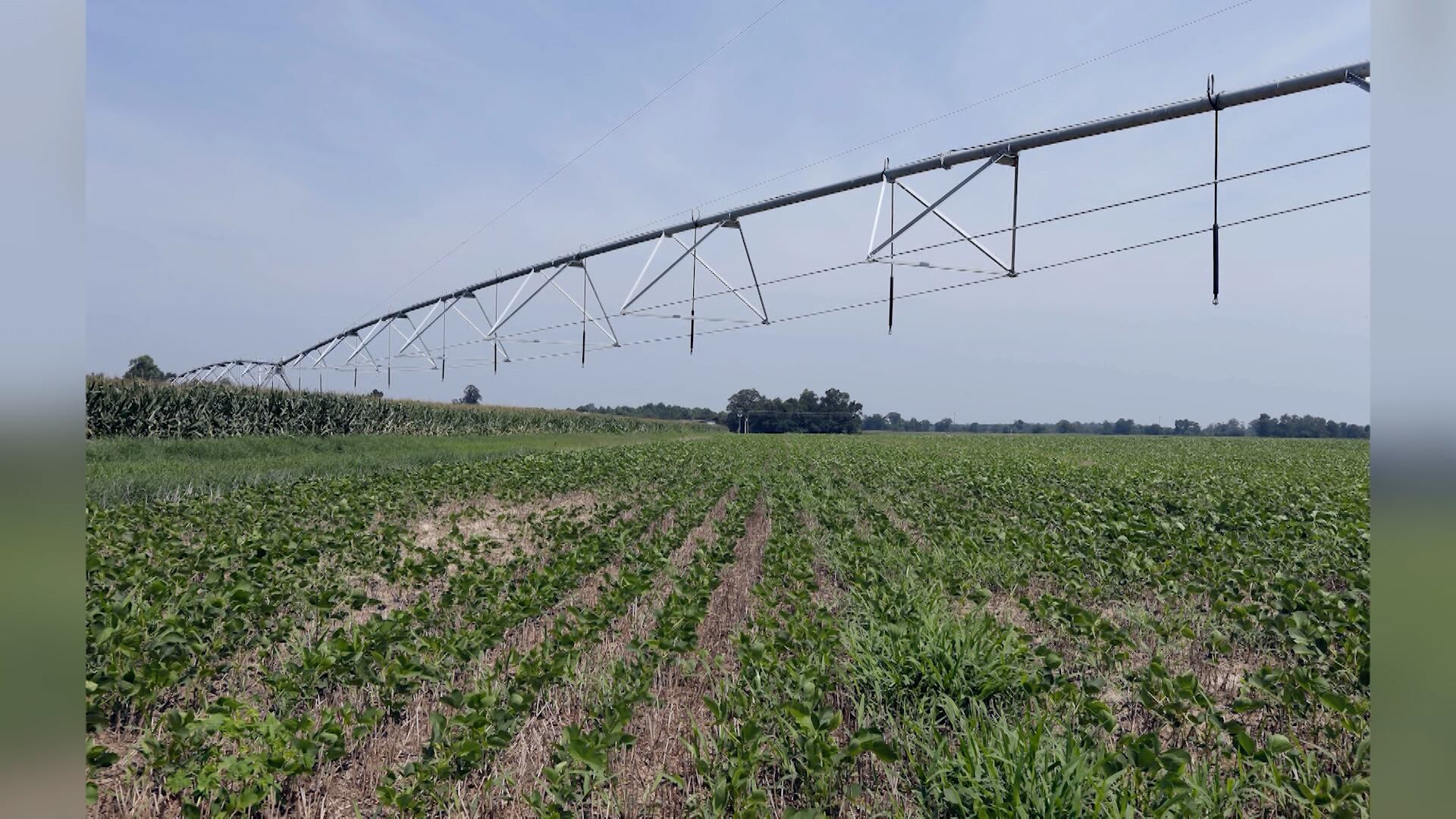
Robert Bonnie, farm production and conservation undersecretary for the USDA, spoke to Cheddar about climate-smart strategies to help farmers reduce carbon emissions from agriculture. "We share the costs of installing those practices on their lands in ways that will protect the climate and maintain agricultural productivity, and we're also partnering with farmers to draw in private investment in greenhouse gas emissions reductions provided by agriculture and forestry," he said. The hope is to get farmers and ranchers to produce climate-smart commodities to lessen the impact of climate change.
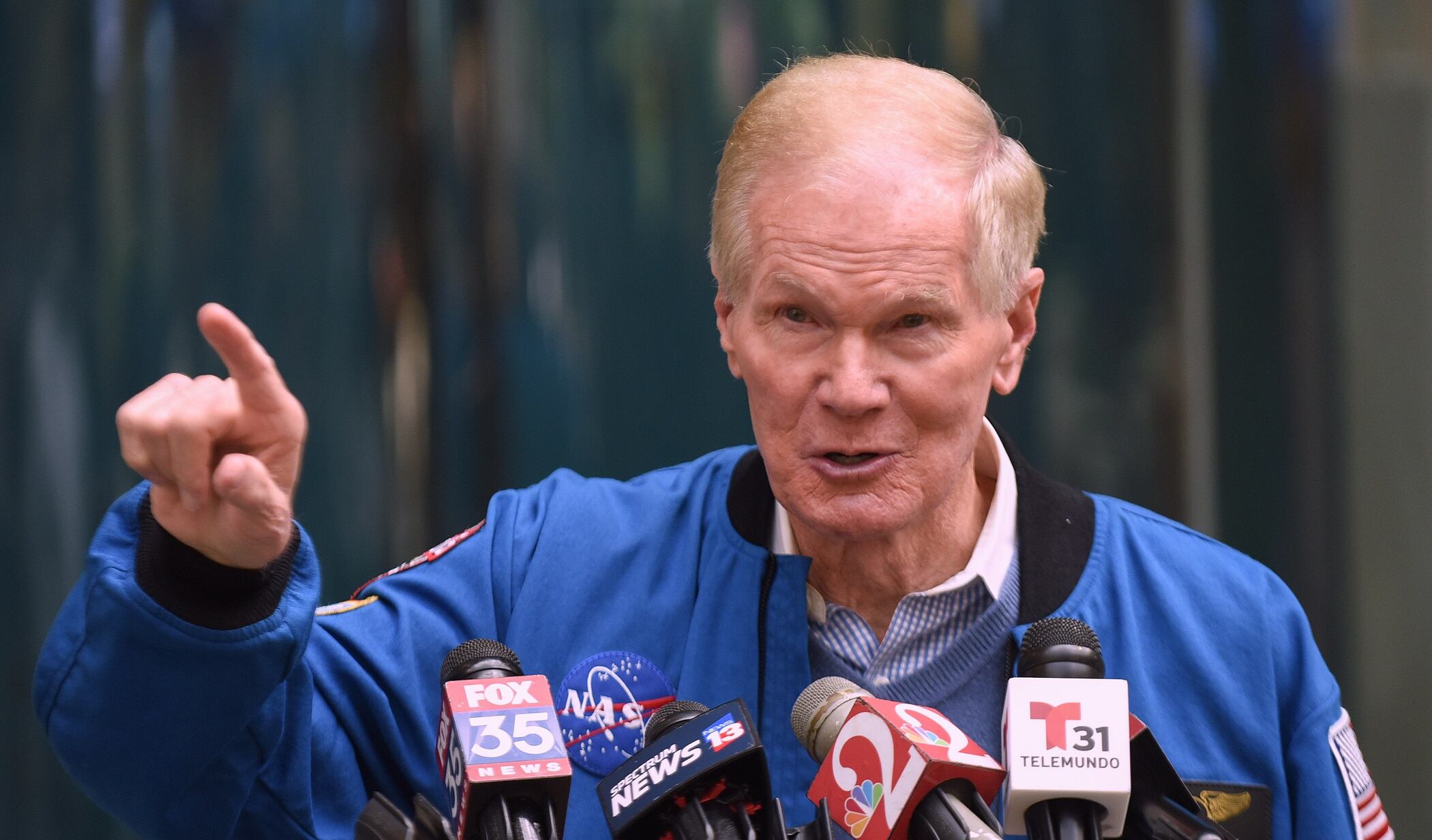
Cheddar's J.D. Durkin caught up with the head of NASA Bill Nelson, a former senator, who feels one thing that seems less rancorous on Capitol Hill these days is the work of the space agency.
Catching you up on what you need to know on April 22, 2022, with updates on a new Ukraine aid package, a new missile test by Russia, DOJ announcement of $150 Million in COVID-related fraud, the Florida senate supports Gov. DeSantis in stripping Disney of its special tax district, and more.
Scientists say a U.K. patient with a severely weakened immune system had COVID-19 for almost a year and a half. The case underscores the importance of protecting vulnerable people from the coronavirus.
Cheddar's Lawrence Banton speaks with entrepreneurs leading the way on textile and clothing recycling in an effort to help stem waste in fashion amid the climate crisis.
The FDA just approved a first-of-its-kind treatment for individuals with blood cancer that has proven results of 5-year survival rates. Christi Shaw, CEO of Kite, a Gilead company, joins Cheddar Innovates to discuss how this treatment works and compares to others currently on the market.
Dr. Neta Lavon, CTO and VP of R&D at Aleph Farms, joins Cheddar Innovates to discuss how the team sent cow cells to space to further research the production of meat in space, and why developing cultivated meat is so critical to the future of space travel.
Catching you up on what you need to know on April 21, 2022, with President Biden set to announce more security assistance funding to Ukraine, polls showing a majority of Americans in favor of transit mask mandates, rapper A$AP Rocky's arrest, and more.