*By Spencer Feingold*
Nevada's 2020 Democratic caucus is still over eight months away, but party organizers are wasting no time in their efforts to draw the broadest possible swath of the constituency into the process.
"We think this contest is going to be really competitive here," Shelby Wiltz, the state's 2020 caucus director, told Cheddar. "We have a really diverse state, and Nevadans are really reflective of what the electorate across the country is going to look like in 2020."
Like Iowa and a handful of other states, Nevada Democrats elect their presidential nominee through a caucus, which entails voters gathering to openly debate and decide on a candidate. This process differs from a primary — used in the majority of states — where voters simply cast a ballot and leave.
Yet the Silver State now offers multiple options for caucusing to ensure a high turnout. Aside from participating on caucus day, voters now have the option to make their voices heard through a four-day early caucus period or by participating in a virtual caucus, which will allow residents to phone-in their preferred candidates.
It is "an option for folks who may have a disability, folk who are homebound due to illness, single parents, or parents in general who are busy and taking care of their kids and may not have time to come to the caucus," Wiltz said.
The phone option will be available to the [roughly 667,000](https://www.nvsos.gov/sos/home/showdocument?id=6171) Nevada Democrats in English, Spanish, and Tagalog.
"Folks are eager to get involved, they are eager to come out and vote," Wiltz added. "We have really strong prospects for the future."
The actual in-person caucus is set for February 22, 2020; the date for the Republican Nevada caucus has not yet been announced.
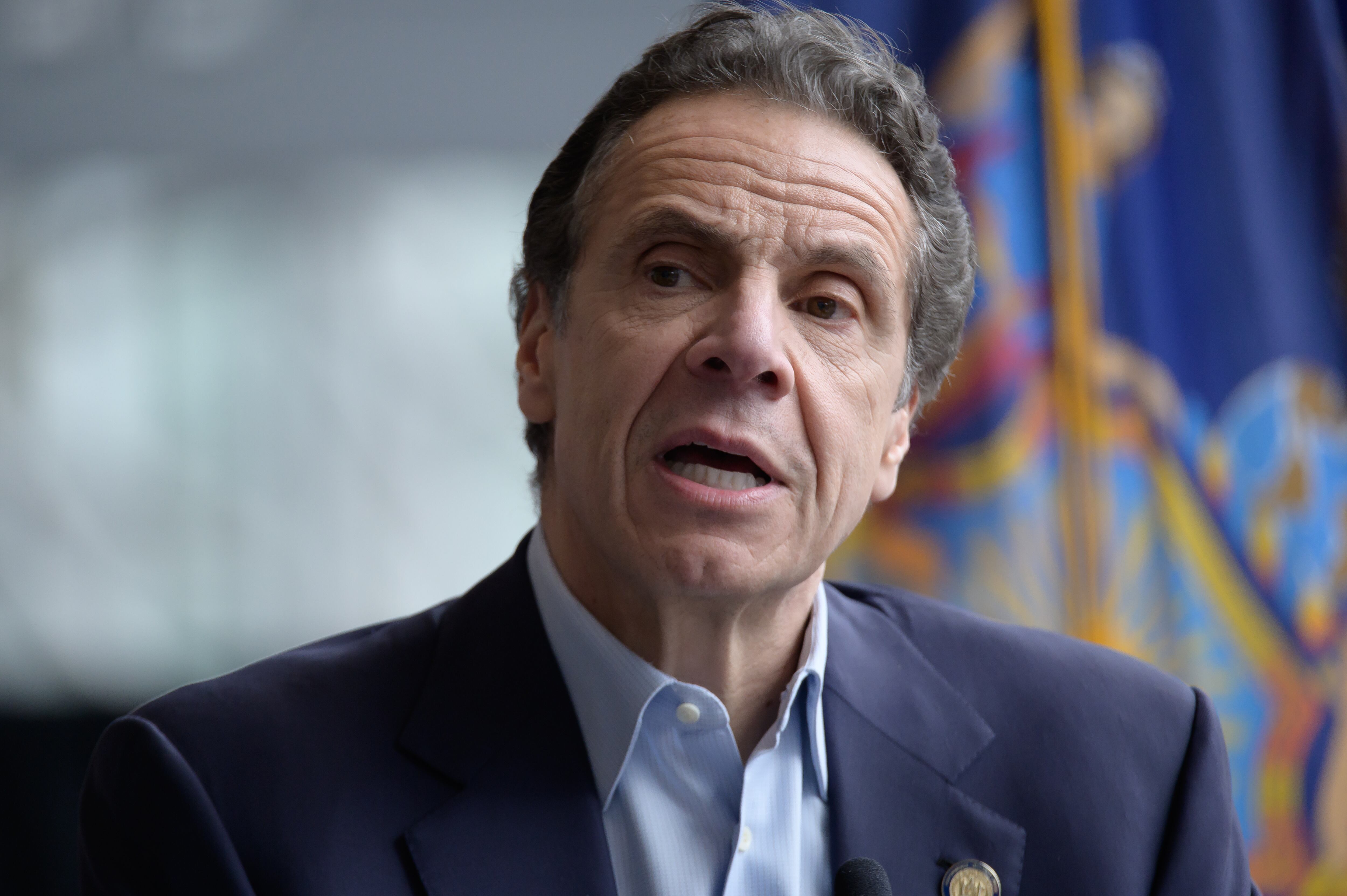
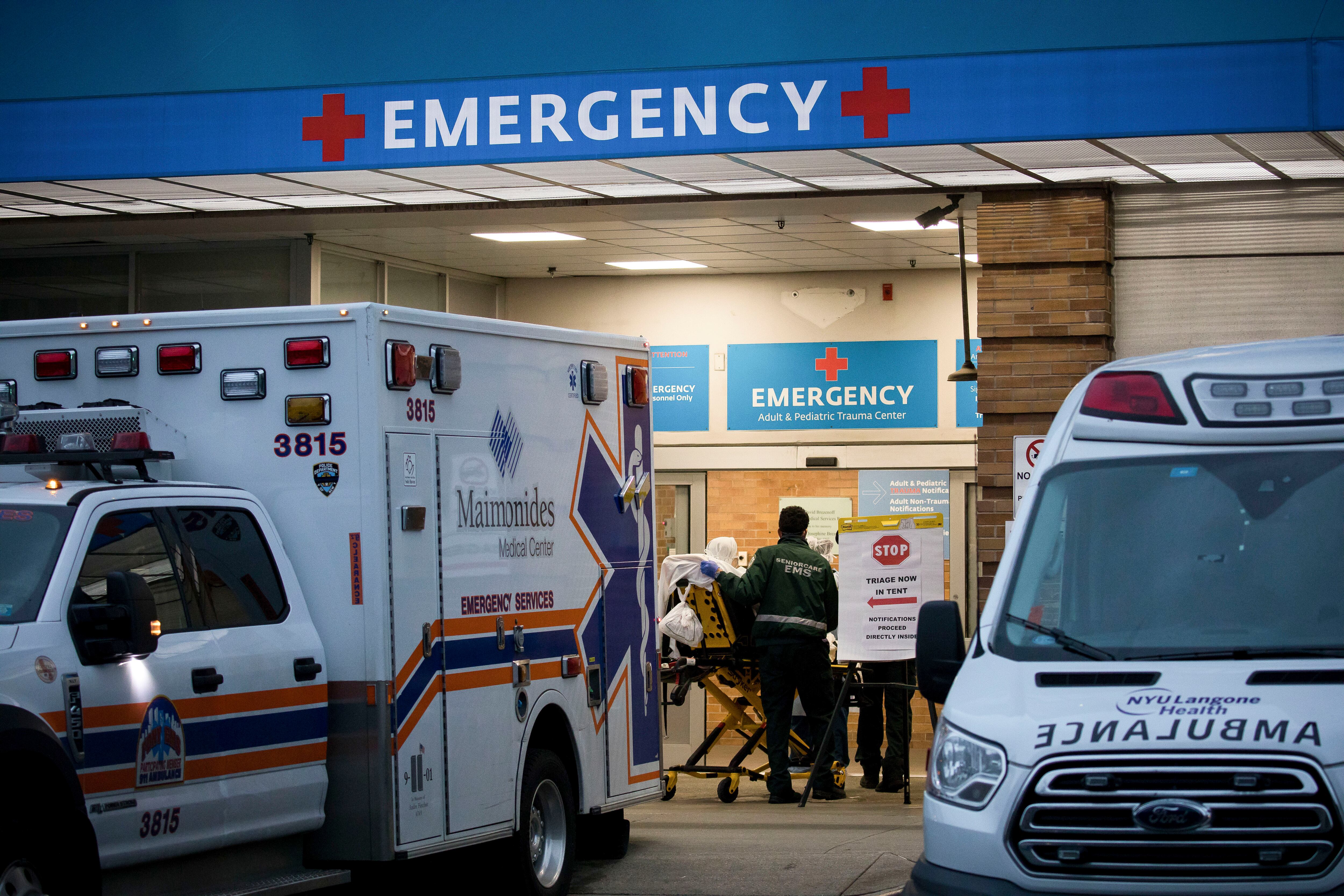
During a Wednesday press conference, New York Gov. Andrew Cuomo said social distancing will be key to making sure state hospitals can handle the apex of cases expected in late April.
Tal Cohen, executive vice president and head of Nasdaq's North American Markets, told Cheddar Wednesday that the markets are beginning to grasp how to function during the outbreak.
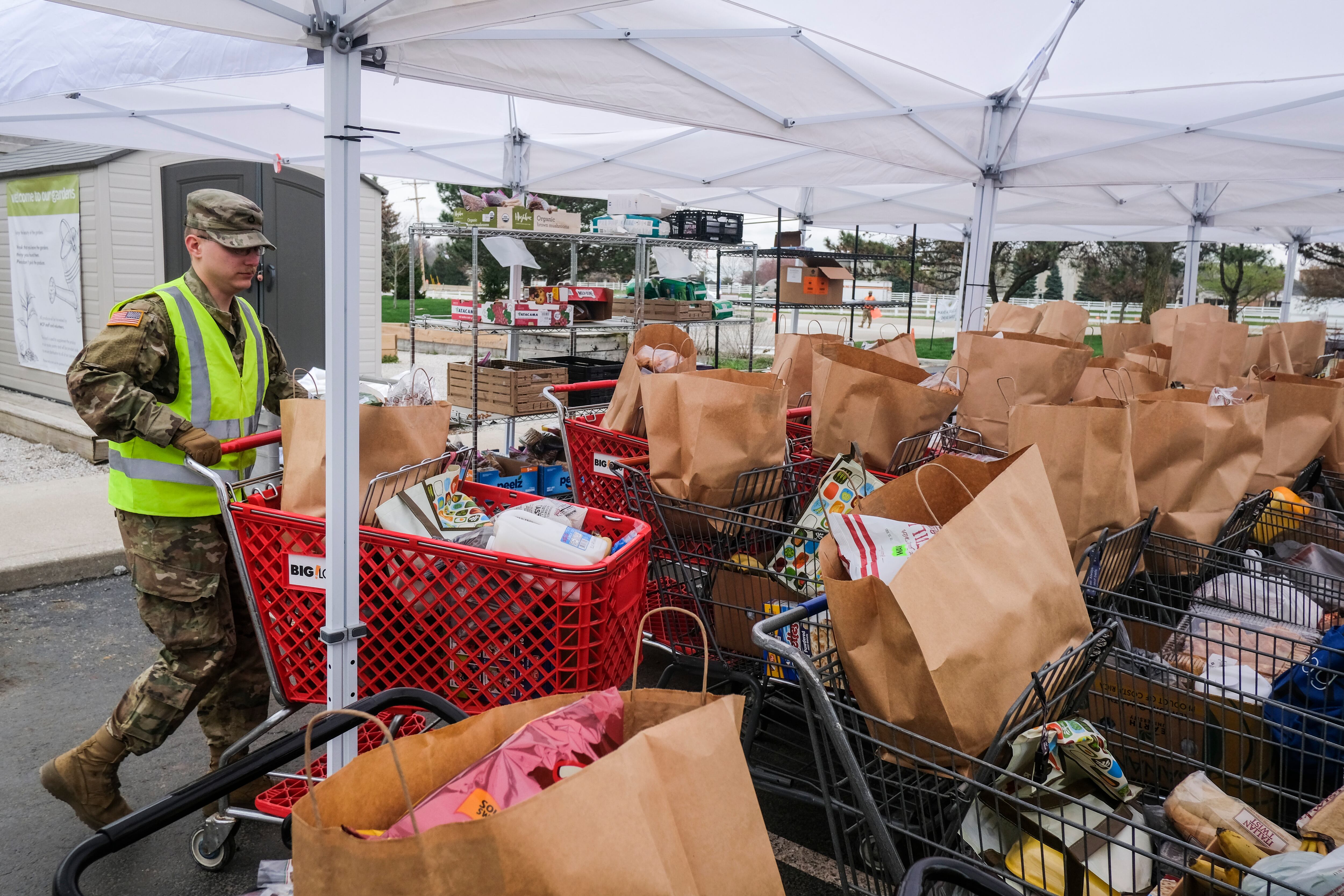
Sabine Altendorf of the Food and Agriculture Organization of the United Nations warned that while so far the impact of the rapidly evolving crisis on food supply has been limited, it could change drastically.
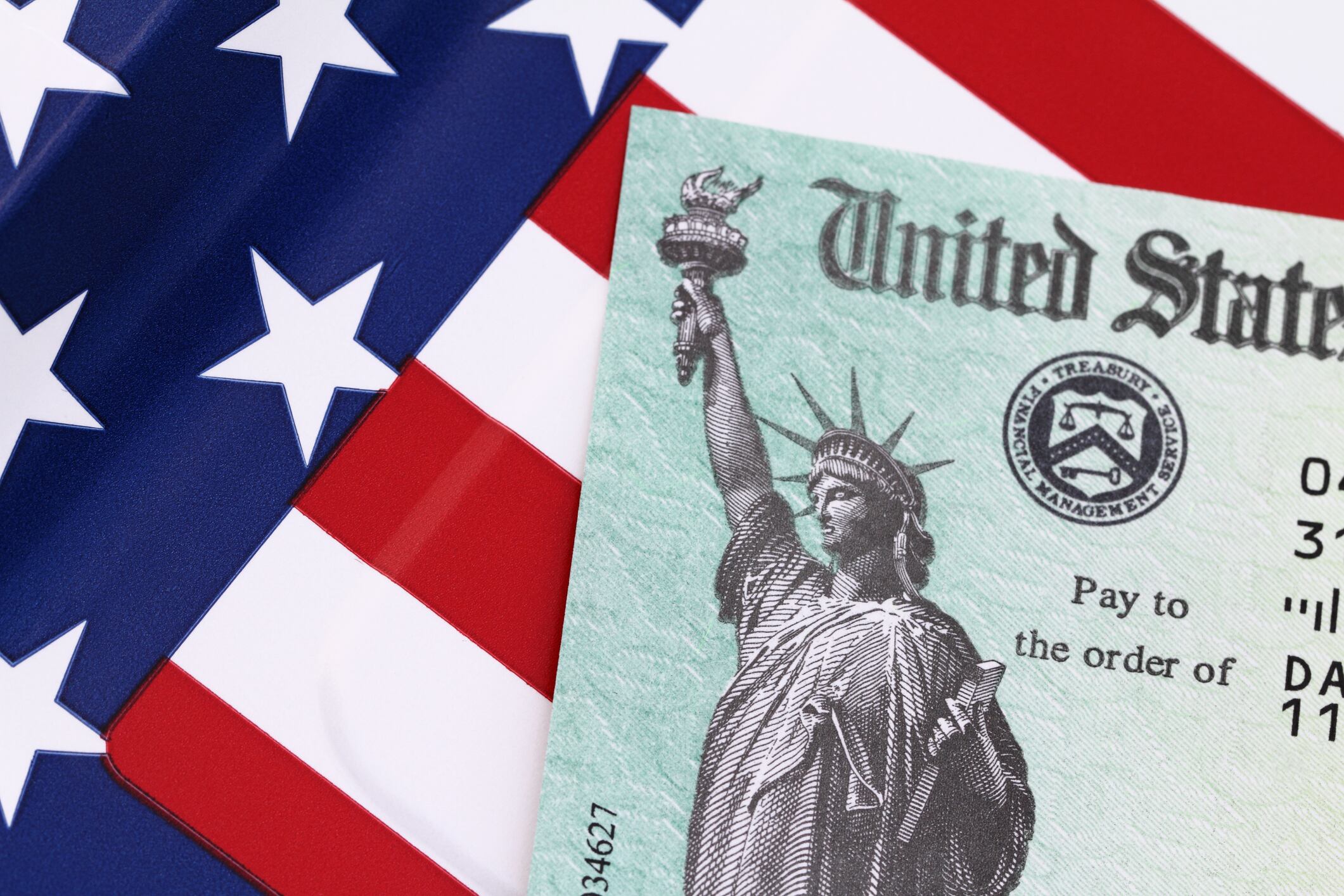
Coronavirus stimulus checks are going to be distributed in the next three weeks, the Internal Revenue Service said Monday, and offered a little bit more clarity on how people can actually get their payments.
Stocks are sinking again on Wall Street as more signs piled up of the economic and physical pain being caused by the coronavirus outbreak.
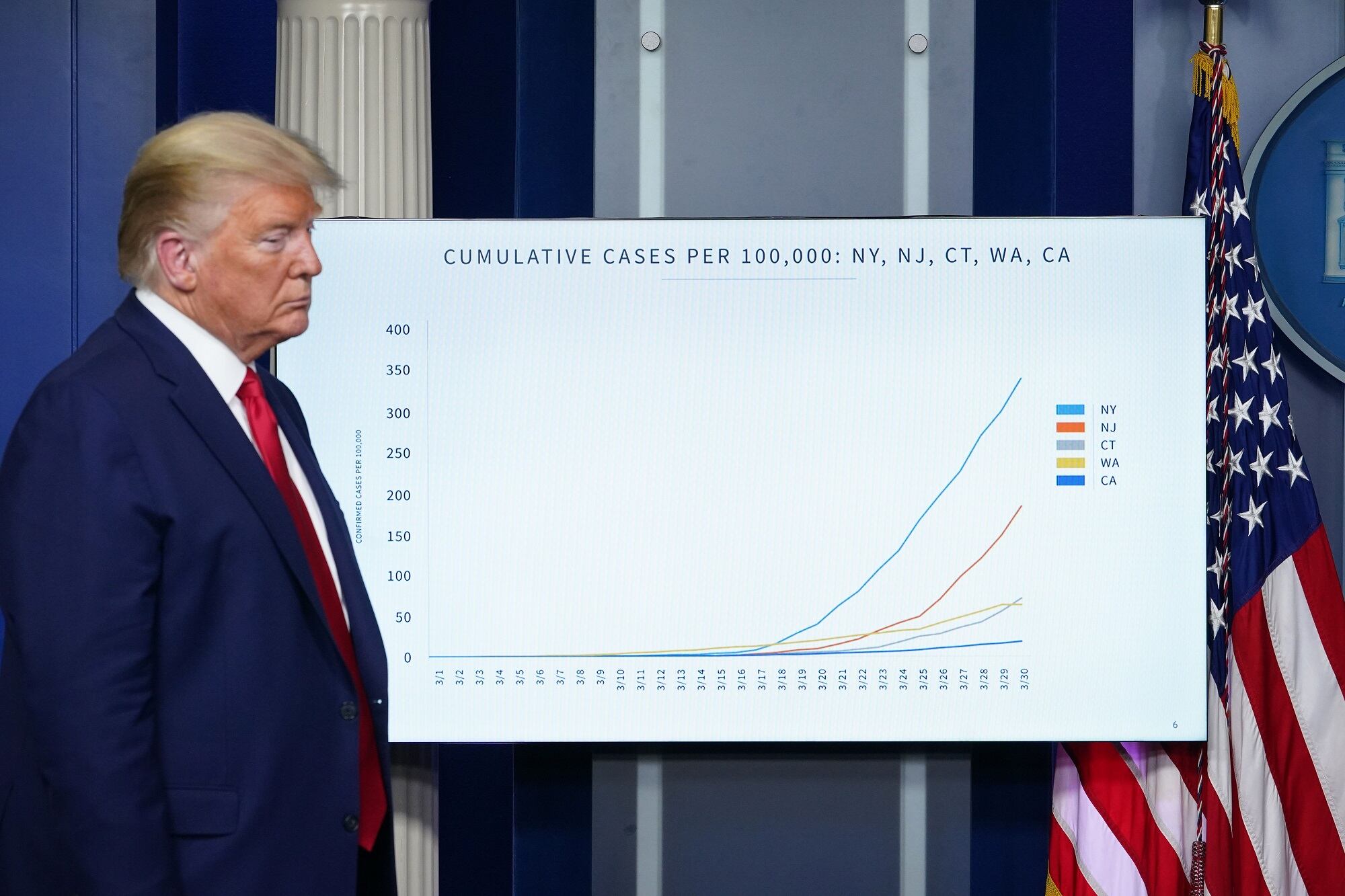
President Donald Trump on Tuesday warned Americans to brace for a “rough two-week period” ahead as the White House released new projections that there could be 100,000 to 240,000 deaths in the U.S. from the coronavirus pandemic even if current social distancing guidelines are maintained.
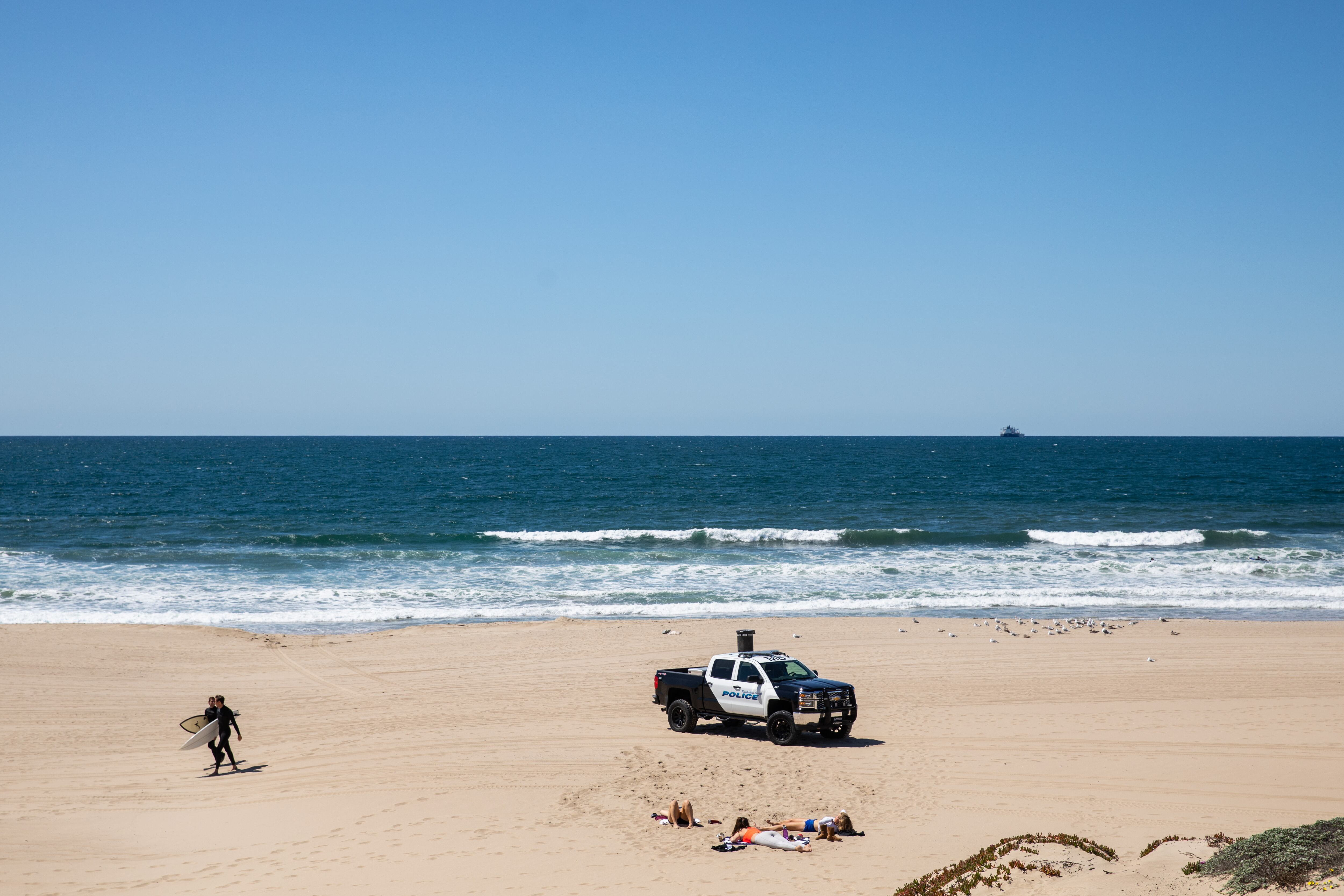
As some see promising returns from California’s early shelter in place orders, Governor Gavin Newsom announced Tuesday a growing number of cases and hospitalizations in the state as a record number of Californians file for unemployment.
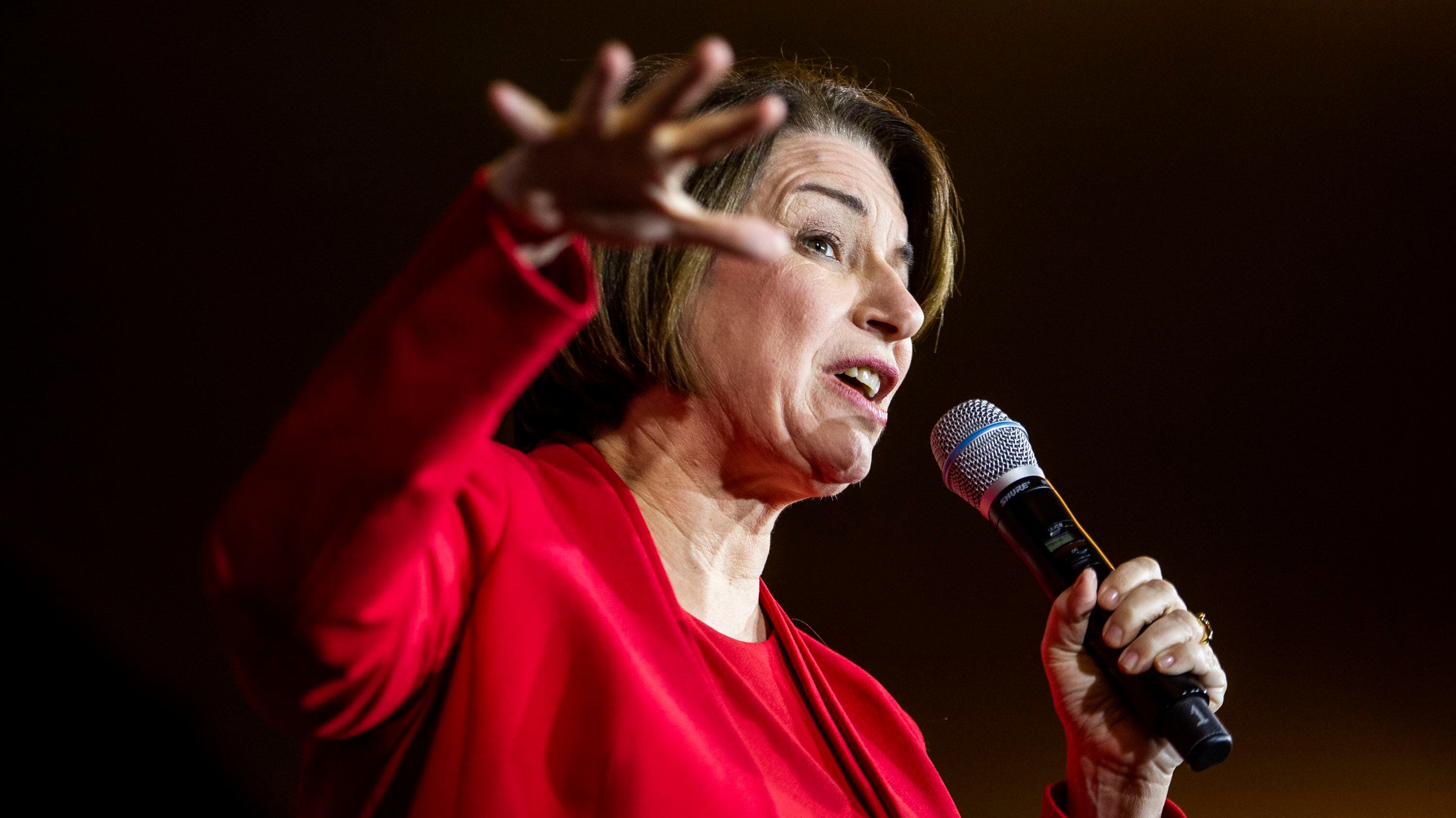
Senator Amy Klobuchar told Cheddar on Tuesday that Americans need cash from canceled flights to provide immediate relief, but airline executives have not responded to the call.
Parsing the data from around the world is showing a stark difference in how the COVID-19 pandemic is impacting mortality and socioeconomic suffering along gender lines.
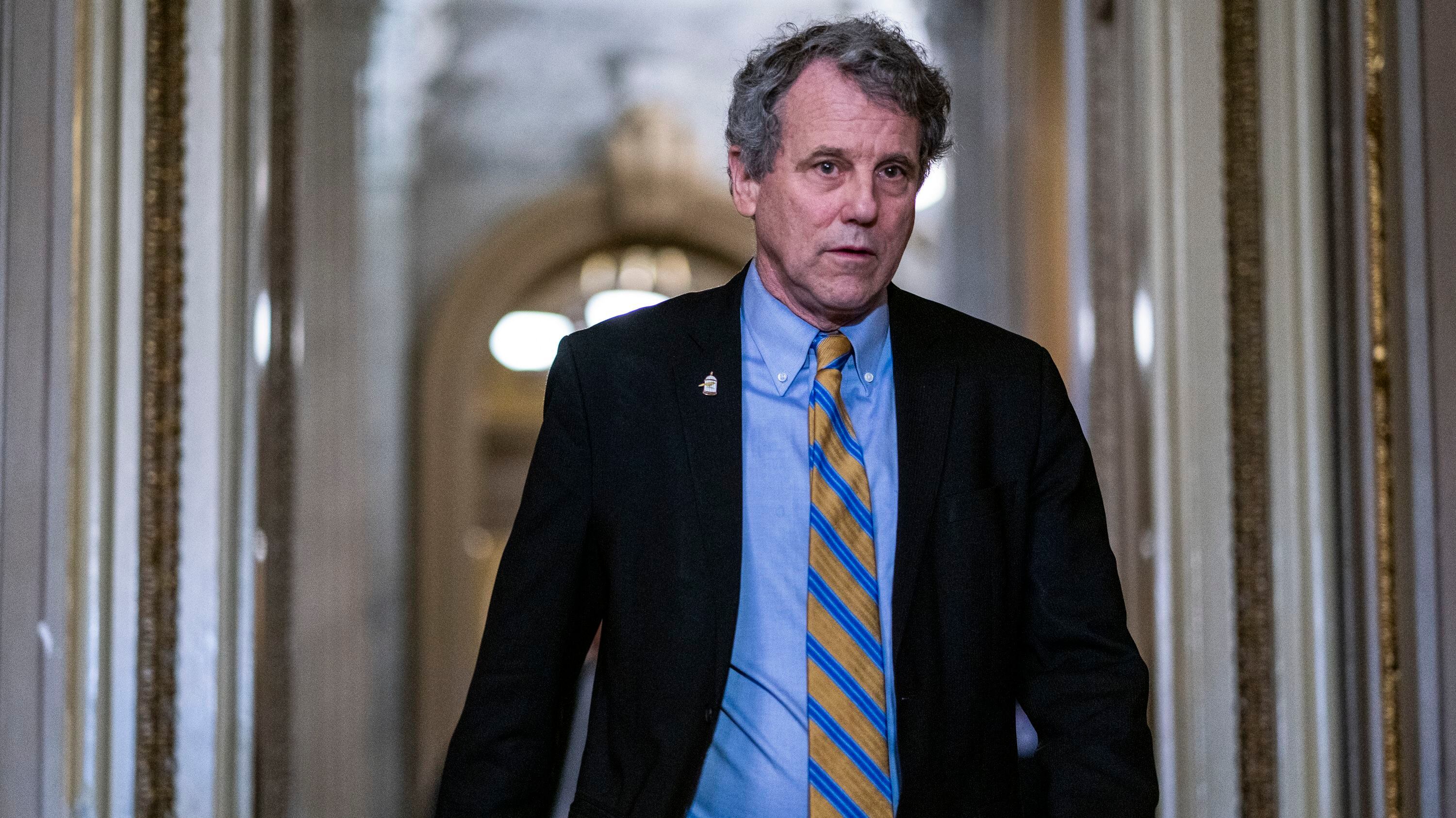
Ohio Senator Sherrod Brown is pushing forward with his proposal to provide a $10,000 payoff to all federal student loan borrowers in the next round of stimulus funding.