*By Spencer Feingold*
Nevada's 2020 Democratic caucus is still over eight months away, but party organizers are wasting no time in their efforts to draw the broadest possible swath of the constituency into the process.
"We think this contest is going to be really competitive here," Shelby Wiltz, the state's 2020 caucus director, told Cheddar. "We have a really diverse state, and Nevadans are really reflective of what the electorate across the country is going to look like in 2020."
Like Iowa and a handful of other states, Nevada Democrats elect their presidential nominee through a caucus, which entails voters gathering to openly debate and decide on a candidate. This process differs from a primary — used in the majority of states — where voters simply cast a ballot and leave.
Yet the Silver State now offers multiple options for caucusing to ensure a high turnout. Aside from participating on caucus day, voters now have the option to make their voices heard through a four-day early caucus period or by participating in a virtual caucus, which will allow residents to phone-in their preferred candidates.
It is "an option for folks who may have a disability, folk who are homebound due to illness, single parents, or parents in general who are busy and taking care of their kids and may not have time to come to the caucus," Wiltz said.
The phone option will be available to the [roughly 667,000](https://www.nvsos.gov/sos/home/showdocument?id=6171) Nevada Democrats in English, Spanish, and Tagalog.
"Folks are eager to get involved, they are eager to come out and vote," Wiltz added. "We have really strong prospects for the future."
The actual in-person caucus is set for February 22, 2020; the date for the Republican Nevada caucus has not yet been announced.
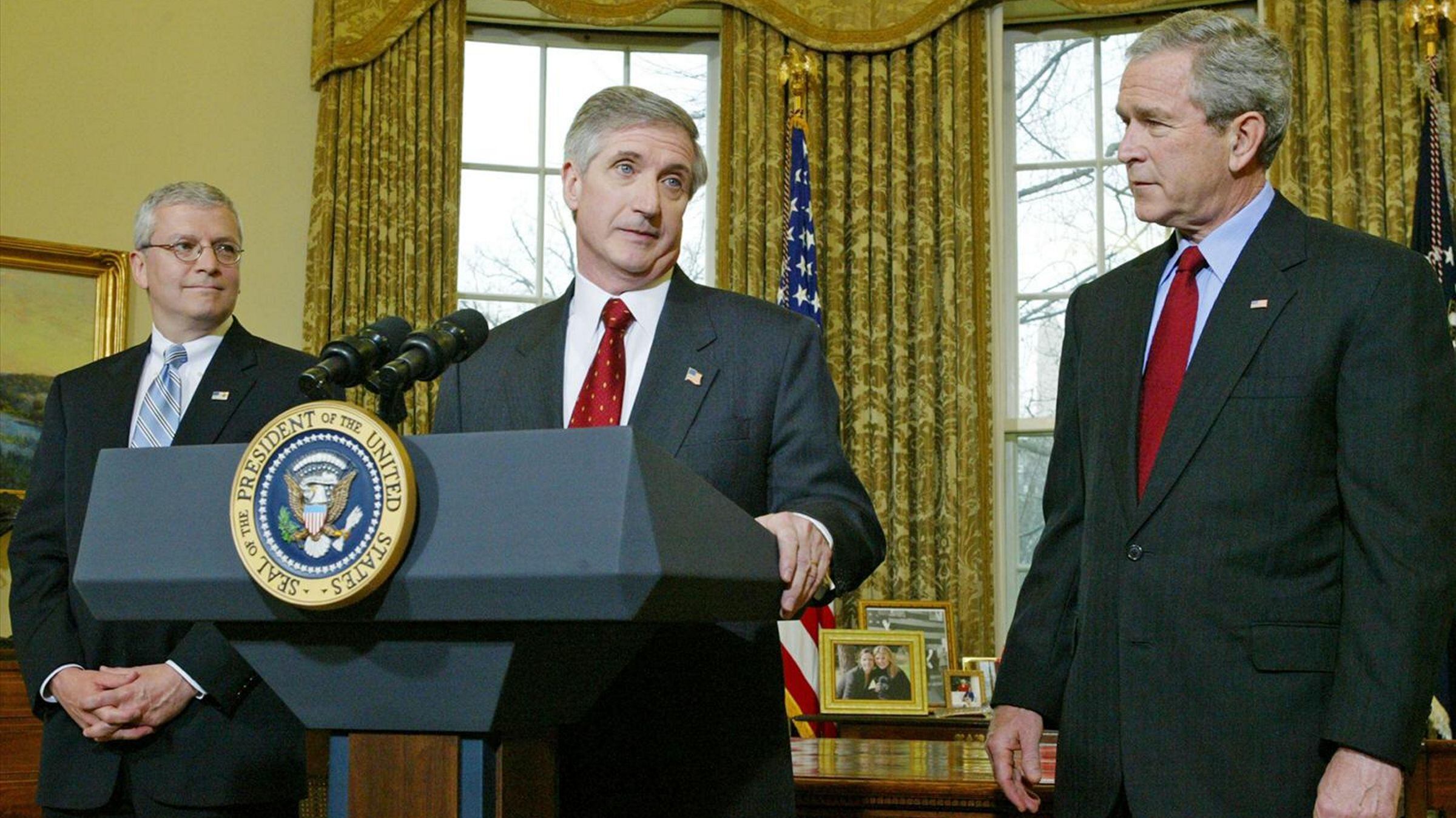
Andy Card, the White House chief of staff who famously informed President George W. Bush of the Sept. 11, 2001 attacks, offered some pointers on how to handle a national crisis.
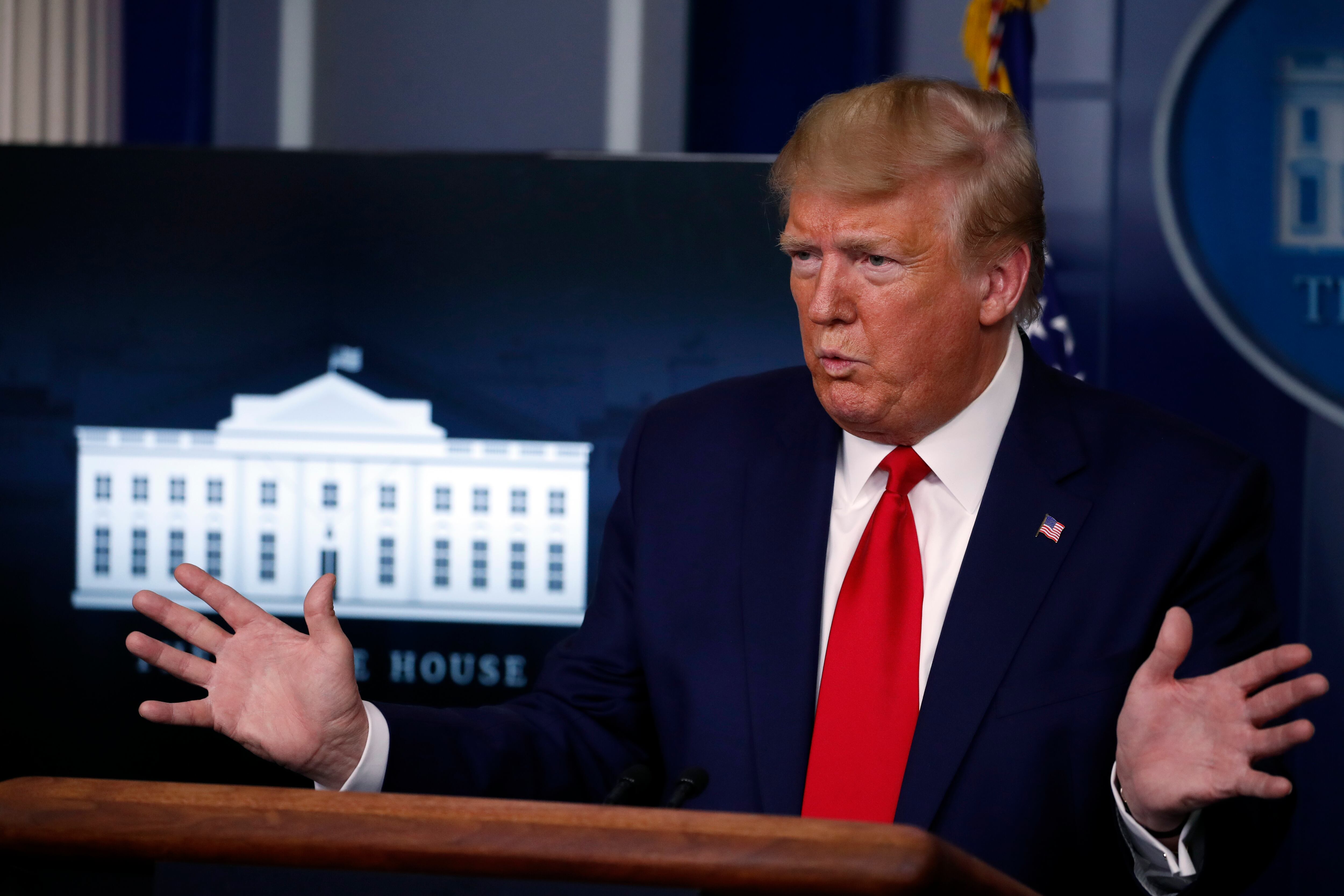
President Donald Trump on Monday disputed the veracity of a federal survey that found hospitals faced severe shortages of coronavirus test supplies, questioning whether its conclusions were skewed by politics.
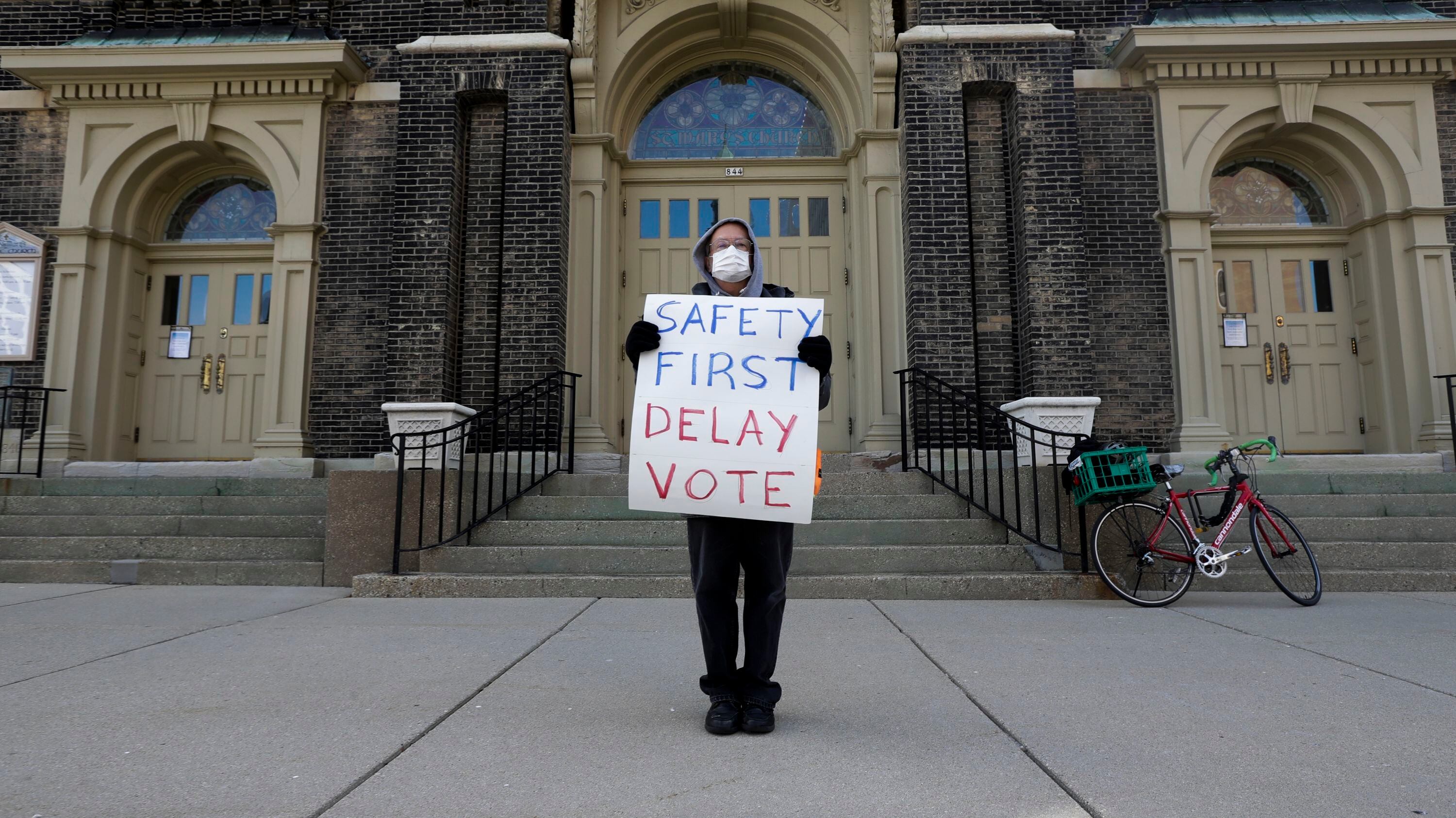
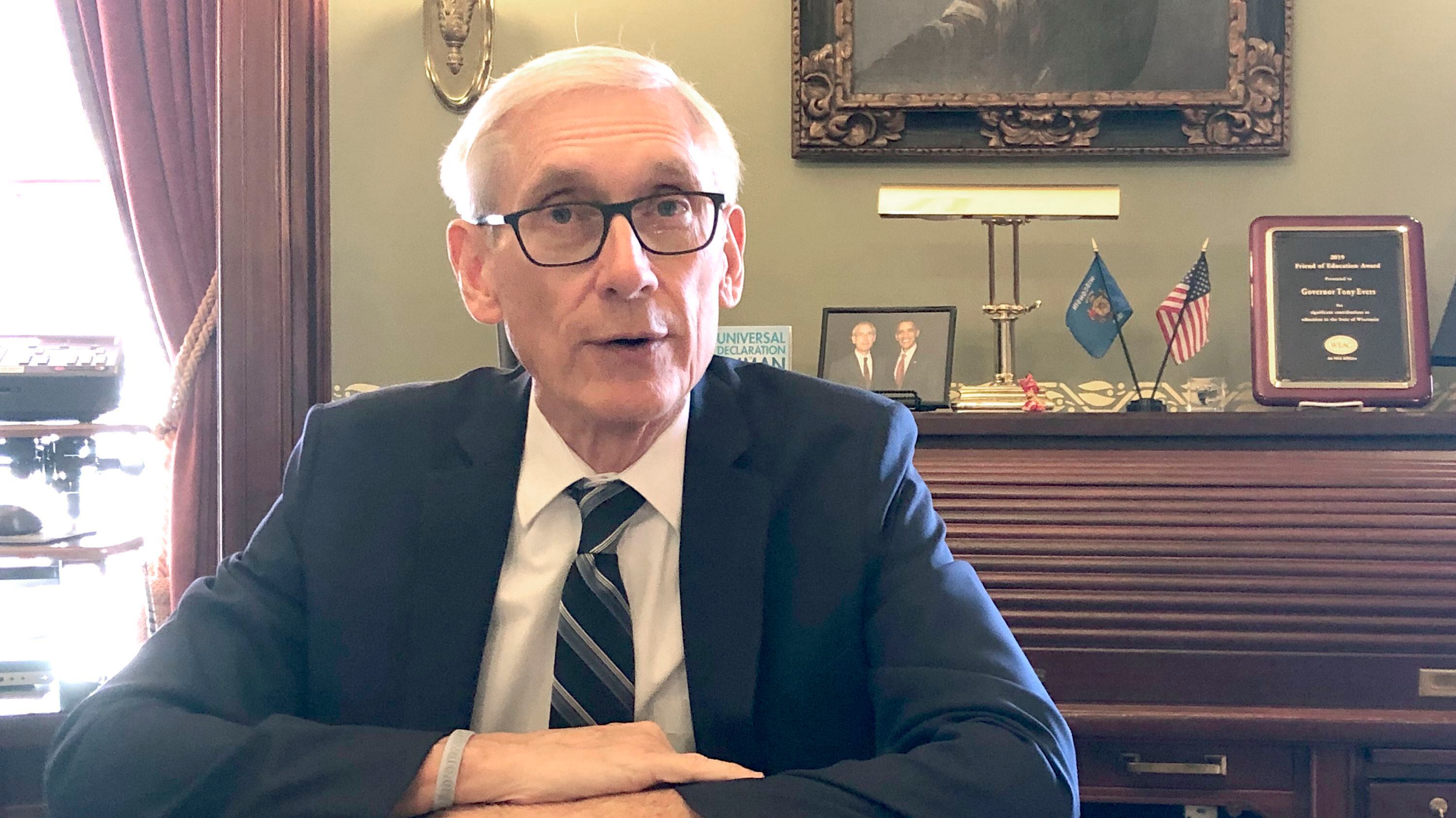
Wisconsin’s presidential primary election will proceed Tuesday under an order from the state Supreme Court that came just hours after Democratic Gov. Tony Evers tried to postpone voting as part of a last-ditch effort amid growing fears over the coronavirus.
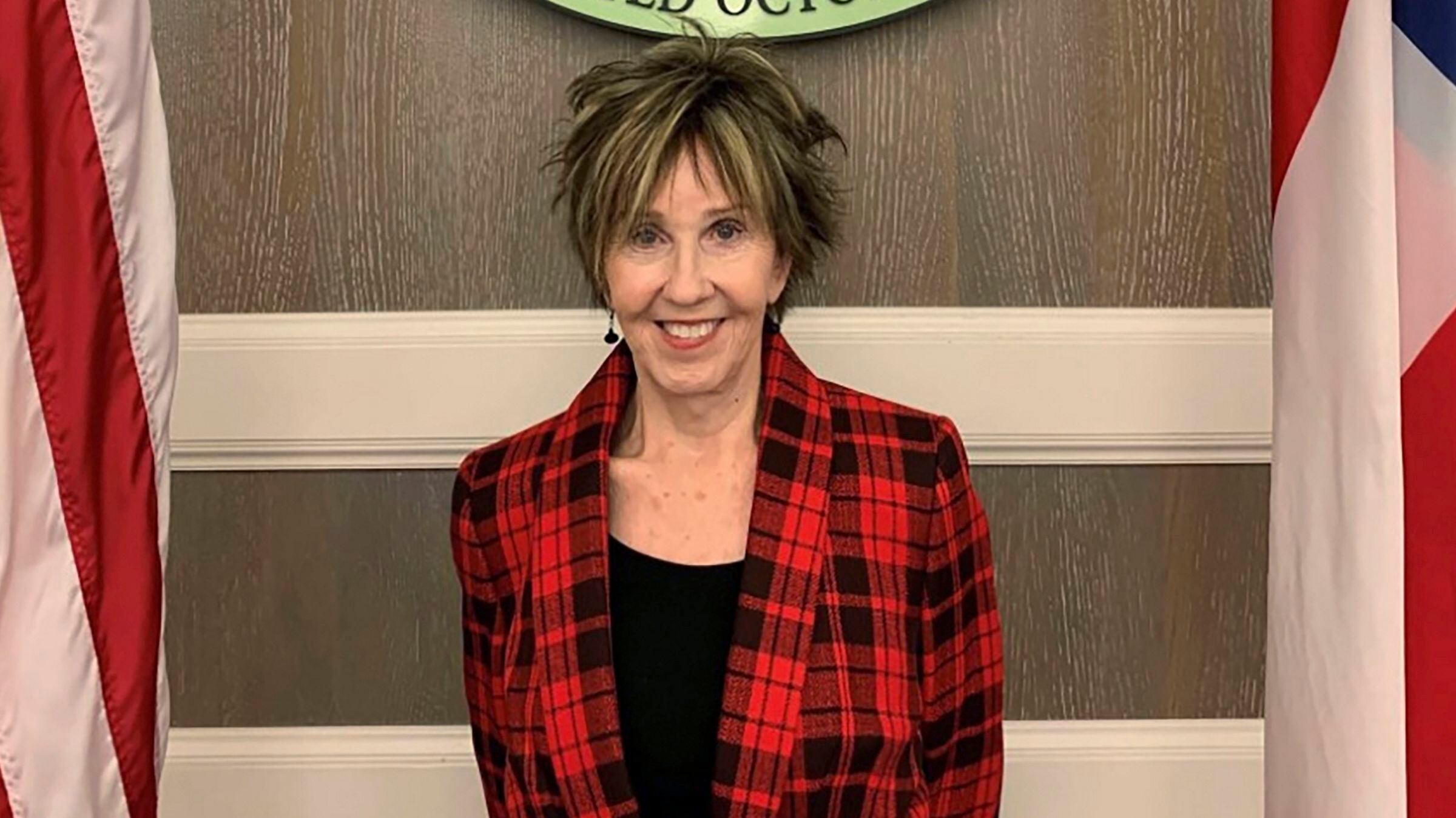
The city's Mayor Shirley Sessions, who called the governor's decision "reckless," told Cheddar Monday that she vows to fight back against this exception to his mandate.
New Jersey Gov. Phil Murphy delivered a message of cautious optimism on Monday while relaying the latest COVID-19 data gathered by the state.
Announcing 599 deaths in the last 24 hours, Cuomo called the fatality number “effectively flat for two days,” which he said hints at a possible flattening of New York’s curve, along with fewer hospital and ICU admissions
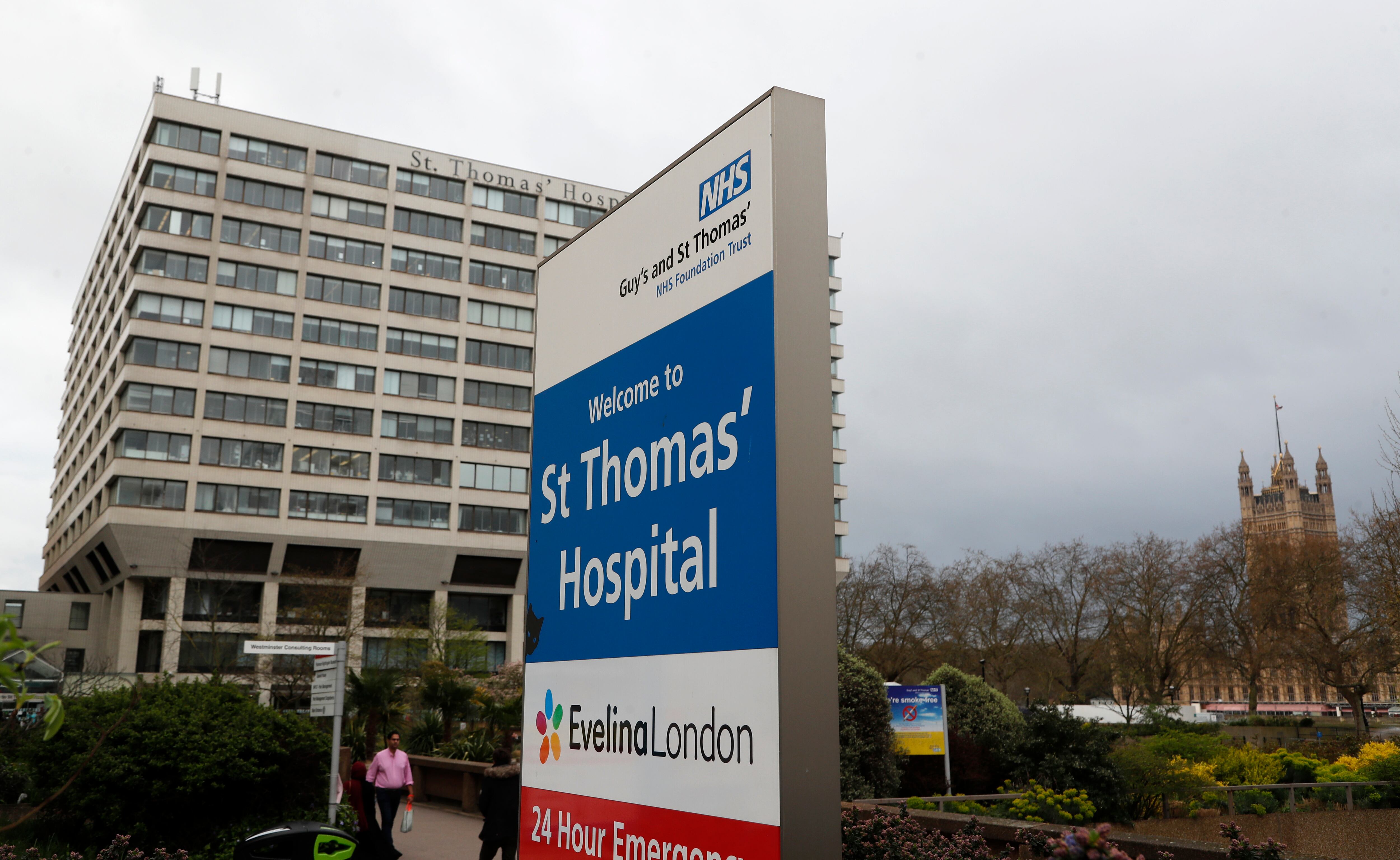
British Prime Minister Boris Johnson was moved to the intensive care unit of a London hospital after his coronavirus symptoms worsened Monday, just a day after he was admitted for what were said to be routine tests.
A look at the provisions for student loans in the recently passed CARES Act.
Wisconsin Gov. Tony Evers has issued an executive order to delay the state’s scheduled Tuesday presidential primary election for two months because of the coronavirus pandemic.
New York City could start burying its dead in city parks if the mortality rate from coronavirus doesn’t decline soon, according to City Council Health Committee Chair Mark Levine.