*By Spencer Feingold*
Nevada's 2020 Democratic caucus is still over eight months away, but party organizers are wasting no time in their efforts to draw the broadest possible swath of the constituency into the process.
"We think this contest is going to be really competitive here," Shelby Wiltz, the state's 2020 caucus director, told Cheddar. "We have a really diverse state, and Nevadans are really reflective of what the electorate across the country is going to look like in 2020."
Like Iowa and a handful of other states, Nevada Democrats elect their presidential nominee through a caucus, which entails voters gathering to openly debate and decide on a candidate. This process differs from a primary — used in the majority of states — where voters simply cast a ballot and leave.
Yet the Silver State now offers multiple options for caucusing to ensure a high turnout. Aside from participating on caucus day, voters now have the option to make their voices heard through a four-day early caucus period or by participating in a virtual caucus, which will allow residents to phone-in their preferred candidates.
It is "an option for folks who may have a disability, folk who are homebound due to illness, single parents, or parents in general who are busy and taking care of their kids and may not have time to come to the caucus," Wiltz said.
The phone option will be available to the [roughly 667,000](https://www.nvsos.gov/sos/home/showdocument?id=6171) Nevada Democrats in English, Spanish, and Tagalog.
"Folks are eager to get involved, they are eager to come out and vote," Wiltz added. "We have really strong prospects for the future."
The actual in-person caucus is set for February 22, 2020; the date for the Republican Nevada caucus has not yet been announced.
Sergeant First Class Christopher Jones talked to Cheddar about how the U.S. Army eSports division, launched out of Fort Knox, Tennessee as a recruitment effort, is thriving amid the coronavirus pandemic.
Stocks are ending lower on Wall Street as tensions flared again between the U.S. and China and as more dismal news came out detailing economic fallout from the coronavirus pandemic.
Stocks were wavering between gains and losses in morning trading on Wall Street Thursday.
The Supreme Court is temporarily preventing the House of Representatives from obtaining secret grand jury testimony from special counsel Robert Mueller’s Russia investigation.
Chris Soukup, CEO of Communication Service for the Deaf discussed with Cheddar the challenges facing the community with a lack of resources and much of the new normal stemming from stay-at-home orders.
U.S. health officials have quietly released more reopening guidance that was created more than a month ago but initially shelved.
Biden campaign senior advisor Symone Sanders told Cheddar on Tuesday,"Vice President Biden said just last week he can't wait to get back out there on the campaign trail, but we're going to do so when it's safe."
Dr. Leana Wen, an emergency physician, explained the potential risks of taking hydroxychloroquine, and how President Trump needs to change his rhetoric for the sake of public health.
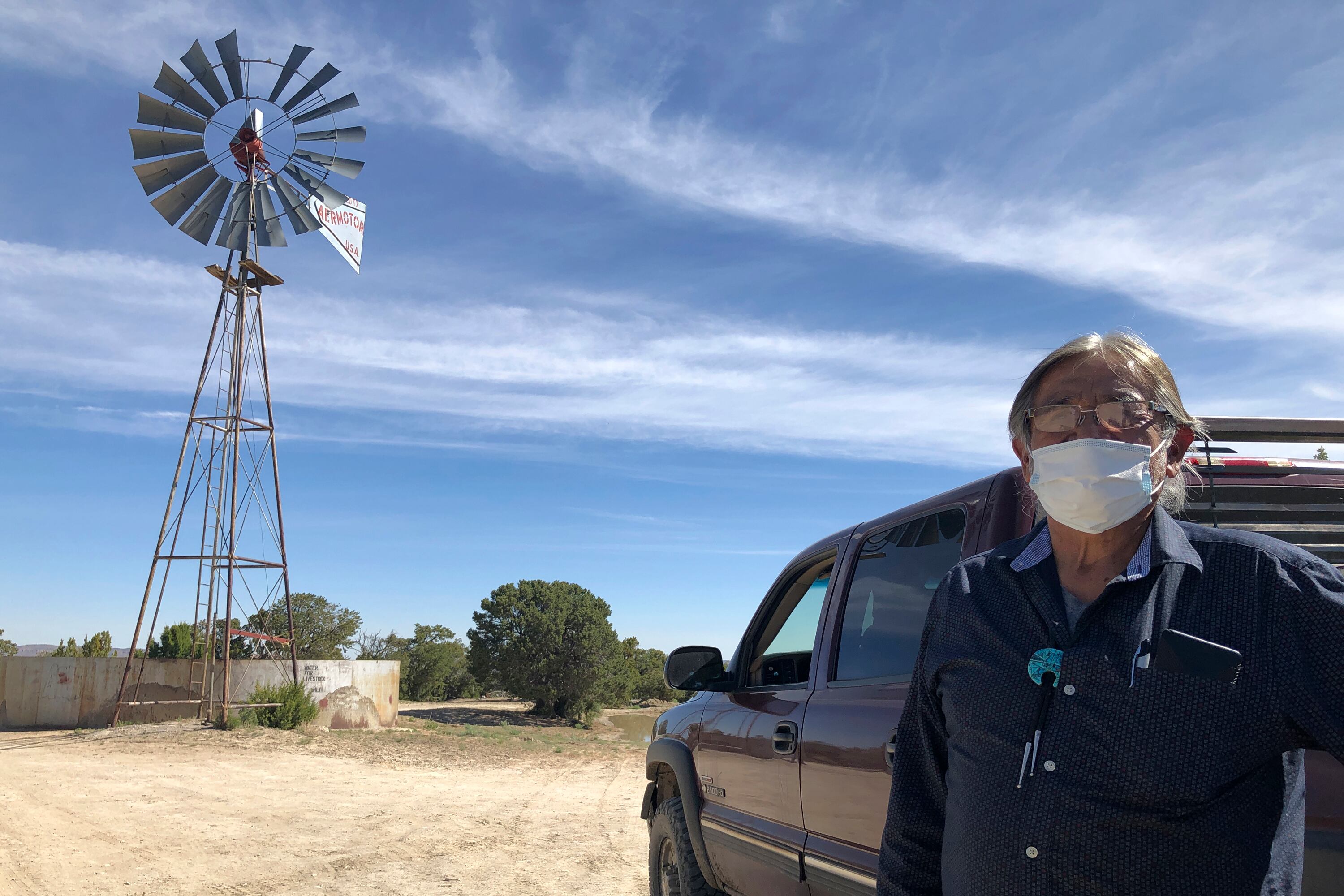
Even as some states begin the process of reopening their economies, Native American tribes are dealing with disproportionate challenges during the pandemic. The Navajo Nation, in particular, has suffered greatly. "The native communities are the ones that are suffering the most from the virus," former New Mexico Governor Bill Richardson told Cheddar. "Close to 30 to 40 percent of those that are afflicted are tribal members, especially the Navajo Nation."
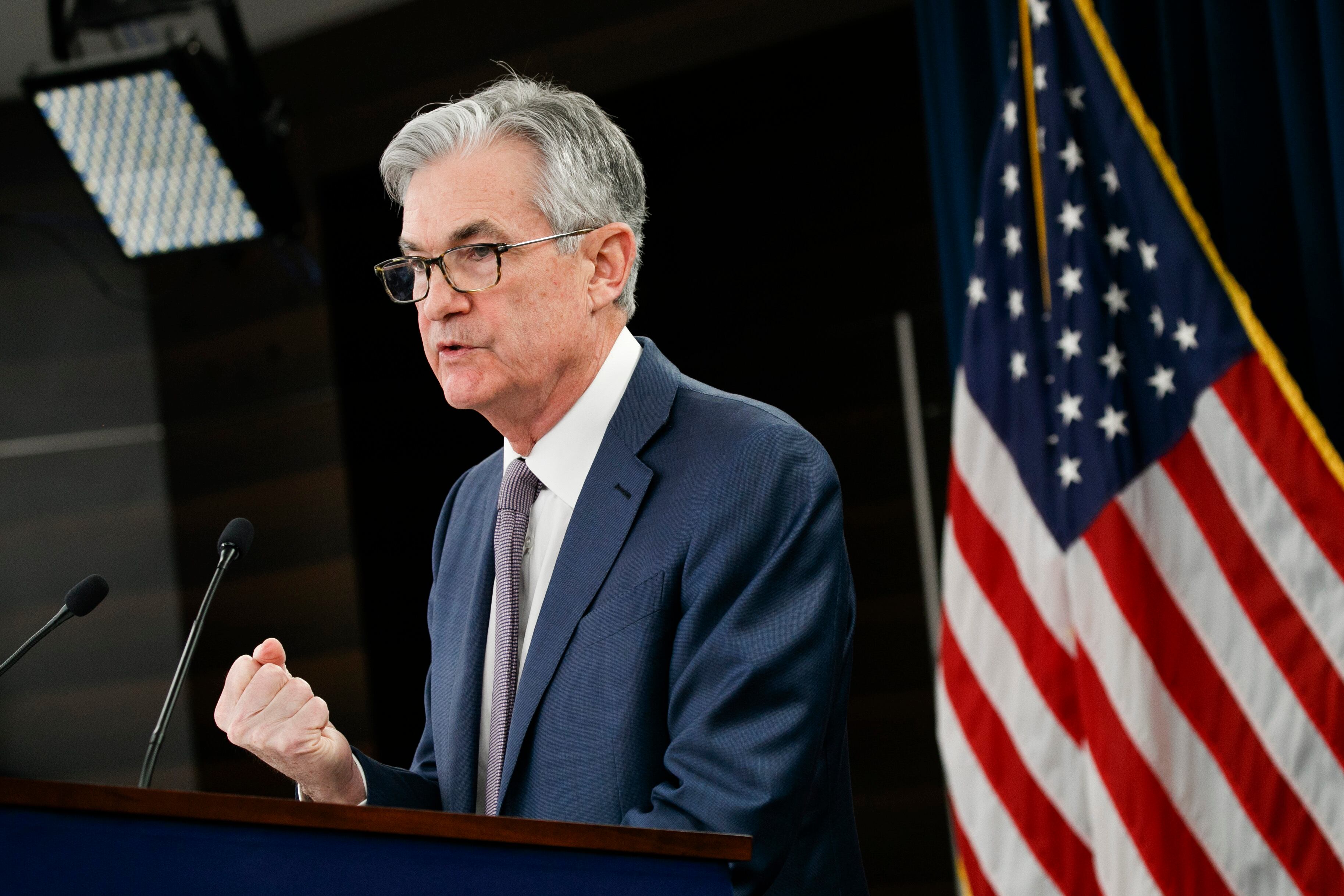
Federal Reserve Chair Jerome Powell said Tuesday that the central bank’s lending programs for medium-sized businesses and state and local governments will be operational by the end of this month.