*By Spencer Feingold*
Nevada's 2020 Democratic caucus is still over eight months away, but party organizers are wasting no time in their efforts to draw the broadest possible swath of the constituency into the process.
"We think this contest is going to be really competitive here," Shelby Wiltz, the state's 2020 caucus director, told Cheddar. "We have a really diverse state, and Nevadans are really reflective of what the electorate across the country is going to look like in 2020."
Like Iowa and a handful of other states, Nevada Democrats elect their presidential nominee through a caucus, which entails voters gathering to openly debate and decide on a candidate. This process differs from a primary — used in the majority of states — where voters simply cast a ballot and leave.
Yet the Silver State now offers multiple options for caucusing to ensure a high turnout. Aside from participating on caucus day, voters now have the option to make their voices heard through a four-day early caucus period or by participating in a virtual caucus, which will allow residents to phone-in their preferred candidates.
It is "an option for folks who may have a disability, folk who are homebound due to illness, single parents, or parents in general who are busy and taking care of their kids and may not have time to come to the caucus," Wiltz said.
The phone option will be available to the [roughly 667,000](https://www.nvsos.gov/sos/home/showdocument?id=6171) Nevada Democrats in English, Spanish, and Tagalog.
"Folks are eager to get involved, they are eager to come out and vote," Wiltz added. "We have really strong prospects for the future."
The actual in-person caucus is set for February 22, 2020; the date for the Republican Nevada caucus has not yet been announced.
Driven by a rare urgency, Senate Republicans are poised to unveil an extensive package of policing changes that includes new restrictions on police chokeholds and other practices.
From Wall Street to Silicon Valley, these are the top stories that moved markets and had investors, business leaders, and entrepreneurs talking this week on Cheddar.
In its semi-annual monetary policy report to Congress, the central bank said that the COVID-19 outbreak was causing “tremendous human and economic hardship across the United States and around the world.”
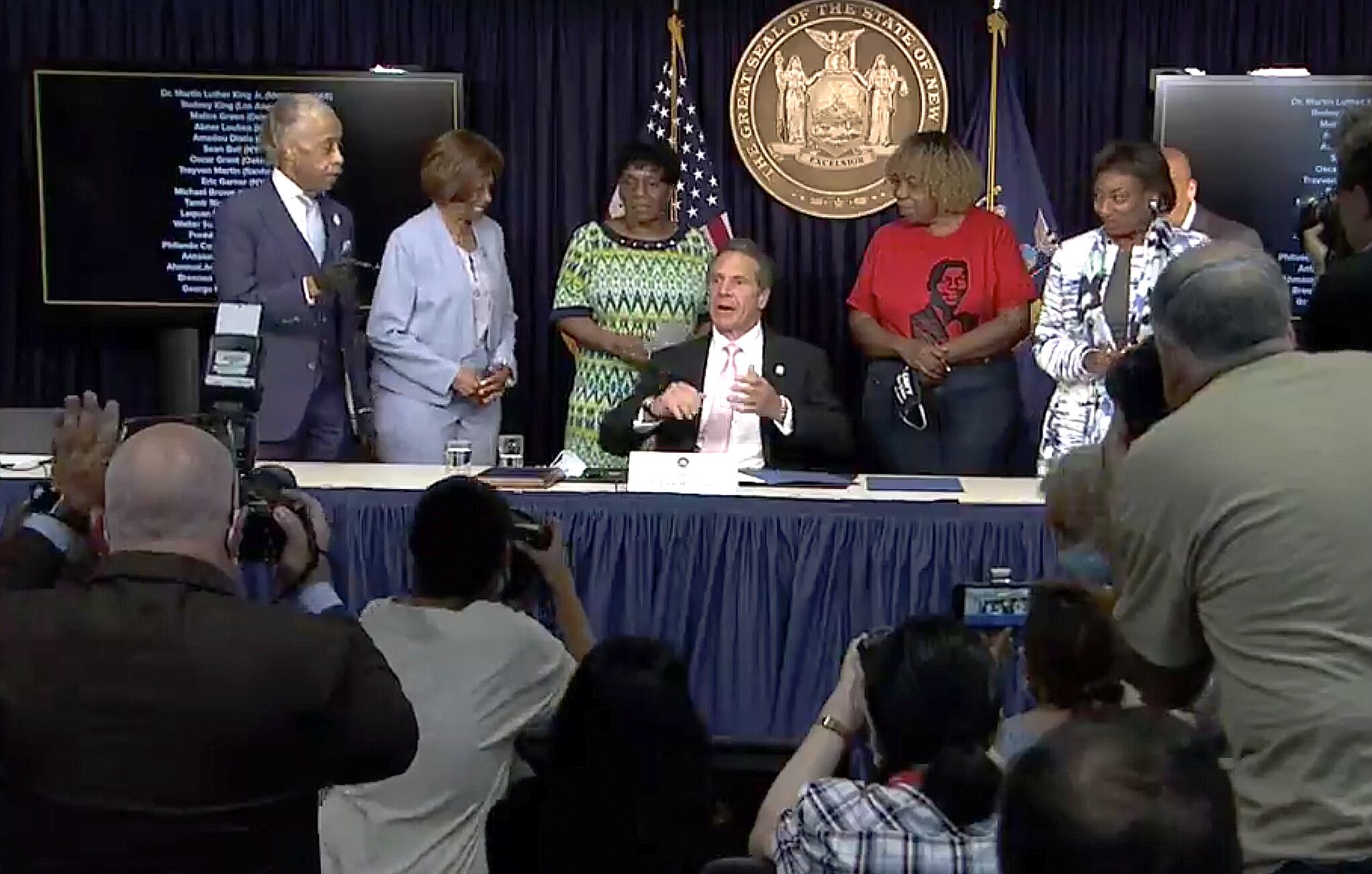
New York Gov. Andrew Cuomo has signed into law a sweeping package of police accountability measures that received new backing following protests of George Floyd's killing.
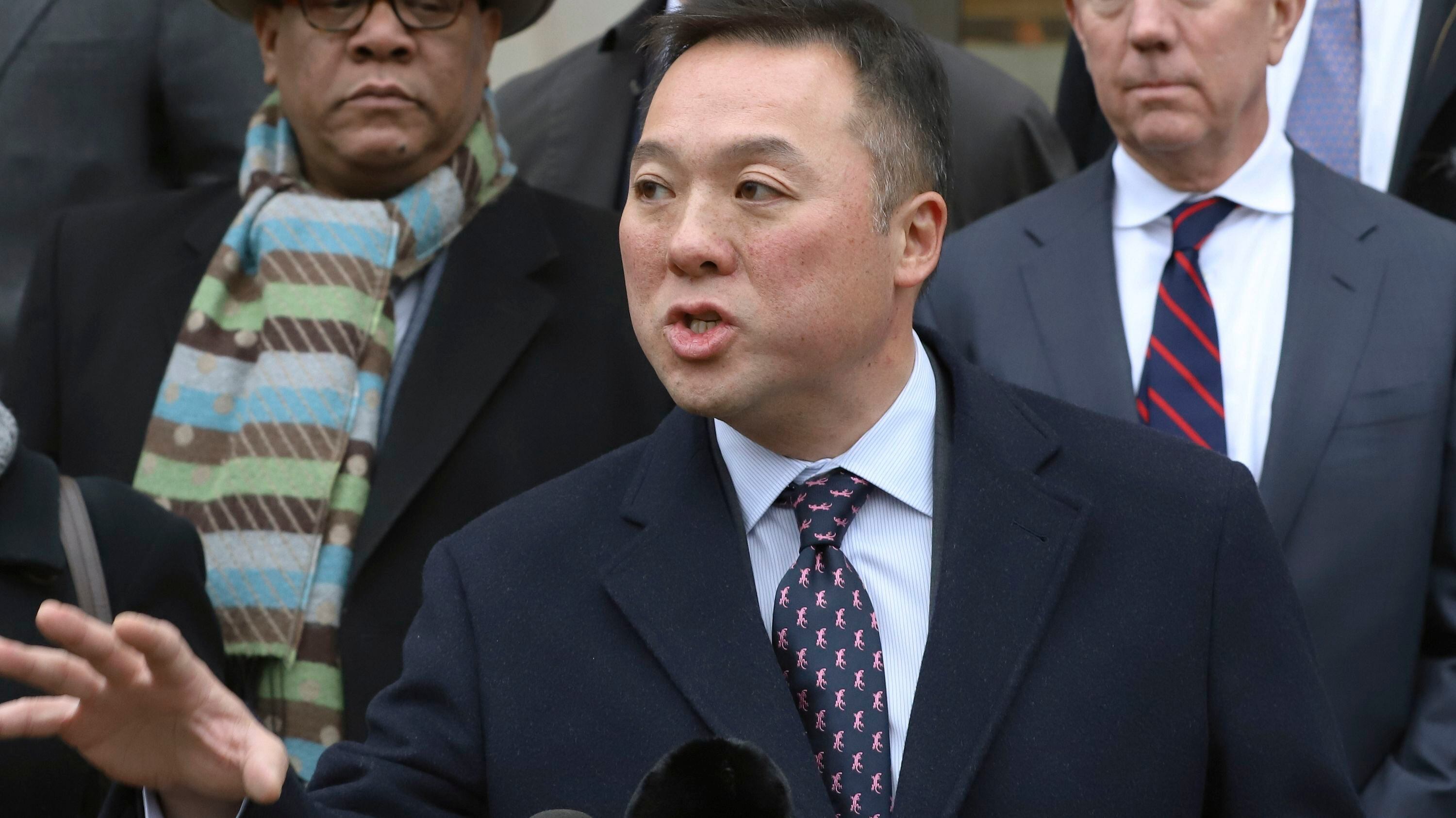
Connecticut Attorney General William Tong joined Cheddar to discuss the details of the investigation into the price-fixing of generic drugs.
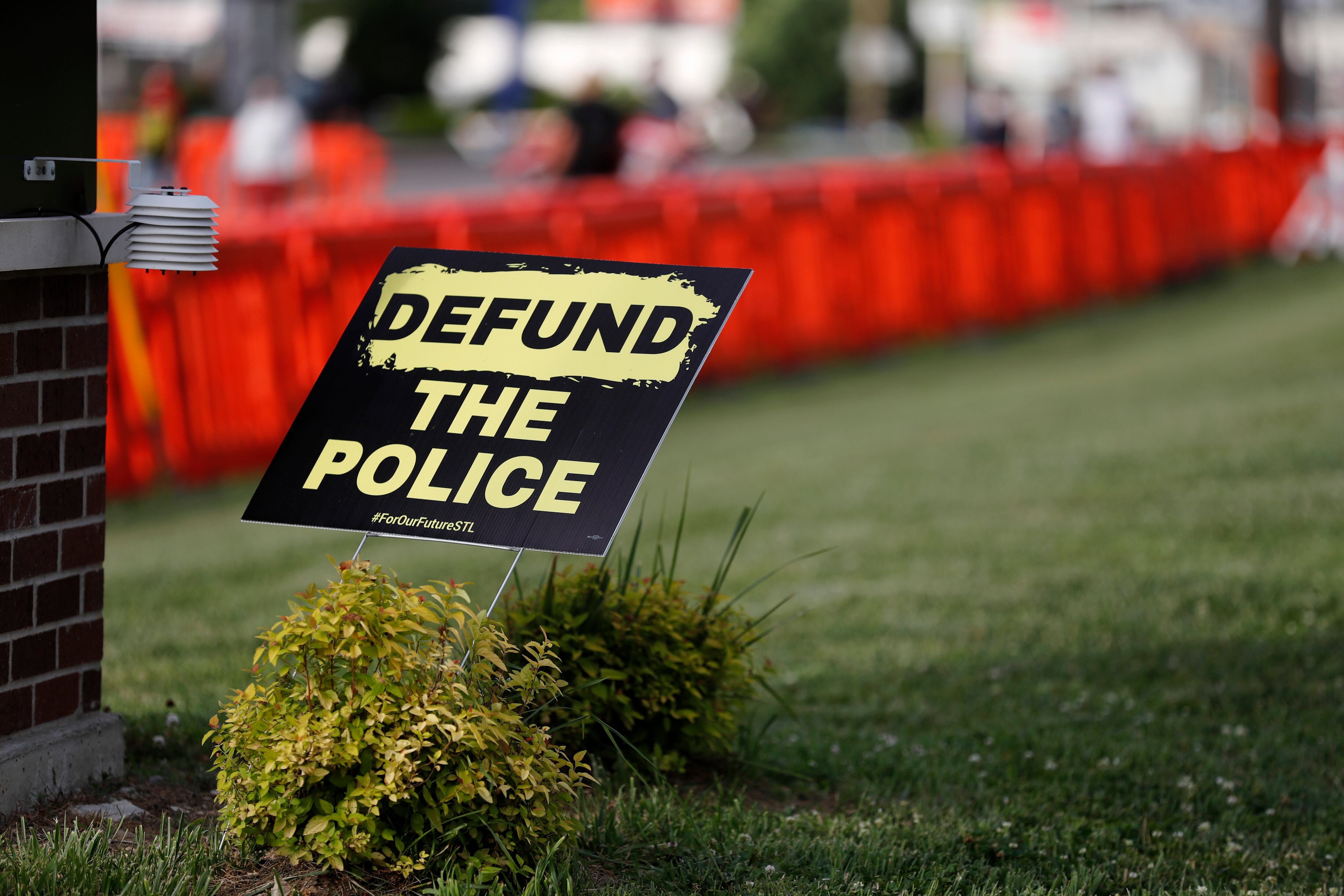
What exactly "defund" means in practice varies depending on who you're asking, but the broader goal is simple: funnel money away from law enforcement into other public programs.
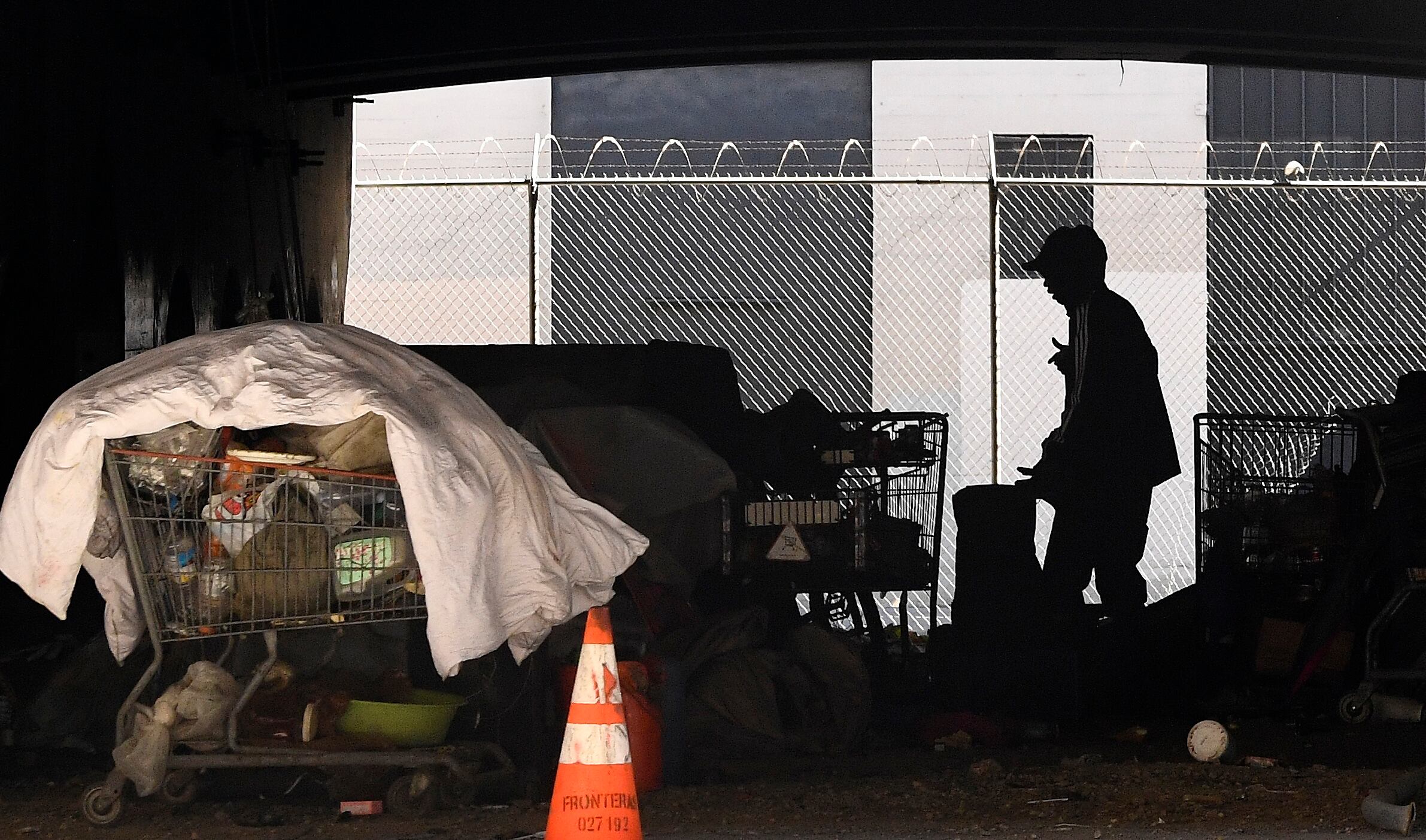
The problem of homelessness continues to get worse in Los Angeles County. The number of homeless people counted over the past year jumped nearly 13% to more than 66,000 and officials fear another spike due to the impact of the coronavirus pandemic.
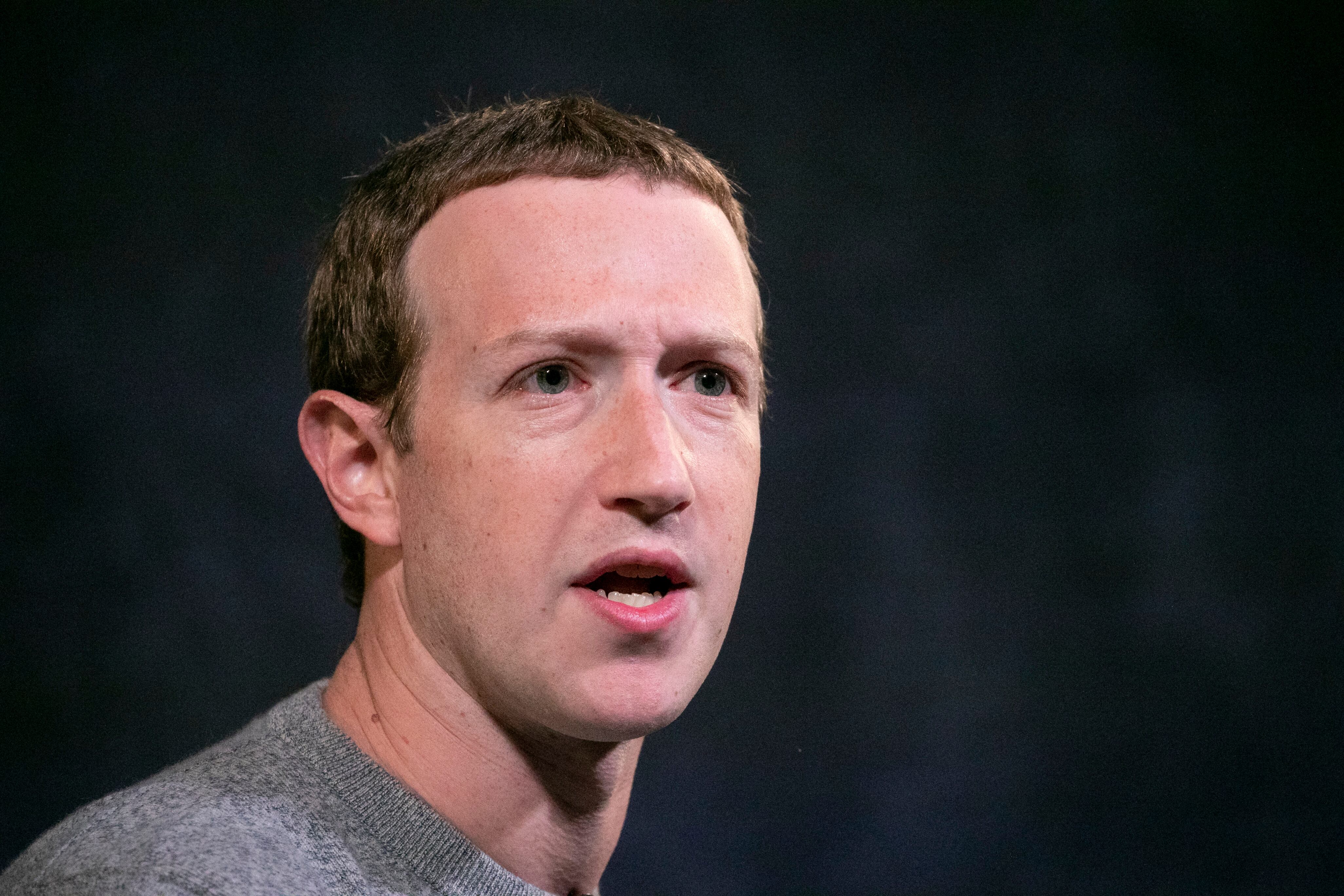
As Twitter waded into controversy for taking steps to fight misinformation and controversial remarks from perhaps its most famous tweeter, President Donald Trump, Facebook has taken the opposite tack, but with no less backlash.
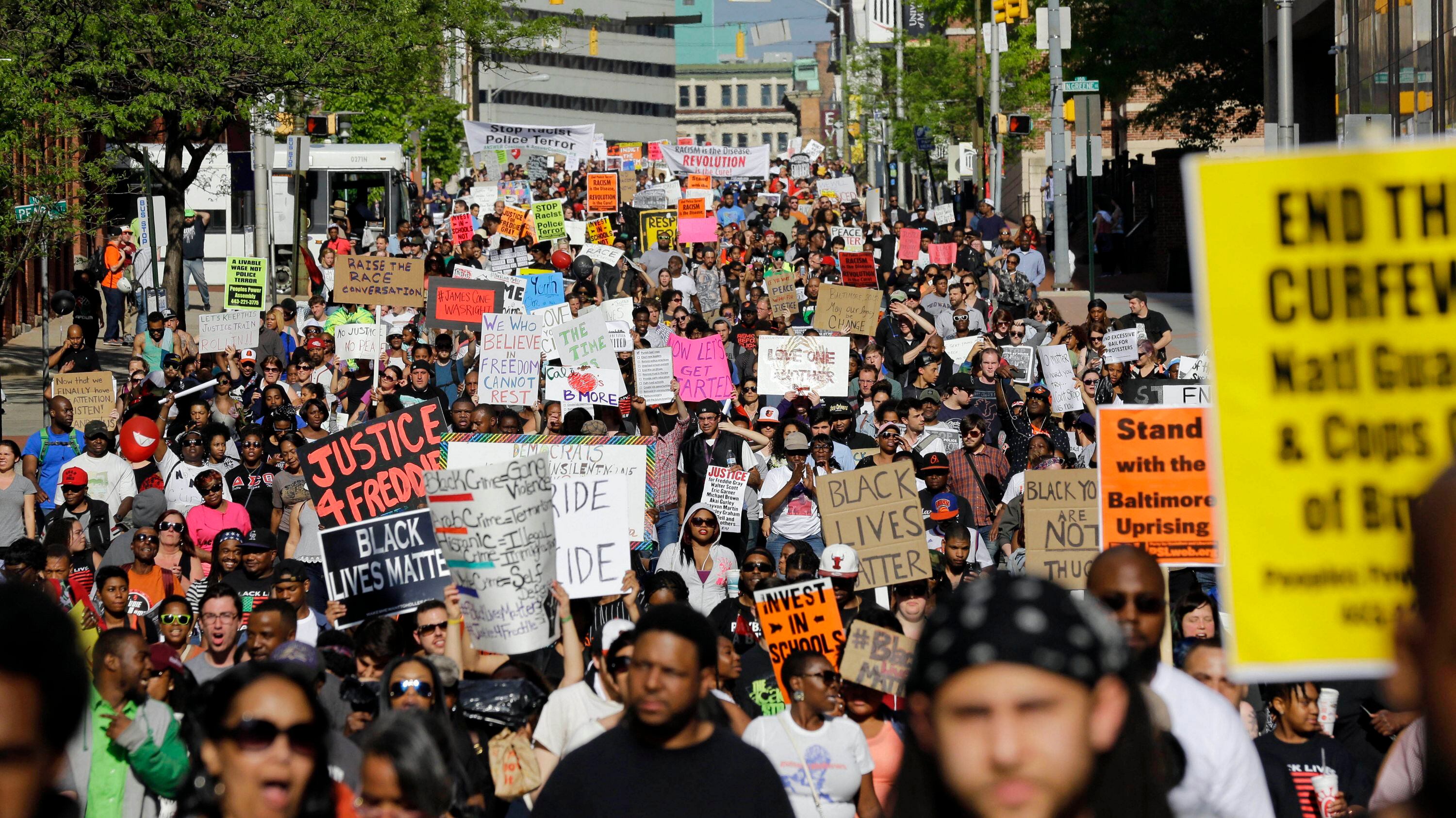
Will Jawando, Montgomery County, Maryland councilmember, has introduced a resolution deeming racism a public health crisis. Jawando explains how systemic racism negatively impacts the black community beyond policing.
he Dow Jones industrials lost more than 1,800 points, nearly 7%, as increases in coronavirus cases deflated optimism that the economy could recover quickly from its worst crisis in decades.