*By Spencer Feingold*
Nevada's 2020 Democratic caucus is still over eight months away, but party organizers are wasting no time in their efforts to draw the broadest possible swath of the constituency into the process.
"We think this contest is going to be really competitive here," Shelby Wiltz, the state's 2020 caucus director, told Cheddar. "We have a really diverse state, and Nevadans are really reflective of what the electorate across the country is going to look like in 2020."
Like Iowa and a handful of other states, Nevada Democrats elect their presidential nominee through a caucus, which entails voters gathering to openly debate and decide on a candidate. This process differs from a primary — used in the majority of states — where voters simply cast a ballot and leave.
Yet the Silver State now offers multiple options for caucusing to ensure a high turnout. Aside from participating on caucus day, voters now have the option to make their voices heard through a four-day early caucus period or by participating in a virtual caucus, which will allow residents to phone-in their preferred candidates.
It is "an option for folks who may have a disability, folk who are homebound due to illness, single parents, or parents in general who are busy and taking care of their kids and may not have time to come to the caucus," Wiltz said.
The phone option will be available to the [roughly 667,000](https://www.nvsos.gov/sos/home/showdocument?id=6171) Nevada Democrats in English, Spanish, and Tagalog.
"Folks are eager to get involved, they are eager to come out and vote," Wiltz added. "We have really strong prospects for the future."
The actual in-person caucus is set for February 22, 2020; the date for the Republican Nevada caucus has not yet been announced.
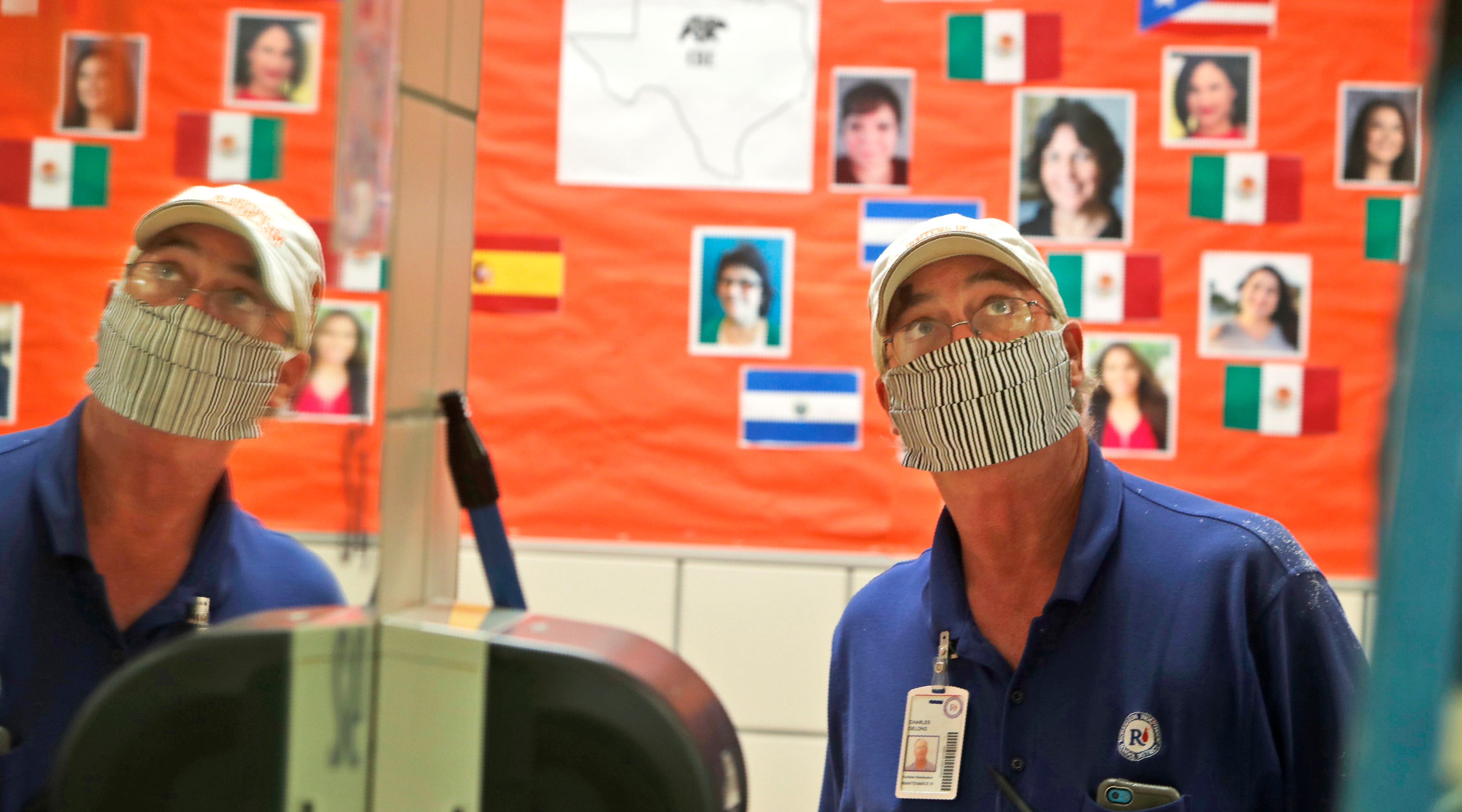
Arizona, Texas, and Florida are together reporting about 25,000 new coronavirus cases as new restrictions aimed at combating the spread of the pandemic take hold in the United States and around the world.
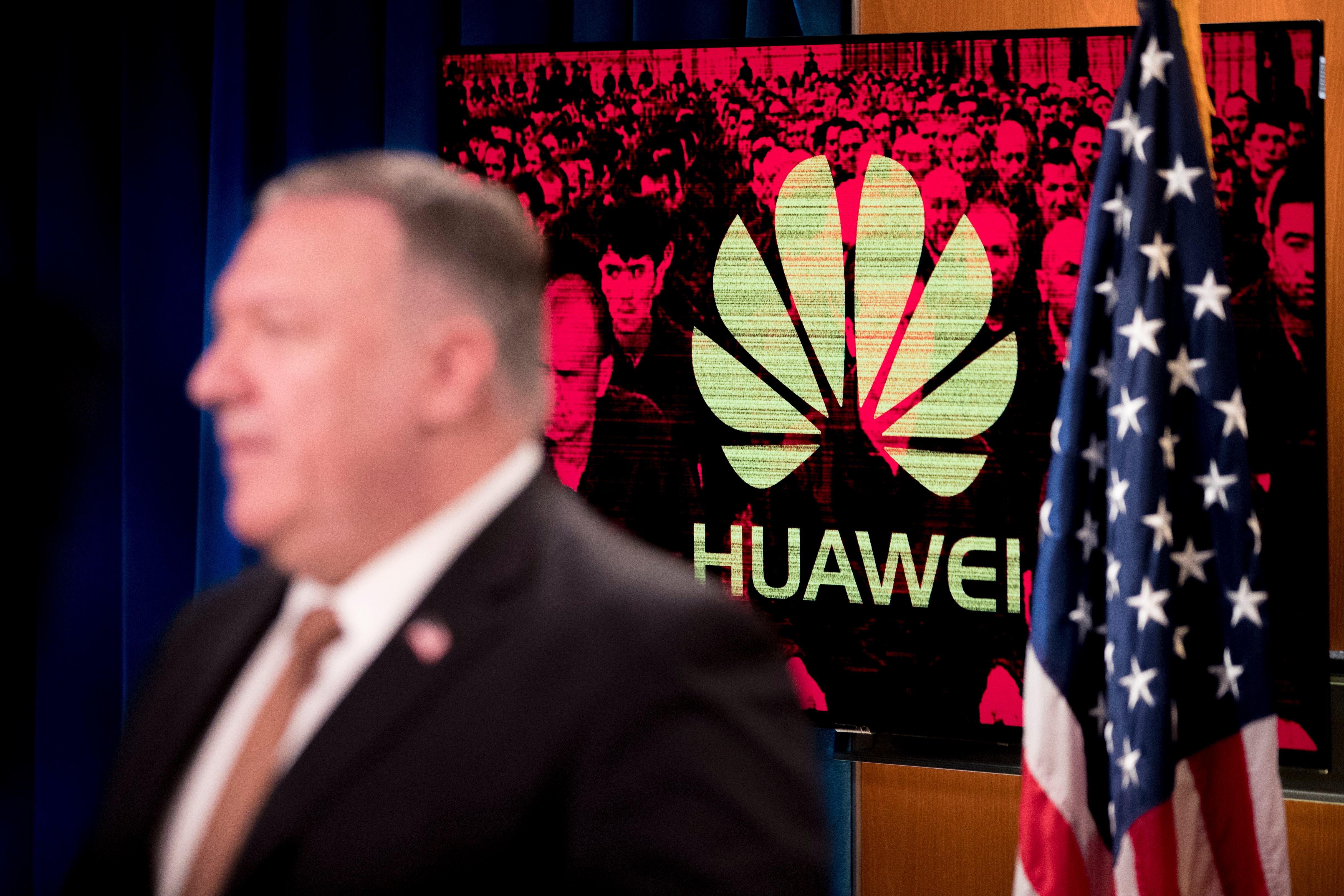
Secretary of State Mike Pompeo says the U.S. is imposing travel bans on employees of the Chinese technology giant Huawei and other companies the U.S. determines are assisting authoritarian governments in cracking down on human rights.
The initiative is geared toward students, mid-career workers and the millions now unemployed because of the new coronavirus. But the campaign, called “Find Something New,” was quickly bashed on social media as being tone deaf and inadequate for the times.
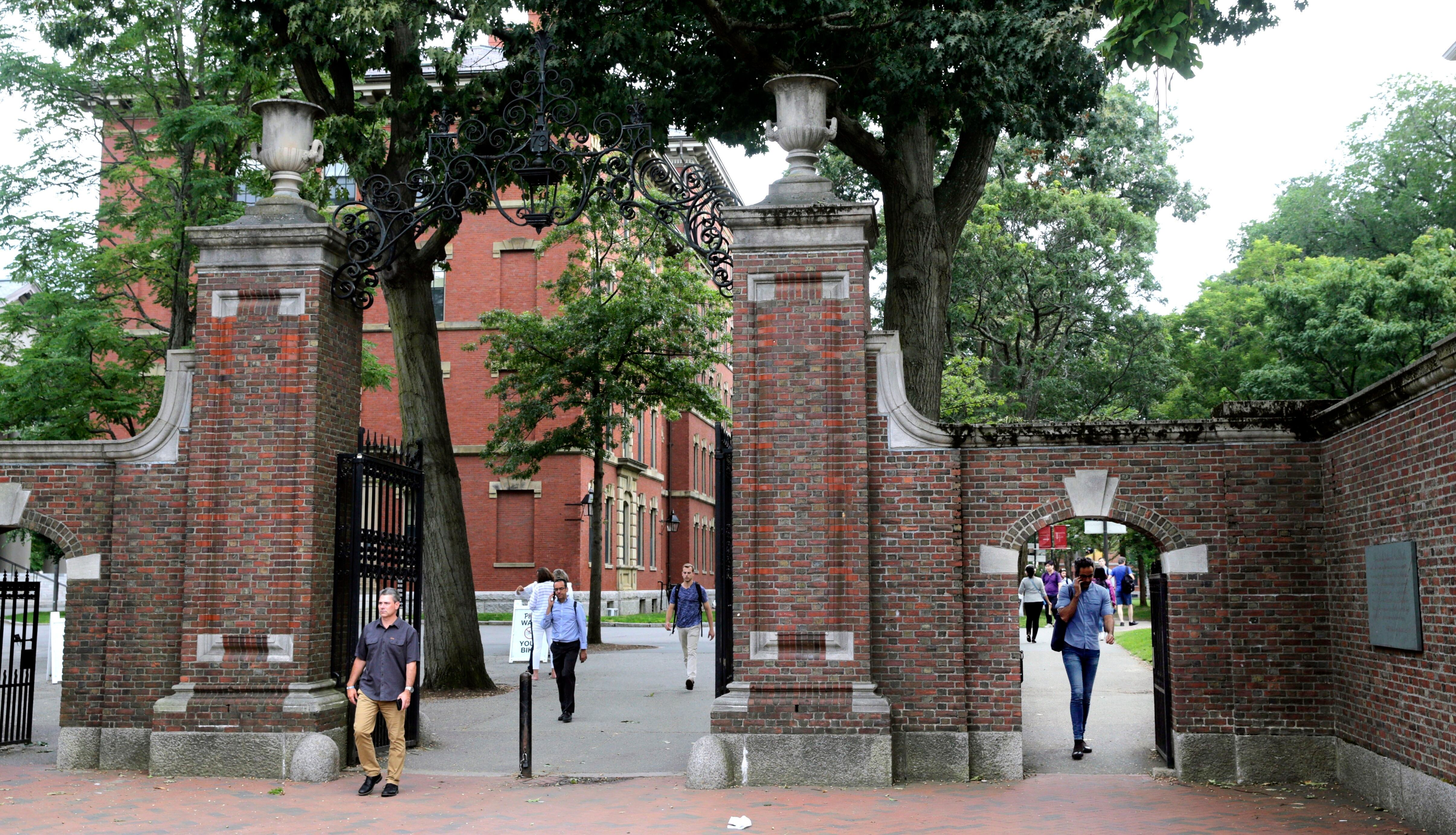
The Trump administration has rescinded a rule that would have required international students to transfer schools or leave the country if their colleges hold classes entirely online this fall because of the coronavirus pandemic.
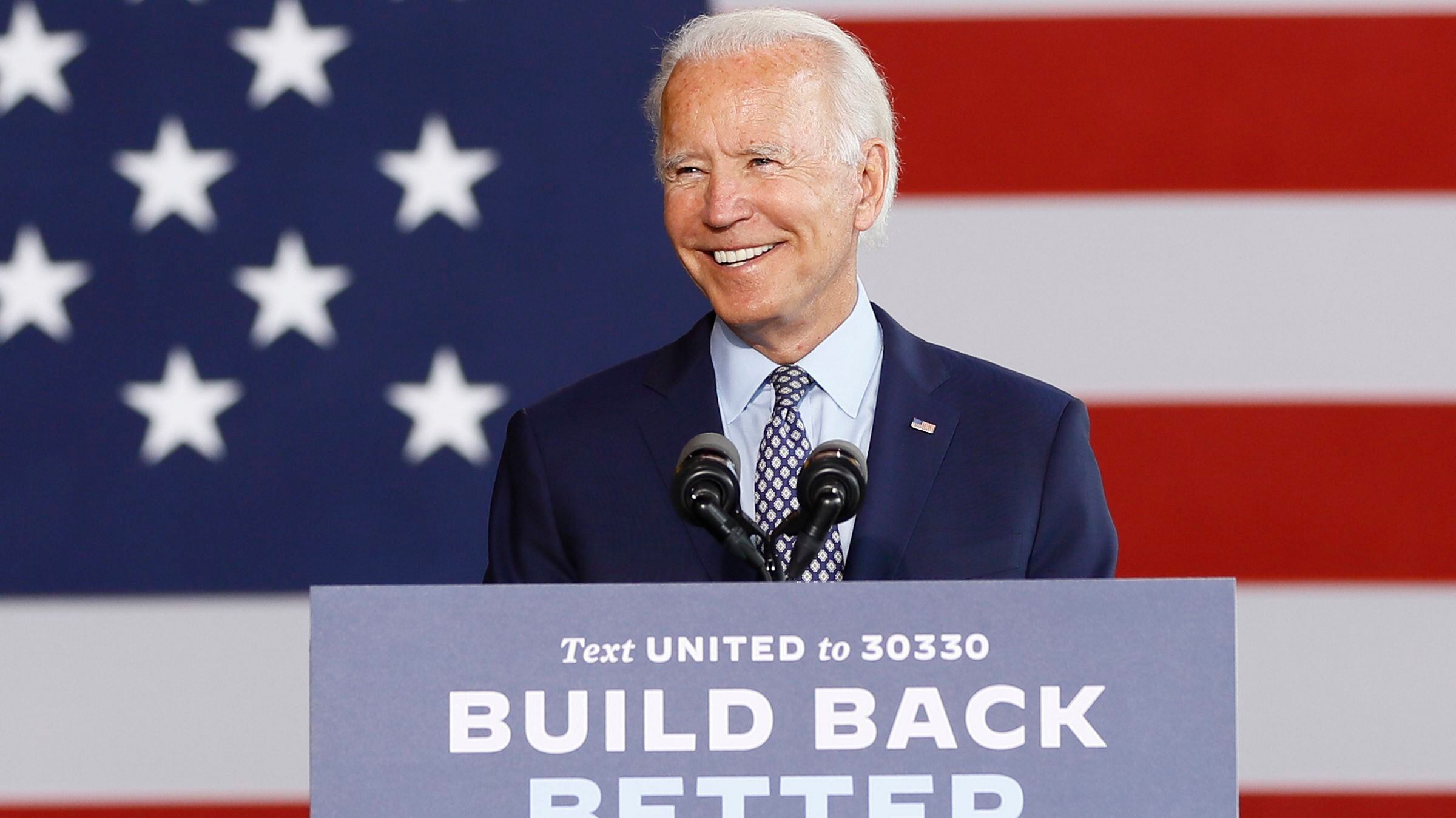
Joe Biden released a plan Tuesday aimed at combating climate change and spurring economic growth in part by overhauling America’s energy industry.
As enhanced unemployment benefits are set to expire at the end of July, HUD secretary Carson, discusses the Trump administration's 'tool kit' meant to protect Americans from evictions beyond the coronavirus pandemic.
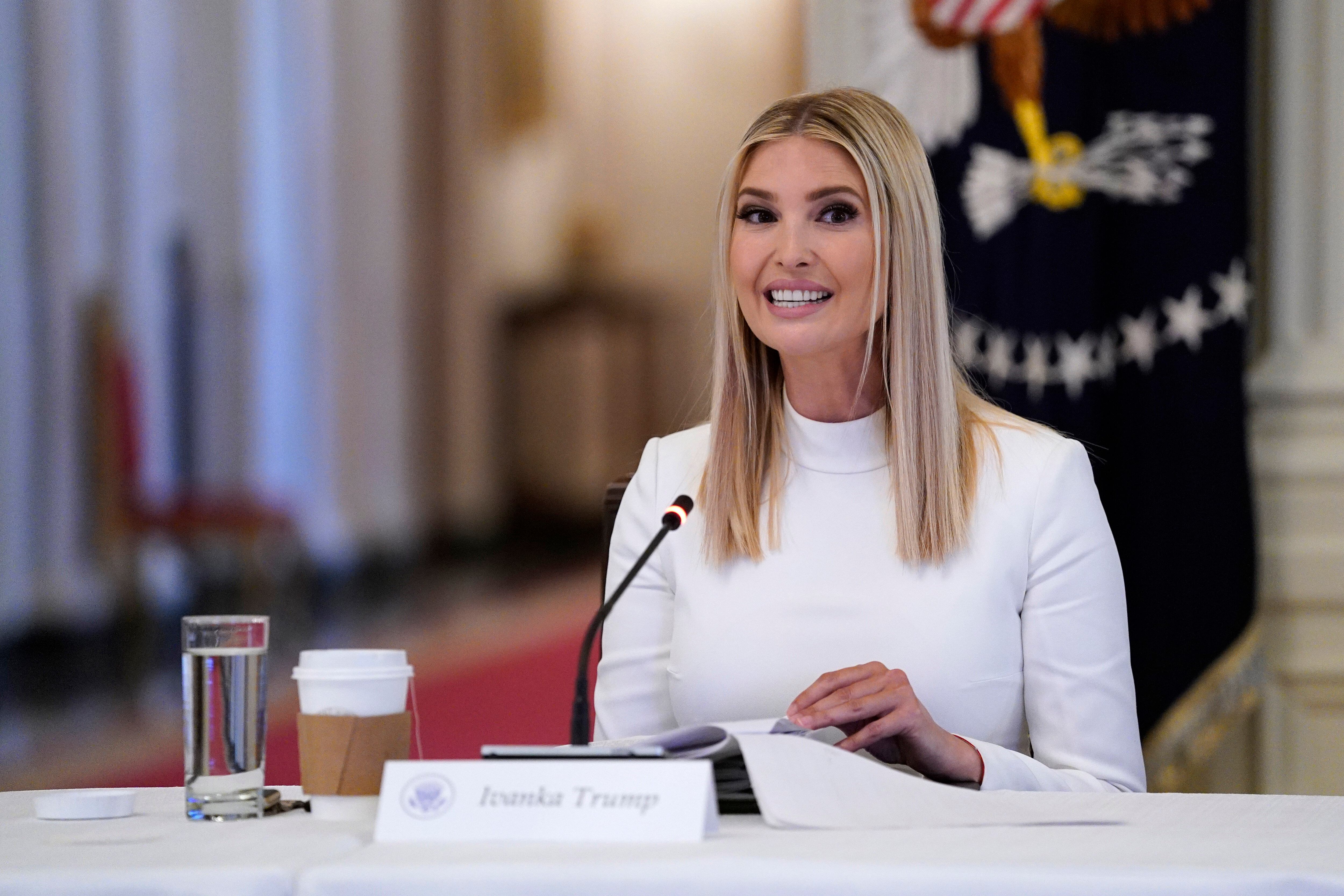
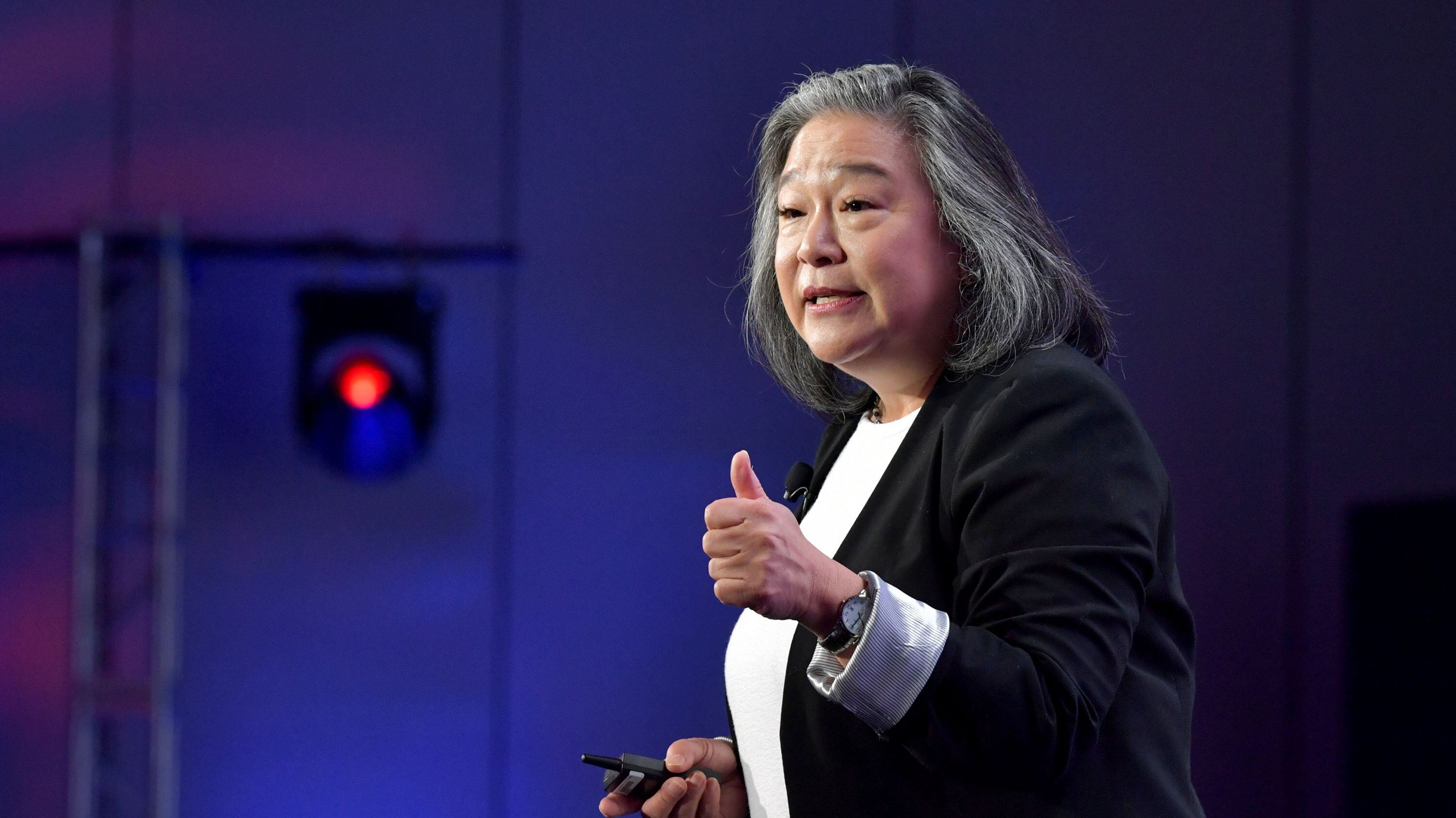
Tina Tchen, president and CEO of Time's Up, provides insight into how companies can go about addressing inequities in the workplace.
California Gov. Gavin Newsom has extended the closure of bars and indoor dining statewide and has ordered gyms, churches and hair salons closed in most places as coronavirus cases keep rising.
The United States is grappling with the worst coronavirus outbreak in the world, as Florida shattered the national record for a state’s largest single-day increase in new confirmed cases with a reported 15,299.
Julian Castro, former secretary of Housing & Urban Development, talks about the importance of stable housing for Americans. Castro also dissects former VP Joe Biden's plan to combat the housing crisis.