*By Spencer Feingold*
Nevada's 2020 Democratic caucus is still over eight months away, but party organizers are wasting no time in their efforts to draw the broadest possible swath of the constituency into the process.
"We think this contest is going to be really competitive here," Shelby Wiltz, the state's 2020 caucus director, told Cheddar. "We have a really diverse state, and Nevadans are really reflective of what the electorate across the country is going to look like in 2020."
Like Iowa and a handful of other states, Nevada Democrats elect their presidential nominee through a caucus, which entails voters gathering to openly debate and decide on a candidate. This process differs from a primary — used in the majority of states — where voters simply cast a ballot and leave.
Yet the Silver State now offers multiple options for caucusing to ensure a high turnout. Aside from participating on caucus day, voters now have the option to make their voices heard through a four-day early caucus period or by participating in a virtual caucus, which will allow residents to phone-in their preferred candidates.
It is "an option for folks who may have a disability, folk who are homebound due to illness, single parents, or parents in general who are busy and taking care of their kids and may not have time to come to the caucus," Wiltz said.
The phone option will be available to the [roughly 667,000](https://www.nvsos.gov/sos/home/showdocument?id=6171) Nevada Democrats in English, Spanish, and Tagalog.
"Folks are eager to get involved, they are eager to come out and vote," Wiltz added. "We have really strong prospects for the future."
The actual in-person caucus is set for February 22, 2020; the date for the Republican Nevada caucus has not yet been announced.
John Lewis was celebrated as an American hero during his funeral as former President Barack Obama and others called on people to follow Lewis’ example and take action in the face of injustice.
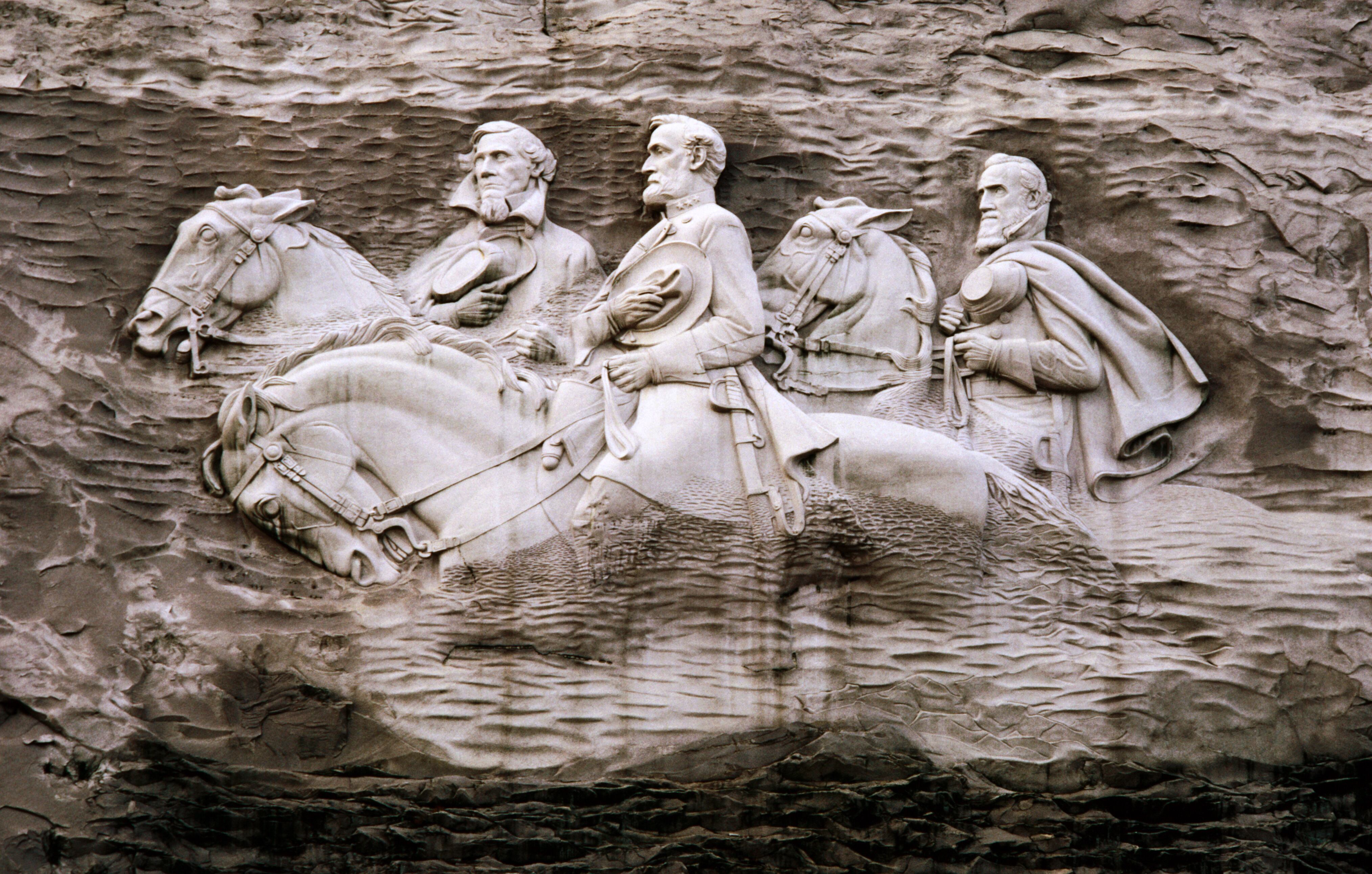
Statues commemorating the Confederacy are being torn down across America as a result of racial unrest following the murder of George Floyd in Minneapolis. But the largest monument in the country has been left out of the conversation: Stone Mountain monument in Georgia. The 42-foot-deep, 76-by-158 foot carving of Confederate President Jefferson Davis, and Generals Robert E. Lee and Stonewall Jackson sits on the face of the world’s largest piece of exposed granite. Removing it could require bitter political debate and a year-long demolition. But for most, the racist history it represents is too hard to ignore.
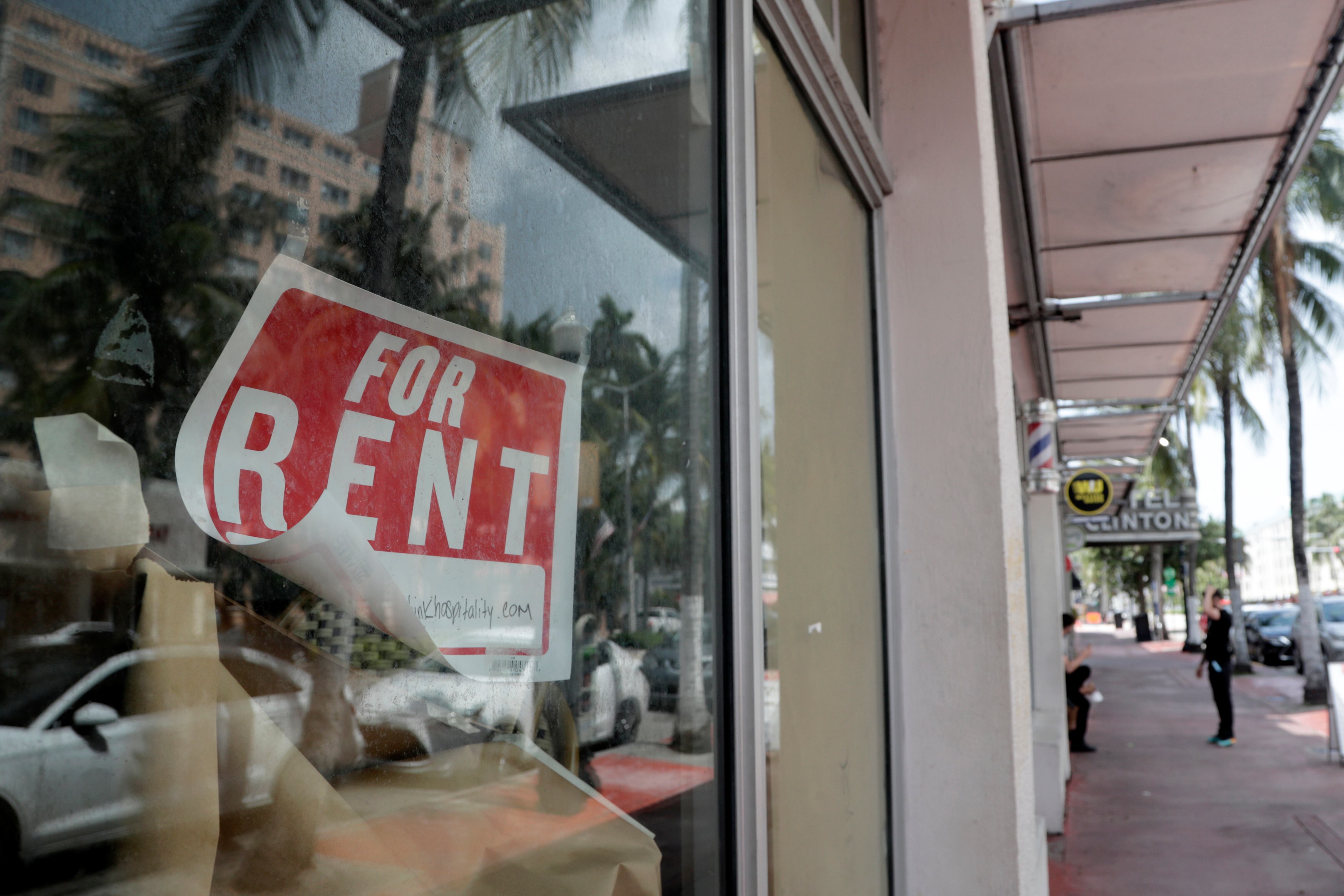
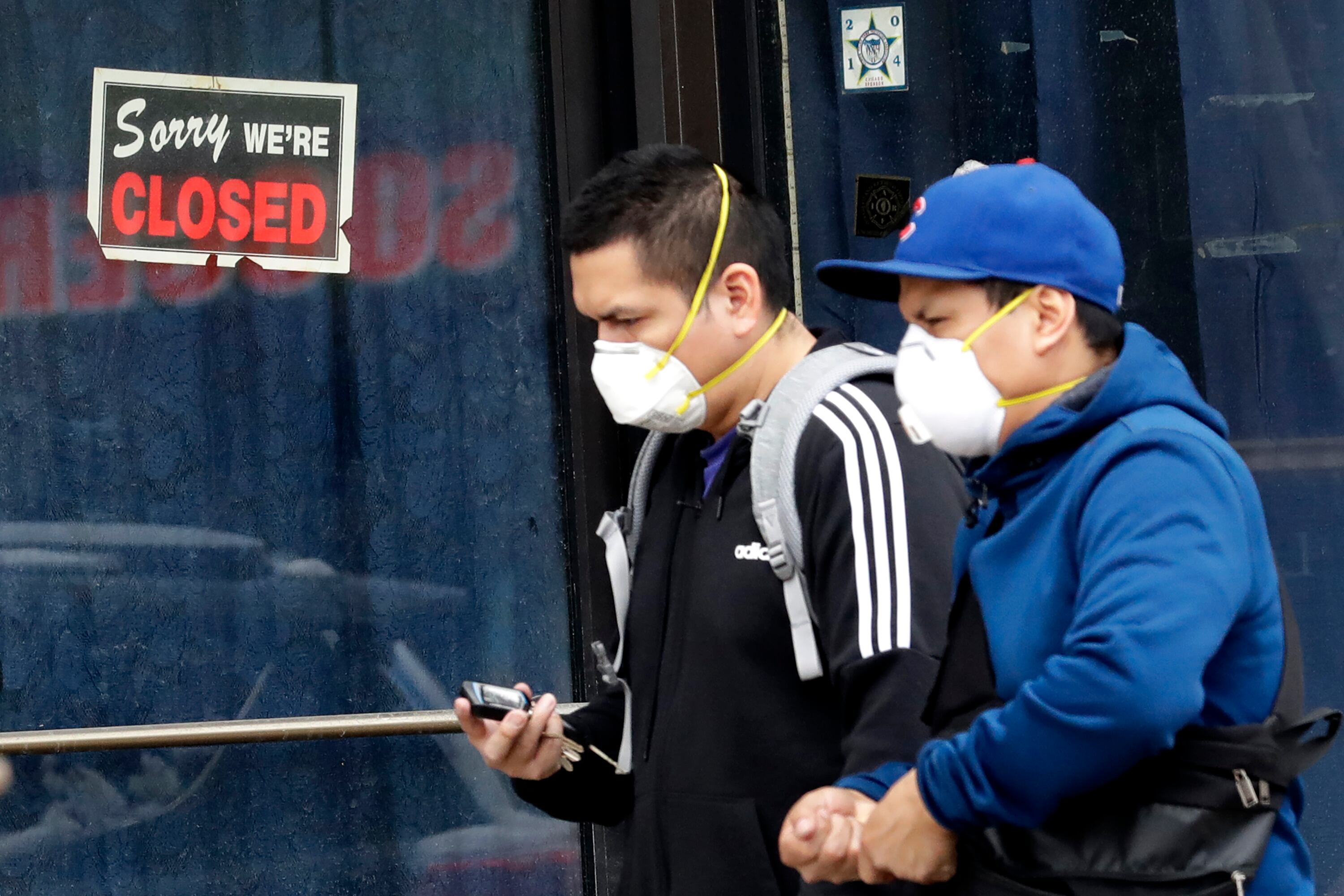
Unemployment claims rise for the second week as states reverse course on reopenings amid spikes in coronavirus cases. Tyler Goodspeed, acting chairmain of White House council of economic advisers, talks current standing of the economy.
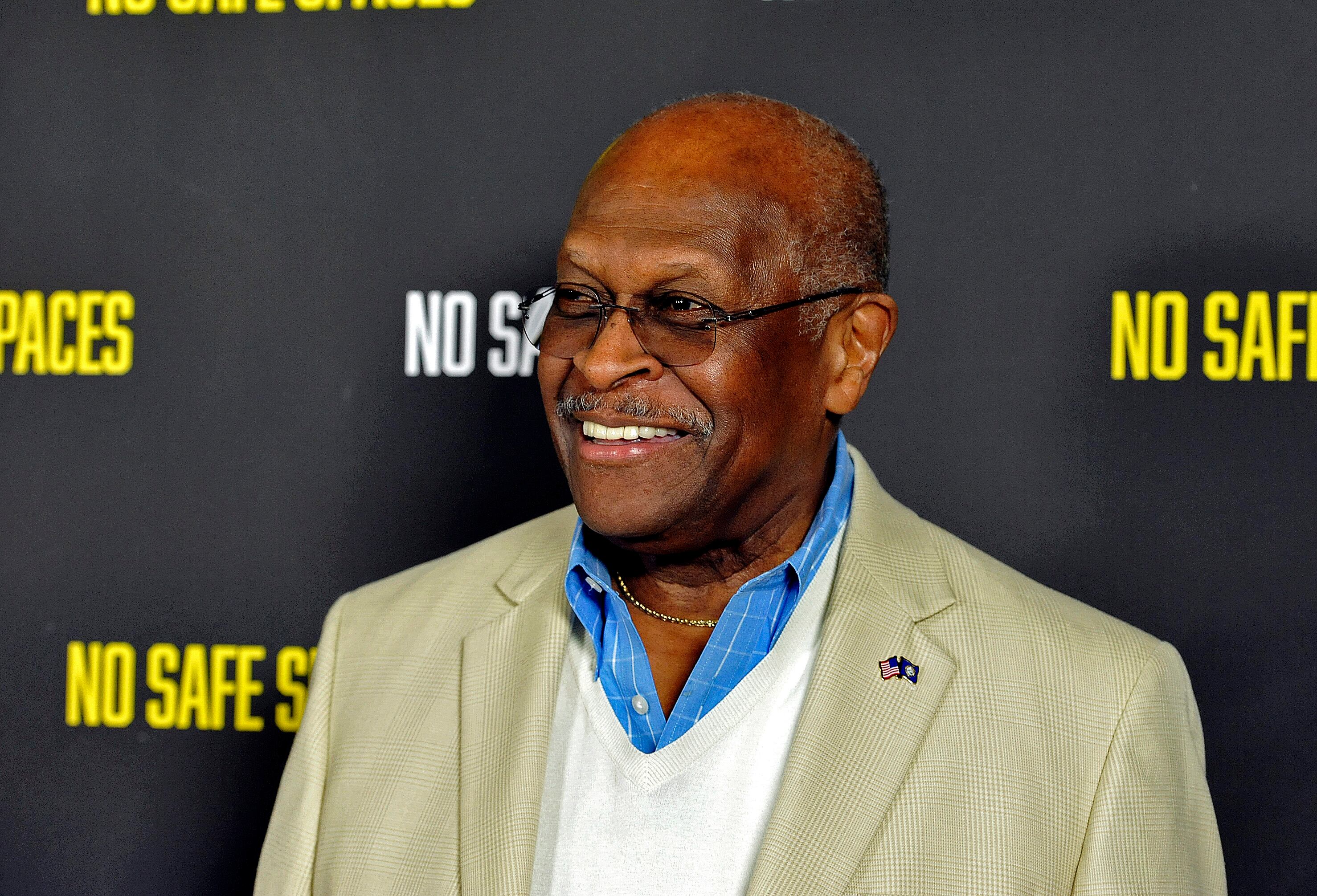
Former GOP presidential candidate Herman Cain has died after battling the coronavirus. He was 74.
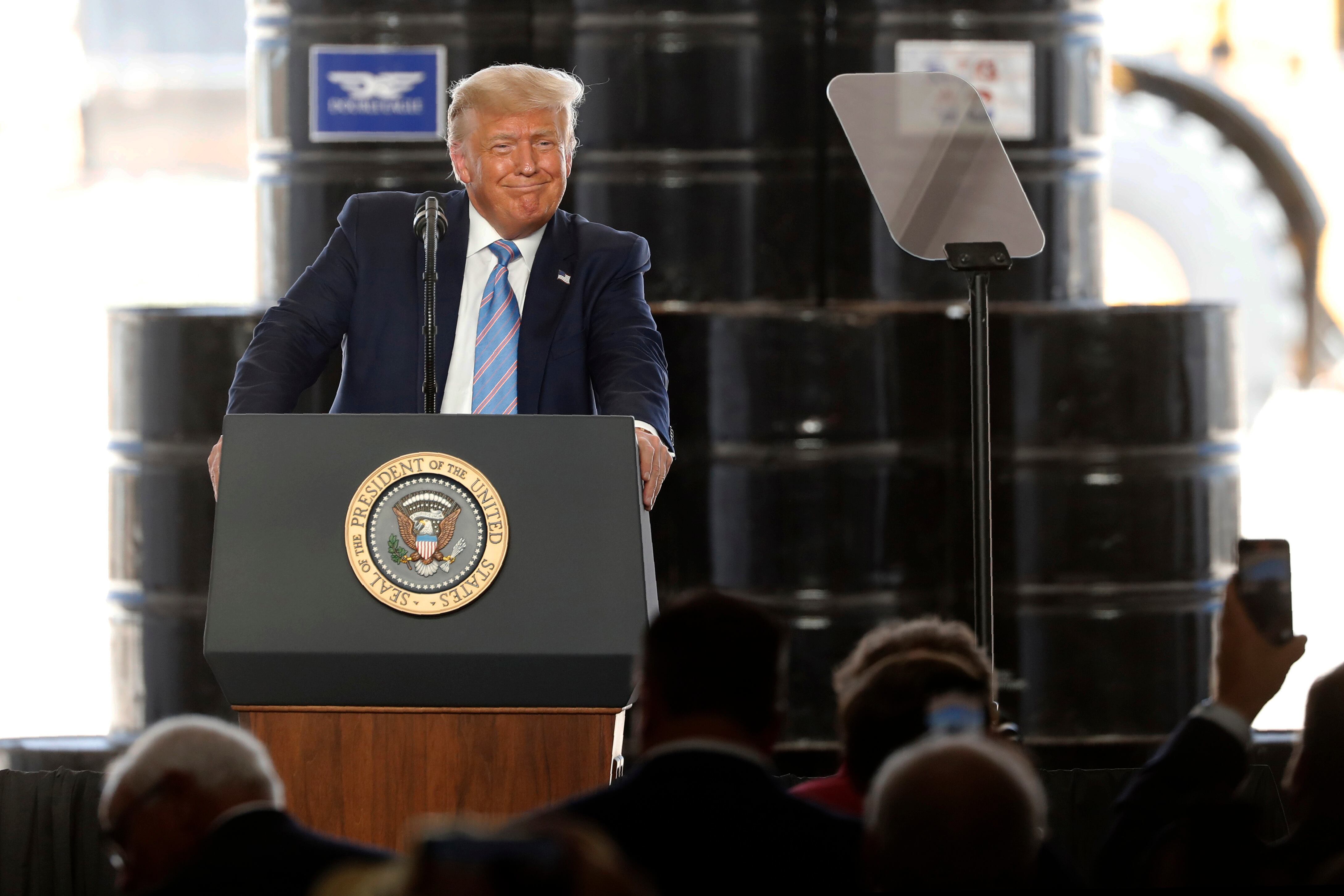
President Donald Trump is for the first time floating a “delay” to the Nov. 3 presidential election, as he makes unsubstantiated allegations that increased mail-in voting will result in fraud.
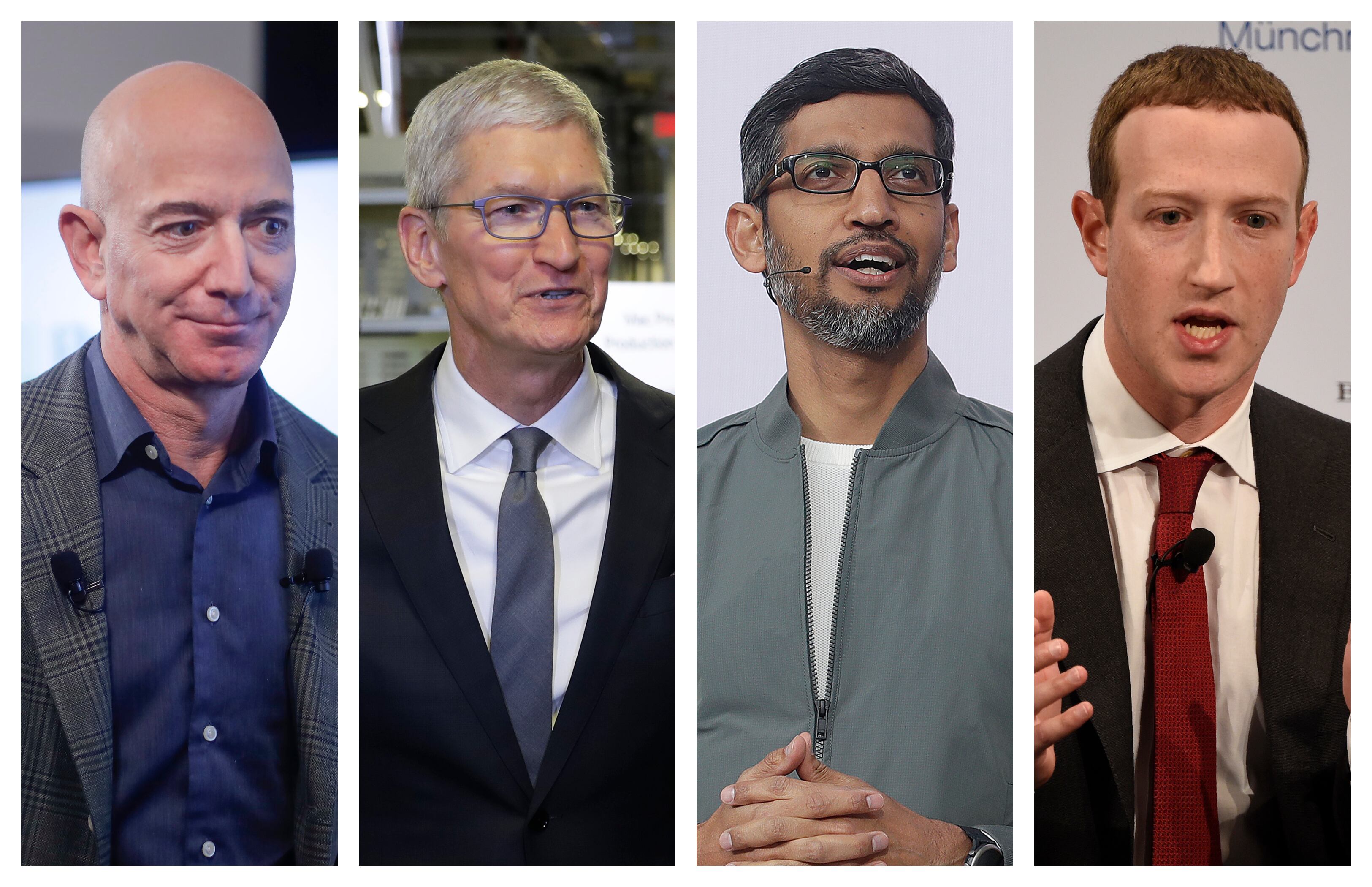
Four Big Tech CEOs are fending off accusations of stifling competition in front of a congressional panel that is investigating market dominance in the industry.
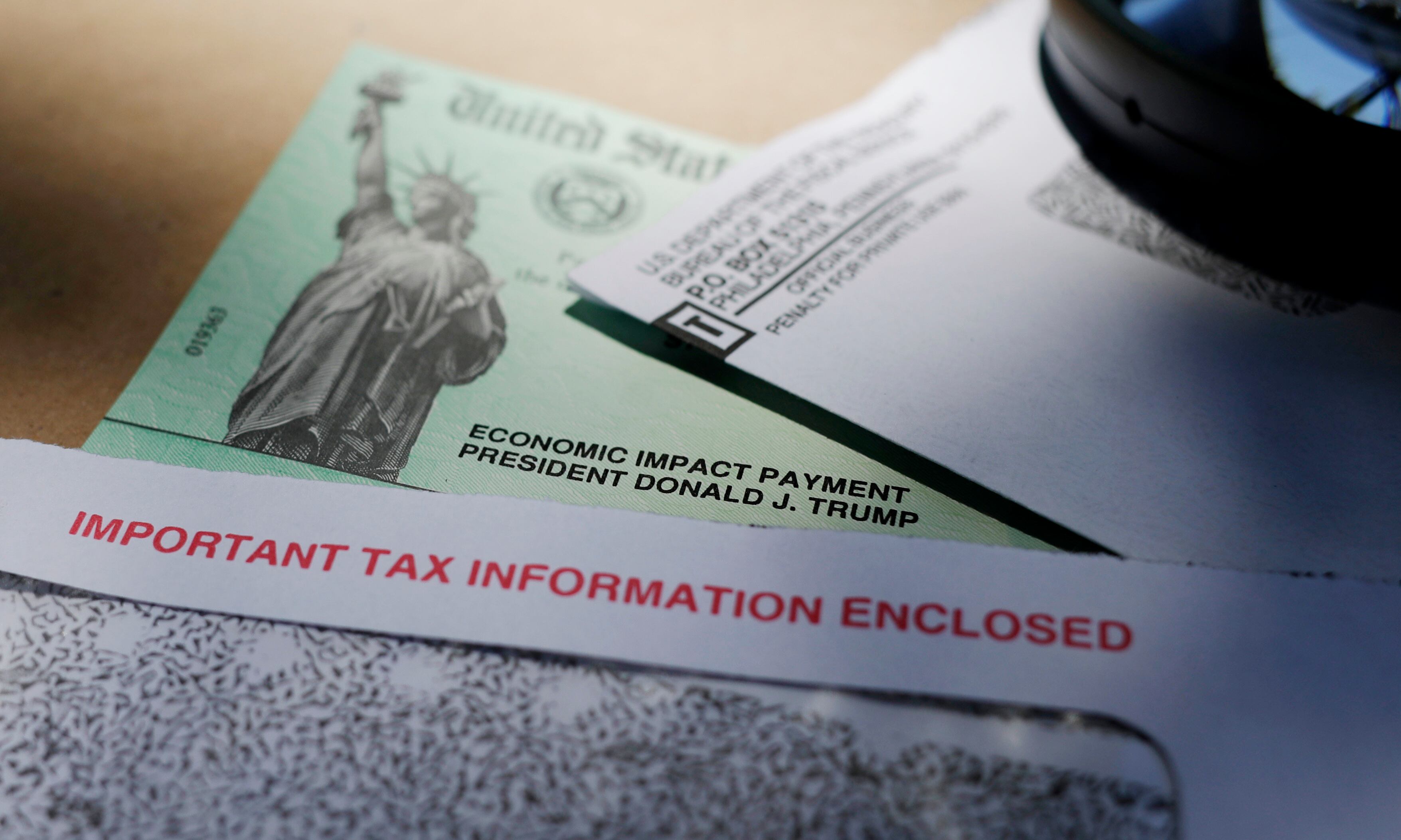
Cheddar takes a look at some key differences between proposals by Republicans and Democrats on the next phase of economic stimulus amid the pandemic crisis.
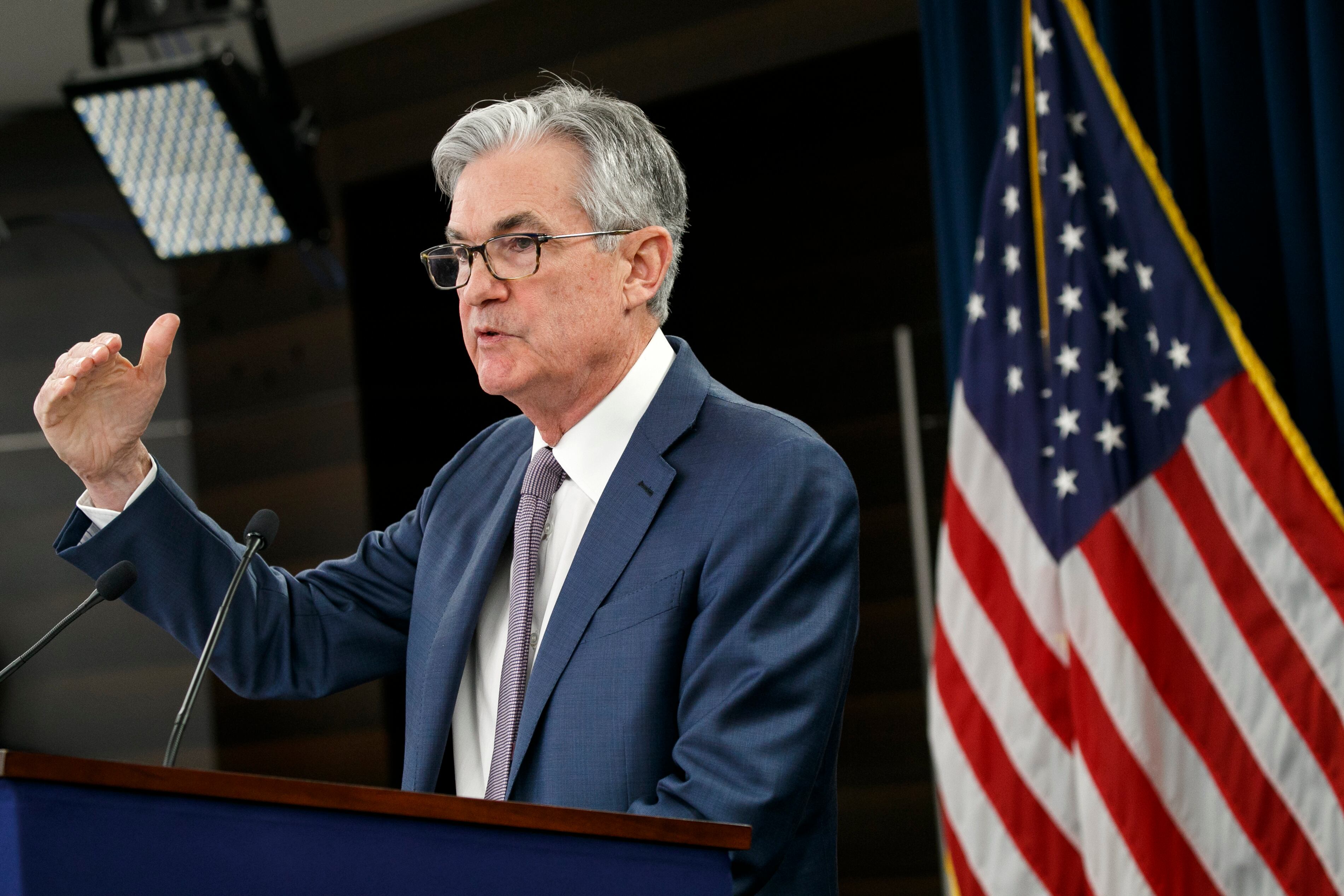
The Federal Reserve expressed concern Wednesday that the viral outbreak will act as a drag on the economy and hiring in the coming months and said it plans to keep its benchmark short-term interest rate pegged near zero.
Cheddar delves into the differences on approaches toward economic recovery and business between the House Democrats and the Senate Republicans.
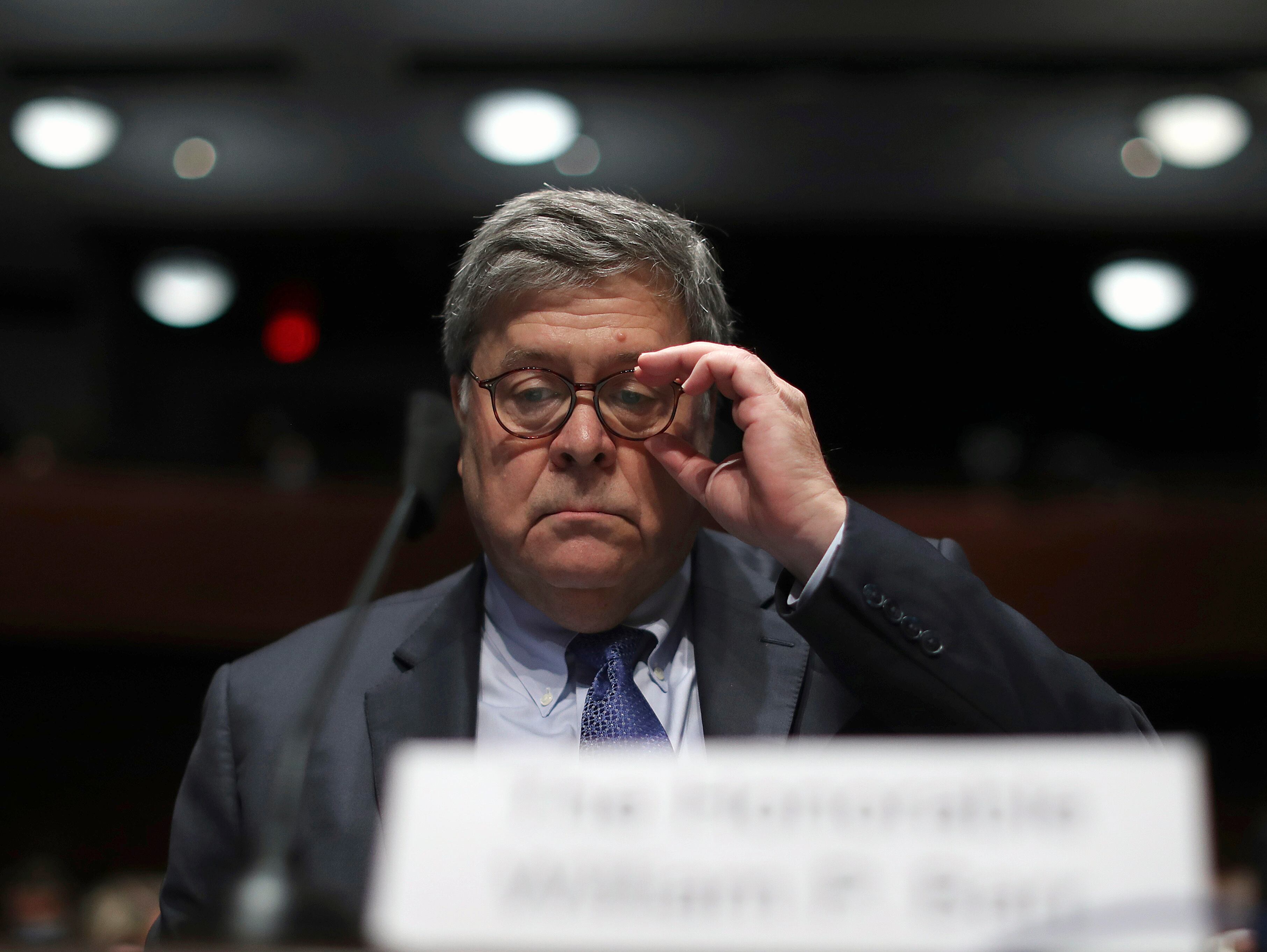
Attorney General William Barr is defending the aggressive federal law enforcement response to civil unrest in America, saying “violent rioters and anarchists have hijacked legitimate protests” sparked by George Floyd’s death at the hands of Minneapolis police.