*By Spencer Feingold*
Nevada's 2020 Democratic caucus is still over eight months away, but party organizers are wasting no time in their efforts to draw the broadest possible swath of the constituency into the process.
"We think this contest is going to be really competitive here," Shelby Wiltz, the state's 2020 caucus director, told Cheddar. "We have a really diverse state, and Nevadans are really reflective of what the electorate across the country is going to look like in 2020."
Like Iowa and a handful of other states, Nevada Democrats elect their presidential nominee through a caucus, which entails voters gathering to openly debate and decide on a candidate. This process differs from a primary — used in the majority of states — where voters simply cast a ballot and leave.
Yet the Silver State now offers multiple options for caucusing to ensure a high turnout. Aside from participating on caucus day, voters now have the option to make their voices heard through a four-day early caucus period or by participating in a virtual caucus, which will allow residents to phone-in their preferred candidates.
It is "an option for folks who may have a disability, folk who are homebound due to illness, single parents, or parents in general who are busy and taking care of their kids and may not have time to come to the caucus," Wiltz said.
The phone option will be available to the [roughly 667,000](https://www.nvsos.gov/sos/home/showdocument?id=6171) Nevada Democrats in English, Spanish, and Tagalog.
"Folks are eager to get involved, they are eager to come out and vote," Wiltz added. "We have really strong prospects for the future."
The actual in-person caucus is set for February 22, 2020; the date for the Republican Nevada caucus has not yet been announced.
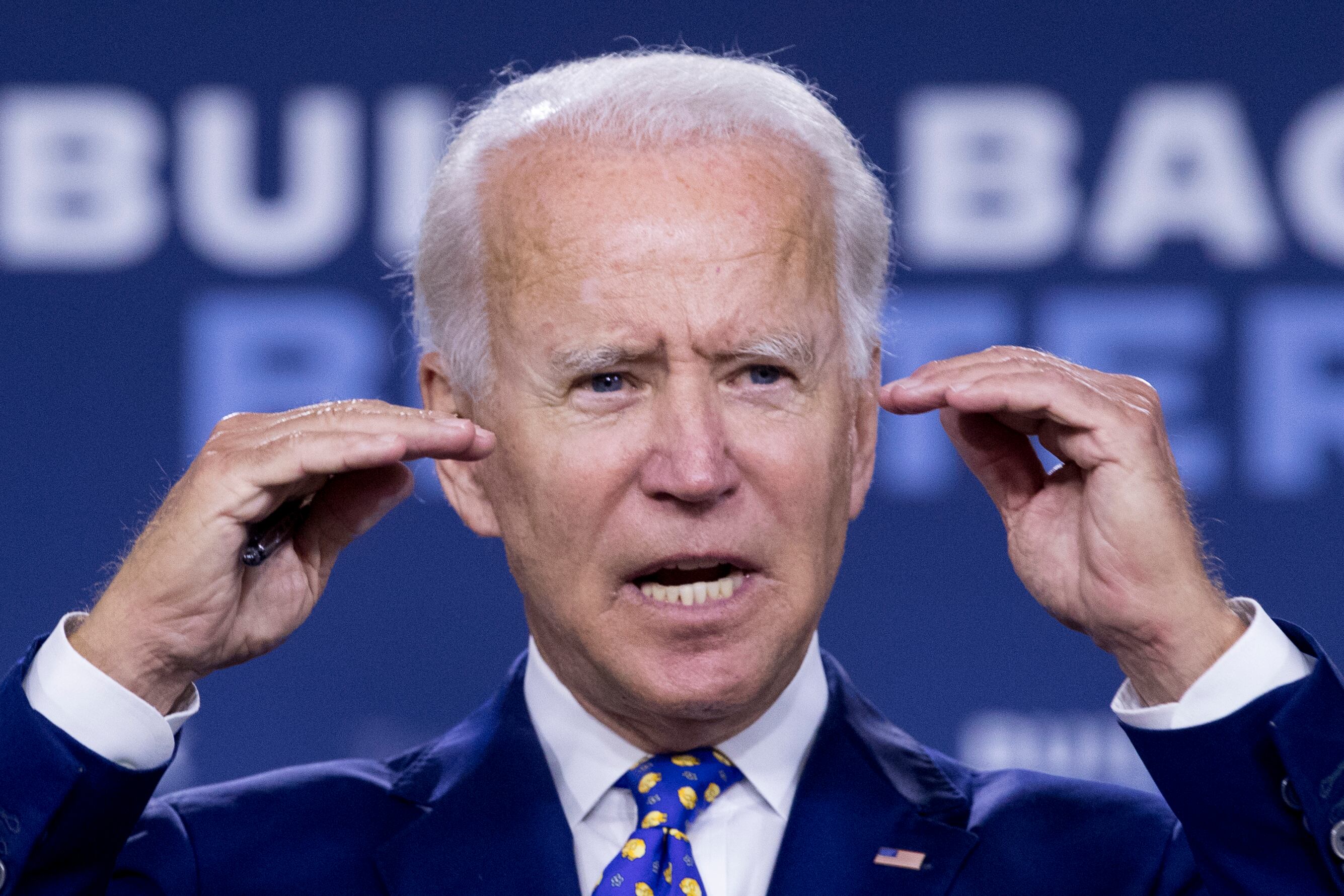
Democratic presidential candidate Joe Biden will not travel to Milwaukee to accept his party's White House nomination because of concerns over the coronavirus.
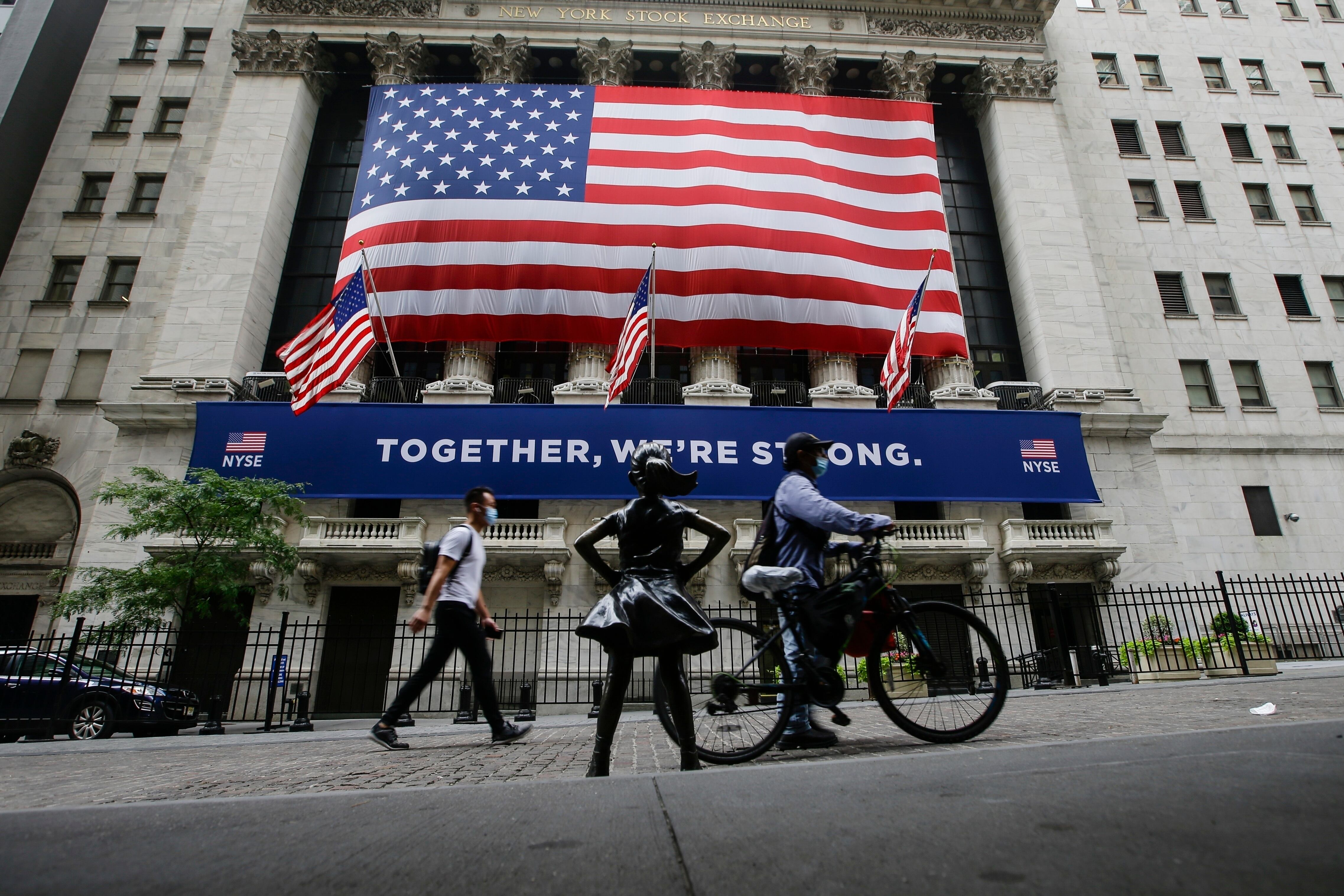
U.S. stock indexes drifted higher Tuesday as Wall Street's big rally eased off the accelerator.
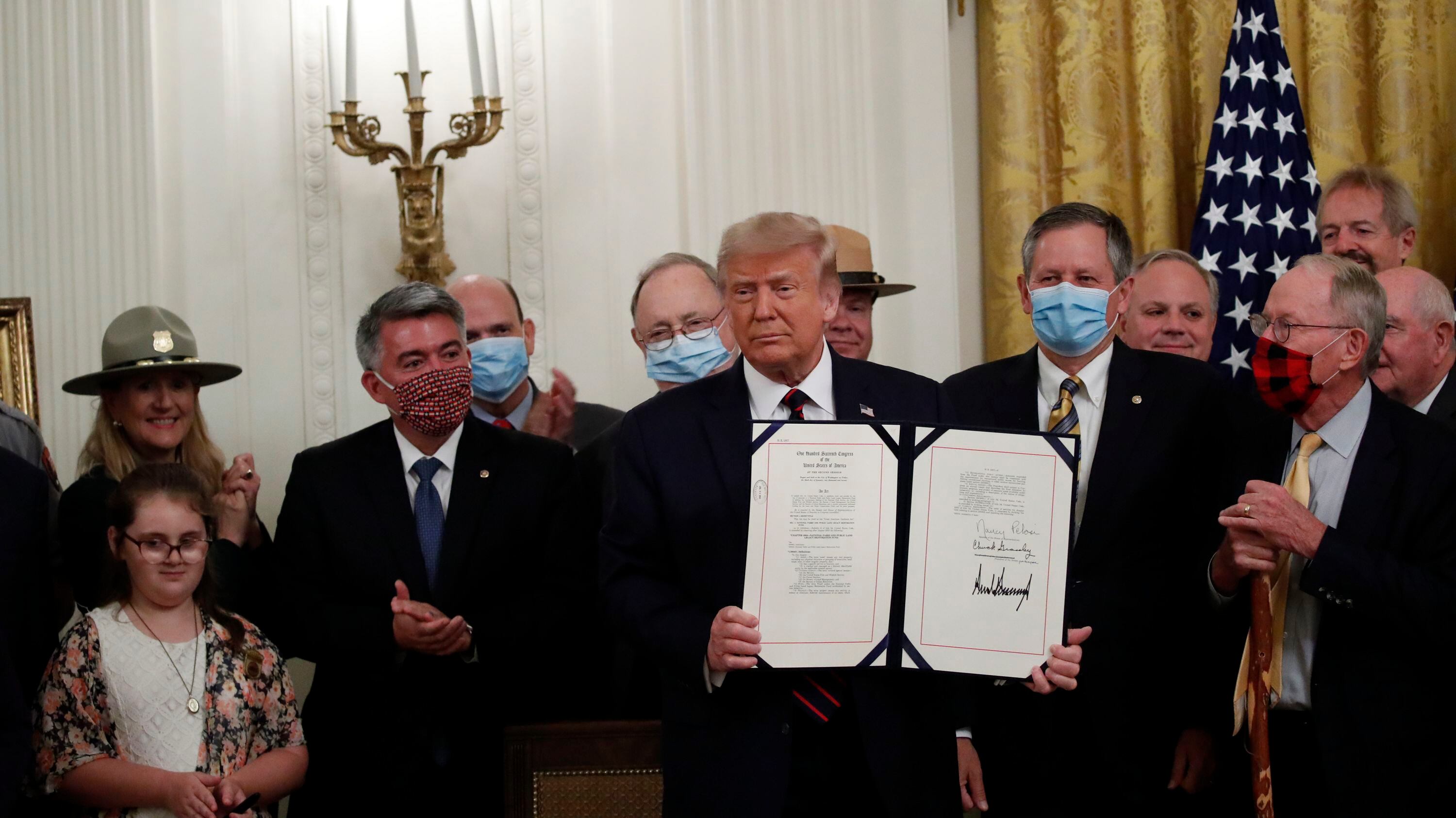
President Donald Trump has signed into law legislation that will devote nearly $3 billion annually to conservation projects, outdoor recreation and maintenance of national parks and other public lands.
A Manhattan prosecutor trying to get President Donald Trump’s tax returns told a judge that he was justified in demanding them, citing public reports of “extensive and protracted criminal conduct at the Trump Organization.”
Since March, there have been 423 workplace litigation cases related to COVID-19, according to a tracker developed by the law firm Fisher Phillips.
Parents in Georgia, Louisiana, Mississippi and Tennessee are among those who will be the first to navigate the new academic year as schools open up in parts of those states this week.
While the U.S. economy shrank at an annualized rate of 32.9 percent during the second quarter, the downturn didn't seem to affect Facebook at all.
From Wall Street to Silicon Valley, these are the top stories that moved markets and had investors, business leaders, and entrepreneurs talking this week on Cheddar.
Dr. Anthony Fauci has told lawmakers that once a coronavirus vaccine is approved as safe and effective, Americans should have widespread access within a reasonable time.
President Trump has rolled back and an Obama-era fair housing policy, allowing developers to bypass building affordable housing in suburban neighborhoods. David Sanchez, director of research & development at National Community Stabilization Trust, assesses the move as a rallying call to Trump's base ahead of the November election.