*By Spencer Feingold*
Nevada's 2020 Democratic caucus is still over eight months away, but party organizers are wasting no time in their efforts to draw the broadest possible swath of the constituency into the process.
"We think this contest is going to be really competitive here," Shelby Wiltz, the state's 2020 caucus director, told Cheddar. "We have a really diverse state, and Nevadans are really reflective of what the electorate across the country is going to look like in 2020."
Like Iowa and a handful of other states, Nevada Democrats elect their presidential nominee through a caucus, which entails voters gathering to openly debate and decide on a candidate. This process differs from a primary — used in the majority of states — where voters simply cast a ballot and leave.
Yet the Silver State now offers multiple options for caucusing to ensure a high turnout. Aside from participating on caucus day, voters now have the option to make their voices heard through a four-day early caucus period or by participating in a virtual caucus, which will allow residents to phone-in their preferred candidates.
It is "an option for folks who may have a disability, folk who are homebound due to illness, single parents, or parents in general who are busy and taking care of their kids and may not have time to come to the caucus," Wiltz said.
The phone option will be available to the [roughly 667,000](https://www.nvsos.gov/sos/home/showdocument?id=6171) Nevada Democrats in English, Spanish, and Tagalog.
"Folks are eager to get involved, they are eager to come out and vote," Wiltz added. "We have really strong prospects for the future."
The actual in-person caucus is set for February 22, 2020; the date for the Republican Nevada caucus has not yet been announced.
We'll be taking our feelings about this deeply divisive election to work with us. An expert weighs in on how to keep up company morale and coworker relationships when disagreements arise.
Voters in Arizona and New Jersey added their states to the list of places legalizing marijuana for adults. And Oregon became the first state to decriminalize possession of small amounts of hard drugs.
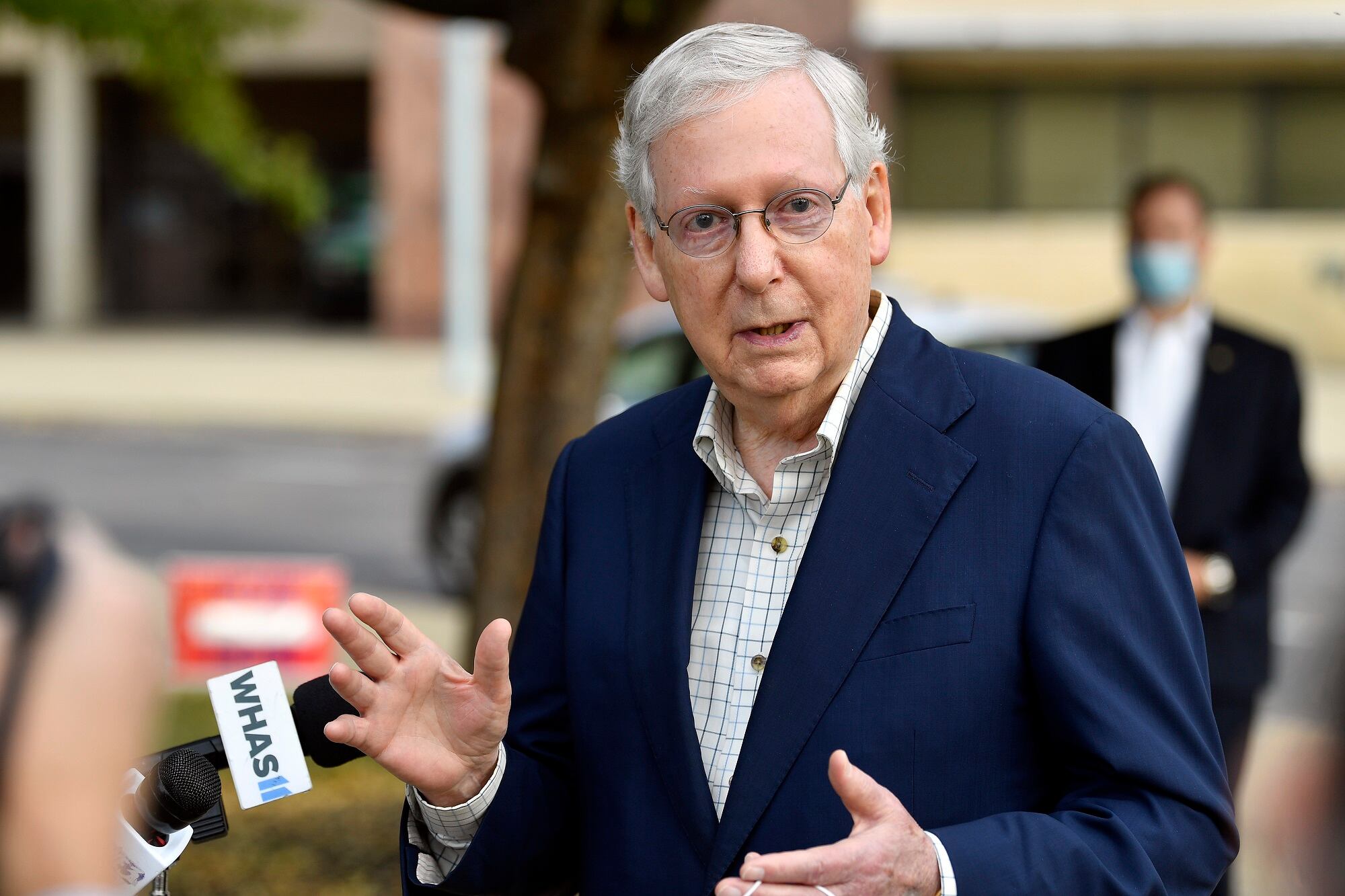
In Kentucky, Senate Majority Leader Mitch McConnell fended off Democrat Amy McGrath, a former fighter pilot in a costly campaign, but he acknowledged his GOP colleagues face tougher races.
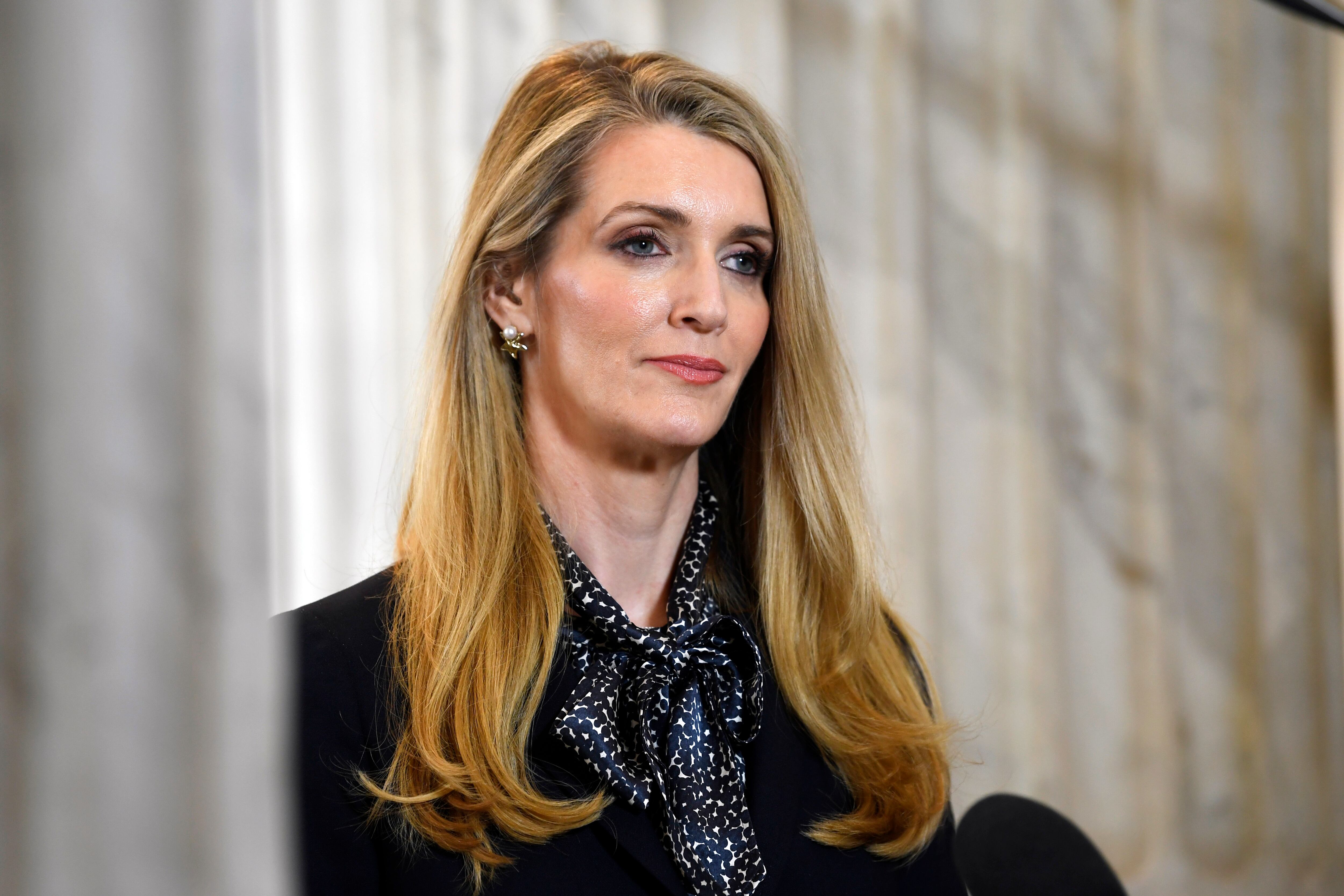
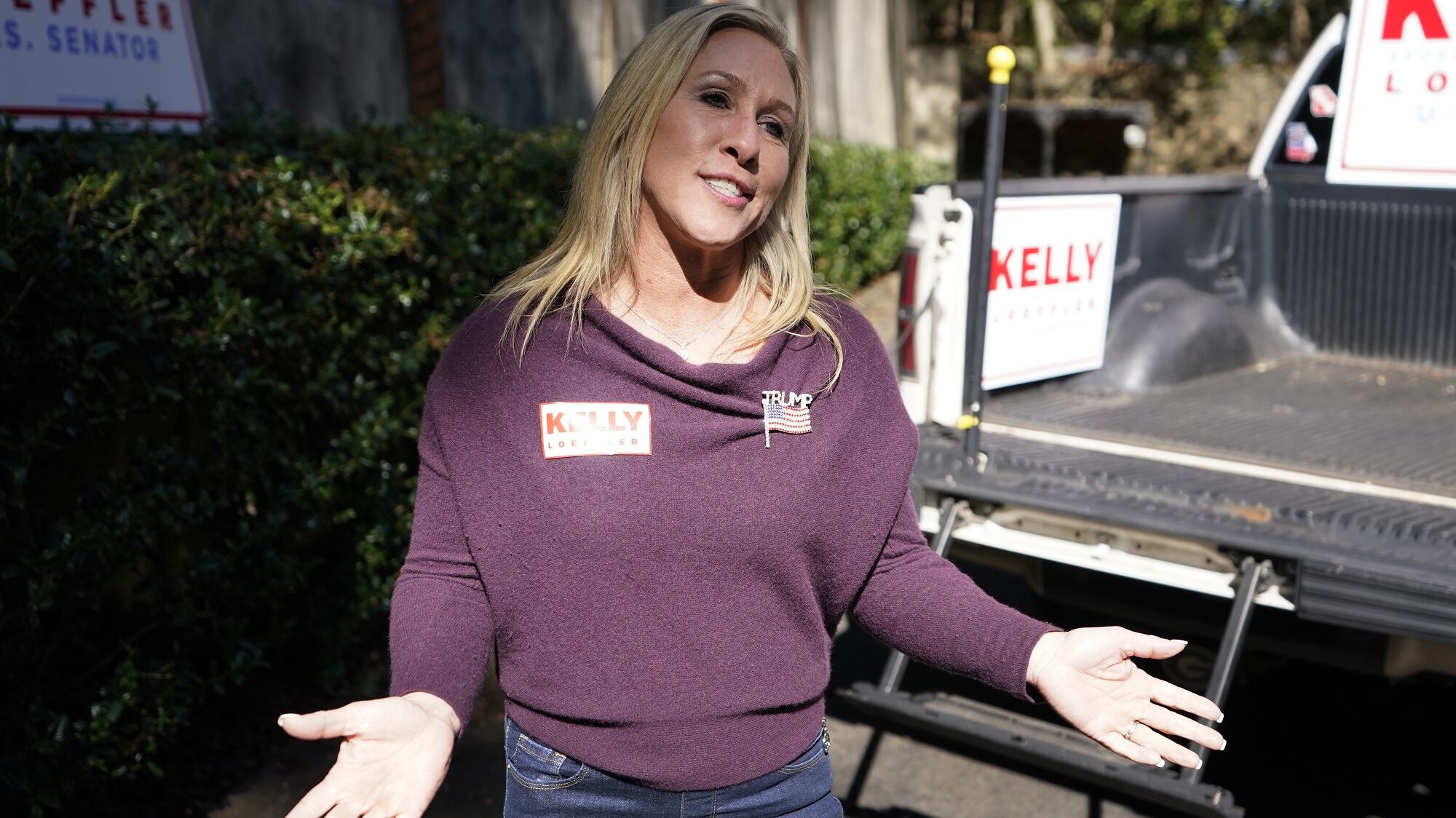
In Georgia, Republican Sen. Kelly Loeffler and Democrat Raphael Warnock have advanced to a Jan. 5 runoff in the special election for Loeffler’s Senate seat.
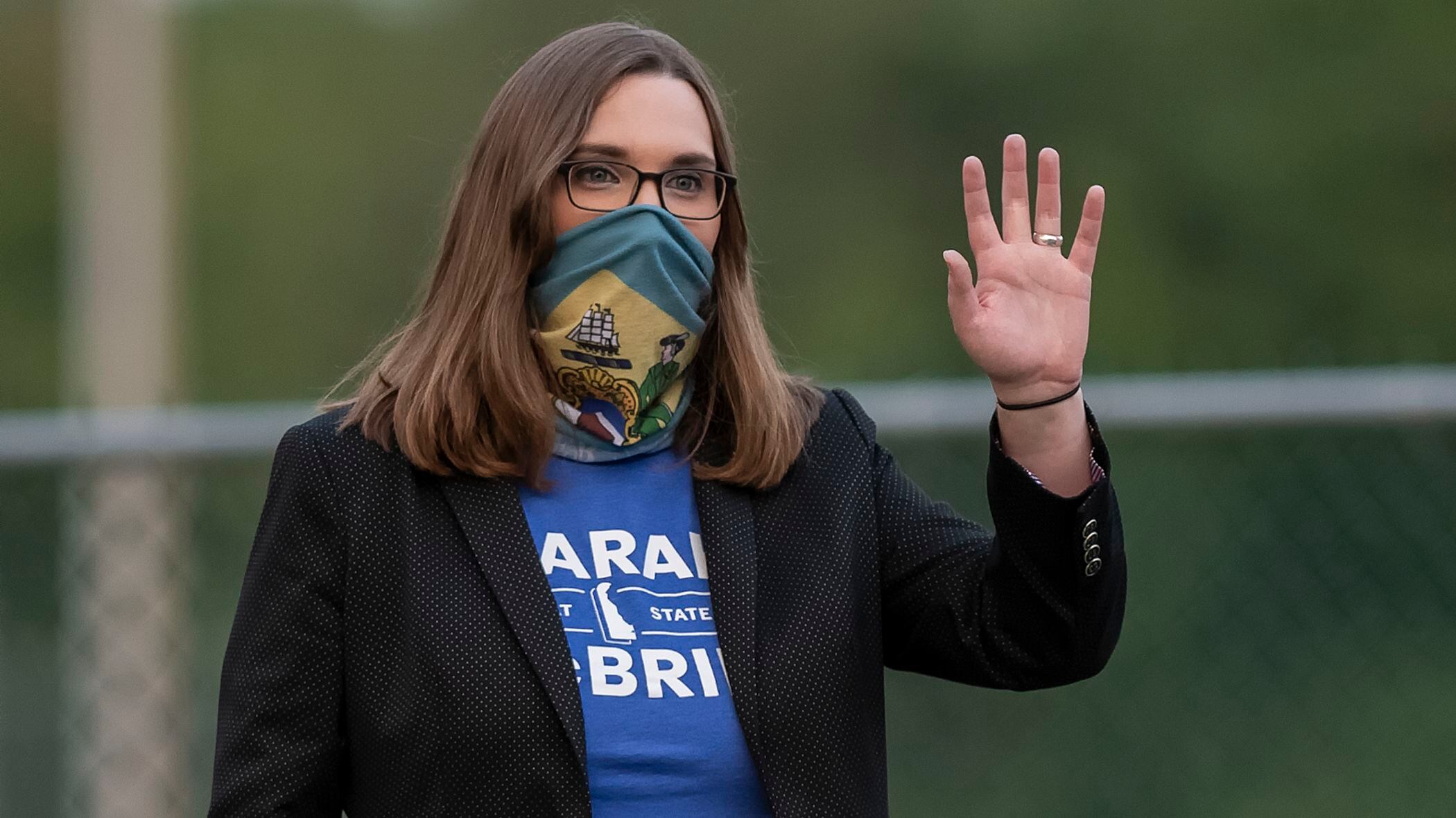
Democrat Sarah McBride has won a state Senate race in Delaware and would become the first openly transgender state senator in the country when sworn in.
Republican Marjorie Taylor Greene, who expressed racist views and support for QAnon conspiracy theories in a series of online videos, has won a U.S. House seat representing northwest Georgia.
With the coronavirus now surging anew, voters ranked the pandemic and the economy as top concerns in the race between President Donald Trump and Democratic rival Joe Biden, according to AP VoteCast, a national survey of the electorate.
As it has for more than 170 years, The Associated Press will count the vote and report the results on Nov. 3 and beyond.
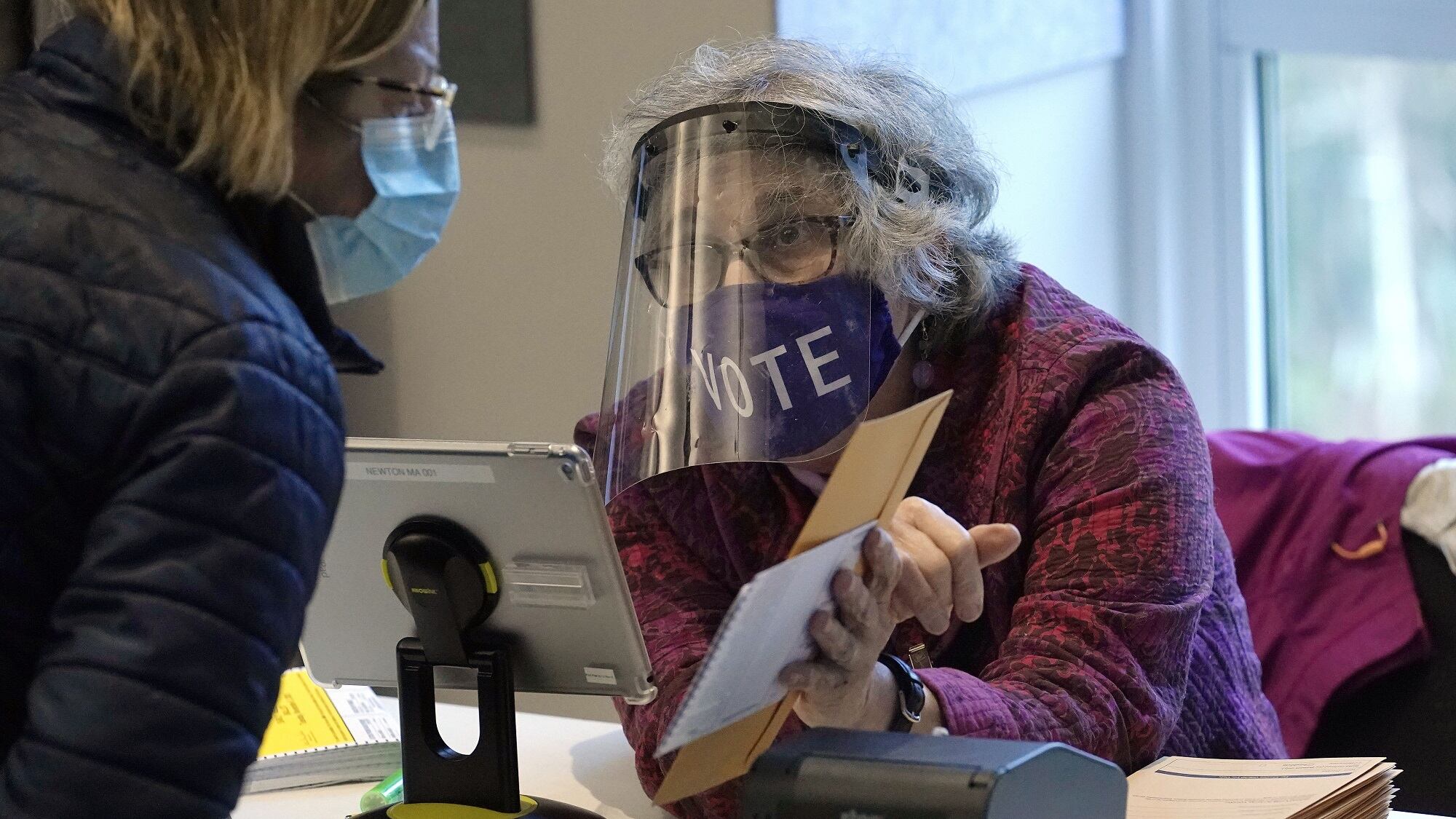
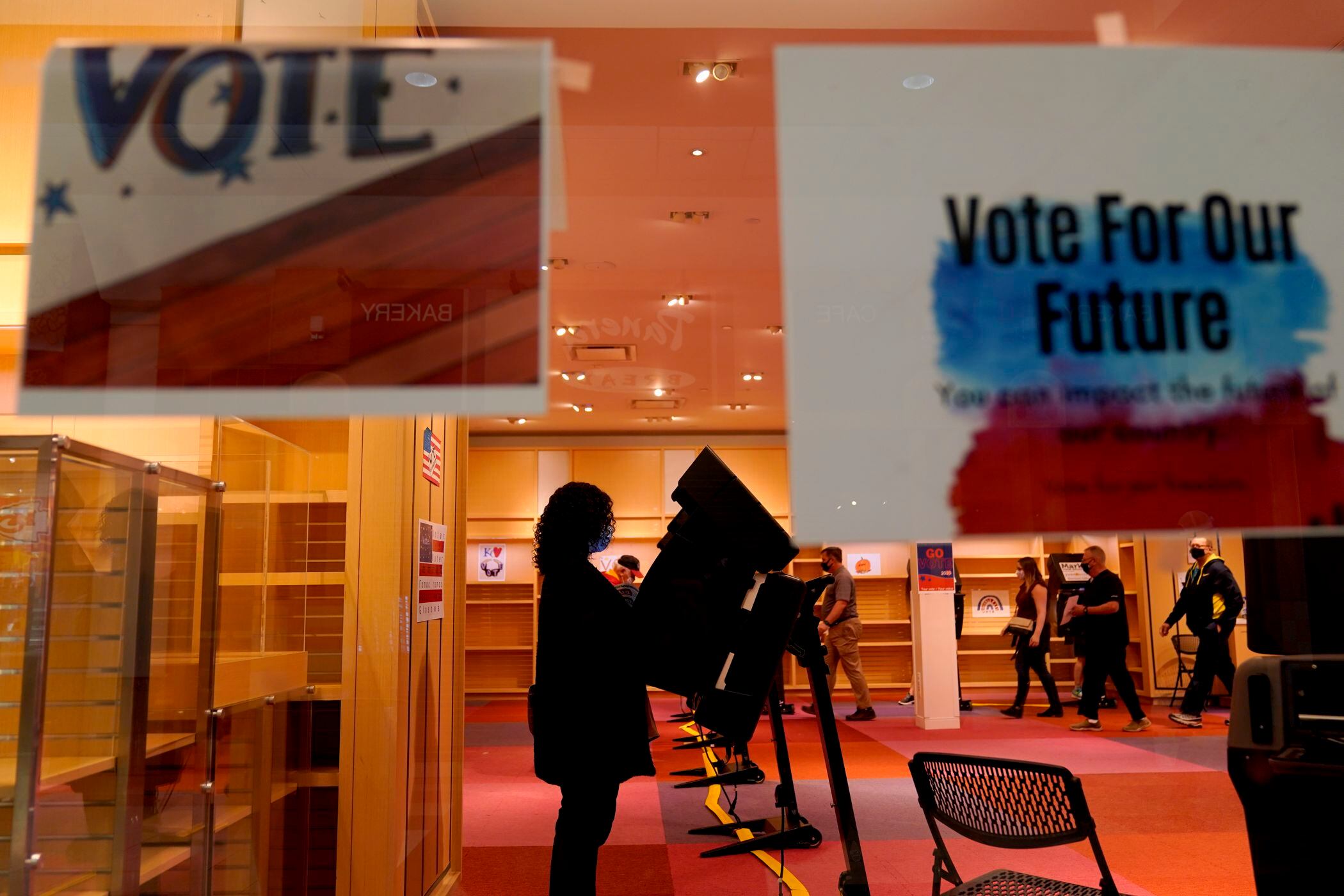
Voters in the U.S. are nearing the end of a fraught U.S. election season. They're casting the last of what will likely be a record-setting number of ballots.
Voters across the U.S. received anonymous robocalls in the lead up to Election Day urging them to “stay safe and stay home” - an ominous warning that election officials say could be an effort to scare voters.