*By Spencer Feingold*
Nevada's 2020 Democratic caucus is still over eight months away, but party organizers are wasting no time in their efforts to draw the broadest possible swath of the constituency into the process.
"We think this contest is going to be really competitive here," Shelby Wiltz, the state's 2020 caucus director, told Cheddar. "We have a really diverse state, and Nevadans are really reflective of what the electorate across the country is going to look like in 2020."
Like Iowa and a handful of other states, Nevada Democrats elect their presidential nominee through a caucus, which entails voters gathering to openly debate and decide on a candidate. This process differs from a primary — used in the majority of states — where voters simply cast a ballot and leave.
Yet the Silver State now offers multiple options for caucusing to ensure a high turnout. Aside from participating on caucus day, voters now have the option to make their voices heard through a four-day early caucus period or by participating in a virtual caucus, which will allow residents to phone-in their preferred candidates.
It is "an option for folks who may have a disability, folk who are homebound due to illness, single parents, or parents in general who are busy and taking care of their kids and may not have time to come to the caucus," Wiltz said.
The phone option will be available to the [roughly 667,000](https://www.nvsos.gov/sos/home/showdocument?id=6171) Nevada Democrats in English, Spanish, and Tagalog.
"Folks are eager to get involved, they are eager to come out and vote," Wiltz added. "We have really strong prospects for the future."
The actual in-person caucus is set for February 22, 2020; the date for the Republican Nevada caucus has not yet been announced.
The U.S. House of Representatives made history on Friday, after voting to pass a sweeping cannabis decriminalization and social equity bill.
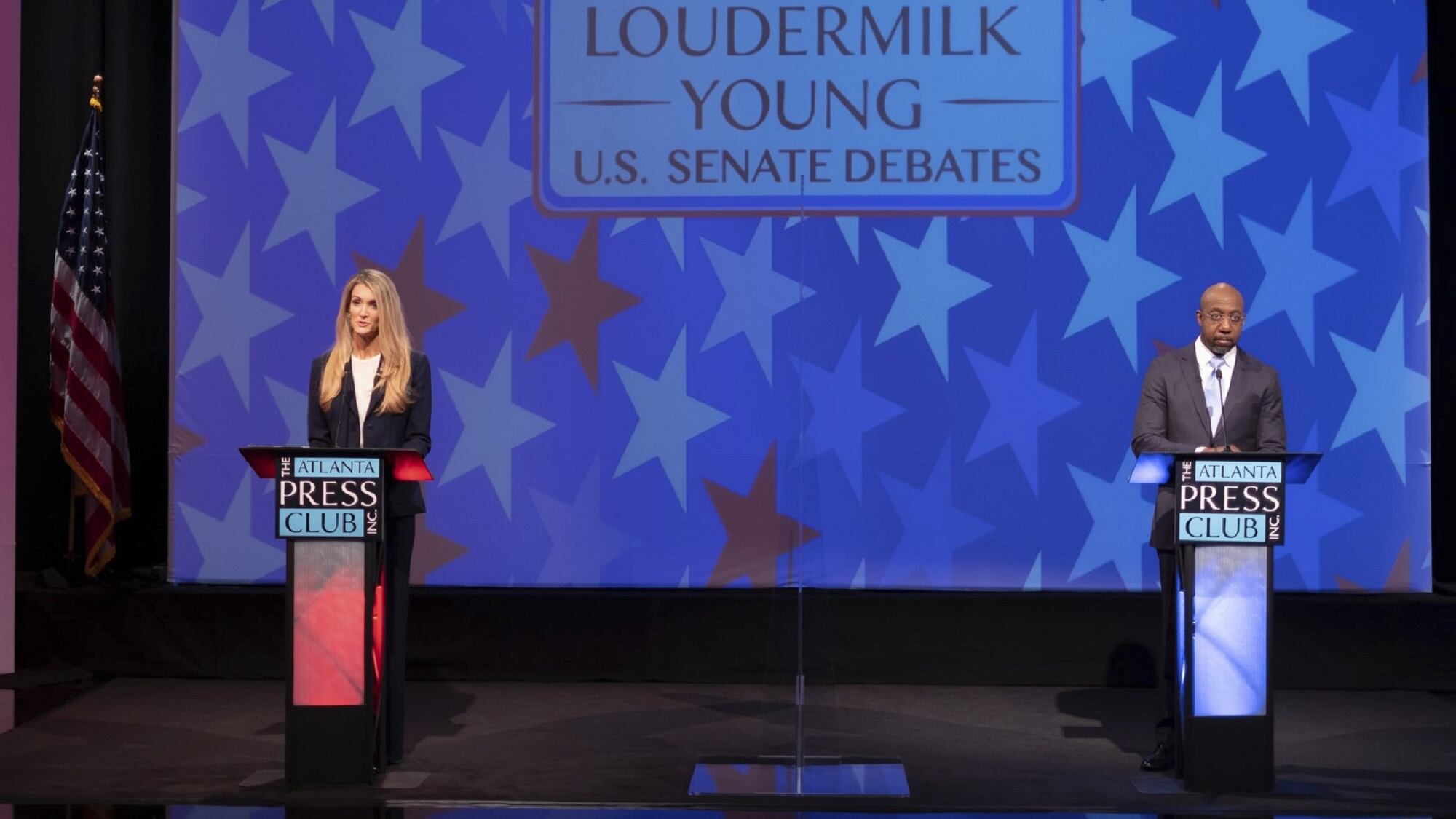
Sen. Kelly Loeffler debated her Democratic opponent, Rev. Raphael Warnock, Sunday night, while challenger Jon Ossoff debated an empty podium when incumbent Sen. David Perdue refused to debate ahead of the January Senate runoffs in Georgia.
Joe LaVorgna, the chief economist for the White House National Economic Council, talked to Cheddar about the economy and the recently released jobs report'.
From Wall Street to Silicon Valley, these are the top stories that moved markets and had investors, business leaders, and entrepreneurs talking this week on Cheddar.
Biden stopped just short Thursday of the nationwide mandate he’s pushed before to stop the spread of the coronavirus.
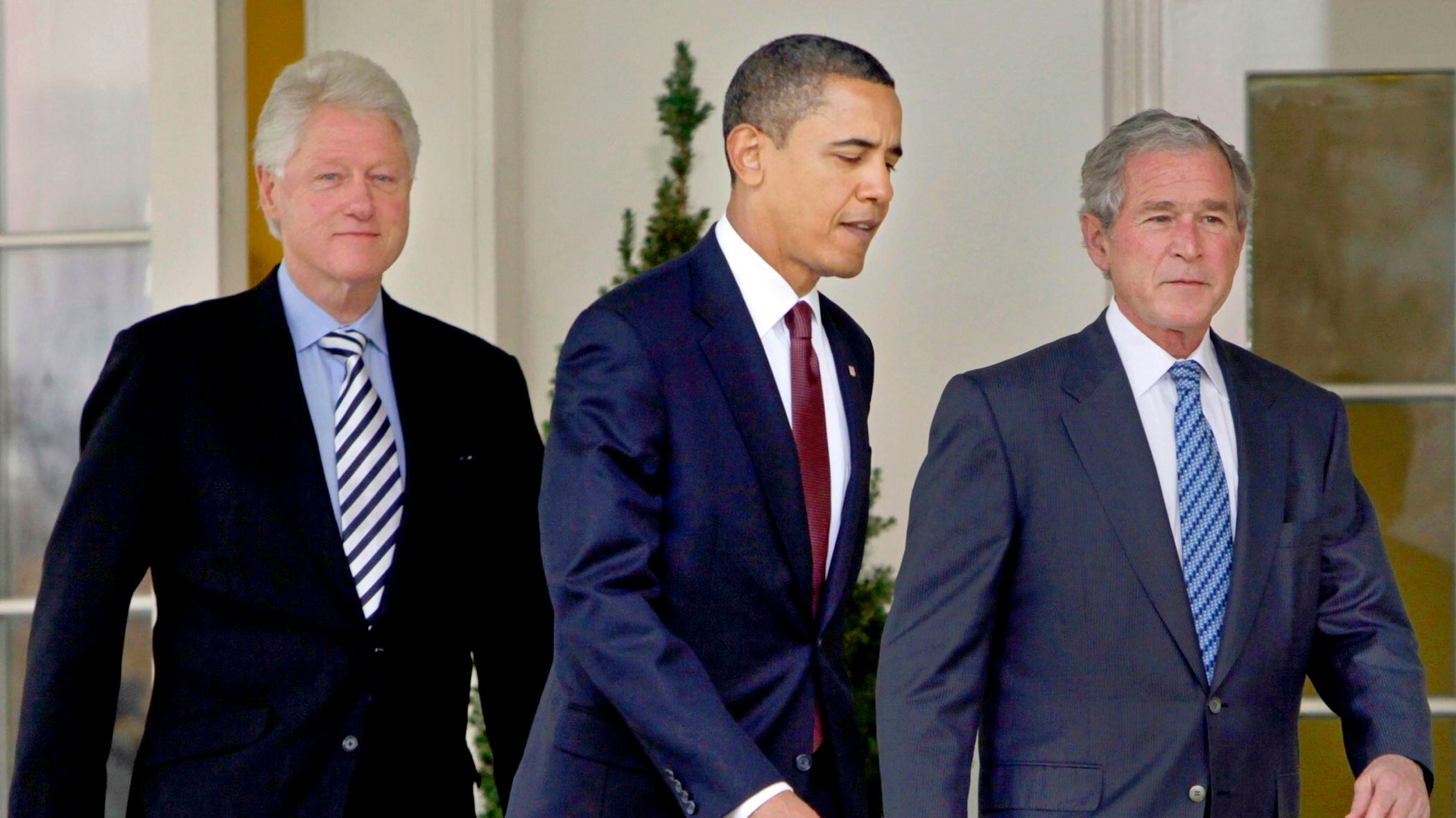
Three former presidents say they’d be willing to publicly take a coronavirus vaccine, once one becomes available, to encourage all Americans to get inoculated against a disease that has already killed more than 273,000 people nationwide.
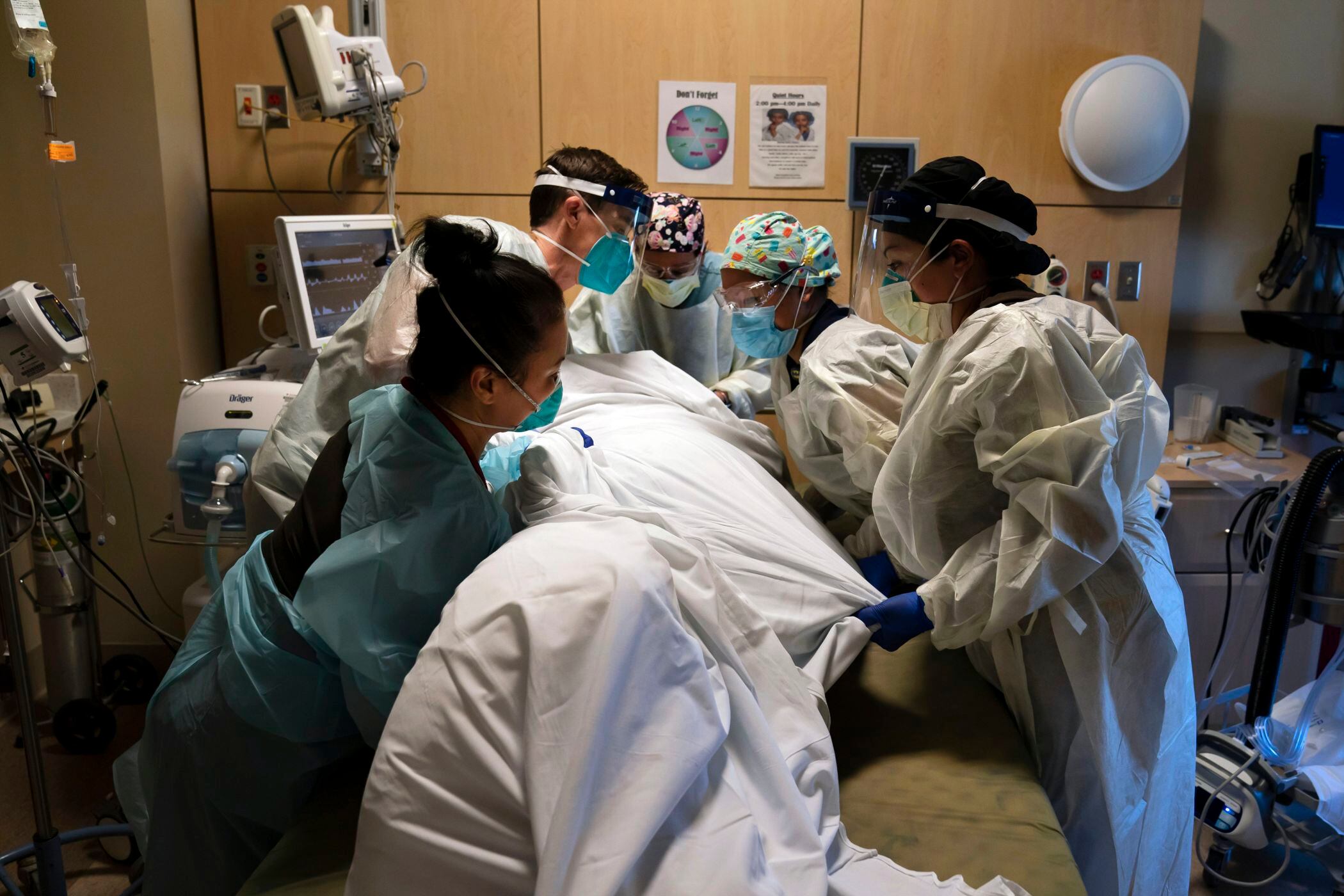
The U.S. has recorded over 3,100 COVID-19 deaths in a single day, obliterating the record set last spring.
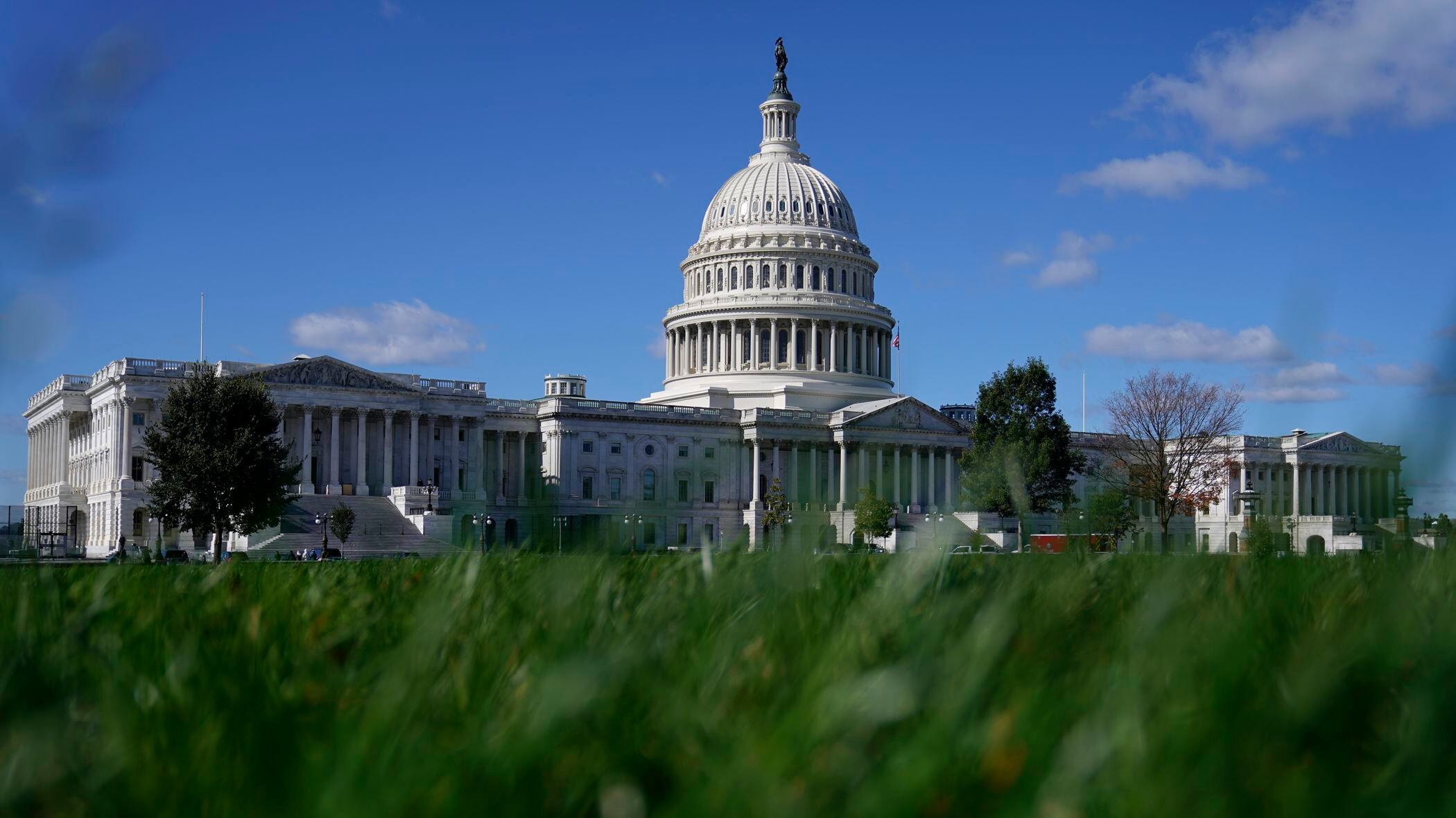
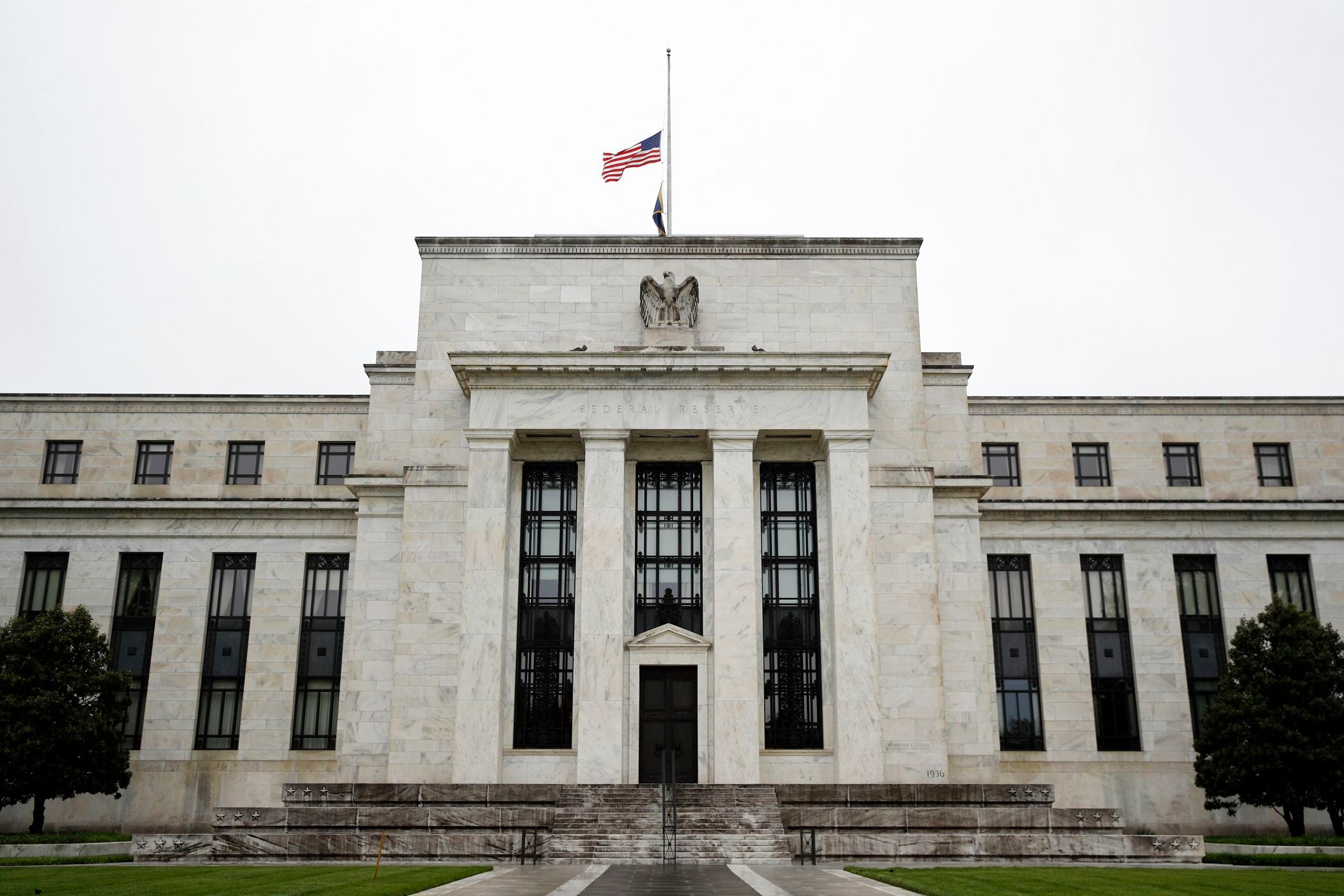
The Senate on Thursday narrowly confirmed the nomination of Christopher Waller for the Federal Reserve’s Board of Governors, placing another of President Donald Trump’s picks on the Fed’s influential board after a string of high-profile rejections.
IBM security researchers say they have detected a cyberespionage effort that used targeted phishing emails to try to collect vital information associated with a U.N. initiative for distributing coronavirus vaccine to developing countries.
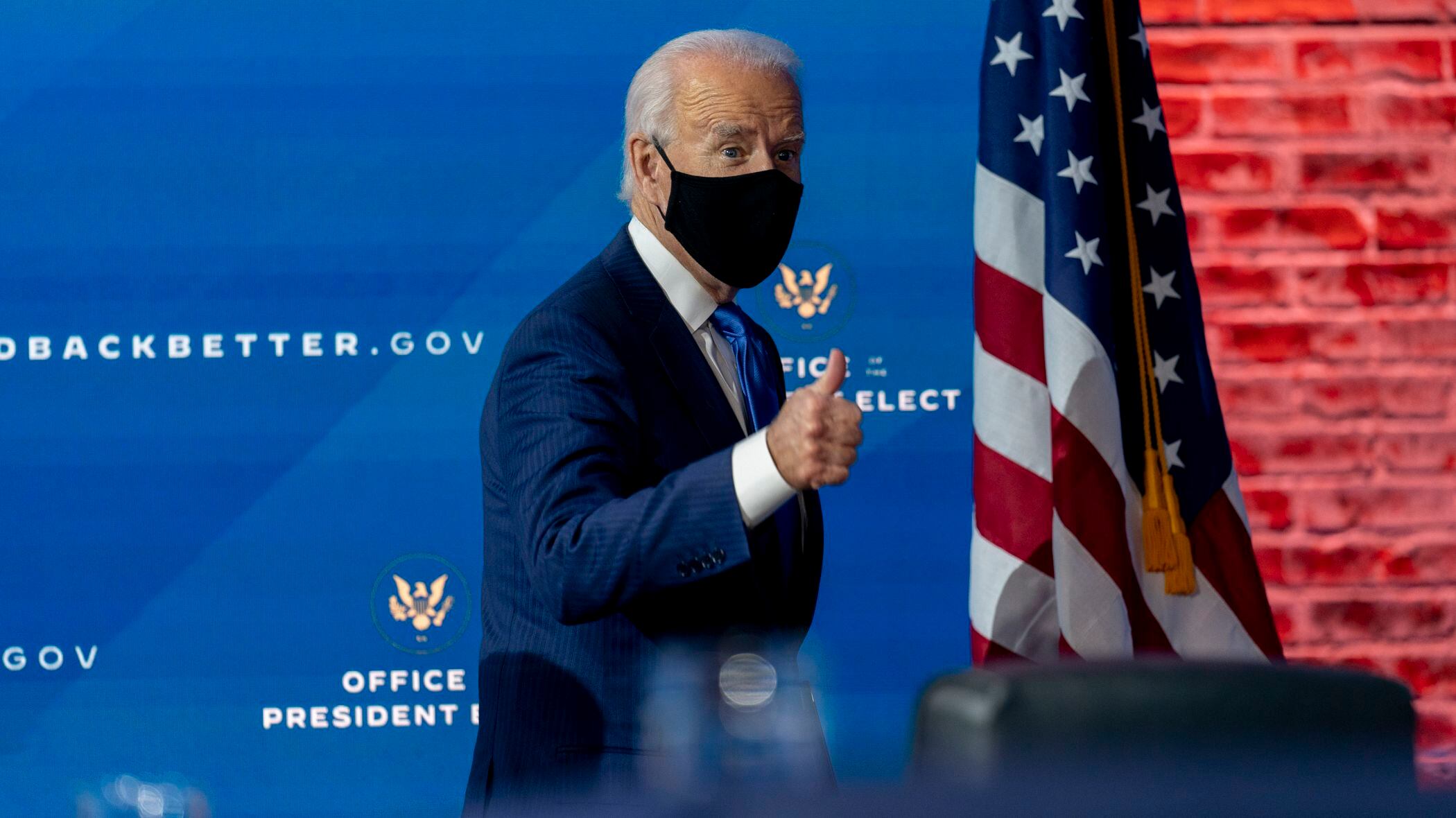
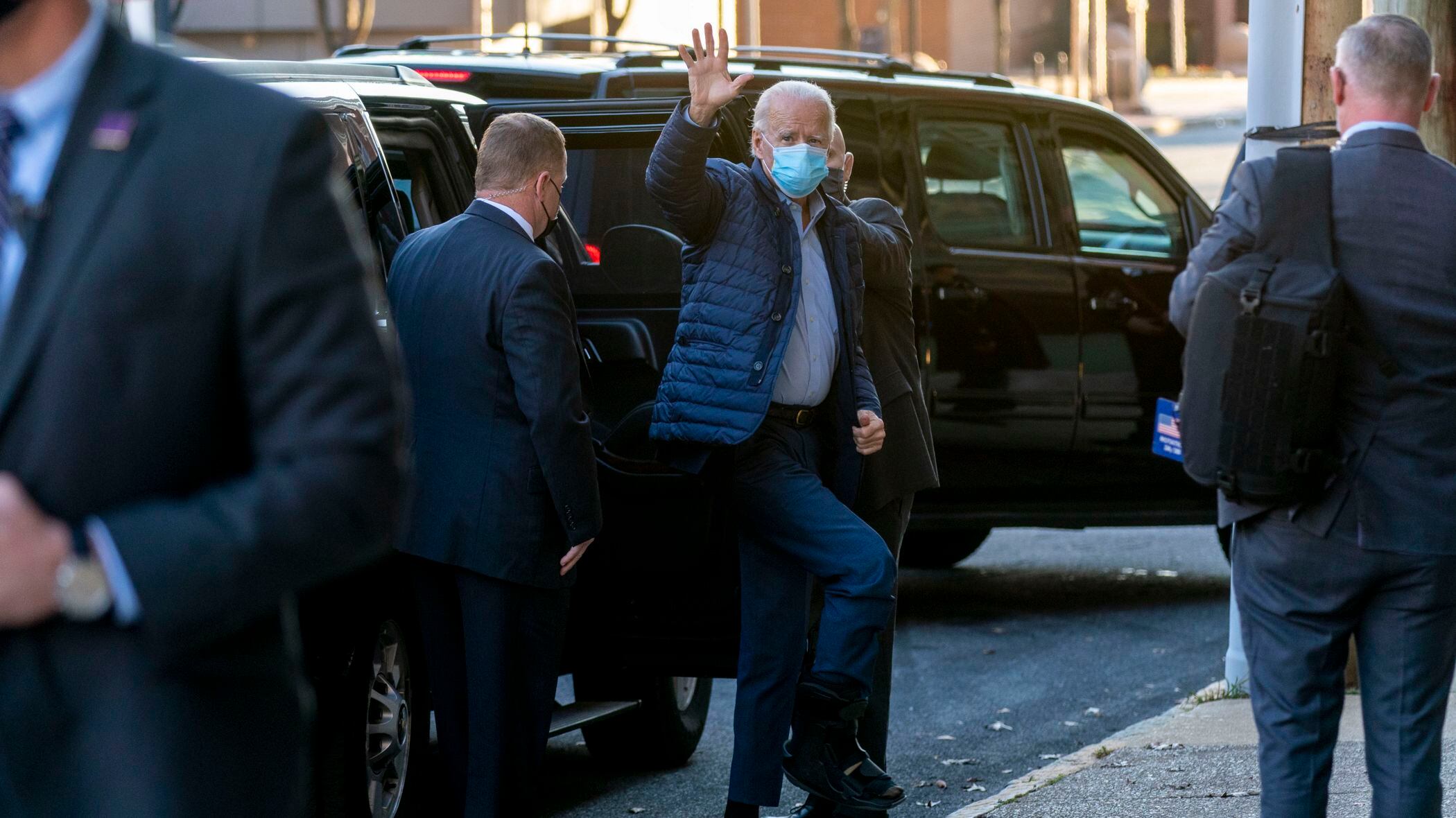
President-elect Joe Biden has swung behind a bipartisan COVID-19 relief effort. That comes as his top Capitol Hill allies cut their demands for a $2 trillion-plus measure by more than half.