*By Spencer Feingold*
Nevada's 2020 Democratic caucus is still over eight months away, but party organizers are wasting no time in their efforts to draw the broadest possible swath of the constituency into the process.
"We think this contest is going to be really competitive here," Shelby Wiltz, the state's 2020 caucus director, told Cheddar. "We have a really diverse state, and Nevadans are really reflective of what the electorate across the country is going to look like in 2020."
Like Iowa and a handful of other states, Nevada Democrats elect their presidential nominee through a caucus, which entails voters gathering to openly debate and decide on a candidate. This process differs from a primary — used in the majority of states — where voters simply cast a ballot and leave.
Yet the Silver State now offers multiple options for caucusing to ensure a high turnout. Aside from participating on caucus day, voters now have the option to make their voices heard through a four-day early caucus period or by participating in a virtual caucus, which will allow residents to phone-in their preferred candidates.
It is "an option for folks who may have a disability, folk who are homebound due to illness, single parents, or parents in general who are busy and taking care of their kids and may not have time to come to the caucus," Wiltz said.
The phone option will be available to the [roughly 667,000](https://www.nvsos.gov/sos/home/showdocument?id=6171) Nevada Democrats in English, Spanish, and Tagalog.
"Folks are eager to get involved, they are eager to come out and vote," Wiltz added. "We have really strong prospects for the future."
The actual in-person caucus is set for February 22, 2020; the date for the Republican Nevada caucus has not yet been announced.
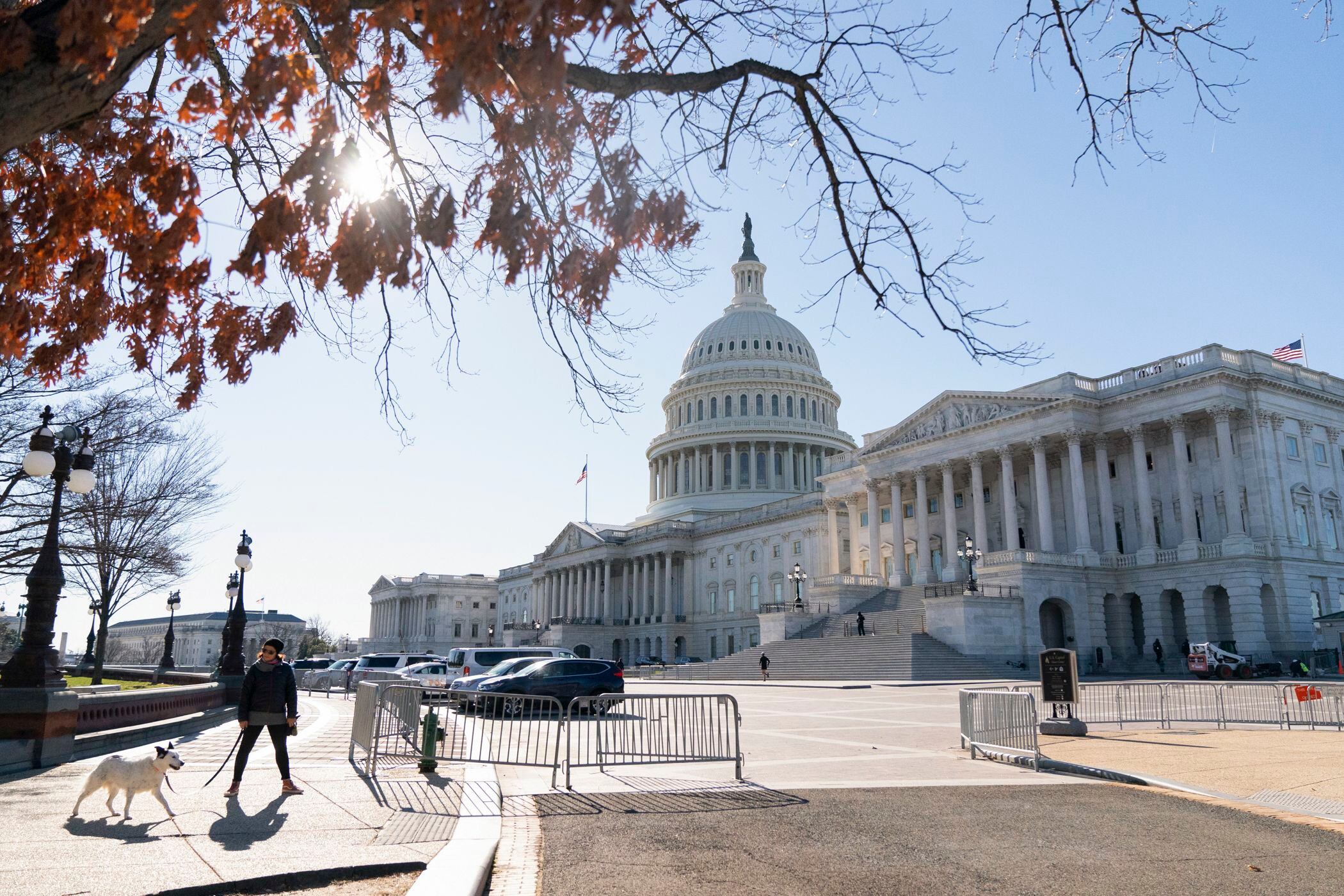
Senate Majority Leader Mitch McConnell has blocked Democrats’ push to immediately bring President Donald Trump’s demand for bigger $2,000 COVID-19 relief checks up for a vote.
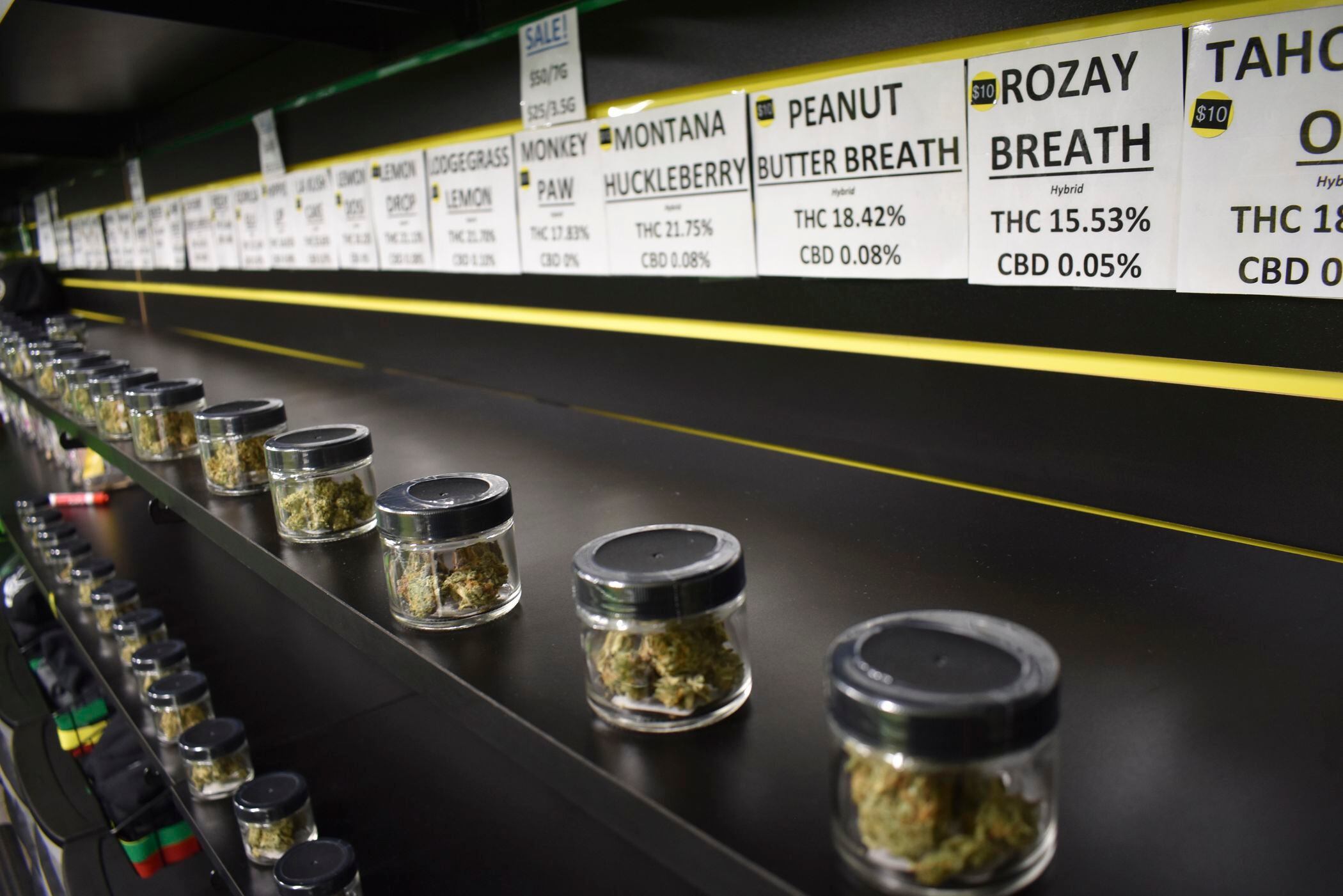
As 2020 winds to a close, the industry will head into 2021 propelled by titanic shifts in the perception of cannabis in the U.S. and unprecedented political tailwinds.
The House voted Monday to increase COVID-19 relief checks to $2,000, meeting President Donald Trump’s demand for bigger payments and sending the bill to the GOP-controlled Senate, where the outcome is uncertain.
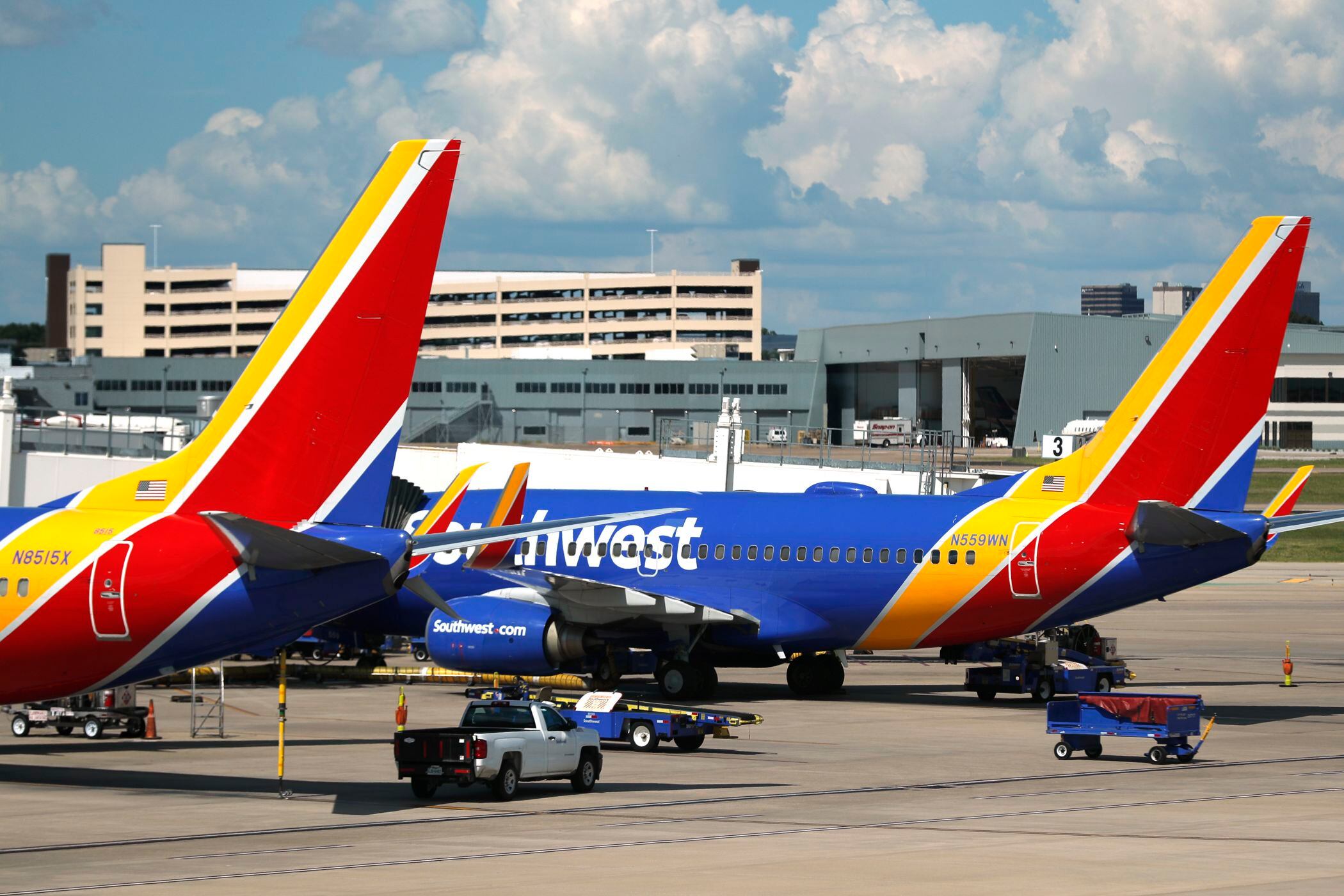
Southwest Airlines says it's not going to furlough workers in 2021 after all. The airline's CEO says that with Washington's approval of $15 billion in new federal aid to airlines, furloughs or pay cuts aren't needed.
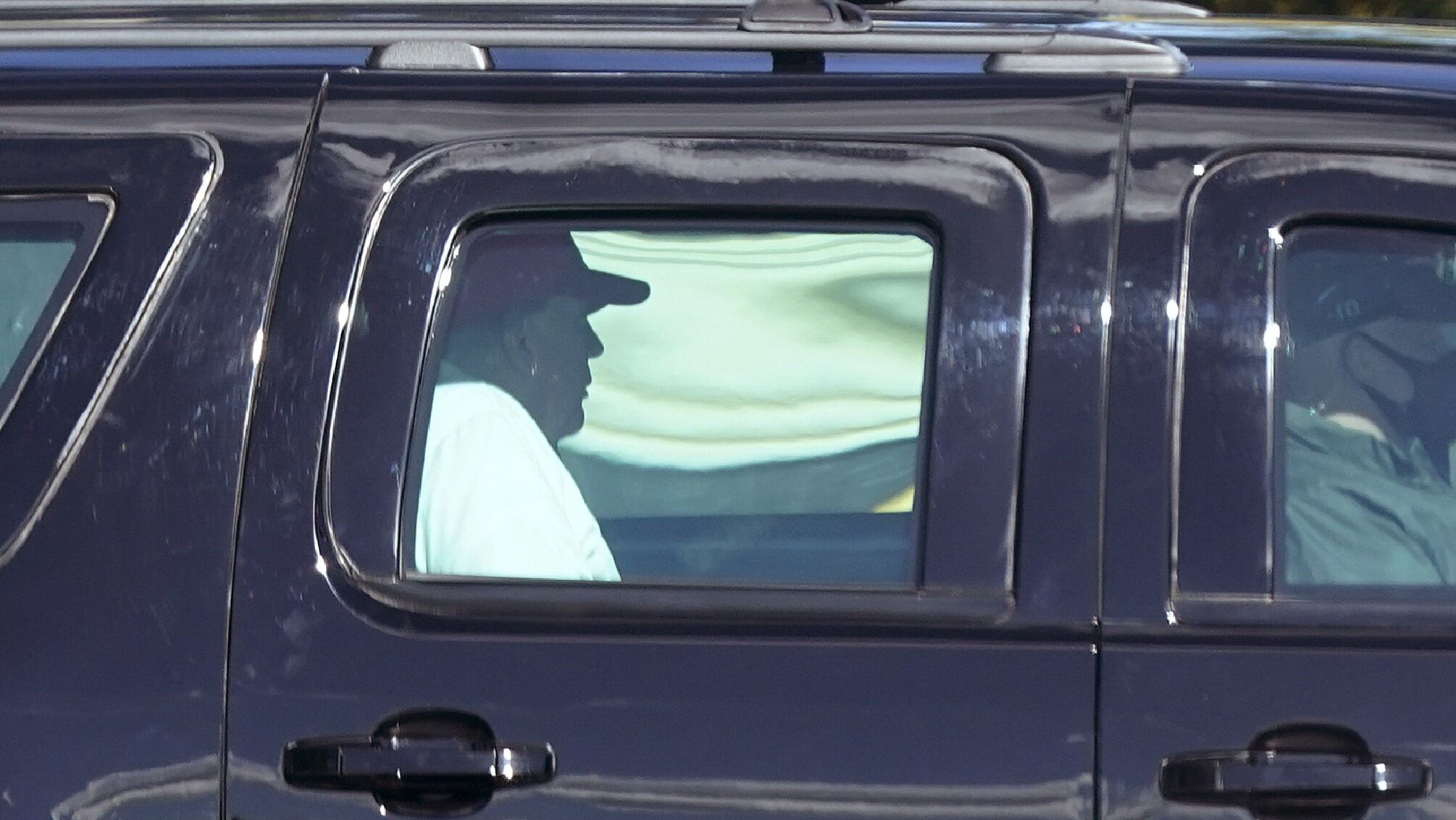
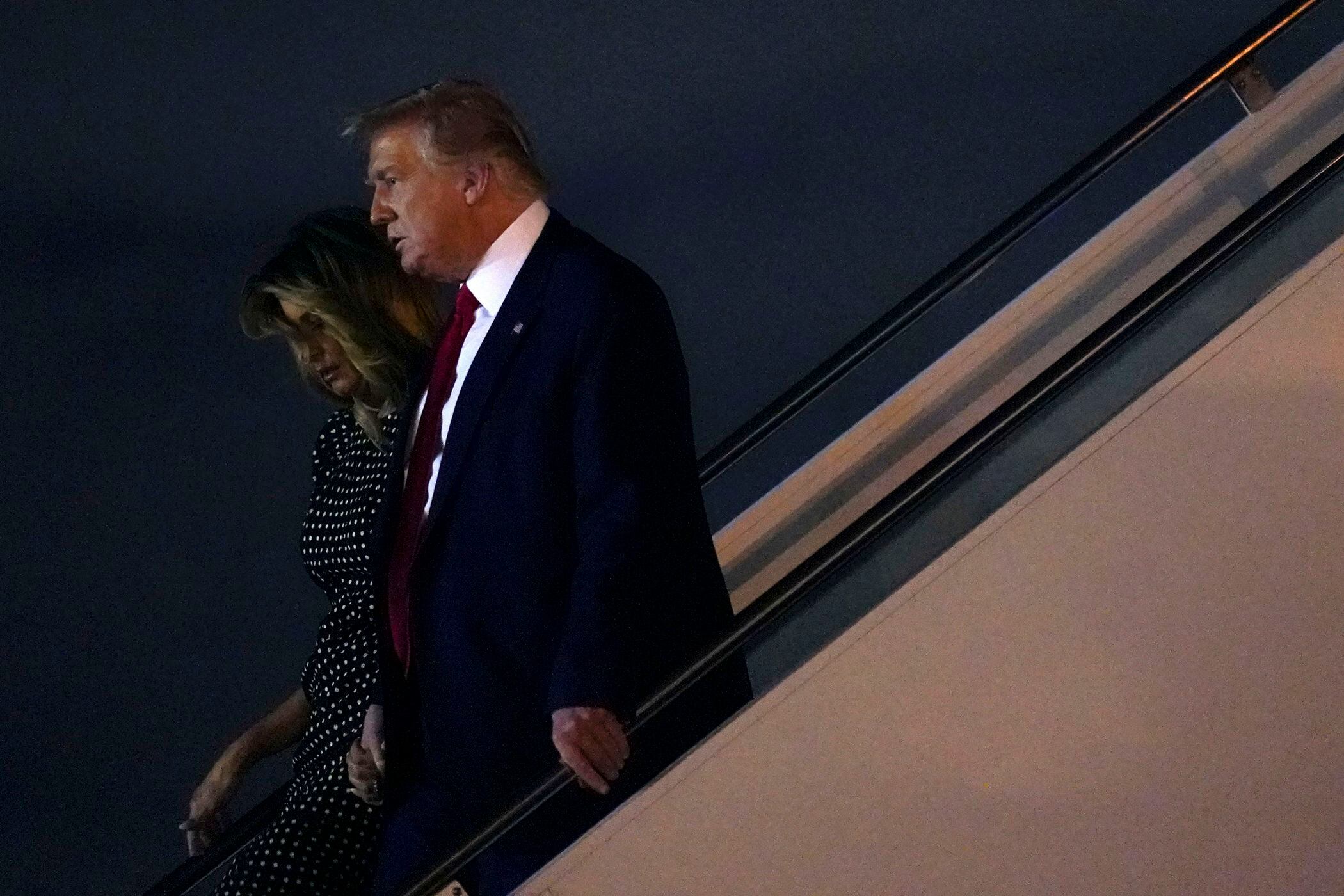
President Donald Trump’s last-minute demand for $2,000 checks for most Americans has thrown the yea-end COVID relief into chaos. House Republicans on Thursday swiftly rejected the demand.
From Wall Street to Silicon Valley, these are the top stories that moved markets and had investors, business leaders, and entrepreneurs talking this week on Cheddar.
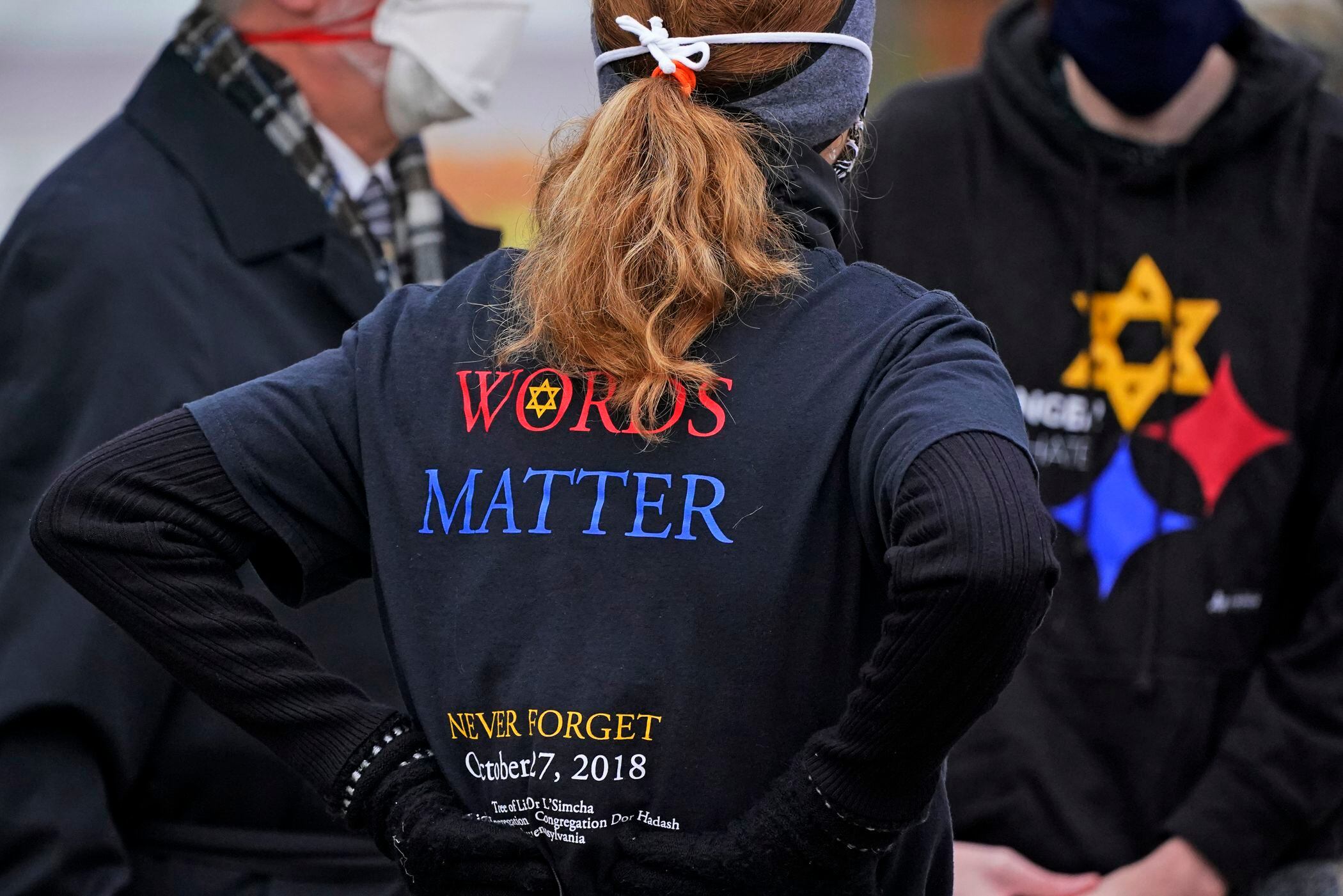
Following 2020's Hanukkah celebration, Cheddar's Jill Wagner looks into the often overlooked issue of antisemitism still plaguing the United States.
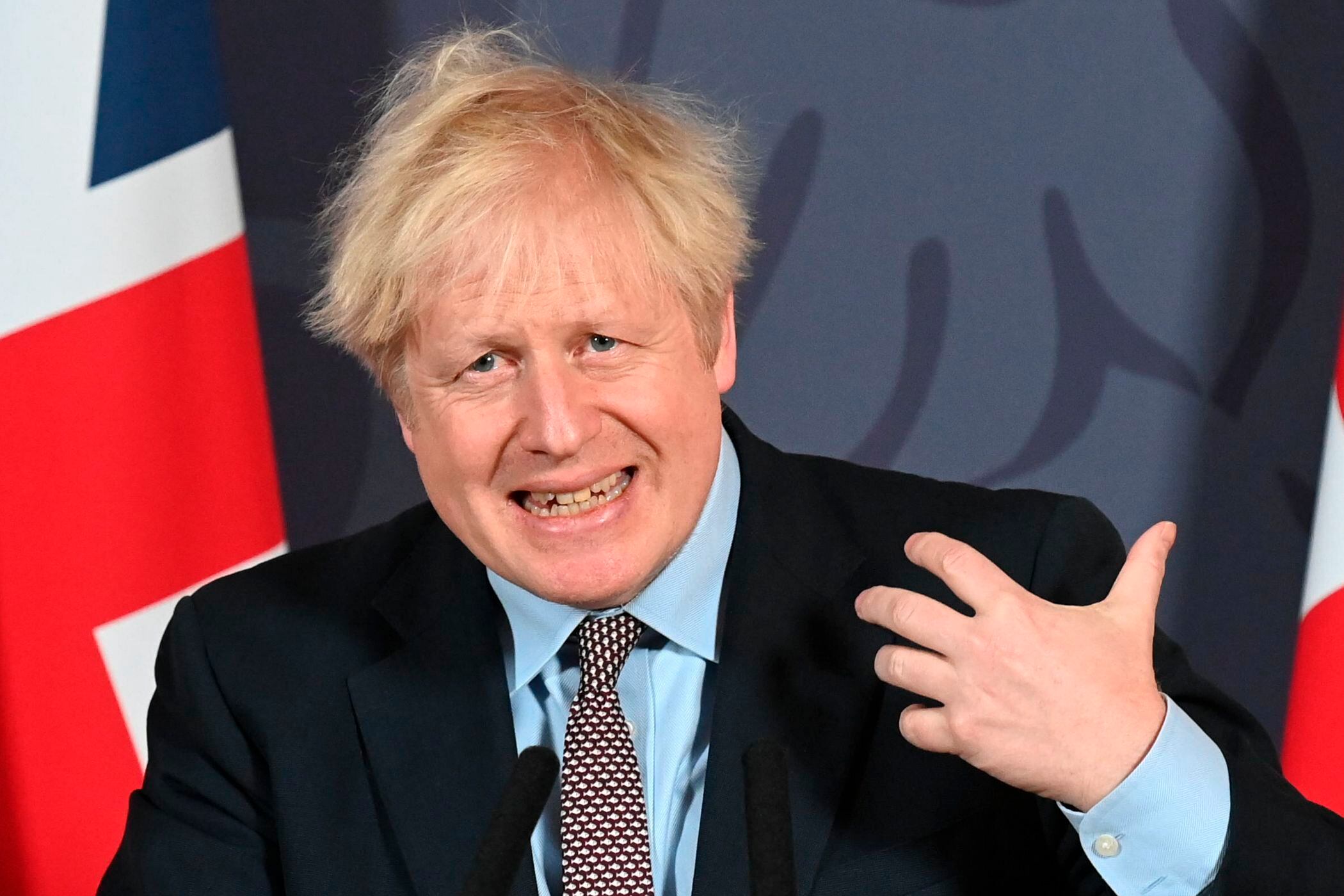
Britain and the European Union have struck a provisional free-trade agreement that should avert New Year’s chaos for cross-border commerce and bring a measure of certainty to businesses after years of Brexit turmoil.
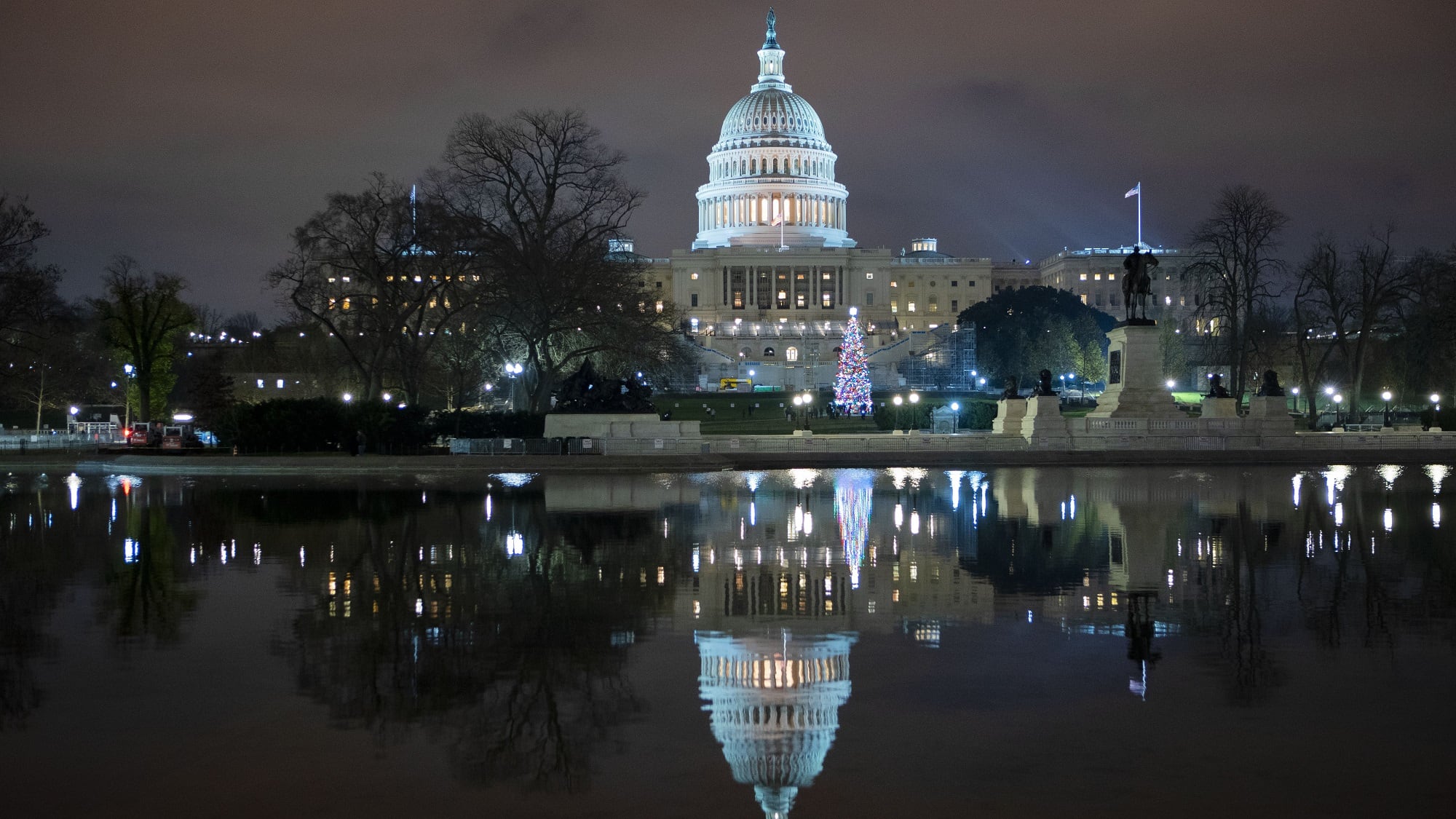
President Donald Trump has plunged Washington into chaos once more by mounting another desperate attempt to cling to power while leaving lawmakers scrambling to respond to his threat to detonate Congress’ massive COVID-19 relief and year-end package.
President Donald Trump has vetoed the annual defense policy bill, following through on threats to veto a measure that has broad bipartisan support in Congress and potentially setting up the first override vote of his presidency.