*By Spencer Feingold*
Nevada's 2020 Democratic caucus is still over eight months away, but party organizers are wasting no time in their efforts to draw the broadest possible swath of the constituency into the process.
"We think this contest is going to be really competitive here," Shelby Wiltz, the state's 2020 caucus director, told Cheddar. "We have a really diverse state, and Nevadans are really reflective of what the electorate across the country is going to look like in 2020."
Like Iowa and a handful of other states, Nevada Democrats elect their presidential nominee through a caucus, which entails voters gathering to openly debate and decide on a candidate. This process differs from a primary — used in the majority of states — where voters simply cast a ballot and leave.
Yet the Silver State now offers multiple options for caucusing to ensure a high turnout. Aside from participating on caucus day, voters now have the option to make their voices heard through a four-day early caucus period or by participating in a virtual caucus, which will allow residents to phone-in their preferred candidates.
It is "an option for folks who may have a disability, folk who are homebound due to illness, single parents, or parents in general who are busy and taking care of their kids and may not have time to come to the caucus," Wiltz said.
The phone option will be available to the [roughly 667,000](https://www.nvsos.gov/sos/home/showdocument?id=6171) Nevada Democrats in English, Spanish, and Tagalog.
"Folks are eager to get involved, they are eager to come out and vote," Wiltz added. "We have really strong prospects for the future."
The actual in-person caucus is set for February 22, 2020; the date for the Republican Nevada caucus has not yet been announced.
Witnesses testified Tuesday that onlookers grew increasingly angry as they begged Minneapolis Officer Derek Chauvin to take his knee off George Floyd’s neck.
Russian President Vladimir Putin has hailed the military’s performance during recent Arctic drills, part of Moscow’s efforts to expand its presence in the polar region.
What happens inside a warehouse in Bessemer, Alabama could have major implications not just for the country’s second-largest employer but the labor movement at large.
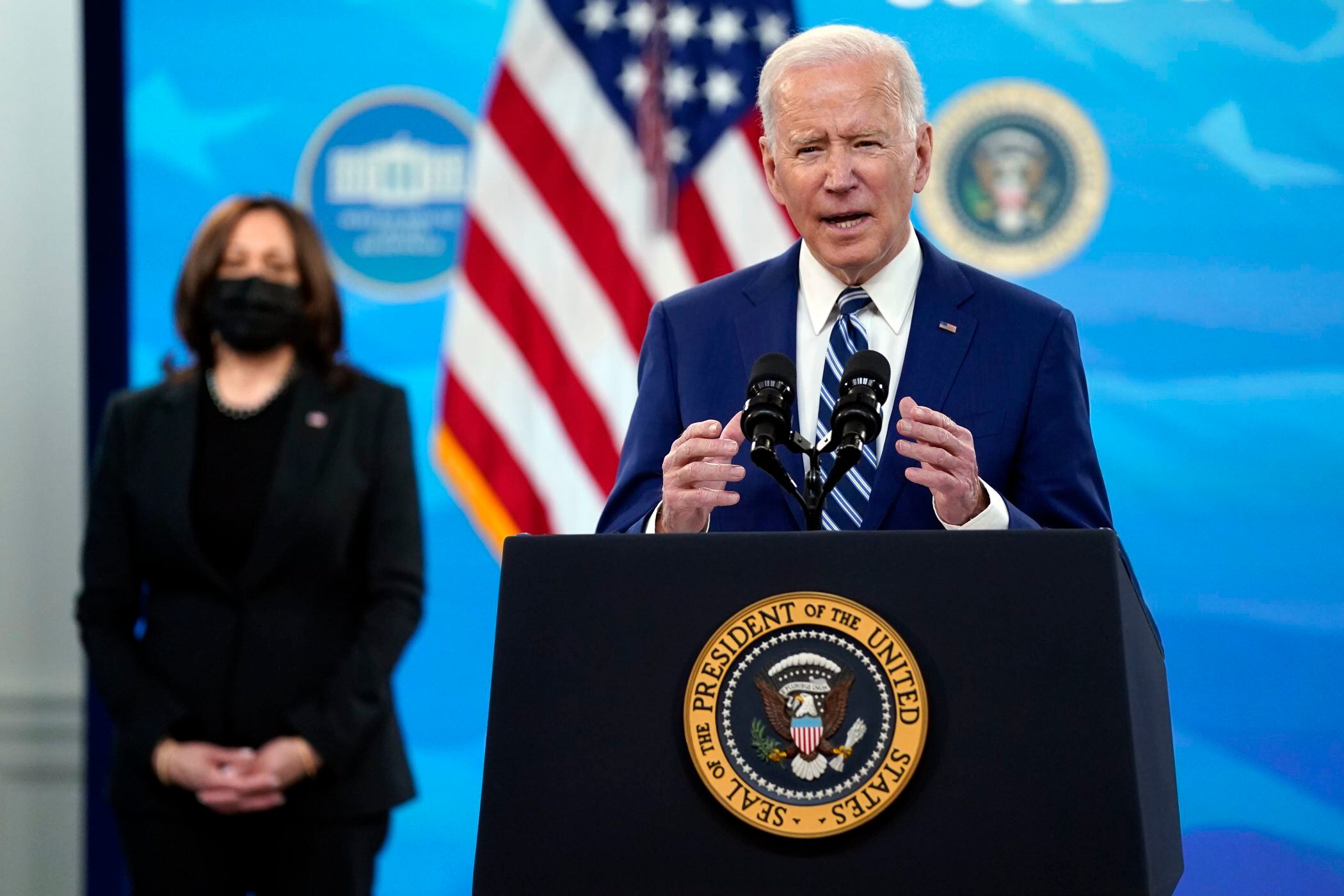
President Joe Biden and CDC Director Dr. Rochelle Walensky are making impassioned pleas to Americans not to let their guard down in the fight against COVID-19.
New York lawmakers have finalized an agreement to legalize recreational marijuana sales to adults over the age of 21.
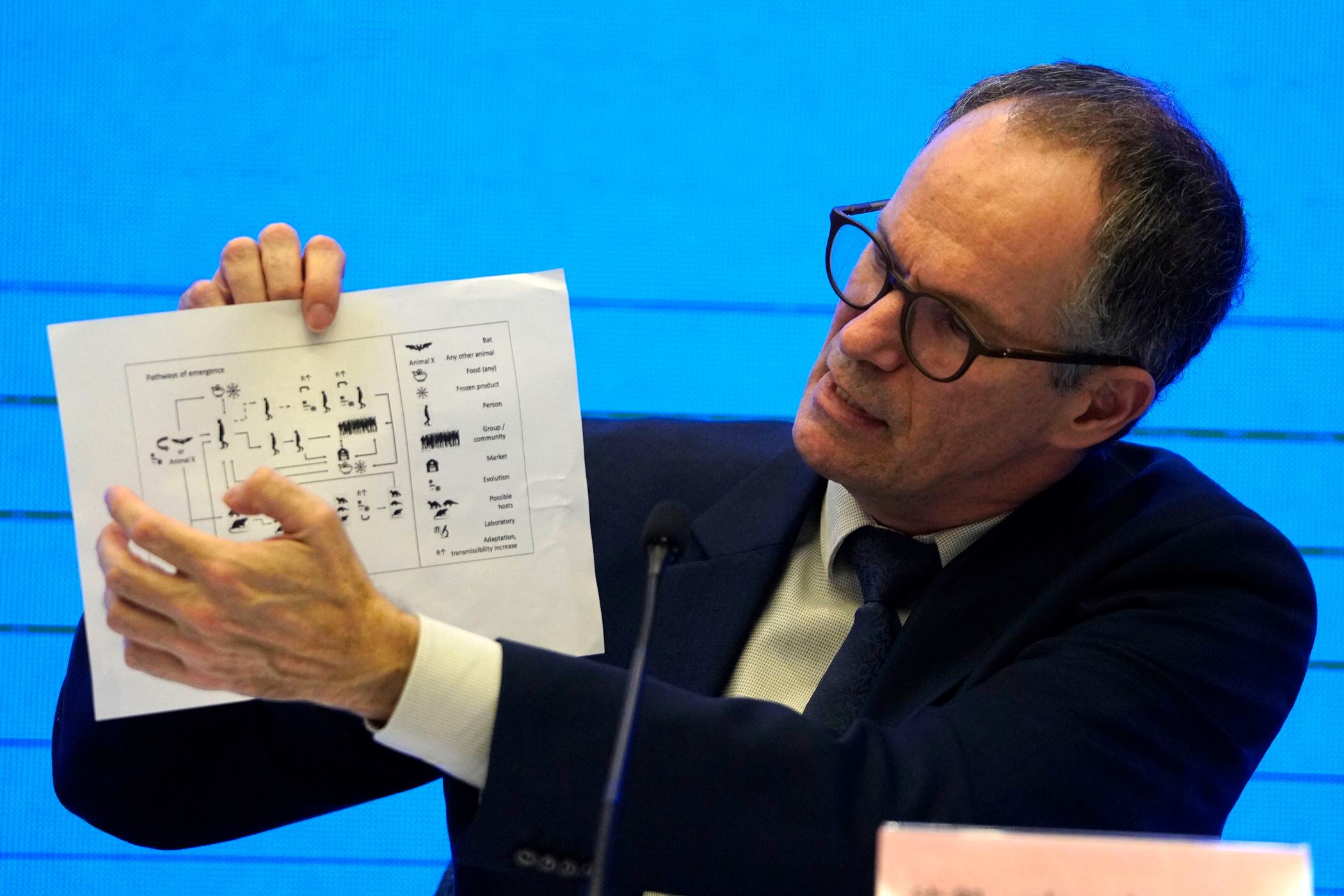
A joint WHO-China study on the origins of COVID-19 says that transmission from bats to humans through another animal is the most likely scenario and that a lab leak of the coronavirus is “extremely unlikely.”
We have another Infrastructure Week on the schedule and if you had “the filibuster isn’t racist” on your 2021 BINGO card, you win a prize. Here’s more about what is and isn’t expected in the Washington Week Ahead.
New York lawmakers and Gov. Cuomo have reached a deal on legalizing adult-use marijuana in the state.
Rep. Jan Schakowsky (D-Ill. 9th District) and Rep. Bob Latta (R-Ohio 5th District) joined Cheddar to discuss what Congress might do about the Big Tech companies following the latest hearing on misinformation and disinformation online.
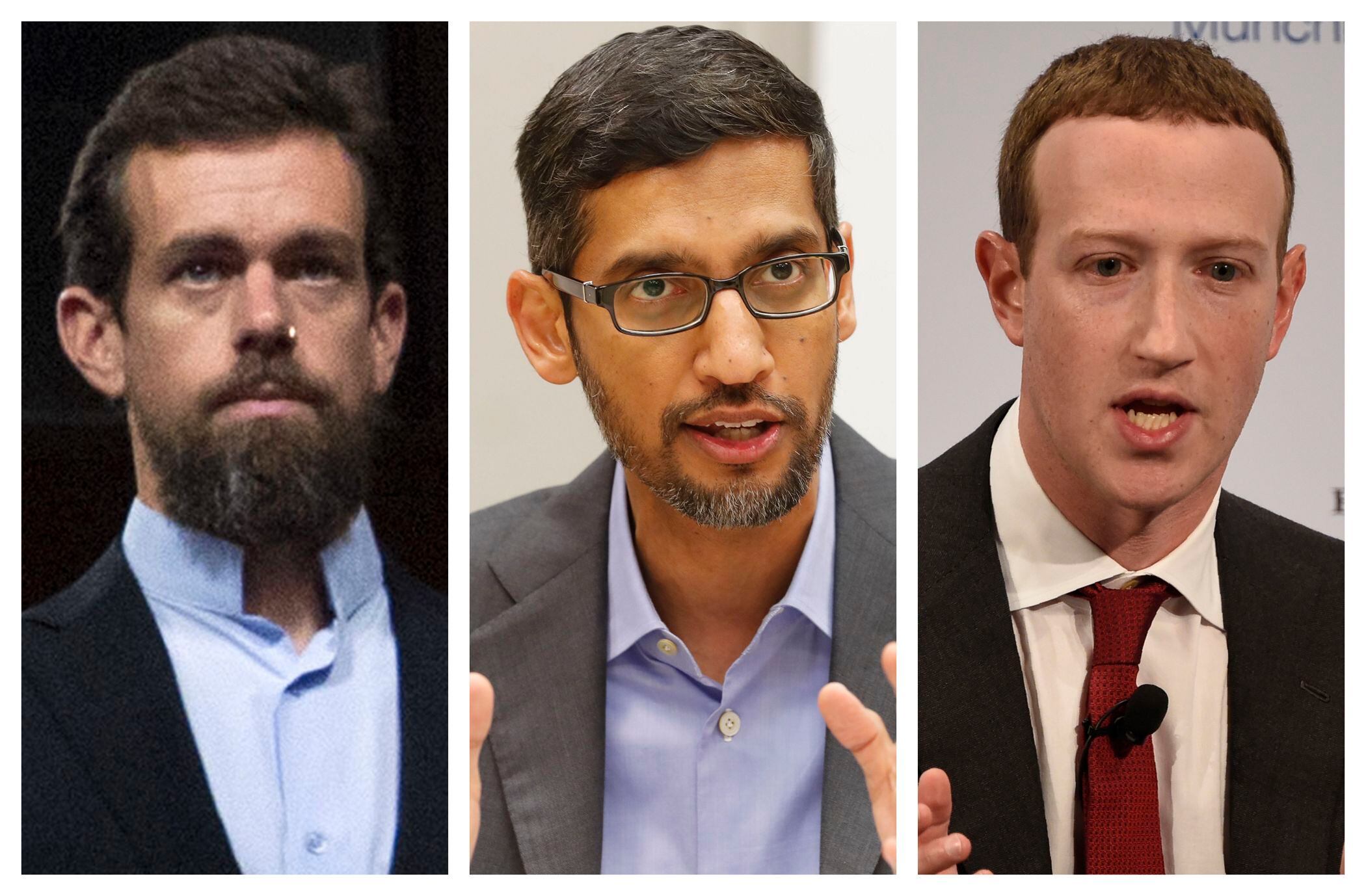
On Thursday, March 25, Congress will hold a remote hearing with testimony from Facebook CEO Mark Zuckerberg, Twitter CEO Jack Dorsey, and Google CEO Sundar Pichai on the "misinformation and disinformation" that some argue continue to plague online platforms.