*By Spencer Feingold*
Nevada's 2020 Democratic caucus is still over eight months away, but party organizers are wasting no time in their efforts to draw the broadest possible swath of the constituency into the process.
"We think this contest is going to be really competitive here," Shelby Wiltz, the state's 2020 caucus director, told Cheddar. "We have a really diverse state, and Nevadans are really reflective of what the electorate across the country is going to look like in 2020."
Like Iowa and a handful of other states, Nevada Democrats elect their presidential nominee through a caucus, which entails voters gathering to openly debate and decide on a candidate. This process differs from a primary — used in the majority of states — where voters simply cast a ballot and leave.
Yet the Silver State now offers multiple options for caucusing to ensure a high turnout. Aside from participating on caucus day, voters now have the option to make their voices heard through a four-day early caucus period or by participating in a virtual caucus, which will allow residents to phone-in their preferred candidates.
It is "an option for folks who may have a disability, folk who are homebound due to illness, single parents, or parents in general who are busy and taking care of their kids and may not have time to come to the caucus," Wiltz said.
The phone option will be available to the [roughly 667,000](https://www.nvsos.gov/sos/home/showdocument?id=6171) Nevada Democrats in English, Spanish, and Tagalog.
"Folks are eager to get involved, they are eager to come out and vote," Wiltz added. "We have really strong prospects for the future."
The actual in-person caucus is set for February 22, 2020; the date for the Republican Nevada caucus has not yet been announced.
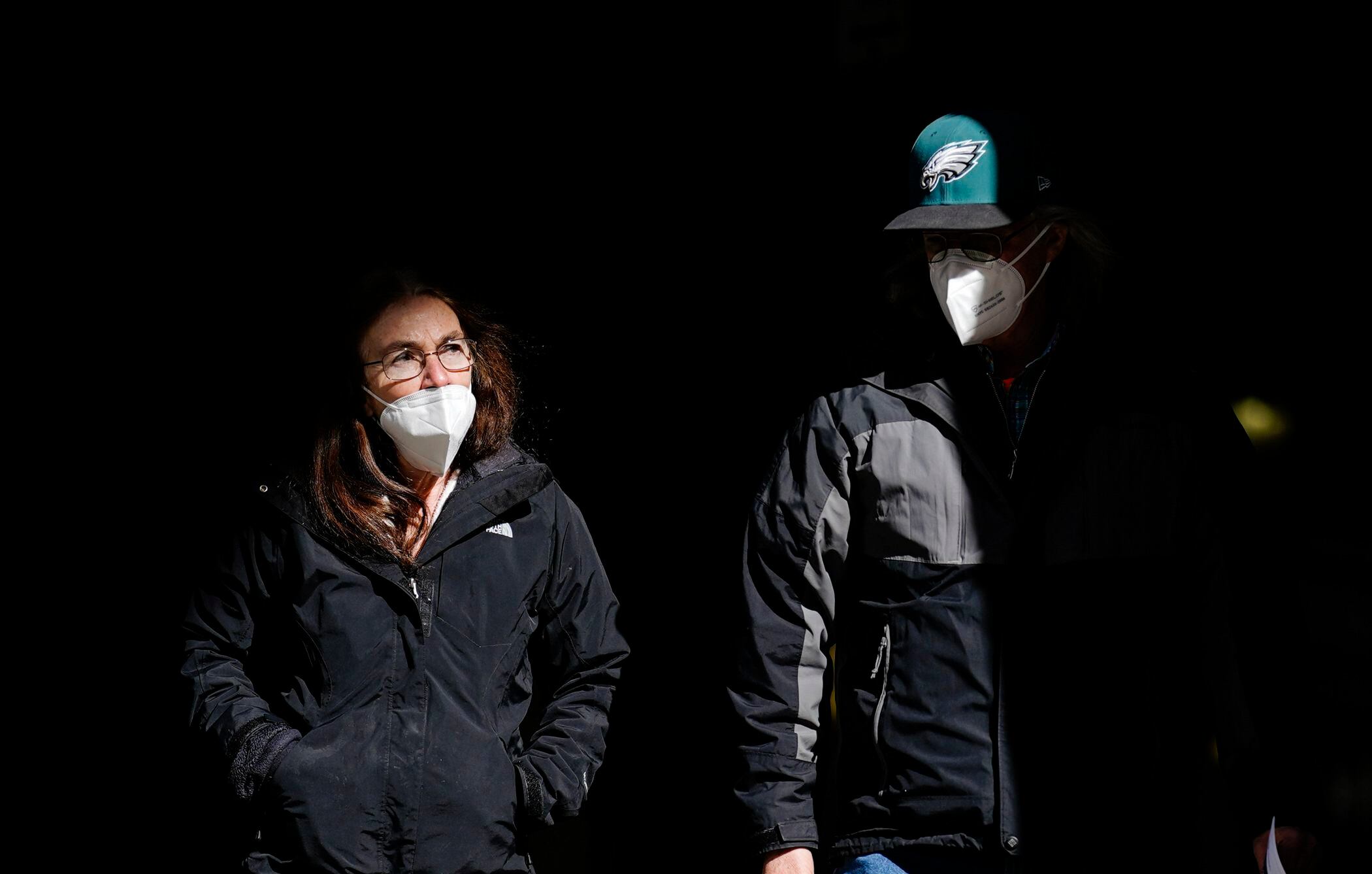
U.S. health officials say fully vaccinated Americans don't need to wear masks outdoors anymore unless they are in a big crowd of strangers.
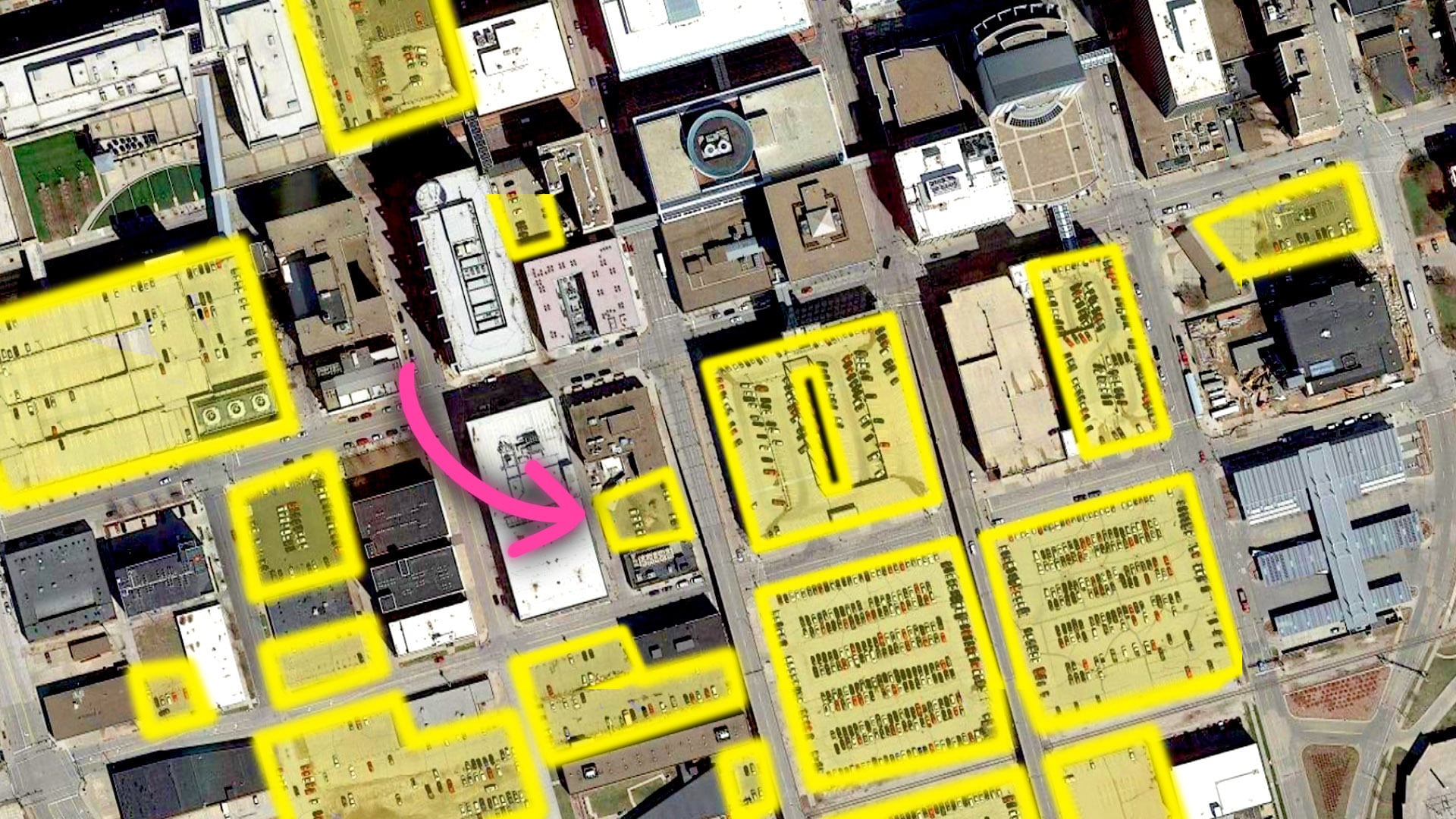
Car culture in the U.S. spurred a parking boom since the early 1900s. As a result, cities are chock full of parking lots and garages. Cheddar explains why this happened and the often unseen damage it's doing to our urban centers.
Jill and Carlo talk about optimism on the pandemic and economy, a big demographic shift that will have implications for the midterms, Apple rolling out its new privacy tool, and the Oscars ratings.
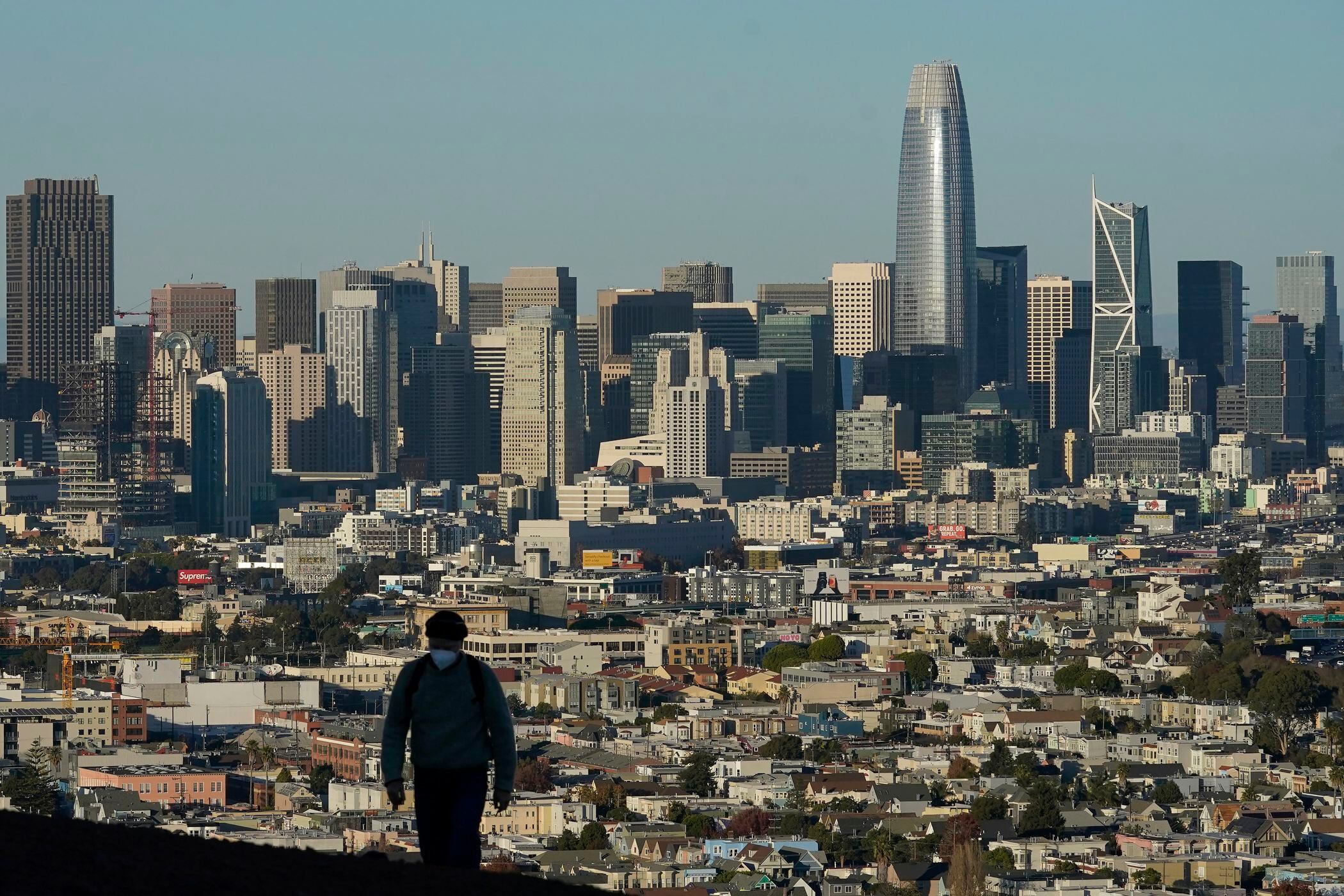
The first numbers from the 2020 census are out and they show Republican-controlled Southern and Western states gaining congressional seats.
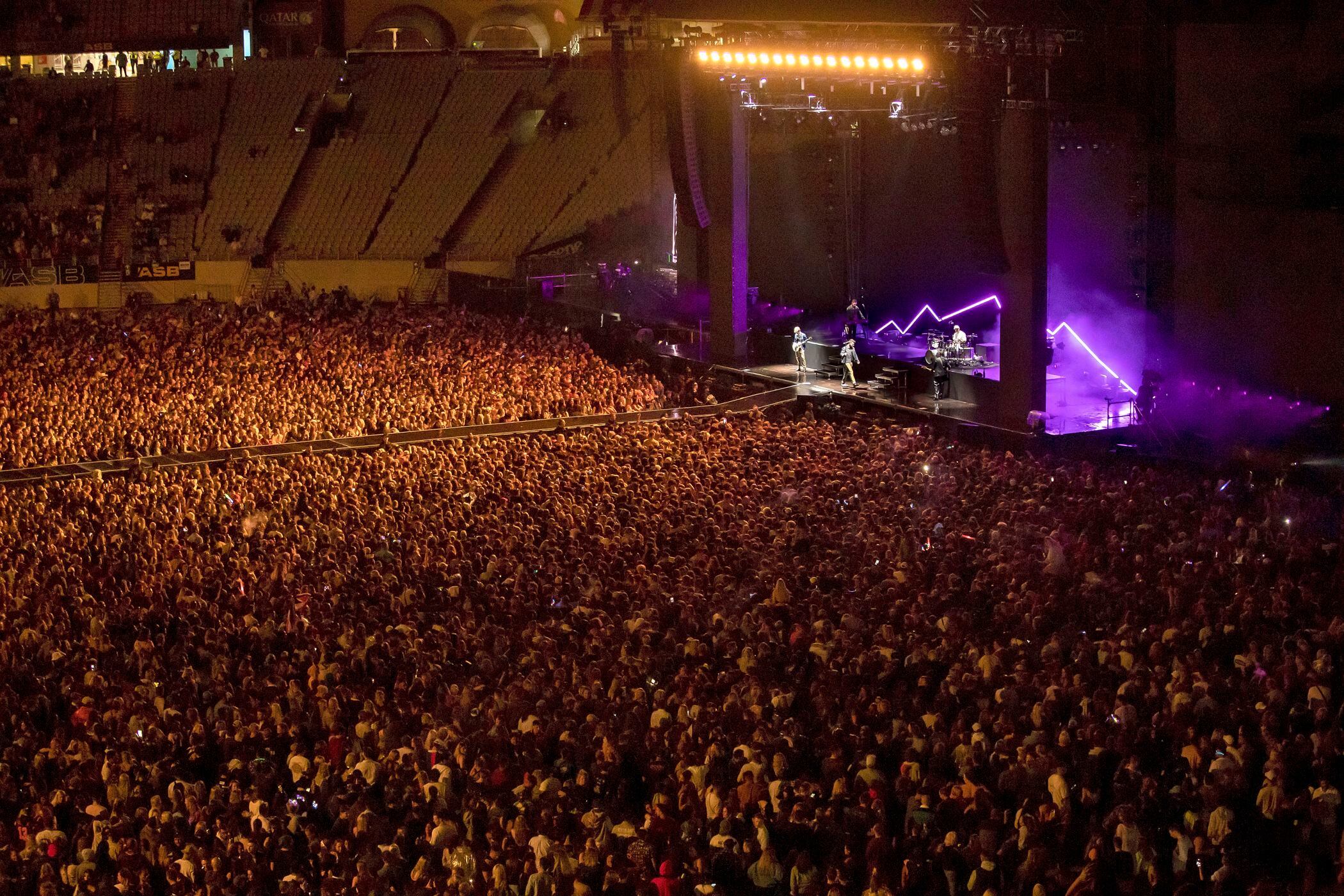
While much of the world remains hunkered down, the band Six60 has been playing to huge crowds in New Zealand, where social distancing isn’t required after the nation stamped out the coronavirus.
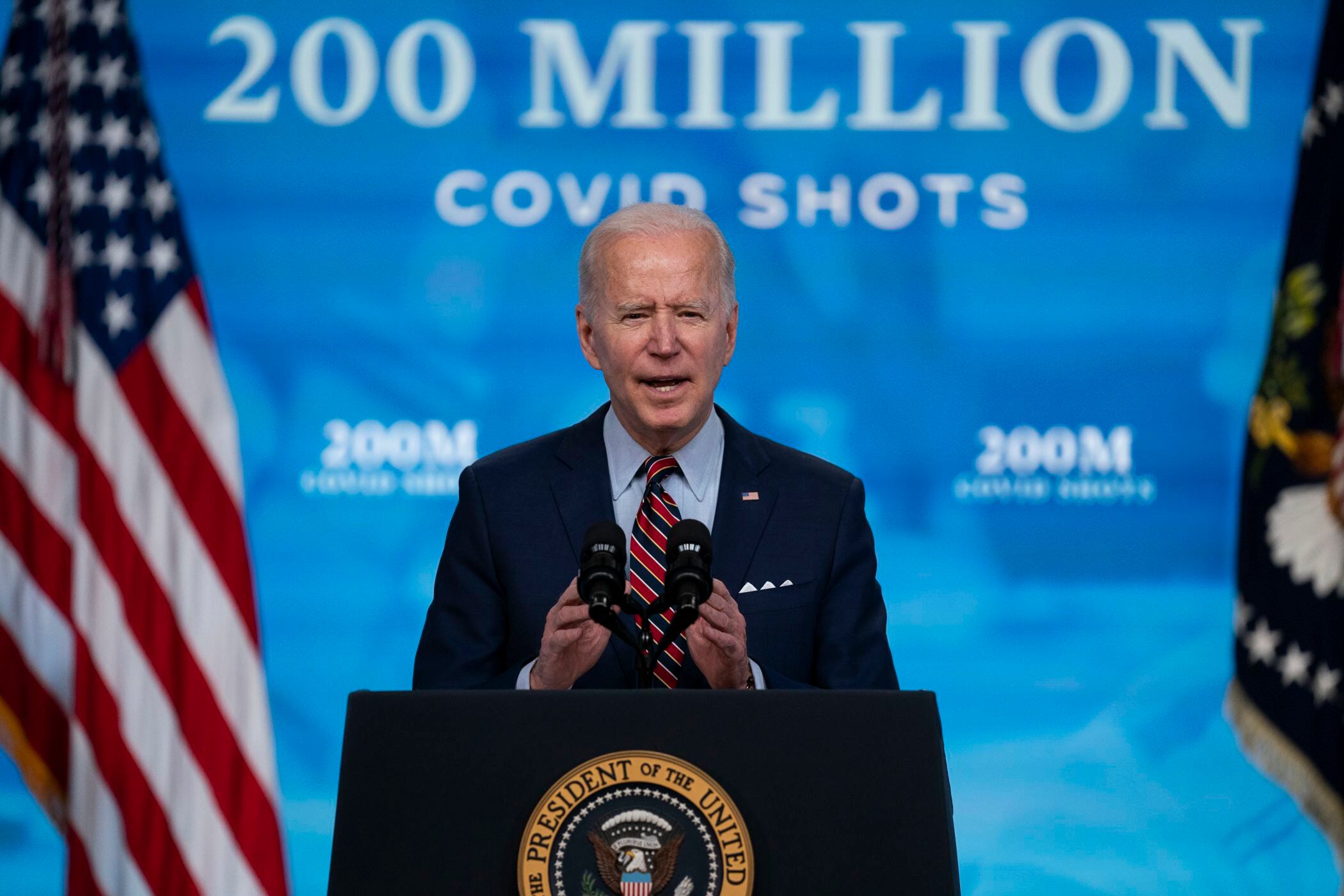
The White House says the U.S. will begin sharing its entire stock of AstraZeneca COVID-19 vaccines with the world once it clears federal safety reviews.
Even before COVID, Modern Monetary Theory (MMT) was coming into vogue among left-leaning economists and policy-makers. But what is it? And what are the arguments for and against it?
Officials say the European Union is finalizing plans to allow tourists from the United States to travel to the 27-nation bloc this summer.
Jill is joined by Baker Machado this morning to talk about the CDC reinstating the J&J vaccine, a worsening Coronavirus crisis in India, but also, where things are looking a lot better.
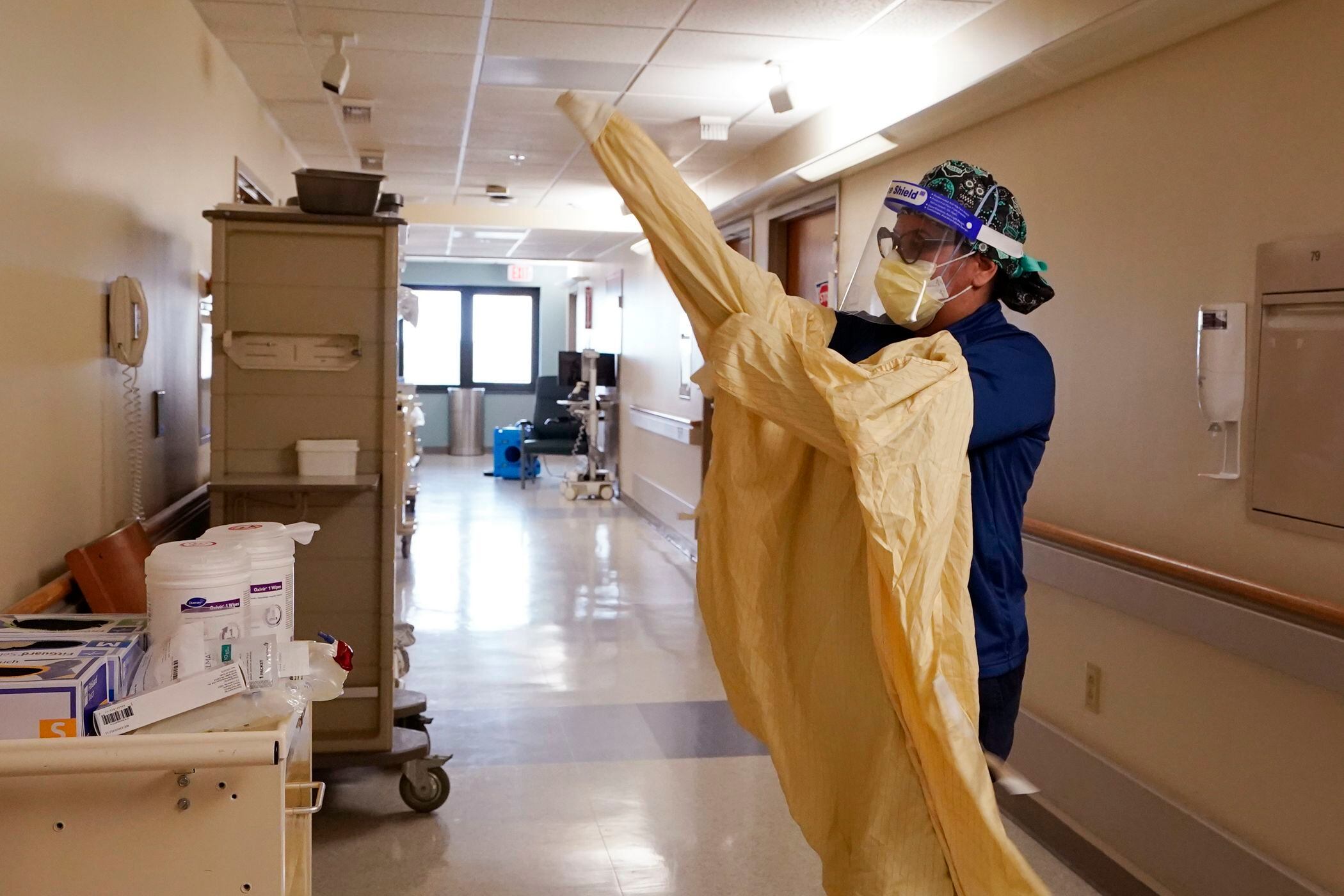
Michigan has become the current national hotspot for COVID-19 infections and hospitalizations at a time when more than half the U.S. adult population has been vaccinated and other states have seen the virus diminish substantially.