*By Spencer Feingold*
Nevada's 2020 Democratic caucus is still over eight months away, but party organizers are wasting no time in their efforts to draw the broadest possible swath of the constituency into the process.
"We think this contest is going to be really competitive here," Shelby Wiltz, the state's 2020 caucus director, told Cheddar. "We have a really diverse state, and Nevadans are really reflective of what the electorate across the country is going to look like in 2020."
Like Iowa and a handful of other states, Nevada Democrats elect their presidential nominee through a caucus, which entails voters gathering to openly debate and decide on a candidate. This process differs from a primary — used in the majority of states — where voters simply cast a ballot and leave.
Yet the Silver State now offers multiple options for caucusing to ensure a high turnout. Aside from participating on caucus day, voters now have the option to make their voices heard through a four-day early caucus period or by participating in a virtual caucus, which will allow residents to phone-in their preferred candidates.
It is "an option for folks who may have a disability, folk who are homebound due to illness, single parents, or parents in general who are busy and taking care of their kids and may not have time to come to the caucus," Wiltz said.
The phone option will be available to the [roughly 667,000](https://www.nvsos.gov/sos/home/showdocument?id=6171) Nevada Democrats in English, Spanish, and Tagalog.
"Folks are eager to get involved, they are eager to come out and vote," Wiltz added. "We have really strong prospects for the future."
The actual in-person caucus is set for February 22, 2020; the date for the Republican Nevada caucus has not yet been announced.
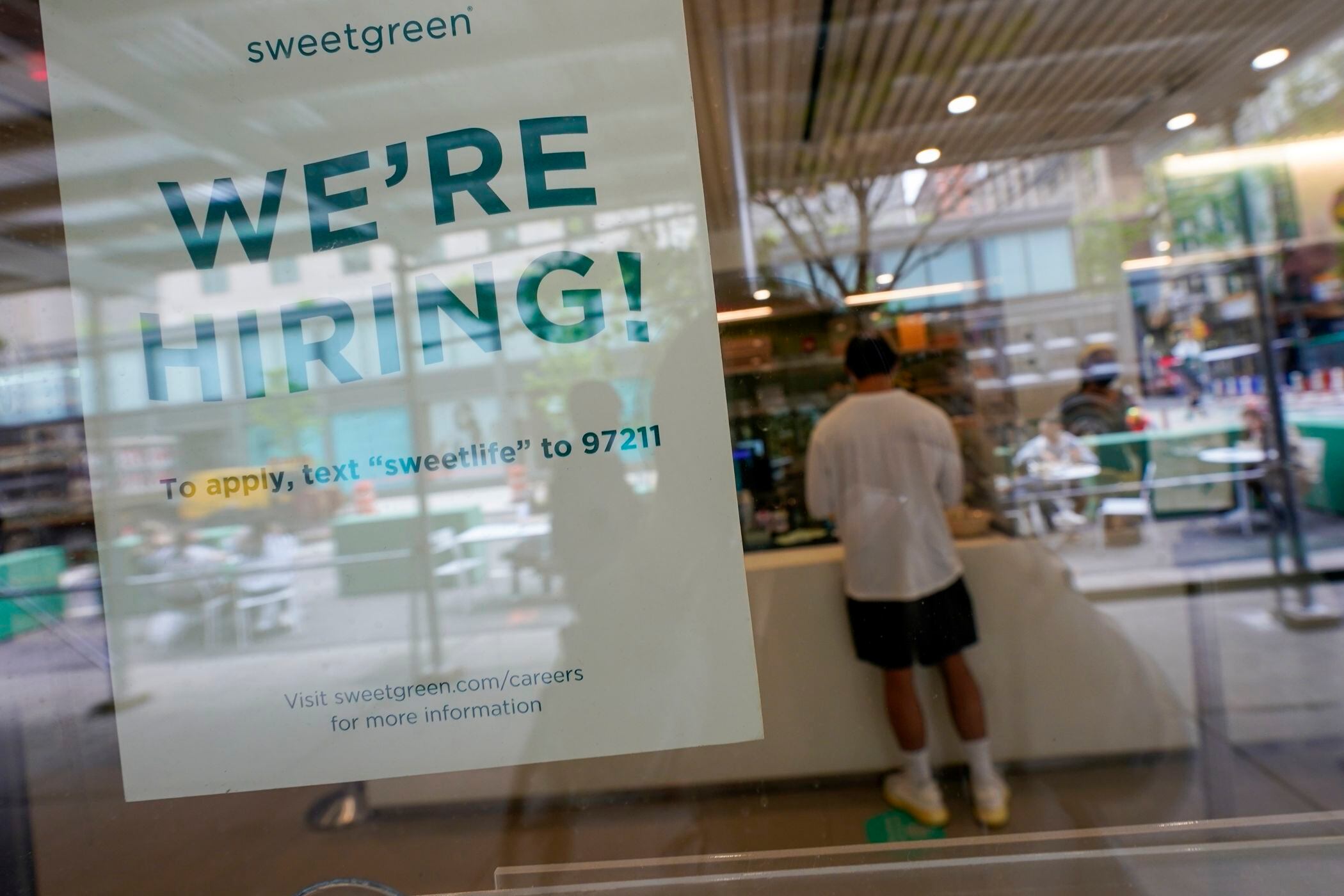
The recovery of America’s job market hit a pause last month as many businesses — from restaurants and hotels to factories and construction companies — struggled to find enough workers to catch up with a rapidly strengthening economic rebound.
Amusement park regulation varies from state to state, but no American amusement park receives federal oversight. In fact, the largest parks are free to regulate themselves.
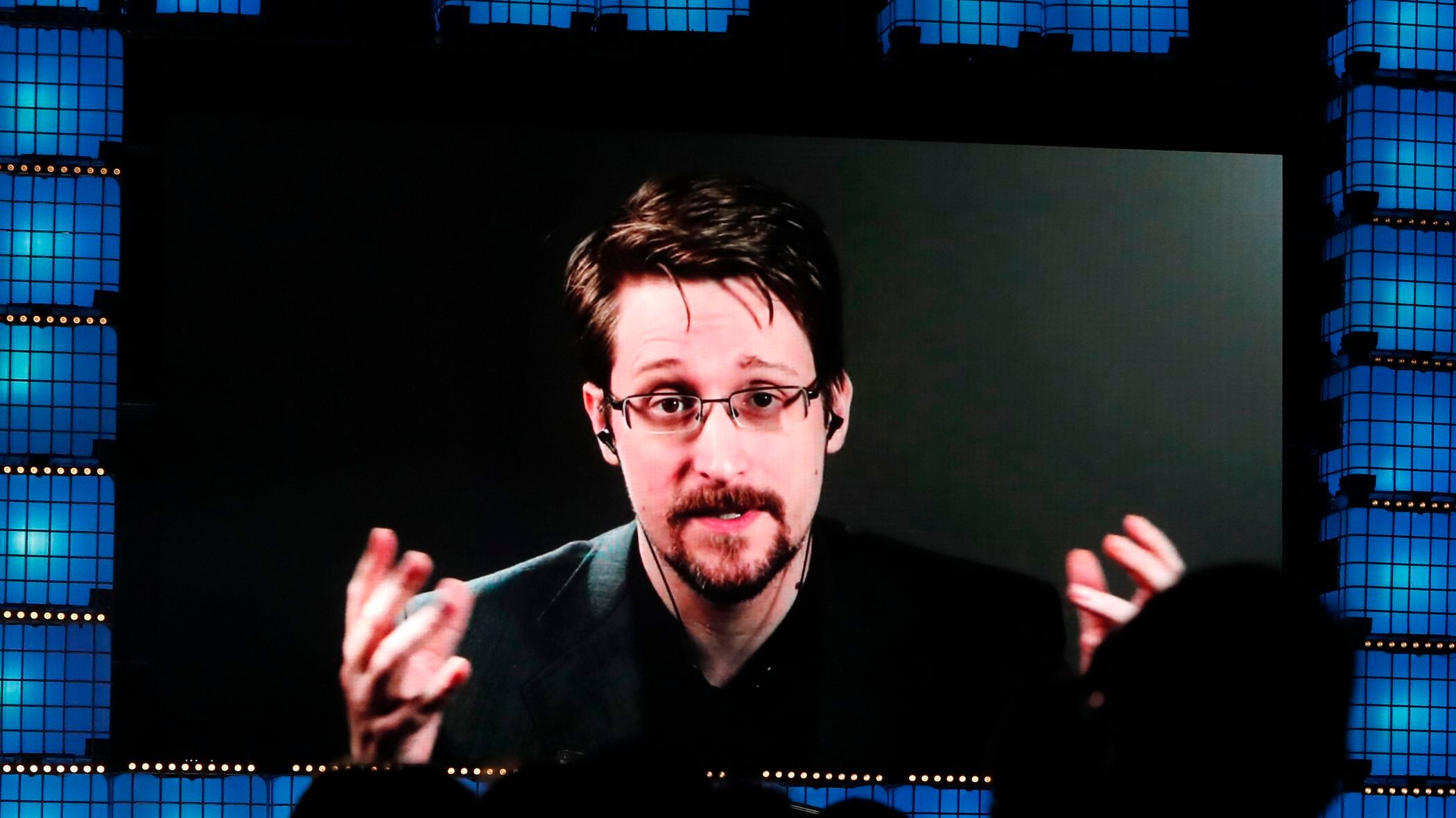
Edward Snowden, a former U.S. National Security Agency and CIA contractor-turned whistleblower, on Thursday criticized what he called bitcoin's lack of privacy protections.
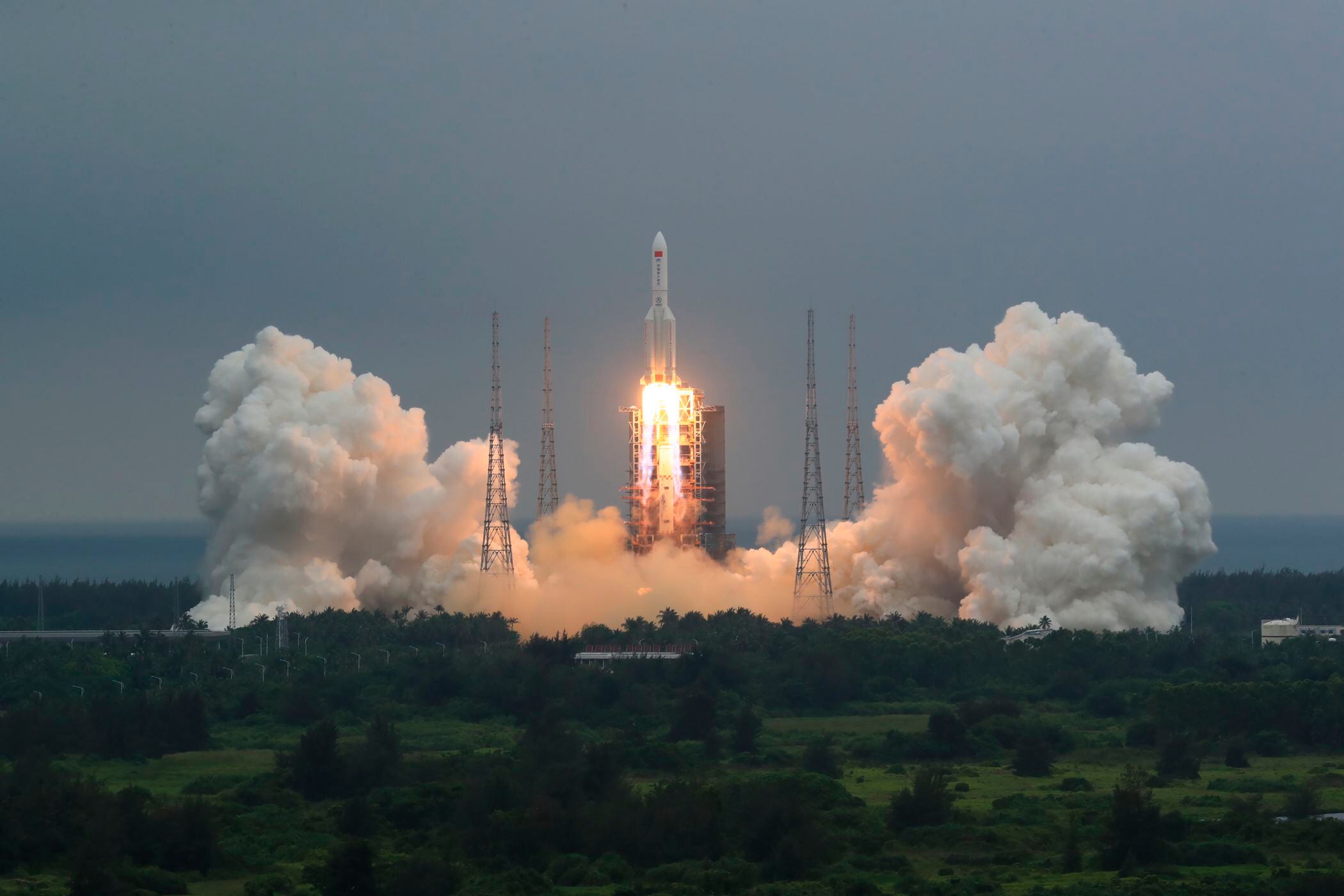
The largest section of the rocket that launched the main module of China’s first permanent space station into orbit is expected to plunge back to Earth as early as Saturday at an unknown location.
The number of Americans seeking unemployment aid fell last week to 498,000, the lowest point since the viral pandemic struck 14 months ago
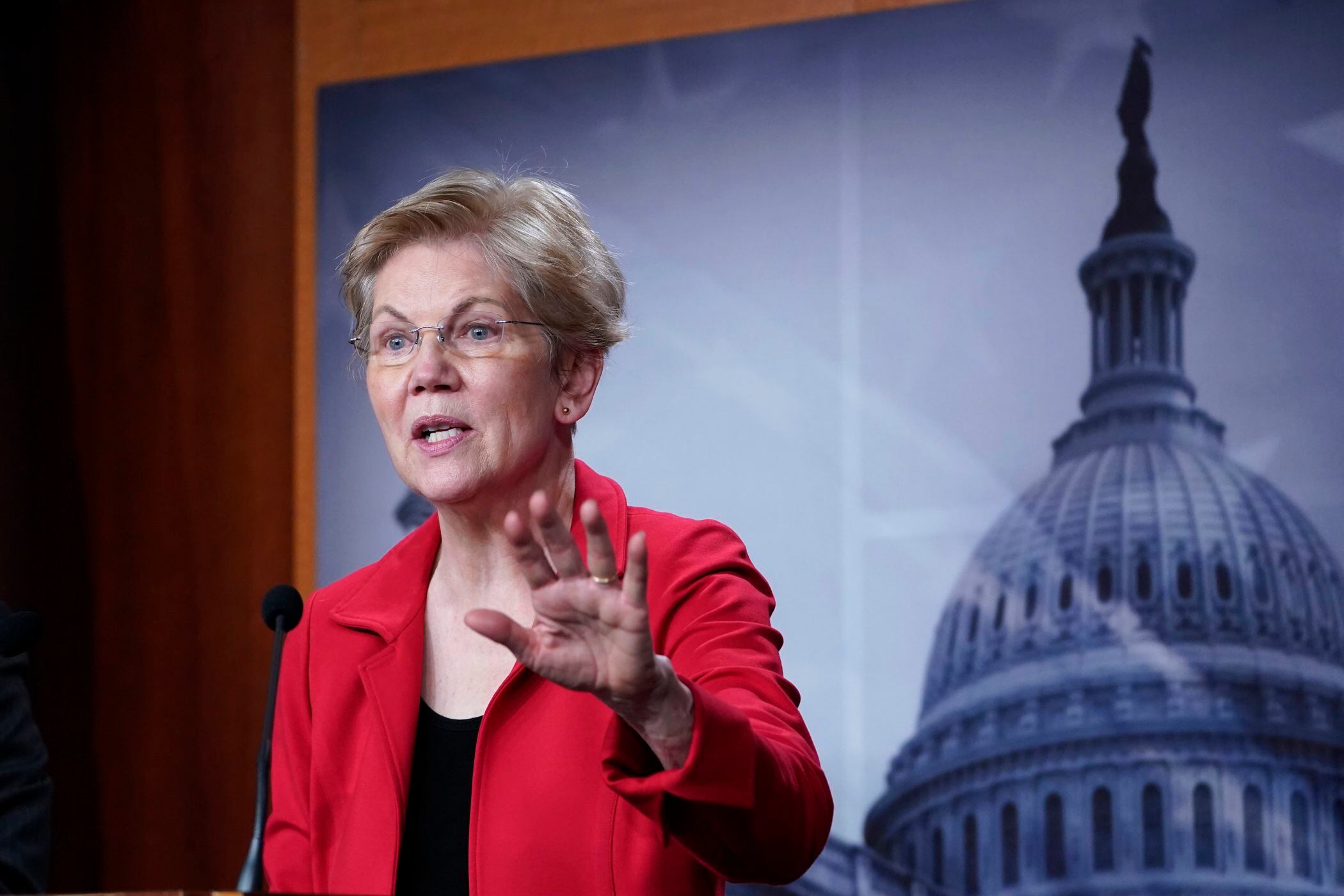
Sen. Elizabeth Warren (D-Mass.), who stopped by Cheddar to discuss her new memoir "Persist," touched on topics ranging from Facebook's ban of former President Trump to dismissing worries over inflation.
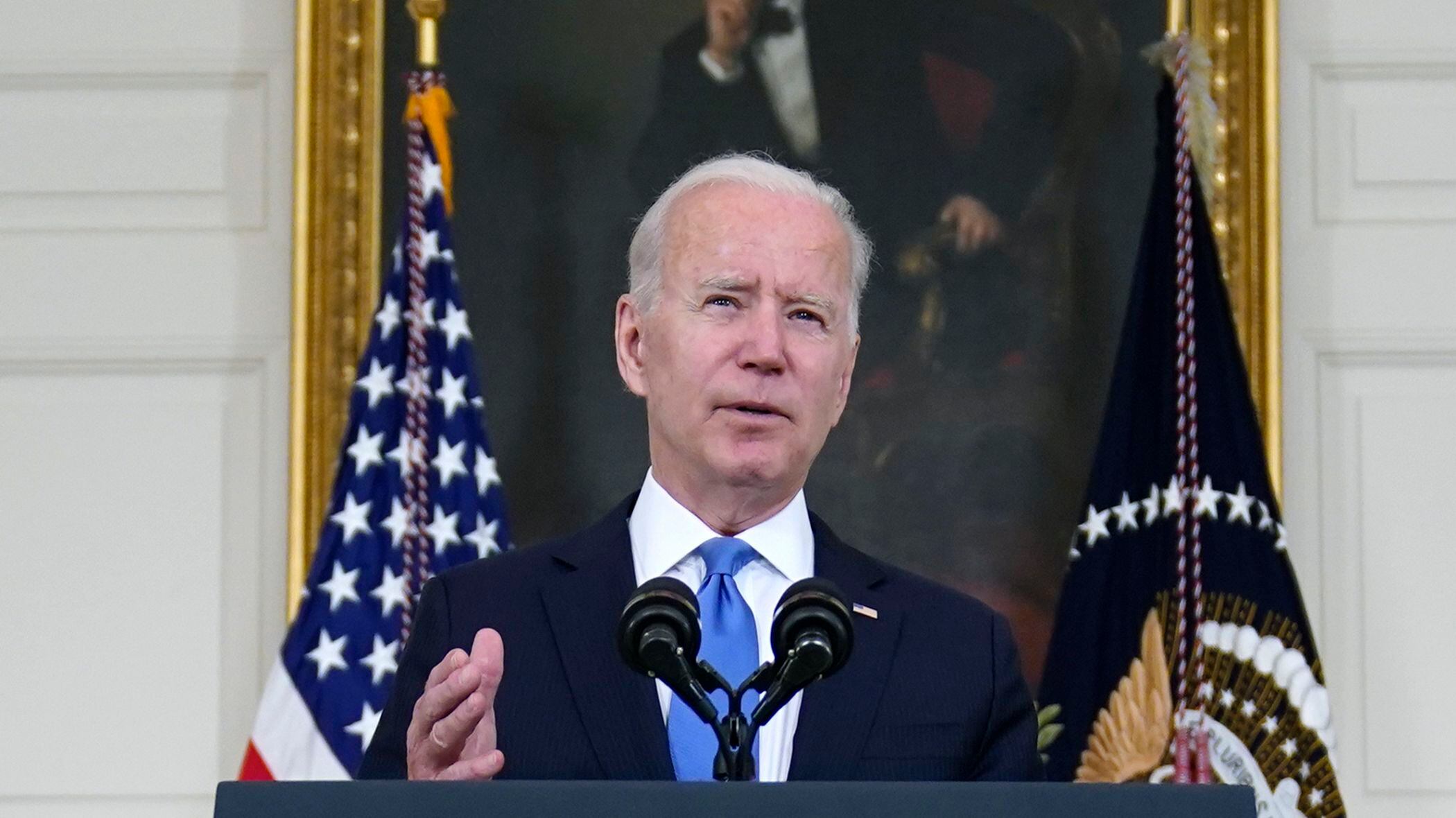
President Joe Biden has made a Cinco de Mayo taco and enchilada run to highlight his administration’s $28.6 billion program to help eateries that lost business because of the coronavirus pandemic.
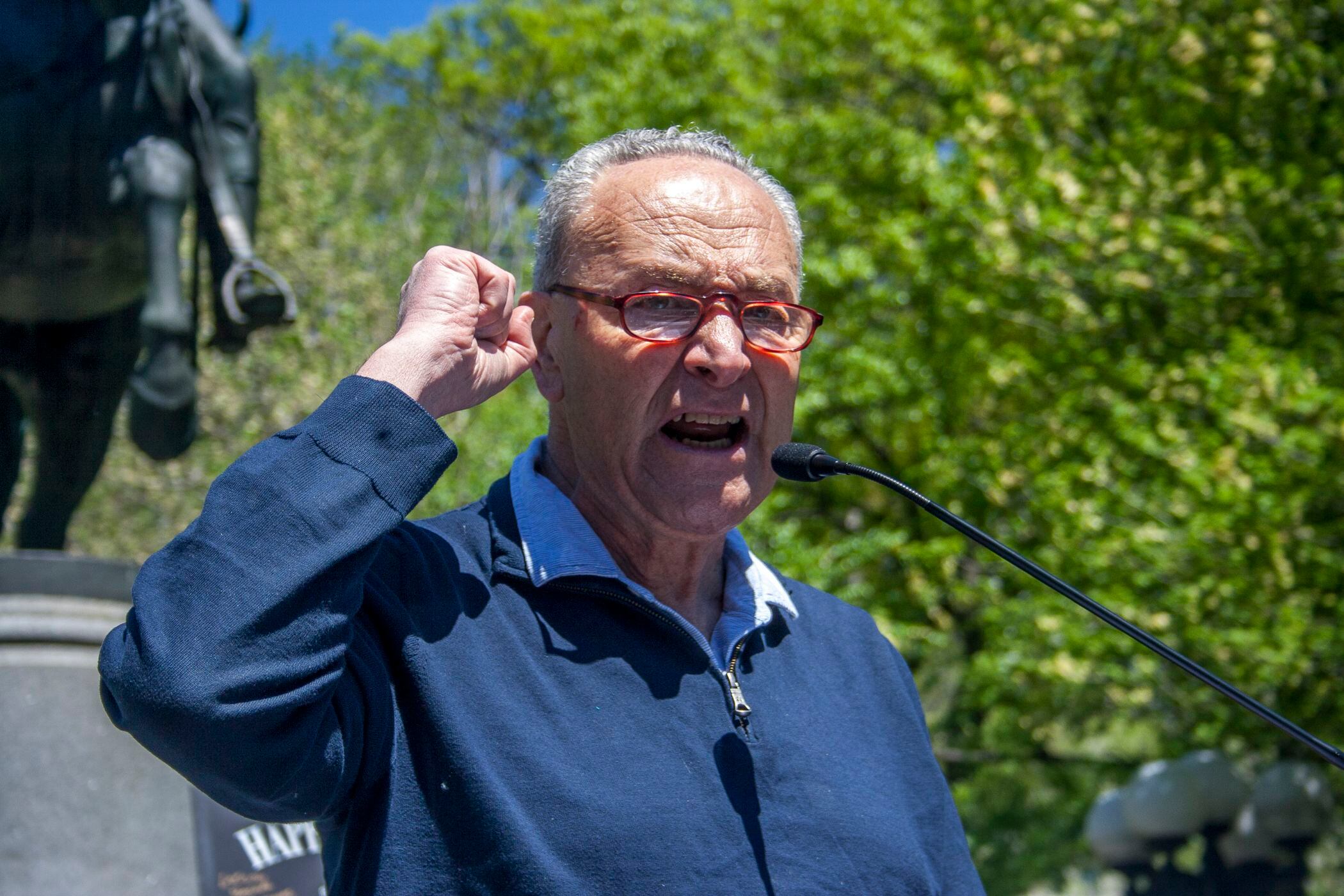
Sen. Chuck Schumer (D-N.Y.) joined the NYC Cannabis Parade, the first since the Empire State legalized marijuana. The senator promised to continue to fight for "fair, just, and full legalization" on a federal level.
Former President Donald Trump won’t return to Facebook. The social network’s quasi-independent Oversight Board has voted to permanently ban his account after it was suspended four months ago for inciting violence that led to the deadly Jan. 6 Capitol riot.
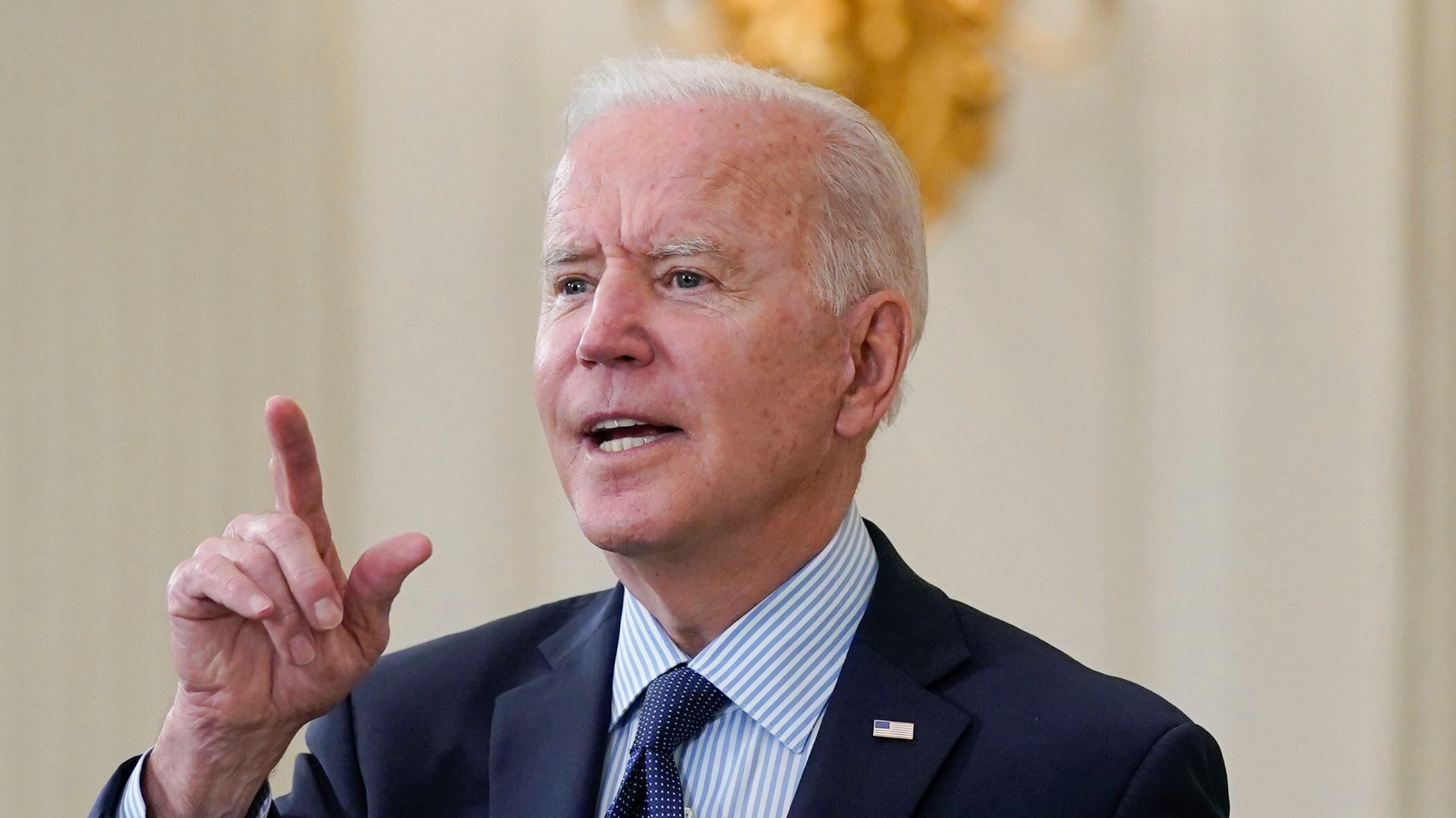
President Joe Biden has set a new vaccination goal to deliver at least one dose to 70% of American adults by July Fourth.