*By Spencer Feingold*
Nevada's 2020 Democratic caucus is still over eight months away, but party organizers are wasting no time in their efforts to draw the broadest possible swath of the constituency into the process.
"We think this contest is going to be really competitive here," Shelby Wiltz, the state's 2020 caucus director, told Cheddar. "We have a really diverse state, and Nevadans are really reflective of what the electorate across the country is going to look like in 2020."
Like Iowa and a handful of other states, Nevada Democrats elect their presidential nominee through a caucus, which entails voters gathering to openly debate and decide on a candidate. This process differs from a primary — used in the majority of states — where voters simply cast a ballot and leave.
Yet the Silver State now offers multiple options for caucusing to ensure a high turnout. Aside from participating on caucus day, voters now have the option to make their voices heard through a four-day early caucus period or by participating in a virtual caucus, which will allow residents to phone-in their preferred candidates.
It is "an option for folks who may have a disability, folk who are homebound due to illness, single parents, or parents in general who are busy and taking care of their kids and may not have time to come to the caucus," Wiltz said.
The phone option will be available to the [roughly 667,000](https://www.nvsos.gov/sos/home/showdocument?id=6171) Nevada Democrats in English, Spanish, and Tagalog.
"Folks are eager to get involved, they are eager to come out and vote," Wiltz added. "We have really strong prospects for the future."
The actual in-person caucus is set for February 22, 2020; the date for the Republican Nevada caucus has not yet been announced.
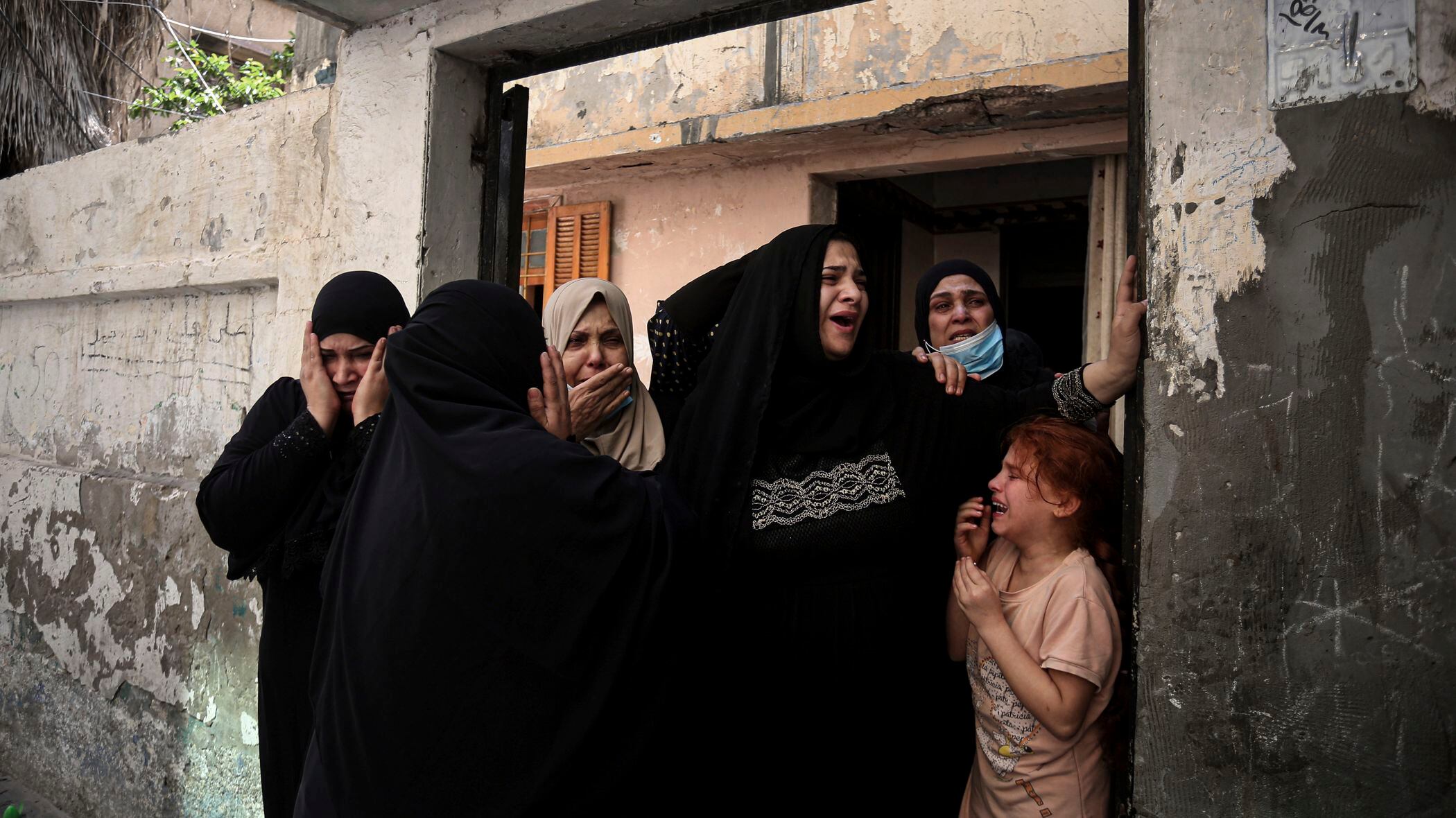
Israel and Hamas have announced a cease-fire to end a bruising 11-day war that caused widespread destruction in the Gaza Strip and brought life in much of Israel to a standstill.
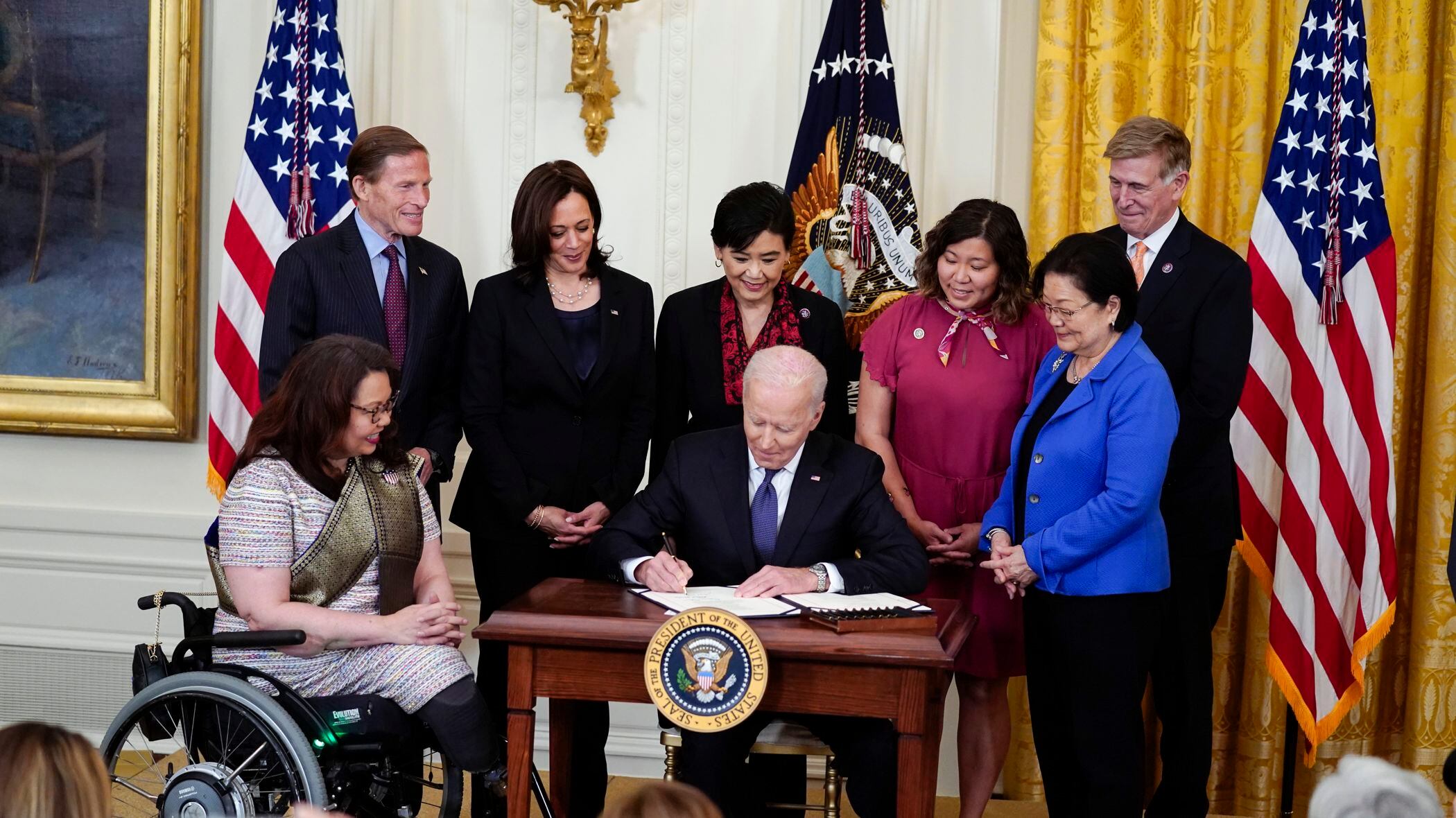
President Joe Biden signed legislation Thursday designed to curtail a dramatic rise in hate crimes against Asian Americans and Pacific Islanders.
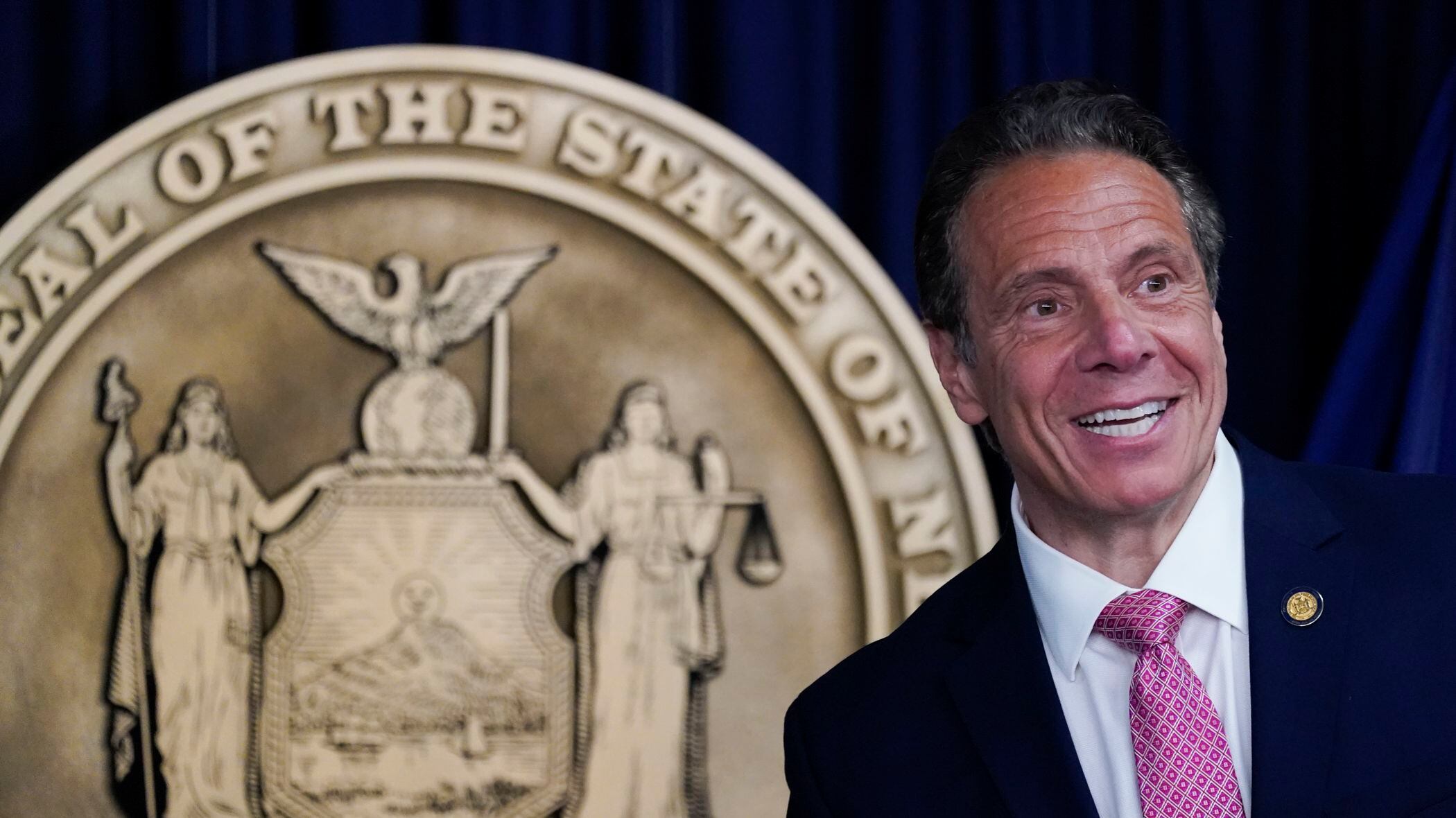
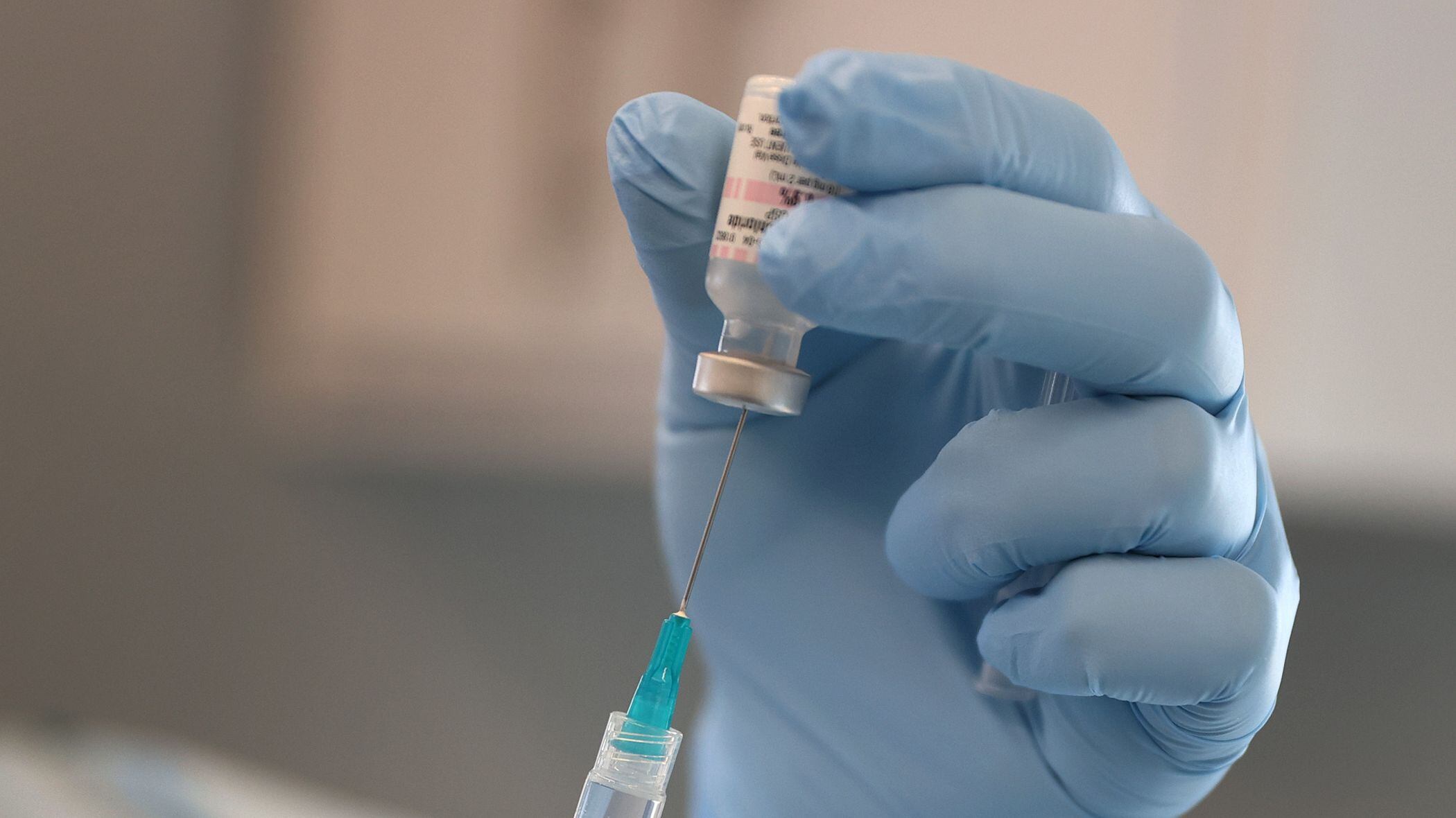
Anyone who gets vaccinated at select state-run vaccination sites in New York next week will receive a lottery scratch ticket with prizes potentially worth millions, as the state tries to boost slowing vaccination rates.
Amazon says it will extend its ban on police use of its face-recognition technology beyond the one-year pause it announced last year.
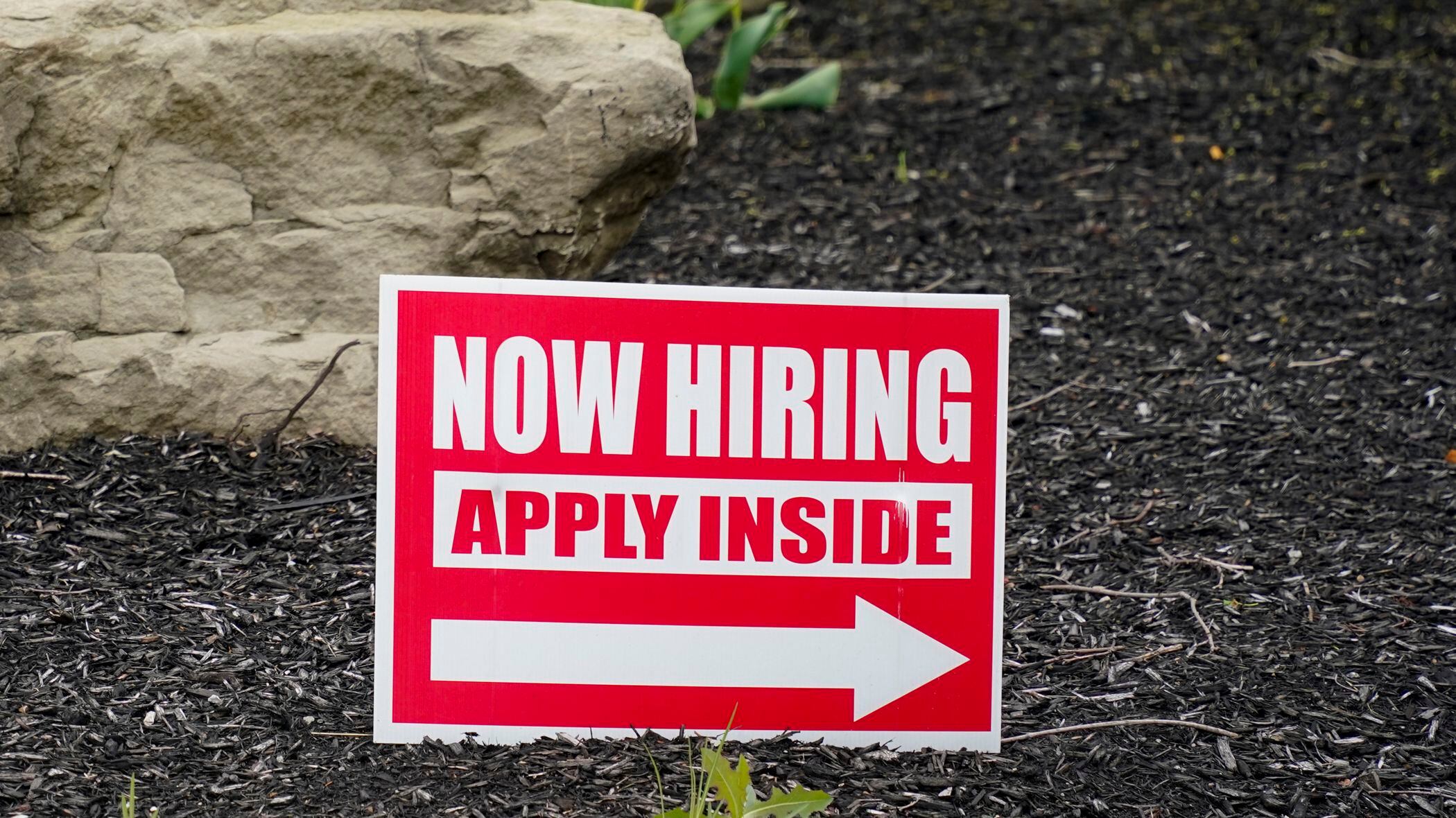
The number of Americans seeking unemployment aid fell last week to 444,000, a new pandemic low and a sign that the job market keeps strengthening as consumers spend freely again, viral infections drop and business restrictions ease.
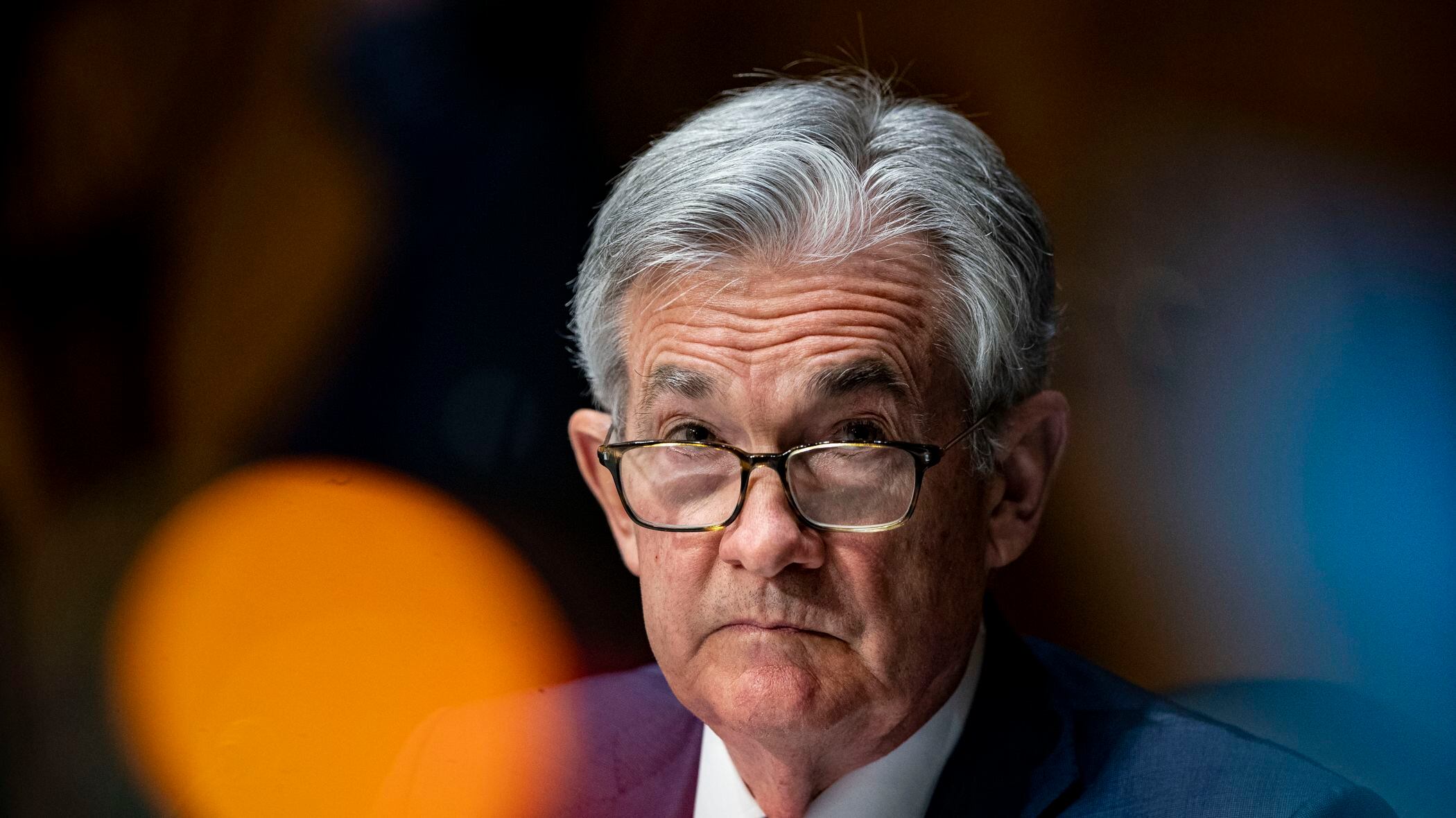
The U.S. economy’s faster-than-expected reawakening had some Federal Reserve officials discussing whether it might be time to start planning for easing back on one of the central bank’s levers for keeping interest rates low.
The European Union has taken a step toward relaxing travel for visitors from outside the bloc, with EU ambassadors agreeing on measures to make it easier for fully vaccinated visitors to get in.
Congress has passed legislation aimed at combating hate crimes against Asian Americans and Pacific Islanders. It would expedite federal reviews of hate crimes and provide grants to local law enforcement.
NY Gov. Andrew Cuomo has disclosed that he was paid a $3.1 million advance to write his COVID-19 leadership book last year and will make another $2 million on the memoir over the next two years.
President Joe Biden says the U.S. will share an additional 20 million doses of COVID-19 vaccines with the world in the coming six weeks.