*By Spencer Feingold*
Nevada's 2020 Democratic caucus is still over eight months away, but party organizers are wasting no time in their efforts to draw the broadest possible swath of the constituency into the process.
"We think this contest is going to be really competitive here," Shelby Wiltz, the state's 2020 caucus director, told Cheddar. "We have a really diverse state, and Nevadans are really reflective of what the electorate across the country is going to look like in 2020."
Like Iowa and a handful of other states, Nevada Democrats elect their presidential nominee through a caucus, which entails voters gathering to openly debate and decide on a candidate. This process differs from a primary — used in the majority of states — where voters simply cast a ballot and leave.
Yet the Silver State now offers multiple options for caucusing to ensure a high turnout. Aside from participating on caucus day, voters now have the option to make their voices heard through a four-day early caucus period or by participating in a virtual caucus, which will allow residents to phone-in their preferred candidates.
It is "an option for folks who may have a disability, folk who are homebound due to illness, single parents, or parents in general who are busy and taking care of their kids and may not have time to come to the caucus," Wiltz said.
The phone option will be available to the [roughly 667,000](https://www.nvsos.gov/sos/home/showdocument?id=6171) Nevada Democrats in English, Spanish, and Tagalog.
"Folks are eager to get involved, they are eager to come out and vote," Wiltz added. "We have really strong prospects for the future."
The actual in-person caucus is set for February 22, 2020; the date for the Republican Nevada caucus has not yet been announced.
The number of Americans seeking unemployment benefits fell last week to 340,000, a pandemic low, another sign that the job market is steadily rebounding from the economic collapse caused by the coronavirus pandemic.
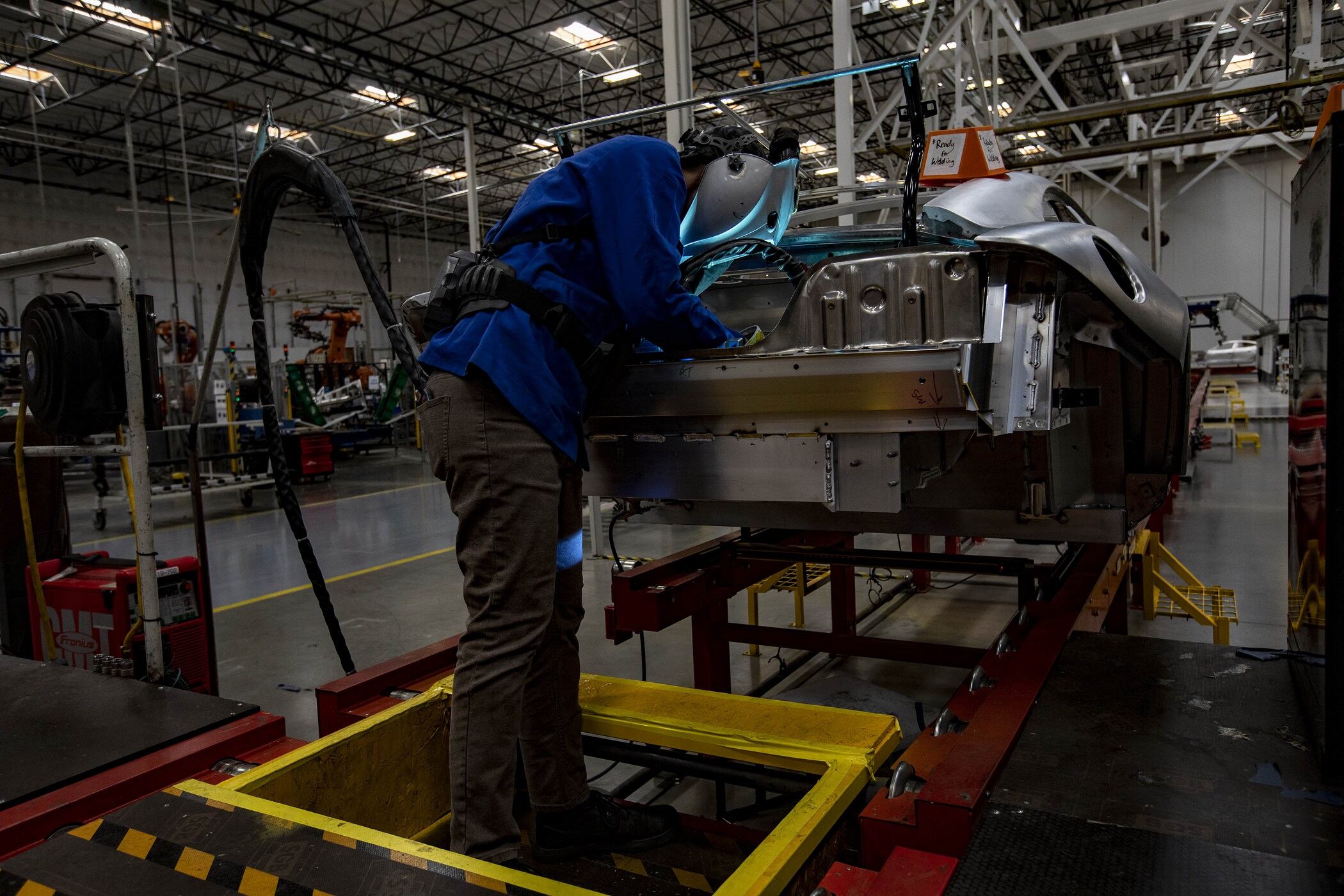
A group of Democratic senators quietly put forth a bill that could reshape domestic manufacturing in the United States.
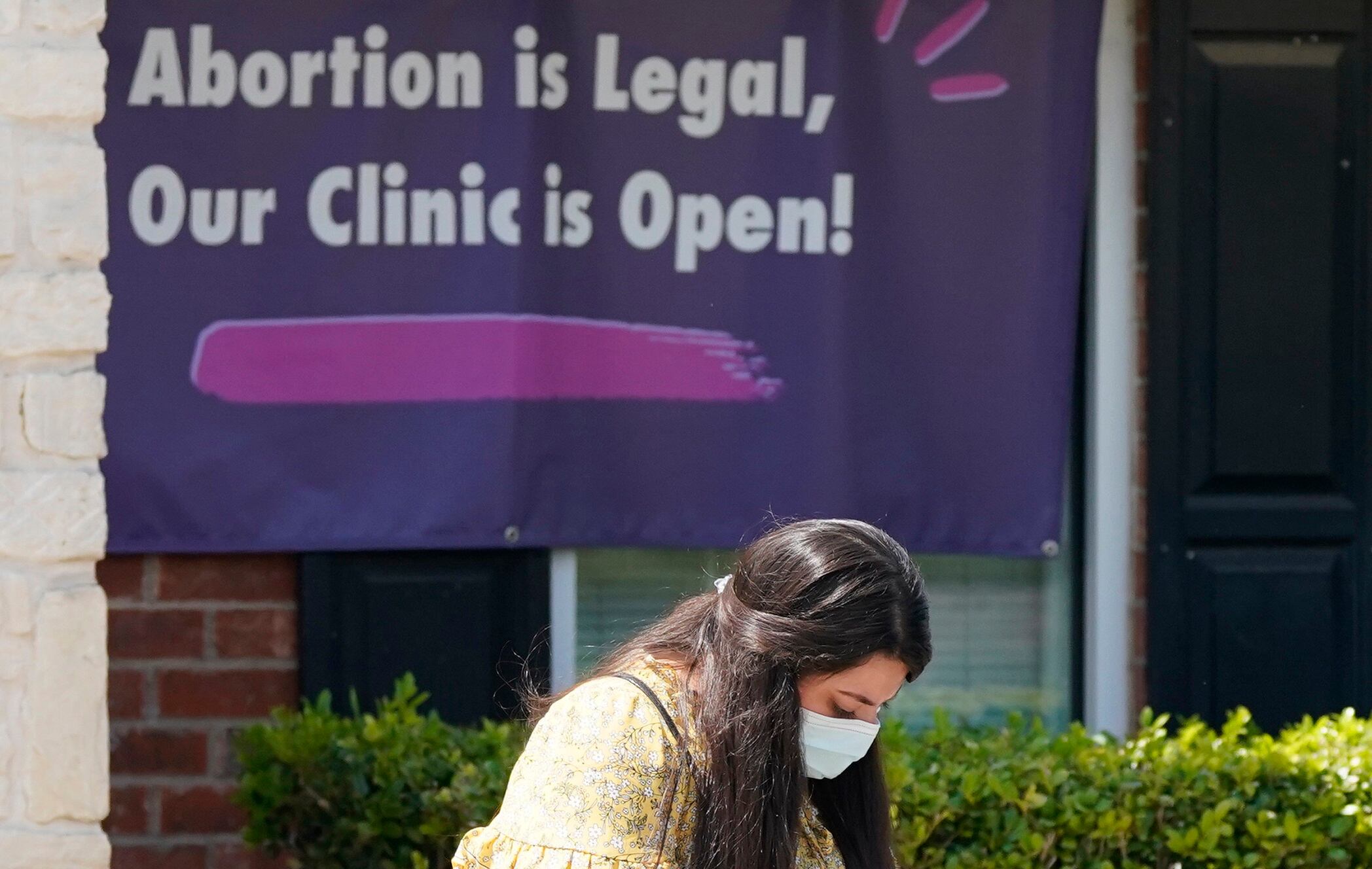
The nation’s most far-reaching curb on abortions has taken effect in Texas, with the Supreme Court silent so far on an emergency appeal to put the law on hold.
Cheddar asked its Gen Z and Millennial-aged Facebook and Instagram users about several topics including how they use social media, buying cryptocurrency, and the future job market.
Social Security and Medicare, the government’s two biggest benefit programs, remain under intense financial pressure with the retirement of millions of baby boomers and a devastating pandemic putting increased pressures on the two programs’ finances.
The speed limit for most of Paris is now 30 kilometers per hour (less than 19 miles per hour). The new rule takes effect Monday almost everywhere in the city except for a few wide avenues like the Champs-Elysees and the bypass circling the capital.
Cheddar's Chloe Aiello reports on Queens residents who mostly are voicing support for keeping the Open Streets program in New York City even after the pandemic.
Brazil, the country with the most freshwater resources in the world, has lost 15% of its surface water over the last three decades.
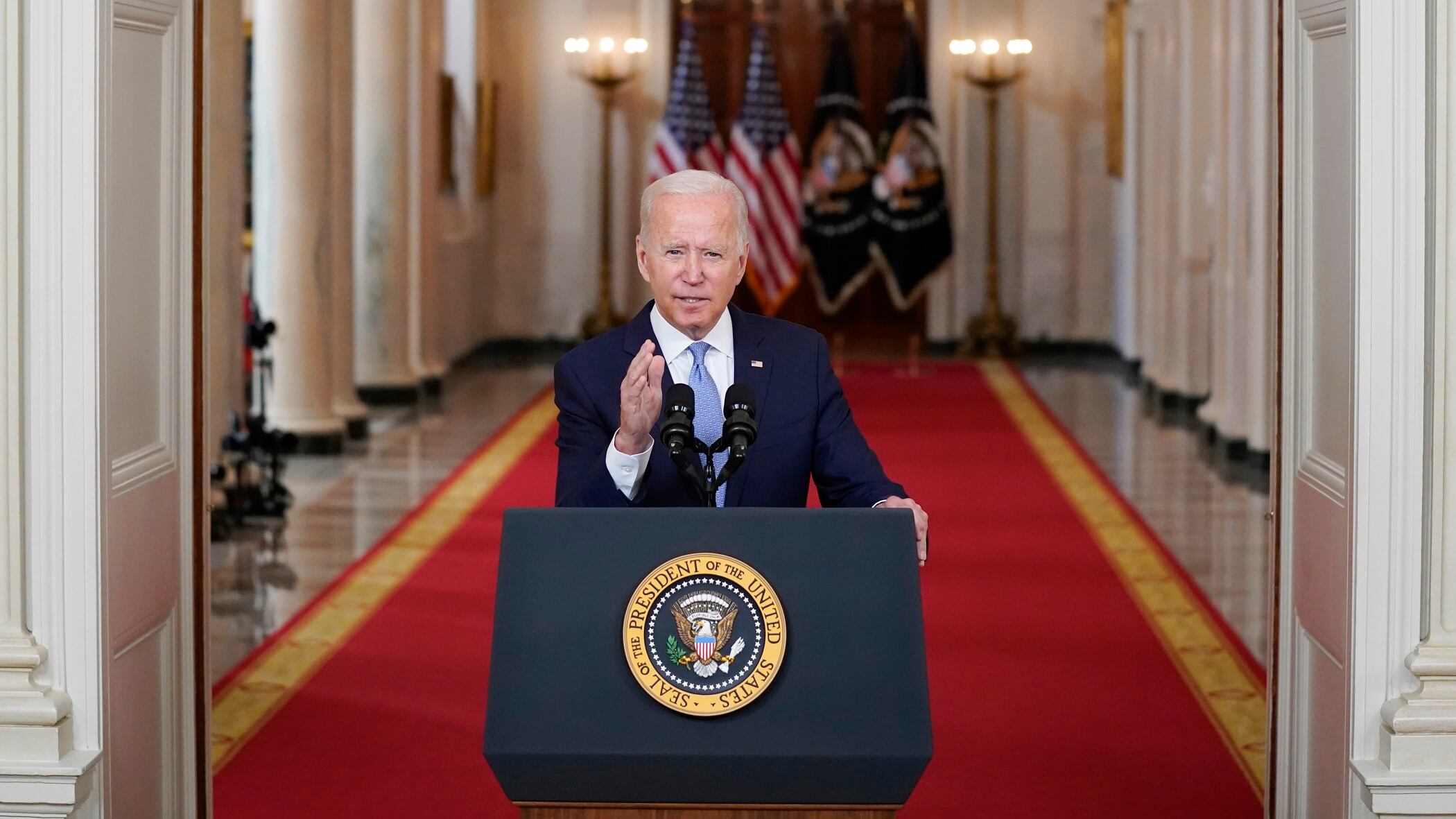
Addressing the nation, President Joe Biden is defending the way the U.S. ended its 20-year “forever war” in Afghanistan.
In his opening remarks for the Jackson Hole Economic Symposium, Federal Reserve Chair Jerome Powell signaled that the central bank could begin tapering its $120 billion in monthly asset purchases this year.