*By Spencer Feingold*
Nevada's 2020 Democratic caucus is still over eight months away, but party organizers are wasting no time in their efforts to draw the broadest possible swath of the constituency into the process.
"We think this contest is going to be really competitive here," Shelby Wiltz, the state's 2020 caucus director, told Cheddar. "We have a really diverse state, and Nevadans are really reflective of what the electorate across the country is going to look like in 2020."
Like Iowa and a handful of other states, Nevada Democrats elect their presidential nominee through a caucus, which entails voters gathering to openly debate and decide on a candidate. This process differs from a primary — used in the majority of states — where voters simply cast a ballot and leave.
Yet the Silver State now offers multiple options for caucusing to ensure a high turnout. Aside from participating on caucus day, voters now have the option to make their voices heard through a four-day early caucus period or by participating in a virtual caucus, which will allow residents to phone-in their preferred candidates.
It is "an option for folks who may have a disability, folk who are homebound due to illness, single parents, or parents in general who are busy and taking care of their kids and may not have time to come to the caucus," Wiltz said.
The phone option will be available to the [roughly 667,000](https://www.nvsos.gov/sos/home/showdocument?id=6171) Nevada Democrats in English, Spanish, and Tagalog.
"Folks are eager to get involved, they are eager to come out and vote," Wiltz added. "We have really strong prospects for the future."
The actual in-person caucus is set for February 22, 2020; the date for the Republican Nevada caucus has not yet been announced.
President Joe Biden has gotten a second booster dose of the Pfizer COVID vaccine, and he used the occasion Wednesday to call on Congress to pass billions of dollars in additional funding to fight the pandemic.
Catching you up on what you need to know on March 30, 2022, with updates on what is happening in Kyiv, the FDA releases plans for a fourth dose of COVID vaccines, COVID subvariant BA.2 becomes dominant variant in the U.S., employees at Conde Nast form a union, and more.
Maine Sen. Susan Collins says she'll vote to confirm Judge Ketanji Brown Jackson, giving Democrats at least one Republican vote and all but assuring Jackson will become the first Black woman on the Supreme Court.
A NASA astronaut is back on Earth after a yearlong, record-setting spaceflight. He caught a Russian ride from the International Space Station on Wednesday with two cosmonauts.
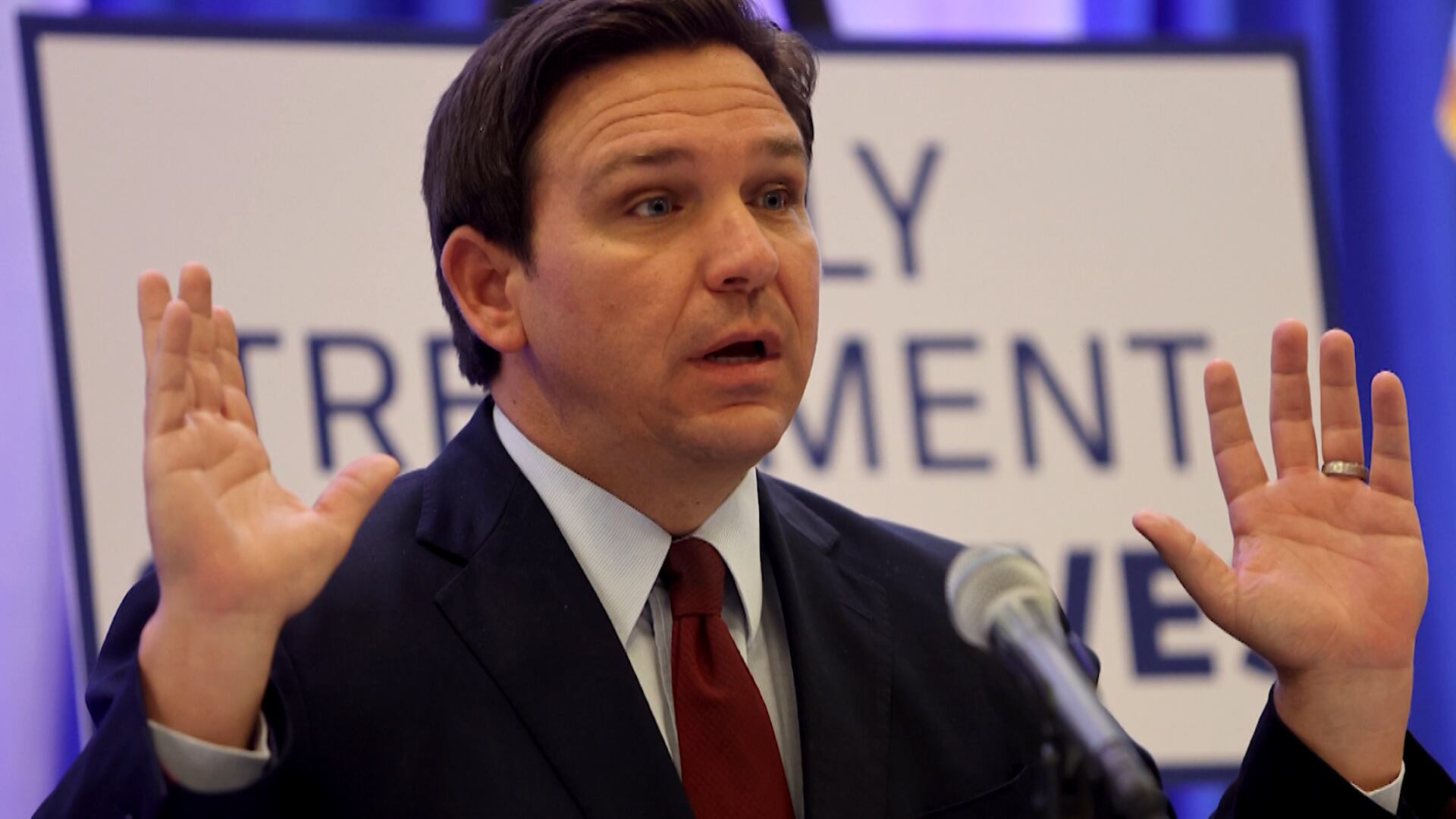
Florida Governor Ron DeSantis has signed the controversial so-called ‘Don’t Say Gay' bill into law, banning classroom instruction on gender identity and sexual orientation in kindergarten through third grade. Gary Fineout, reporter at Politico, joins Cheddar News to discuss.
U.S. stocks closed Tuesday's session near session highs. The Dow Jones Industrial Average rose 350 points, after rising more than 400 points at its session high. Shares were also impacted positively by optimism around peace talks in Ukraine. Nancy Prial, Co-Chief Executive Officer & Senior Portfolio Manager of Essex Investment Management, joins Cheddar News' Closing Bell to discuss.
Sylvia Jablonski, CIO at Defiance ETFs, breaks down the factors leading to the market's strong start to the week and discusses what investors should be focusing on when it comes to the Russian invasion of Ukraine and inflation.
Bitcoin surged to its highest level on Monday since January 2nd. The gains also come after a late Sunday rally for the cryptocurrency, when it surpassed the key price of $45,000, and also turned positive for 2022. Matt Hougan, CIO of Bitwise Asset Fund, joins Cheddar News' Closing Bell to discuss what is behind the recent rallies for Bitcoin and other cryptocurrencies.