Netflix’s video streaming service suffered the first loss in worldwide subscribers in its history, leading to a massive sell-off of its shares. The company’s customer base fell by 200,000 subscribers during the January-March period, according to a quarterly report released Tuesday; its stock dropped by 23% in after-market trading.
The subscription figure was far worse than company management’s forecast for a conservative gain of 2.5 million subscribers. The news deepens troubles at the streaming service that have been mounting since a surge of signups from a captive audience during the pandemic began to slow.
It marks the first time Netflix’s worldwide subscribers have contracted, although the service previously saw a decline in U..S. subscribers in 2019. Now Netflix is bracing for things to get even worse with a projected loss of another 2 million subscribers during the April-June period.
The disappointing performance caused Netflix’s stock price to plunge 23% in extended trading. Investors had already been bailing out of the company's once high-flying stock amid a dramatic slowdown in subscriber growth. If the shares behave similarly in Wednesday’s regular trading session, Netflix’s stock will have lost more than its value so far this year.
It marks the fourth time in the last five quarters that Netflix’s subscriber growth has fallen below the gains of the previous year, raising investor fears that its streaming service is mired in a malaise that has been magnified by stiffening competition from well-funded rivals such as Apple and Walt Disney.
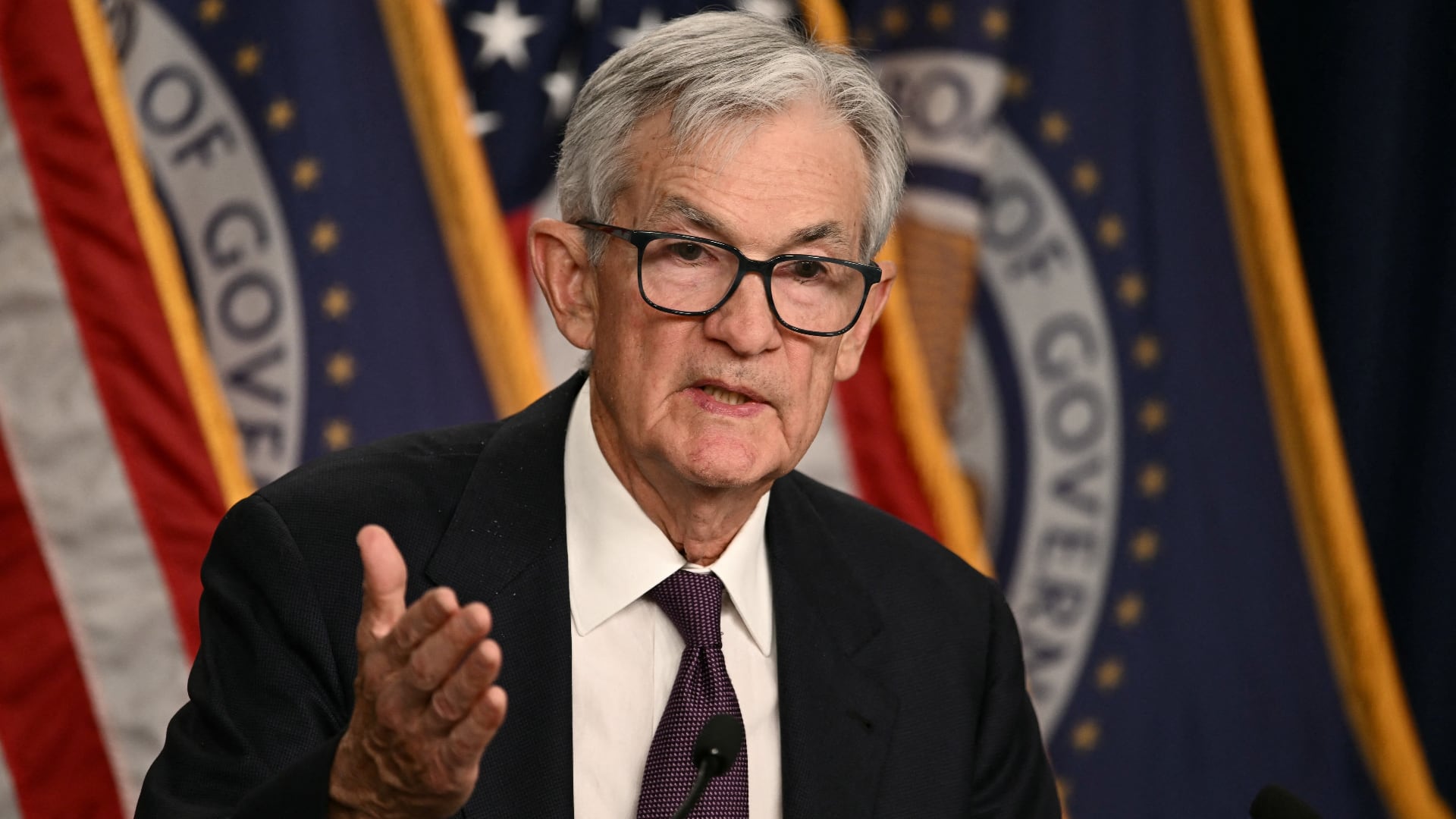
While the U.S. may slowly be on the path to lowering inflation (and therefore interest rates), Europe has thoroughly trounced America, putting it on the path to lower rates by this summer.
April's release of the monthly Housing Starts and Building Permits reports by the Census Bureau provides crucial insights into the construction activity in the housing market. These reports are an economic indicator, shedding light on the current state of the housing market and its broader economic impact.
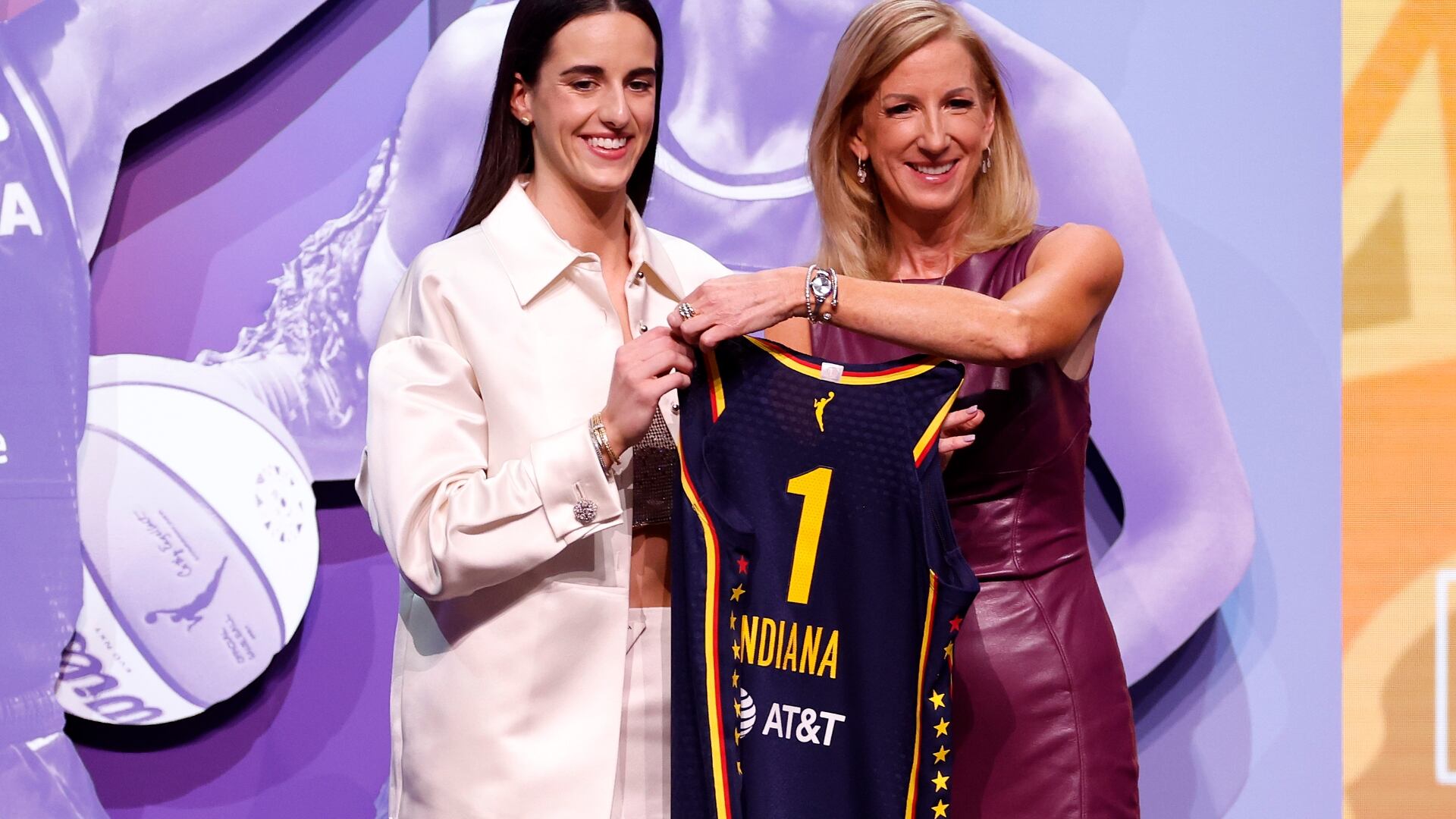
Caitlin Clark is heading to the Indiana Fever, the number one draft pick and the highest-scoring college basketball player of all time. And while she may not be getting millions from the WNBA, there's a few ways she'll net compensation for her generational talents.
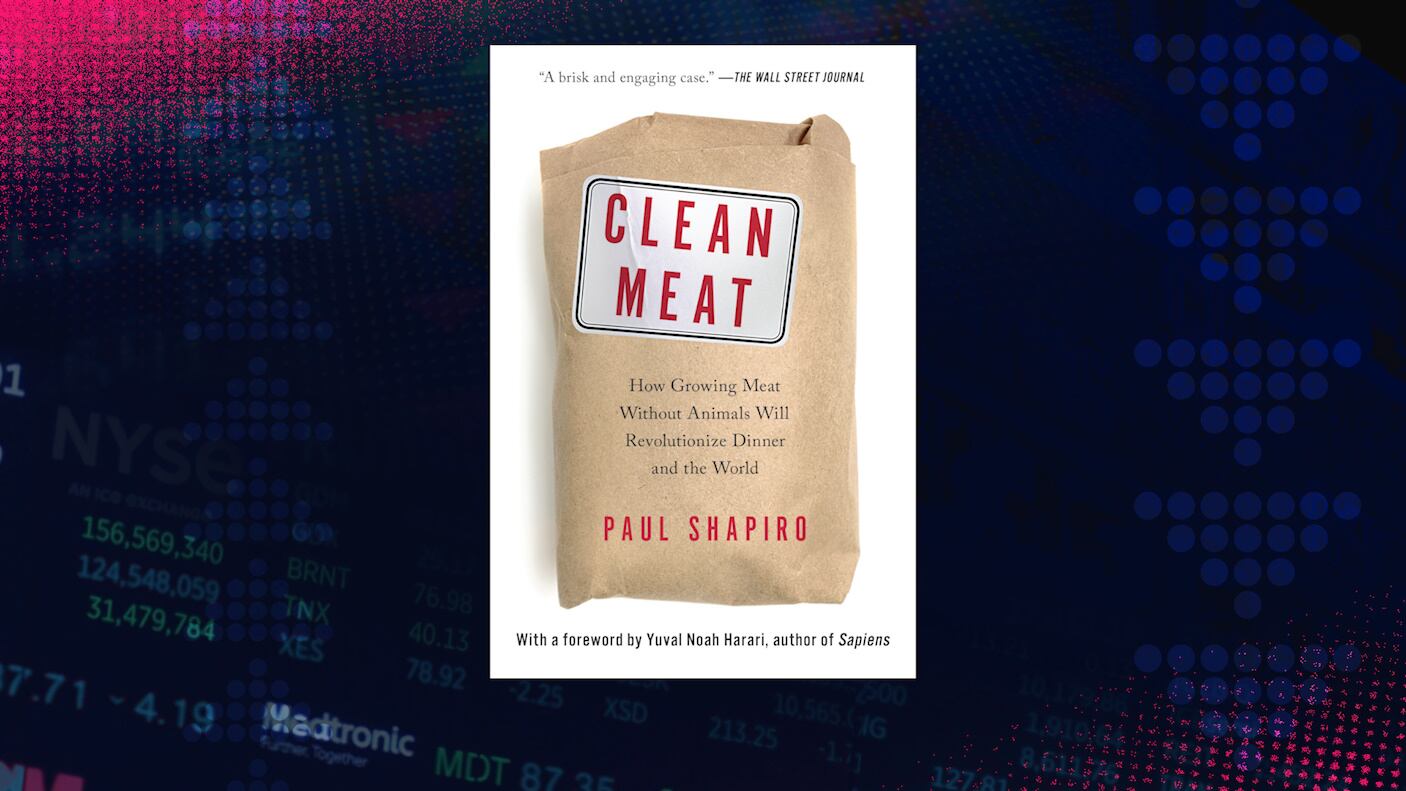
Author of 'Clean Meat,' Paul Shapiro joins Cheddar to discuss how the cellular agricultural revolution helps lower rates of foodborne illness and greatly improves environmental sustainability. Plus, how his company The Better Meat Co. is bringing healthier food options to the table.
Recent headlines might make it sound like World War III is imminent, but when it comes to your finances, it's not the time to panic. The market is coming off its longest winning streak since 2011.
You may have noticed fewer new venture capital-backed startups (like Airbnb or Uber) lately. The market slowed to a crawl after 2021, but things are expected to take off again in 2025.
Corporate earnings season is underway, that time when companies share their billions in sales or double-digit profits. But the data shows even companies are struggling with high inflation and interest rates.
Boeing continues their terrifying trend of having their planes fall apart mid-flight, inflation — checks notes — is still up and the future of AI looks terrifying. Cheery!
Food waste – uneaten scraps or leftovers sent to landfills – is responsible for 10% of global emissions. Mill, a new product from the co-founder of Nest, thinks technology can play a role in eliminating it.
By the time the 2024 election is over, be prepared to see some form of a recession – but this shouldn’t be as bad as what we experienced in 2020 or 2008.