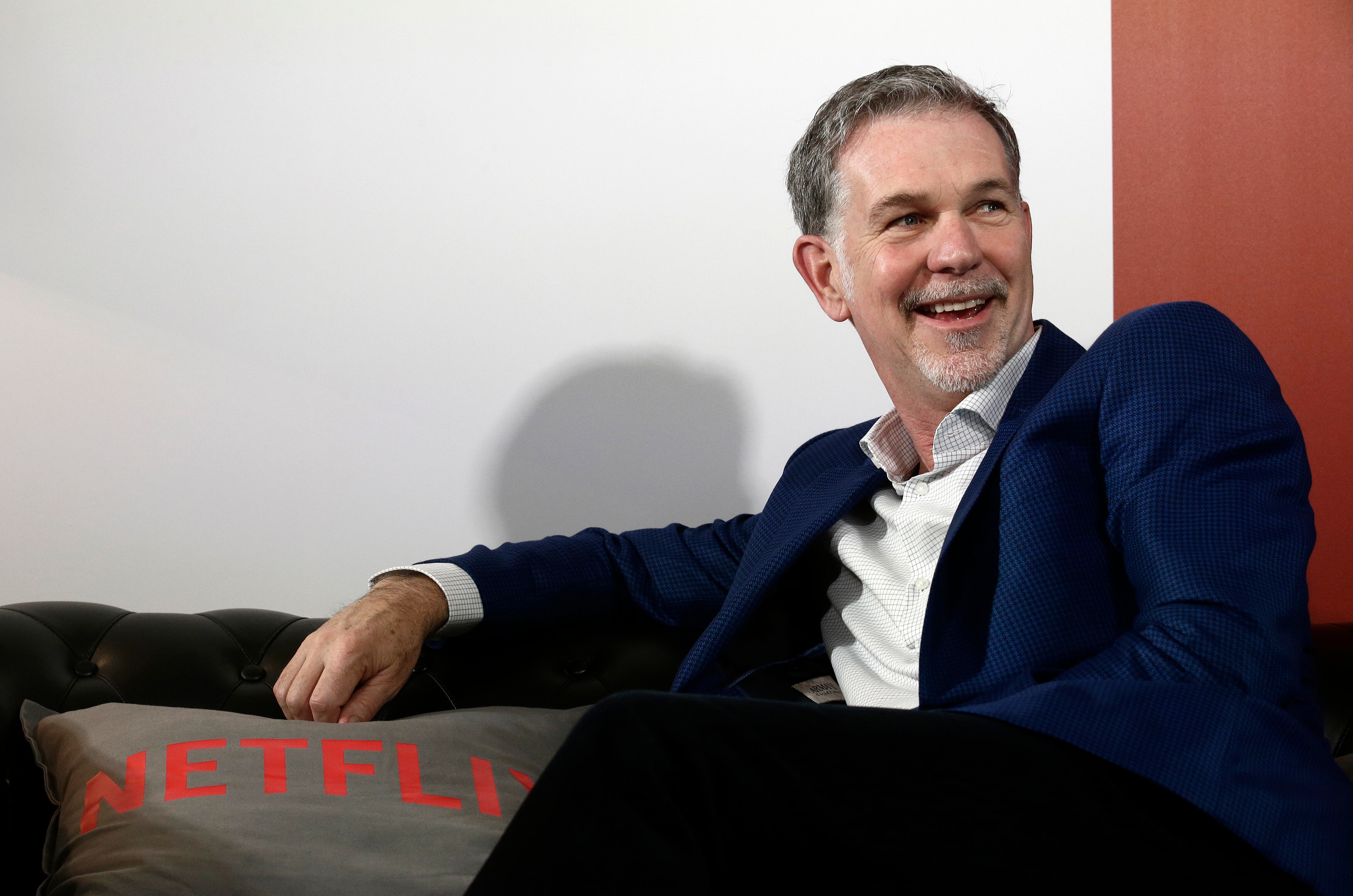
In this Feb. 28, 2017, file photo, Netflix Founder and CEO Reed Hastings smiles during an interview in Barcelona, Spain. Hastings and his wife, Patty Quillin, are donating $120 million toward student scholarships at historically black colleges and universities. (AP Photo/Manu Fernandez, File)
Netflix CEO Reed Hastings and his wife, Patty Quillin, are donating $120 million toward student scholarships at historically black colleges and universities.
The couple is giving $40 million to each of three institutions: the United Negro College Fund, Spelman College and Morehouse College. The organizations said it is the largest individual gift in support of student scholarships at HBCUs.
Hastings has a history of supporting educational causes, including charter schools. He launched a $100 million education fund in 2016, beginning with money toward college scholarships for black and Latino students.
Hastings said now is the time when "everyone needs to figure out" how to contribute to solving racism. He said HBCUs have been resilient "little-known gems" for black education.
Amid protests over police brutality that began three weeks ago, companies and business leaders have been pledging solidarity with their black employees and the black community. But tech companies — including Netflix — have fallen short in hiring, retaining and promoting underrepresented minorities within their own ranks.
Other tech industry donations in the wake of the Black Lives Matter protests have largely been on the company level. Last week, for instance, Apple CEO Tim Cook announced that the company will spend $100 million on a new Racial Equity and Justice Initiative, investing in education and criminal justice reform among other things. YouTube, meanwhile, pledged $100 million to help black artists and other creators.
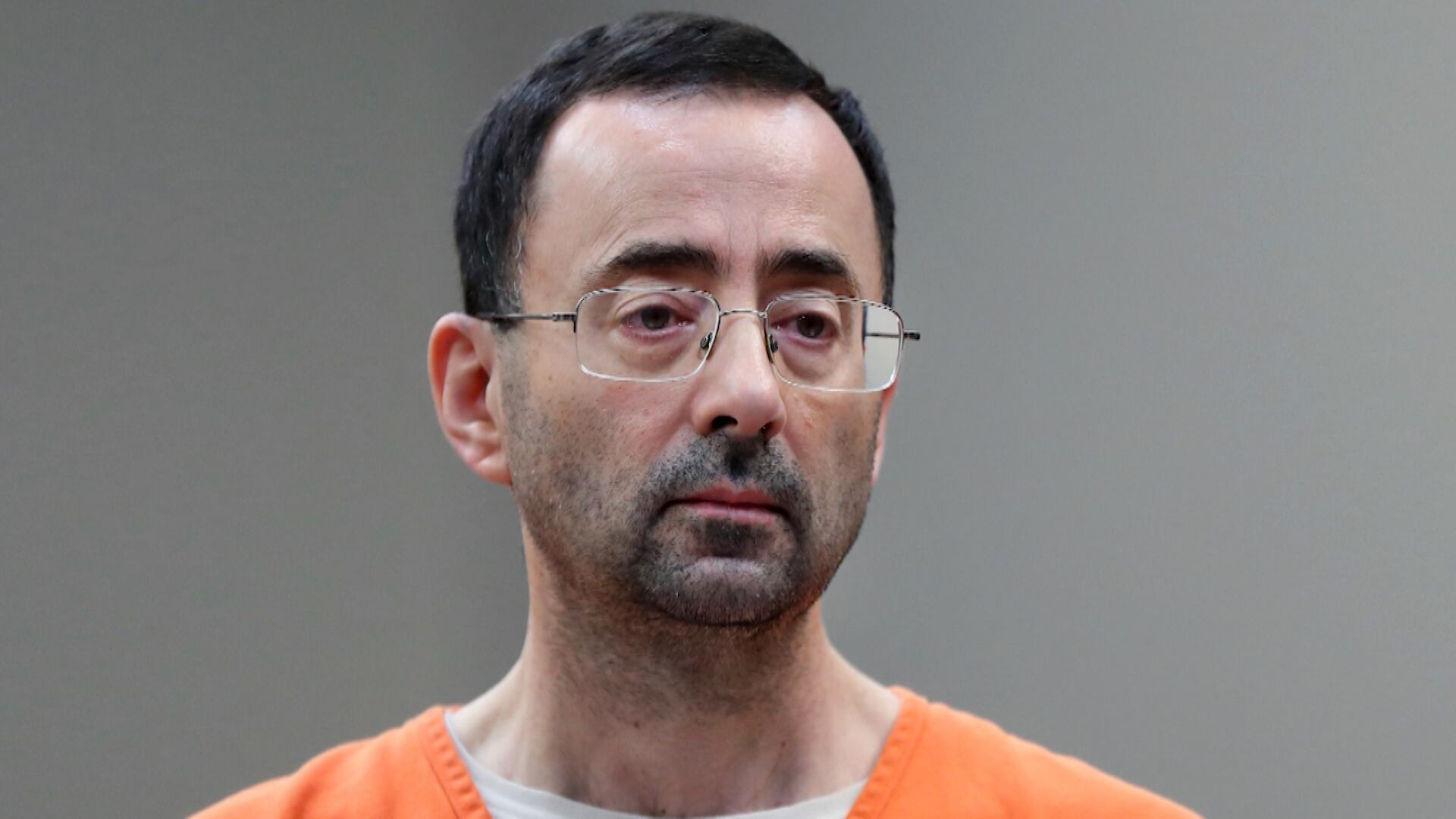
The victims from the USA gymnastics sexual abuse scandal continue to seek justice. Survivors of Larry Nassar are seeking more than one-billion dollars from the FBI for failing to stop the convicted sports doctor when the agency first received allegations. According to a report released by the Justice Department's Inspector General, FBI agents knew
in July of 2015 that Nassar was accused of abusing gymnasts; however, Nassar wasn't arrested until December of 2016. The group that filed the claim includes Olympic medalist Simone Biles and around 90 other women. Louise Radnofsky, sports reporter at The Wall Street Journal, joins Cheddar News' Closing Bell to discuss.
A controversial professional golf tour backed by Saudi Arabia tees off on Thursday. Today, two-time Major winner Dustin Johnson announced he's resigned from the PGA Tour ahead of headlining the Saudi-backed tour, called the LIV Golf Invitation Series. The announcement comes as the PGA tour has threatened disciplinary action for its golfers who take part in the Saudi golf league event, which will also feature notable golf stars like Phil Mickelson and Sergio Garcia; however, LIV Golf's CEO, Greg Norman, told The Washington Post that Tiger Woods rejected a contract worth 'high nine digits' to play in the tour. Chris Bumbaca, reporter for USA Today Sports, joins Cheddar News' Closing Bell to discuss.
CreditCards.com senior industry analyst Ted Rossman compares the Apple Pay Later offering to similar four-step processes at Affirm and Klarna, and says this is a way for the tech giant to dive deeper into the financial industry.
Tech analyst Rene Ritchie discusses new EU legislation that will force iPhones to use a USB-C charger in fall 2024 and what that means for Apple's strategy in Europe.
Catching you up on the stories you need to know this morning, mass shooting victims testify on Capitol Hill, the White House outlines its plan to vaccinate kids younger than five years old, and we break down how to protect yourself from monkeypox.
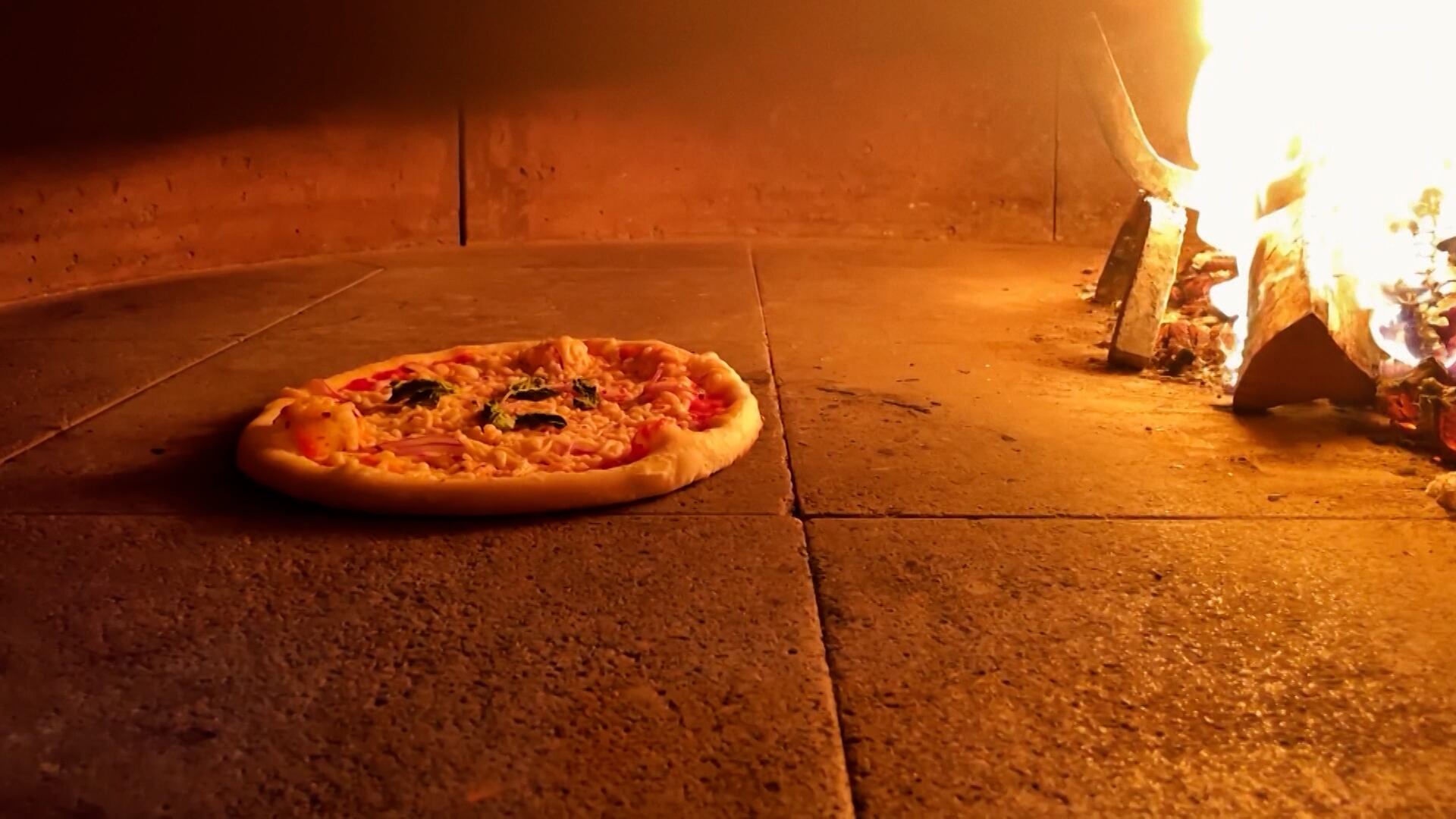
There are now over 1,000 plant-based restaurants in the U.S. It's clear that people are hungry for vegan alternatives at restaurants nationwide. However, when it comes to pizza, vegan options don't have the best reputation. NUMU Food Group is looking to change that with its brand new vegan mozzarella. Mike Pytlinski, CEO of NUMU Food Group, joins Cheddar News to discuss.
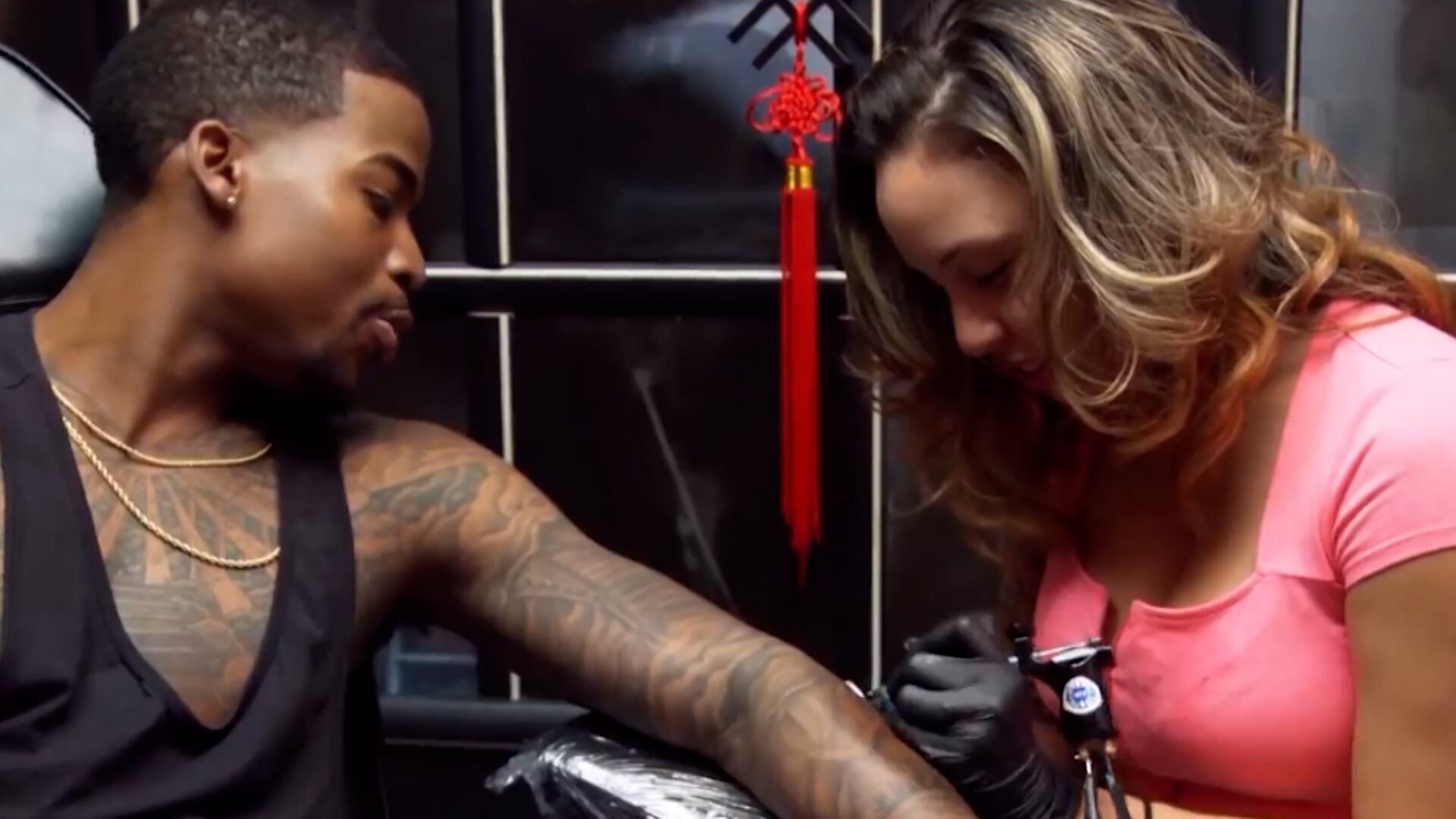
Tattoo artist Katrina "Kat Tat" Jackson, famous for starring in the VH1 hit series "Black Ink Crew: Chicago," is also the first Black woman to own a tattoo shop in Beverly Hills. She joined Cheddar News to discuss her trailblazing work, the stigma BIPOC tattoo artists face in the industry, and the way the space has changed for artists of color since her start. "In the beginning, I remember walking into a tattoo shop just like, hey, I wanna learn, I wanna be a tattoo artist and kind of just being laughed at, not taken seriously," she said. "Even with the tattoo conventions, a lot of African American tattoo artists were almost scared to go to conventions because it's not a welcoming environment."