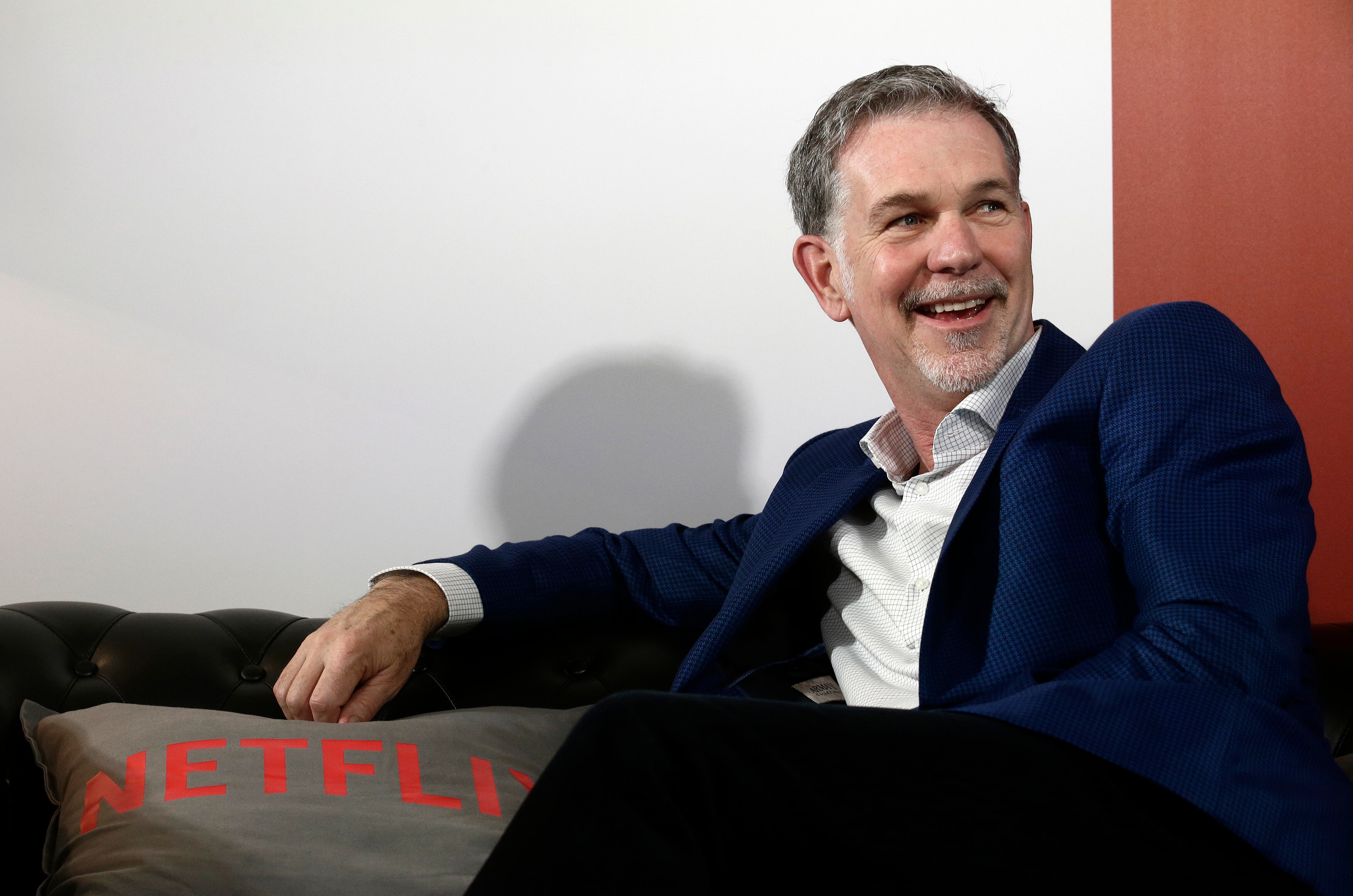
In this Feb. 28, 2017, file photo, Netflix Founder and CEO Reed Hastings smiles during an interview in Barcelona, Spain. Hastings and his wife, Patty Quillin, are donating $120 million toward student scholarships at historically black colleges and universities. (AP Photo/Manu Fernandez, File)
Netflix CEO Reed Hastings and his wife, Patty Quillin, are donating $120 million toward student scholarships at historically black colleges and universities.
The couple is giving $40 million to each of three institutions: the United Negro College Fund, Spelman College and Morehouse College. The organizations said it is the largest individual gift in support of student scholarships at HBCUs.
Hastings has a history of supporting educational causes, including charter schools. He launched a $100 million education fund in 2016, beginning with money toward college scholarships for black and Latino students.
Hastings said now is the time when "everyone needs to figure out" how to contribute to solving racism. He said HBCUs have been resilient "little-known gems" for black education.
Amid protests over police brutality that began three weeks ago, companies and business leaders have been pledging solidarity with their black employees and the black community. But tech companies — including Netflix — have fallen short in hiring, retaining and promoting underrepresented minorities within their own ranks.
Other tech industry donations in the wake of the Black Lives Matter protests have largely been on the company level. Last week, for instance, Apple CEO Tim Cook announced that the company will spend $100 million on a new Racial Equity and Justice Initiative, investing in education and criminal justice reform among other things. YouTube, meanwhile, pledged $100 million to help black artists and other creators.
Credit Suisse saw its shares stabilize after the Swiss National Bank approved a loan of nearly $54 million for the company. A top investor notified Credit Suisse on Wednesday that it wouldn't be able to provide further assistance to the lender.
Cheddar News breaks down what surge pricing is and how it works as a variety of businesses are taking notes from models long used by airlines and ridesharing companies to boost profits.
Fewer Americans applied for jobless claims last week as the labor market continues to thrive despite the Federal Reserve's efforts to cool the economy and tamp down inflation.
Stocks rallied after a group of big banks offered a lifeline to the bank Wall Street had zeroed in on in its hunt for the next victim in the industry’s struggles.
The Federal Reserve on Wednesday evening said its long-awaited digital payment system, the FedNow Service, will start operating in July. The service is designed to provide a national platform for financial institutions to settle payments in real-time and at lower cost. That could include large banks, payment processors, and the U.S. Treasury.
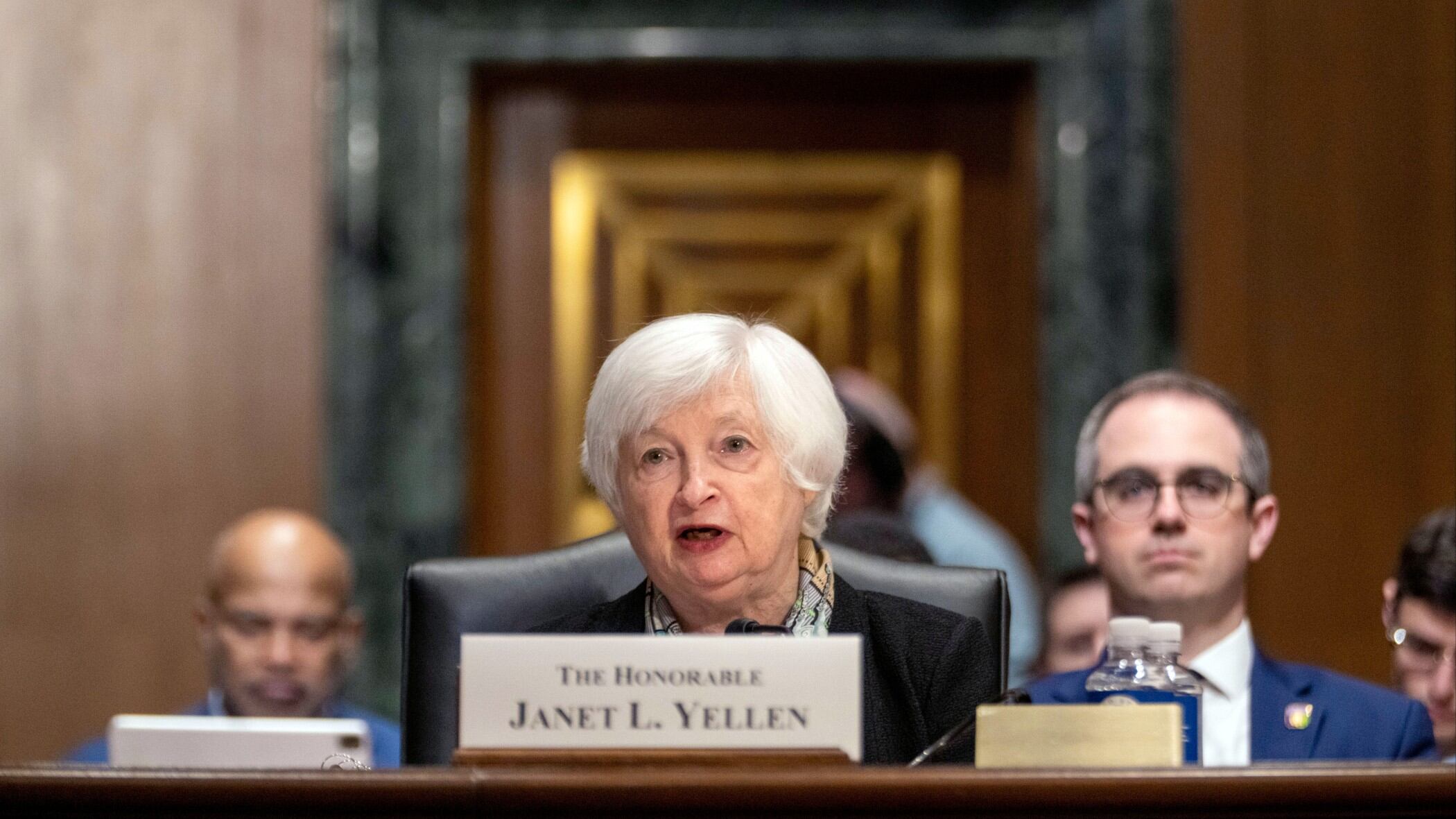
A week after the second-largest bank collapse in U.S. history, Treasury Secretary Janet Yellen is set to tell the Senate Finance Committee that the nation's banking system “remains sound” and Americans "can feel confident” about their deposits.