In this Feb. 28, 2017, file photo, Netflix Founder and CEO Reed Hastings smiles during an interview in Barcelona, Spain. Hastings and his wife, Patty Quillin, are donating $120 million toward student scholarships at historically black colleges and universities. (AP Photo/Manu Fernandez, File)
Netflix CEO Reed Hastings and his wife, Patty Quillin, are donating $120 million toward student scholarships at historically black colleges and universities.
The couple is giving $40 million to each of three institutions: the United Negro College Fund, Spelman College and Morehouse College. The organizations said it is the largest individual gift in support of student scholarships at HBCUs.
Hastings has a history of supporting educational causes, including charter schools. He launched a $100 million education fund in 2016, beginning with money toward college scholarships for black and Latino students.
Hastings said now is the time when "everyone needs to figure out" how to contribute to solving racism. He said HBCUs have been resilient "little-known gems" for black education.
Amid protests over police brutality that began three weeks ago, companies and business leaders have been pledging solidarity with their black employees and the black community. But tech companies — including Netflix — have fallen short in hiring, retaining and promoting underrepresented minorities within their own ranks.
Other tech industry donations in the wake of the Black Lives Matter protests have largely been on the company level. Last week, for instance, Apple CEO Tim Cook announced that the company will spend $100 million on a new Racial Equity and Justice Initiative, investing in education and criminal justice reform among other things. YouTube, meanwhile, pledged $100 million to help black artists and other creators.
A $1 billion loss from a six-week strike did not crash GM's net income last year, which instead rose 12% — and the automaker expects improvement in 2024, too.
Accrue CEO and founder Michael Hershfield explains why Americans' credit card delinquencies are on the rise, advice on what can help, and the key difference between Boomers and Gen Z when it comes to money.
Senior Economist at Morning Consult Kayla Bruun shares thoughts on what to expect from the Fed's January meeting and where monetary policy is headed, as well as how consumers are faring.
Former Medtronic CEO and author of 'True North' Bill George explains the steps Boeing leadership must take to regain client and consumer trust after 737 Max 9 production was stopped.
Amazon blamed "regulatory hurdles" for calling off its proposed acquisition of robot vacuum maker iRobot. Not even a Roomba could clean up the deal's antitrust scrutiny.
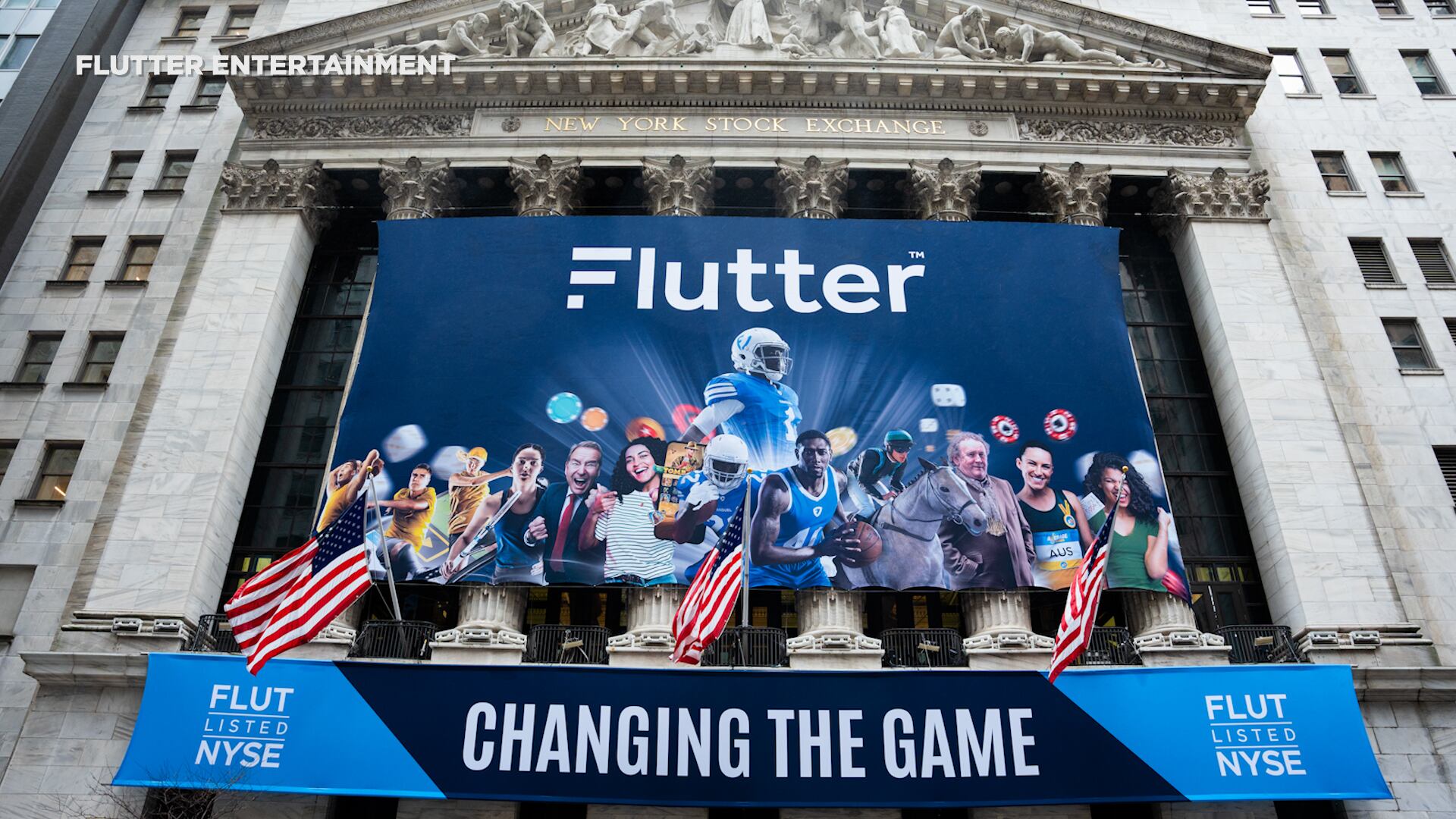
To celebrate Flutter Entertainment's debut on the NYSE, FanDuel CEO Amy Howe shares her thoughts on the company's plans for growth, the future of online sportsbetting, and Super Bowl Sunday.
Investopedia's Caleb Silver shares thoughts on the upcoming Fed meeting, why individual investors are still slightly skeptical, and what he's looking for from mega cap tech earnings.
Season's greetings! Tax season, that is. January 29 is the first day you can file your tax return. We walk you through each step — plus a checklist you can download.
The Q-Collar helps protect athletes from impact-related concussions. Now, the U.S. Army is evaluating if the device could help reduce traumatic brain injury cased by blast weapons.