*By Alisha Haridasani*
Nestlé's $7.1 billion partnership with Starbucks announced on Monday aims to give the Swiss company an opportunity to regain lost ground in the United States.
Under the deal, the maker of Nespresso and Nescafé will market and distribute Starbucks' packaged products, including branded coffee capsules and tea bags. In return, Starbucks will have access to Nestlé’s vast global network to gain a stronger presence in overseas markets.
In a [statement](https://www.nestle.com/media/pressreleases/allpressreleases/nestle-press-release-may-2018) Monday, Nestlé said that its alliance with the Seattle-based coffee brand will serve as “a strong platform for continued growth in North America.”
Nestlé hasn't been able to keep up with shifting consumer demands in the U.S., its [biggest market](https://www.nestle.com/investors/annual-report), where coffee-drinkers are looking for freshly brewed products rather than instant coffee, like Nescafé.
It's one reason that Nestlé invested in the high-end coffee brand Blue Bottle last year.
Nestlé's shrinking share of the coffee market is also, in part, driven by competition from JAB. The European holding company has been expanding its coffee portfolio, which now includes Keurig, Peet’s, Stumptown, and Intelligentsia, giving it a foothold in the fresh-brewed and packaged coffee markets.
Shares of both Starbucks and Nestlé rallied on Monday.
Jade Kearney Dube, Founder & CEO of She Matters talks the Symptom Tracker app, cultural competency for healthcare providers, and being a Black woman CEO looking for funding.
Ahead of April’s planned BitCoin halving, Bitfarms CEO Geoff Morphy shares why he thinks the crypto rally will continue, plus why you’ll see a broader adoption of clean energy for mining.
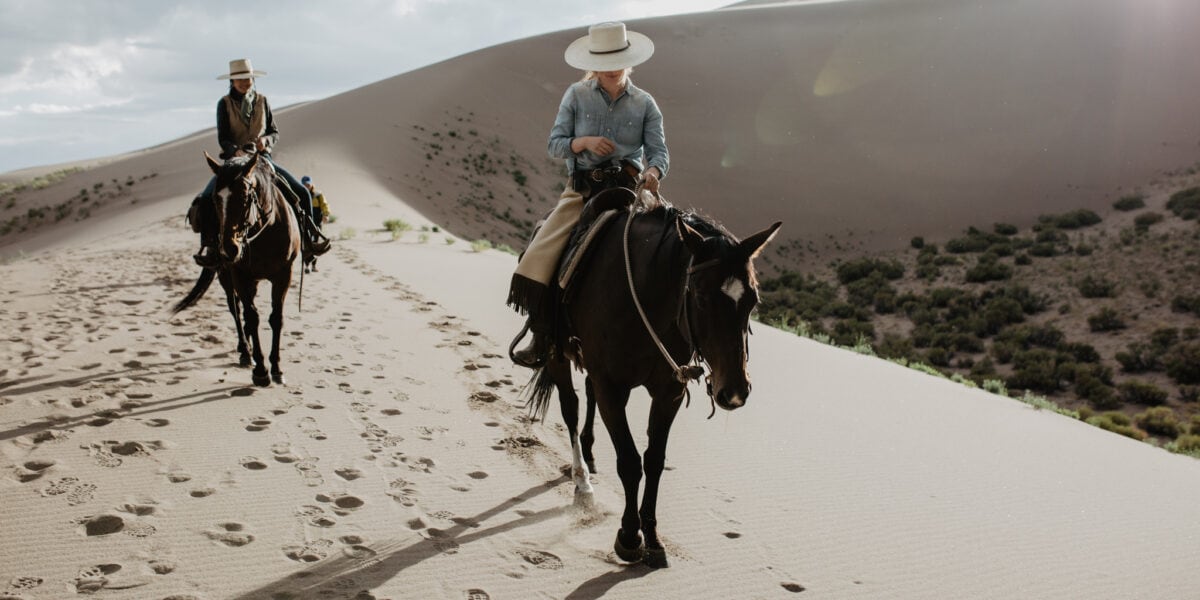
Did you know there's a big difference between a dude ranch and a working cattle ranch? Check out the new generation of ranches, and live out your cowboy dreams.
Lara Rhame, FS Investments chief U.S. economist, discusses the recent market highs, how the job market is in a ‘good place,’ and why rates staying higher for longer might not be a bad thing.
Co-founder and CEO of Colossal Ben Lamm explains how the company is working to bring back extinct species and shares early details of the upcoming documentary from the ‘My Octopus Teacher’ filmmaker.