*By Alisha Haridasani*
Nestlé's $7.1 billion partnership with Starbucks announced on Monday aims to give the Swiss company an opportunity to regain lost ground in the United States.
Under the deal, the maker of Nespresso and Nescafé will market and distribute Starbucks' packaged products, including branded coffee capsules and tea bags. In return, Starbucks will have access to Nestlé’s vast global network to gain a stronger presence in overseas markets.
In a [statement](https://www.nestle.com/media/pressreleases/allpressreleases/nestle-press-release-may-2018) Monday, Nestlé said that its alliance with the Seattle-based coffee brand will serve as “a strong platform for continued growth in North America.”
Nestlé hasn't been able to keep up with shifting consumer demands in the U.S., its [biggest market](https://www.nestle.com/investors/annual-report), where coffee-drinkers are looking for freshly brewed products rather than instant coffee, like Nescafé.
It's one reason that Nestlé invested in the high-end coffee brand Blue Bottle last year.
Nestlé's shrinking share of the coffee market is also, in part, driven by competition from JAB. The European holding company has been expanding its coffee portfolio, which now includes Keurig, Peet’s, Stumptown, and Intelligentsia, giving it a foothold in the fresh-brewed and packaged coffee markets.
Shares of both Starbucks and Nestlé rallied on Monday.
Annie Chechitelli, chief product officer at Turnitin, breaks down how students and teachers alike can learn from artificial intelligence – while still maintaining academic integrity.
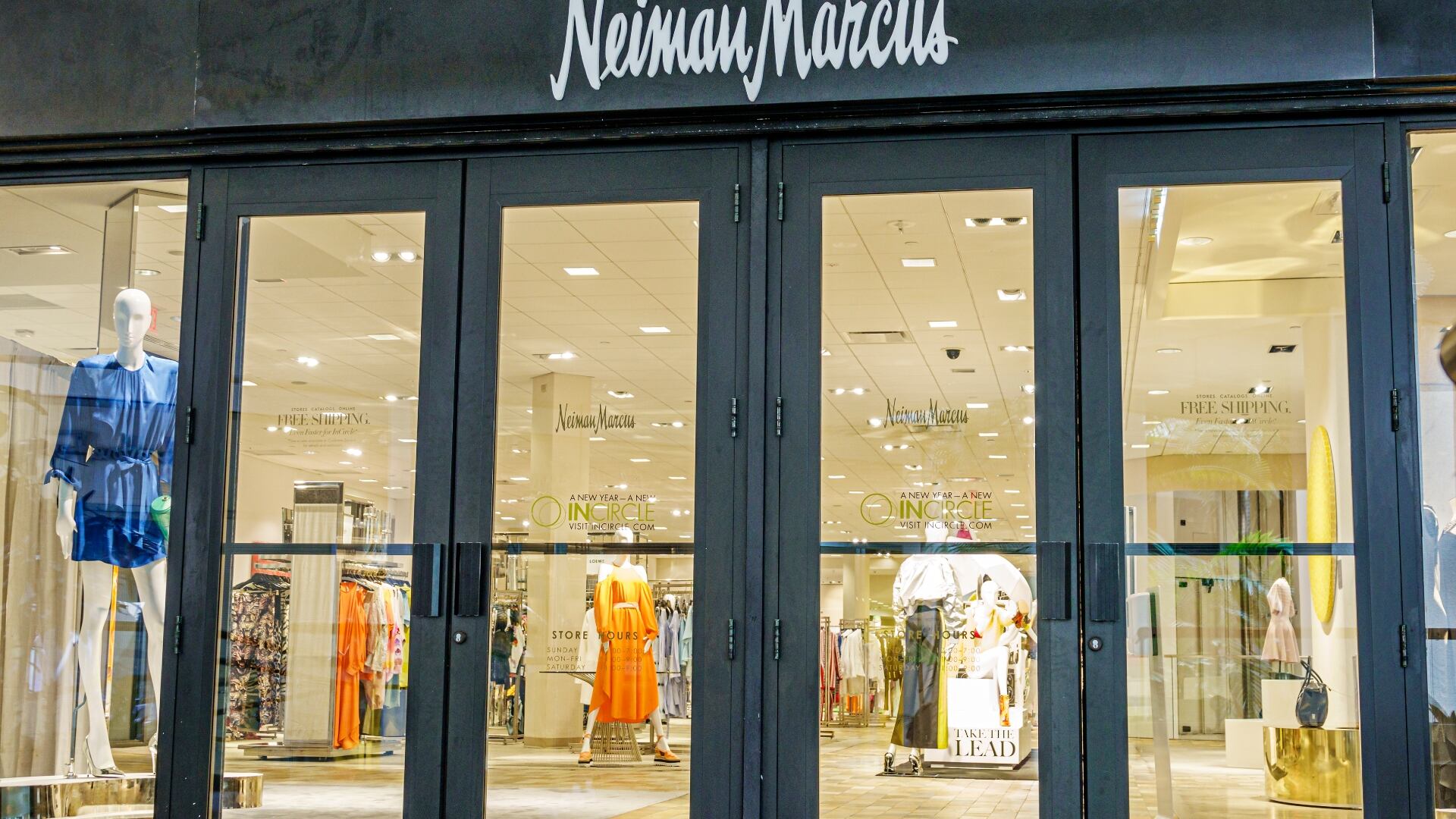
Neiman Marcus Group CEO Geoffroy van Raemdonck talks luxury shopping and TikTok, why the company prefers to be private for now, and the benefits of flexible work arrangements.
Rebecca Walser, founder and CEO of Walser Wealth Management, discusses how geopolitical conditions, the bifurcated economy, and other volatility could weigh on markets.
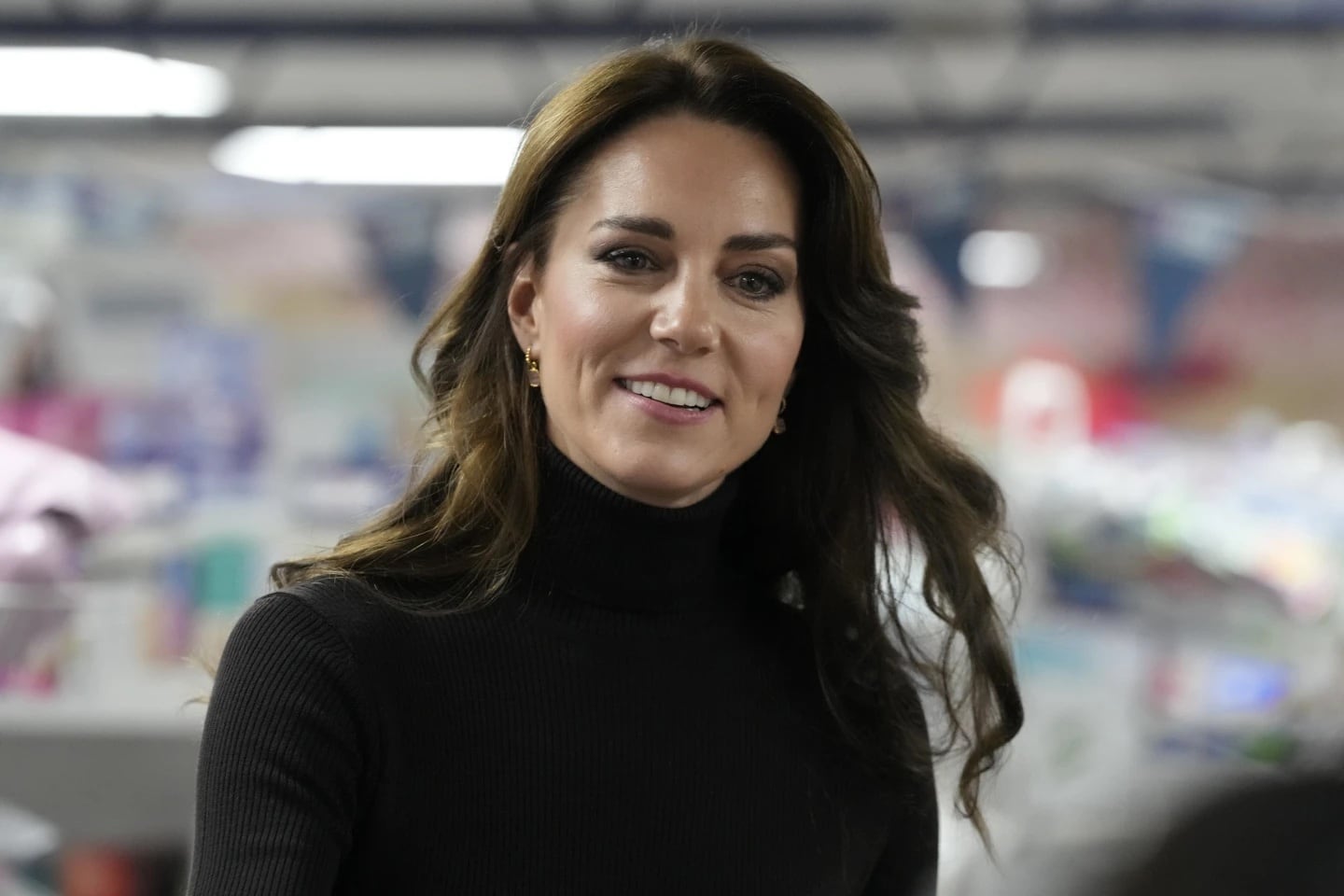
The video announcement Friday came after weeks of speculation spread on social media about her whereabouts and health since she was hospitalized in January for unspecified abdominal surgery.
Chip Giller, co-founder, and Amy Seidenwurm, Chief of Programs and Strategy at Agog: The Immersive Media Institute, discuss how the organization uses the virtual world to make real change.
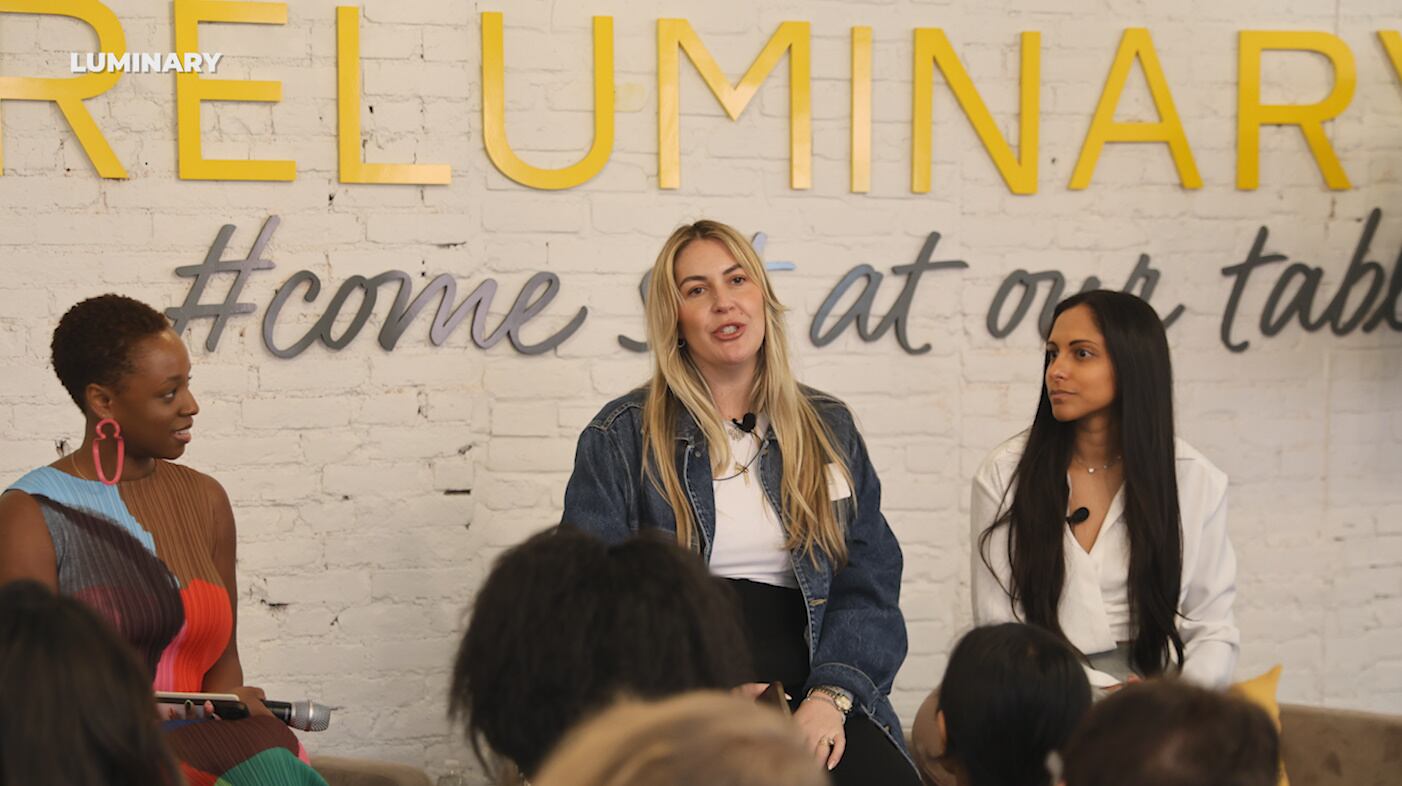
Luminary founder and CEO Cate Luzio shares some of the company’s latest Women’s History Month events and why there’s so much to celebrate about women in the workplace.