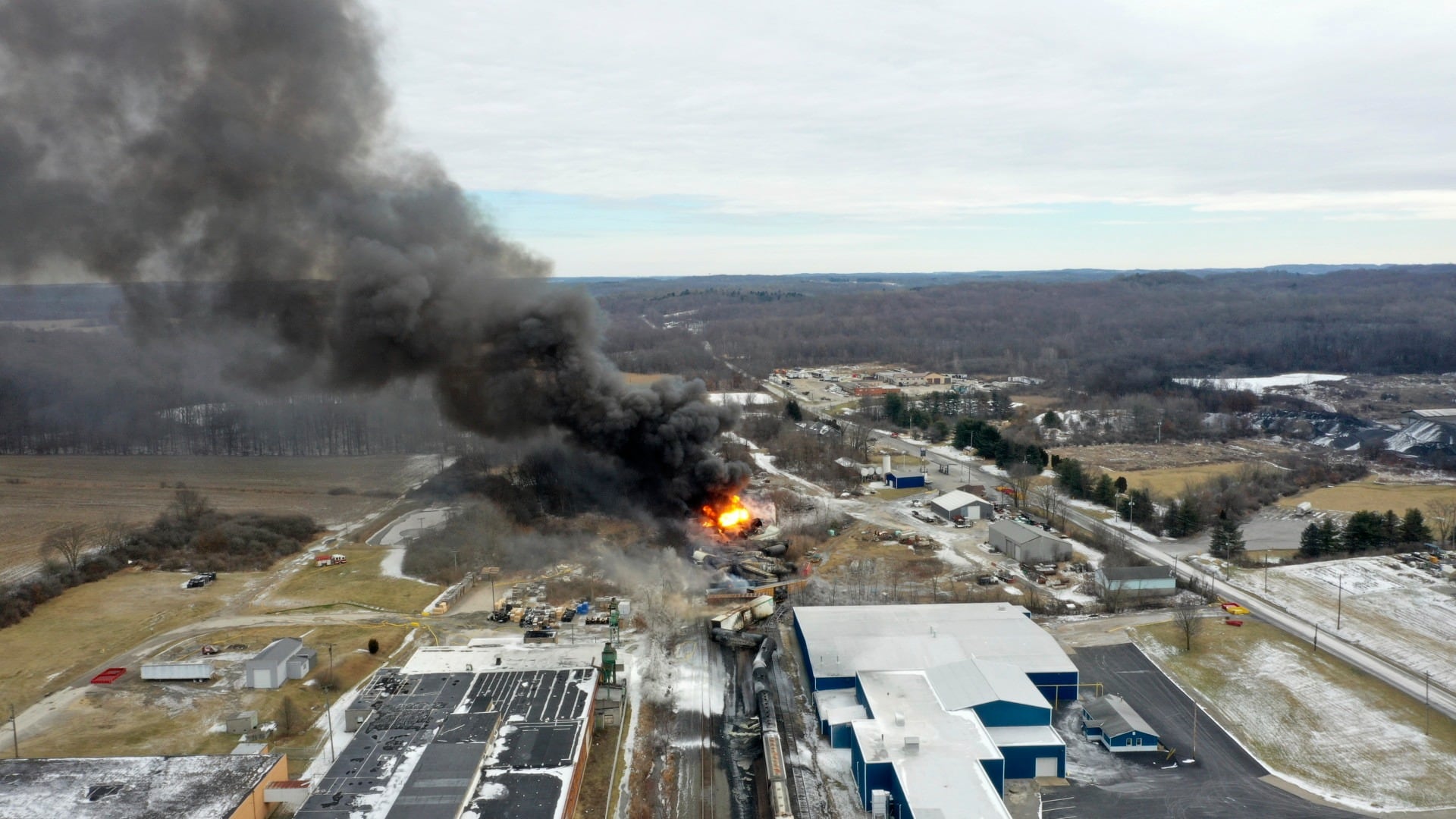
A plume rises from a Norfolk Southern freight train that derailed in East Palestine, Ohio, Feb. 4, 2023. After the catastrophic train car derailment in East Palestine, Ohio, some officials are raising concerns about a type of toxic substance that tends to stay in the environment. (AP Photo/Gene J. Puskar, File)
The fallout from the Norfolk Southern train derailment in Ohio now includes almost 44,000 animals potentially killed due to the chemical spill and burnoff, according to the Ohio Department of Natural Resources.
The state agency estimated that more than 38,000 minnows died with 5,500 additional species of fish, amphibians, and crayfish also possibly impacted by the toxic spill. None of the dead animals listed were endangered species.
Officials first calculated that about 3,500 animals were killed following the incident.
The agency also said the threat to aquatic wildlife, in particular, was highest during the first 24 hours following the derailment and currently there is no immediate threat to water-dwelling animals.
"Because the chemicals were contained, we haven't seen any additional signs of aquatic life suffering. In fact, we have seen fish return to Leslie Run," said Mary Mertz, the director of the Ohio Department of Natural Resources, in the statement.
Earlier in February, the Environmental Protection Agency identified at least five substances that potentially could have leaked into the local ecosystem: vinyl chloride, butyl acrylate, ethylhexyl acrylate, ethylene glycol monobutyl ether, and isobutylene.
The agency tasked Norfolk Southern to come up with a viable cleanup plan. "The Norfolk Southern train derailment has upended the lives of East Palestine families, and EPA’s order will ensure the company is held accountable for jeopardizing the health and safety of this community," said EPA Administrator Michael S. Regan.
Virgin Galactic is reporting an increase in demand for commercial space flights after seeing a boost in ticket sales, raising the price for a seat on a shuttle to $450,000. The company said they now have 700 customers.
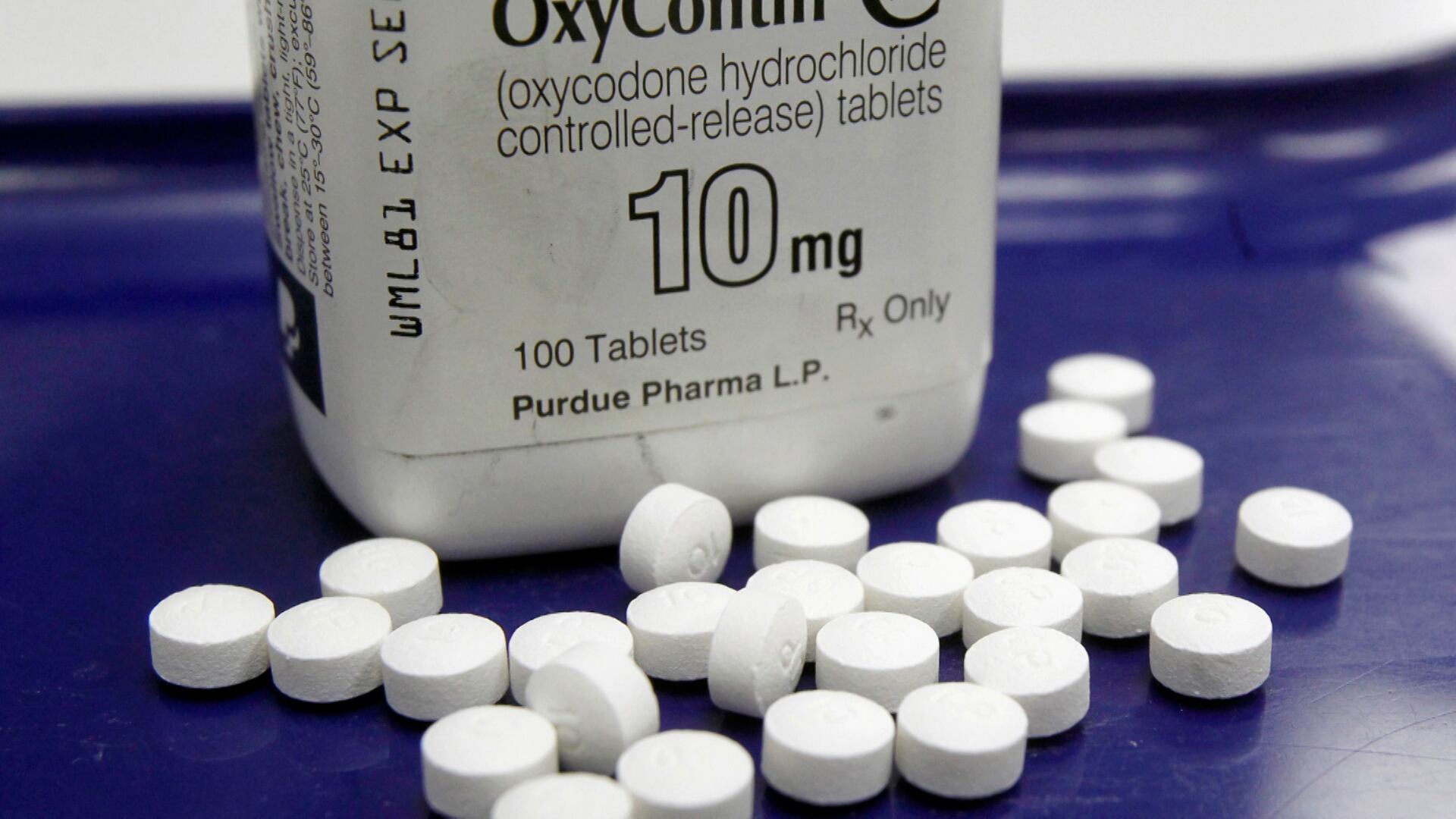
Jill Wagner and Baker Machado break down the state of the Opioid Crisis in the U.S. The CDC reported a 30% increase in overdose deaths from 2020 to 2021, but in recent months pharmaceutical companies have drastically raised the price of Naloxone or 'Narcan,' affecting the response of community harm prevention groups.
The world hit a grim milestone on Monday, with COVID-19 cases surpassing a quarter of a billion worldwide. As cases increase, the fight to beat the virus continues as well, with a number of medical breakthroughs coming out over the last few months in the form of pills from Pfizer and Merck. Regeneron is now the latest company to join the fight, recently releasing new data on a covid antibody cocktail. Professor Peter Pitts, former FDA Associate Commissioner and the founder of the Center for Medicine in the Public Interest breaks down the differences between the 3 treatments and why vaccines are still among the fire line of defense.
Jill and Carlo discuss the scenes of joy at American airports as borders reopen, another tool in the Covid toolbox, the latest in the Astroworld crowd crush tragedy and more.
The Biden Administration's mandate for COVID vaccinations by large employers has been put on hold by federal courts as GOP-led states and some businesses push back on the order's legality. Jonathan Adler, a law professor at Case Western Reserve University, joined Cheddar to discuss the legal challenges to implementing such mandates through OSHA (Occupational Safety and Health Administration). "Certainly expanding vaccinations is a good thing, and as vaccination rates go up that's better for all of us," Adler said. "But there are some legal questions about whether or not it's appropriate to use a law about occupational safety and health as the means to do that."
Dr. Nasia Safdar, Doctor at UW Madison, joined Wake Up With Cheddar to discuss the implications of Merck sharing its antiviral pill, which has been shown in early trials to cut hospitalizations and deaths by half, with poorer nations around the globe.
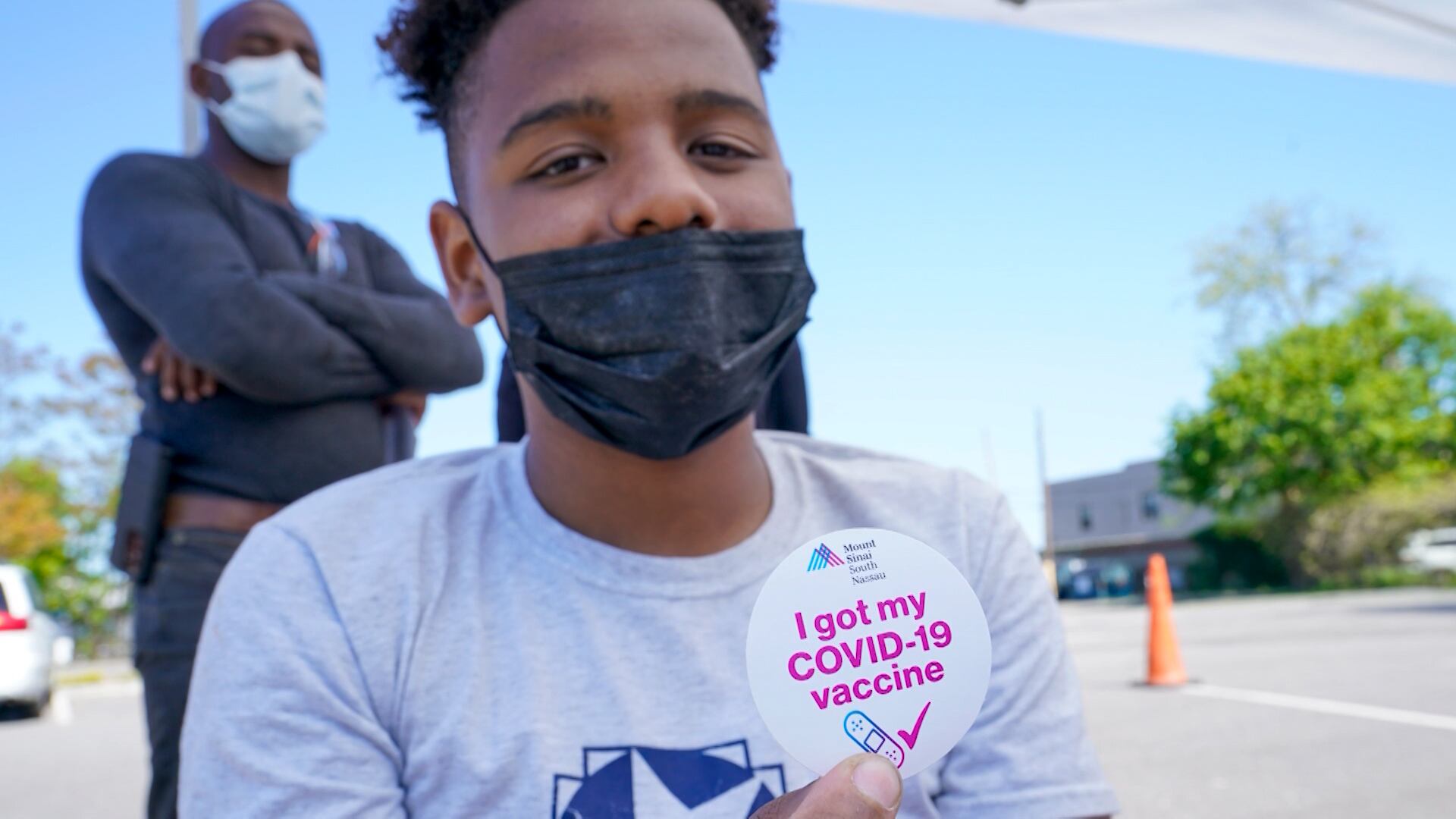
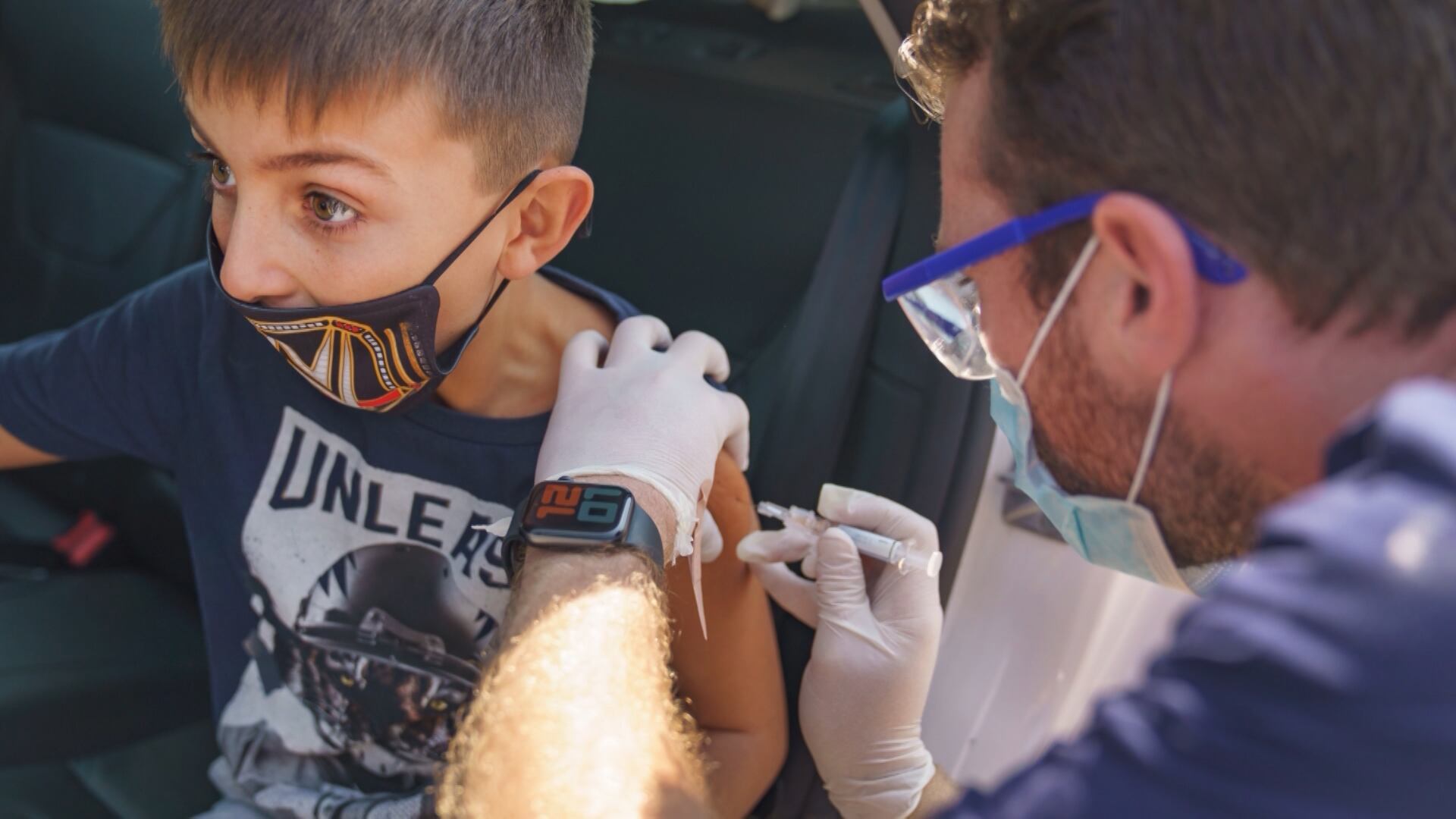
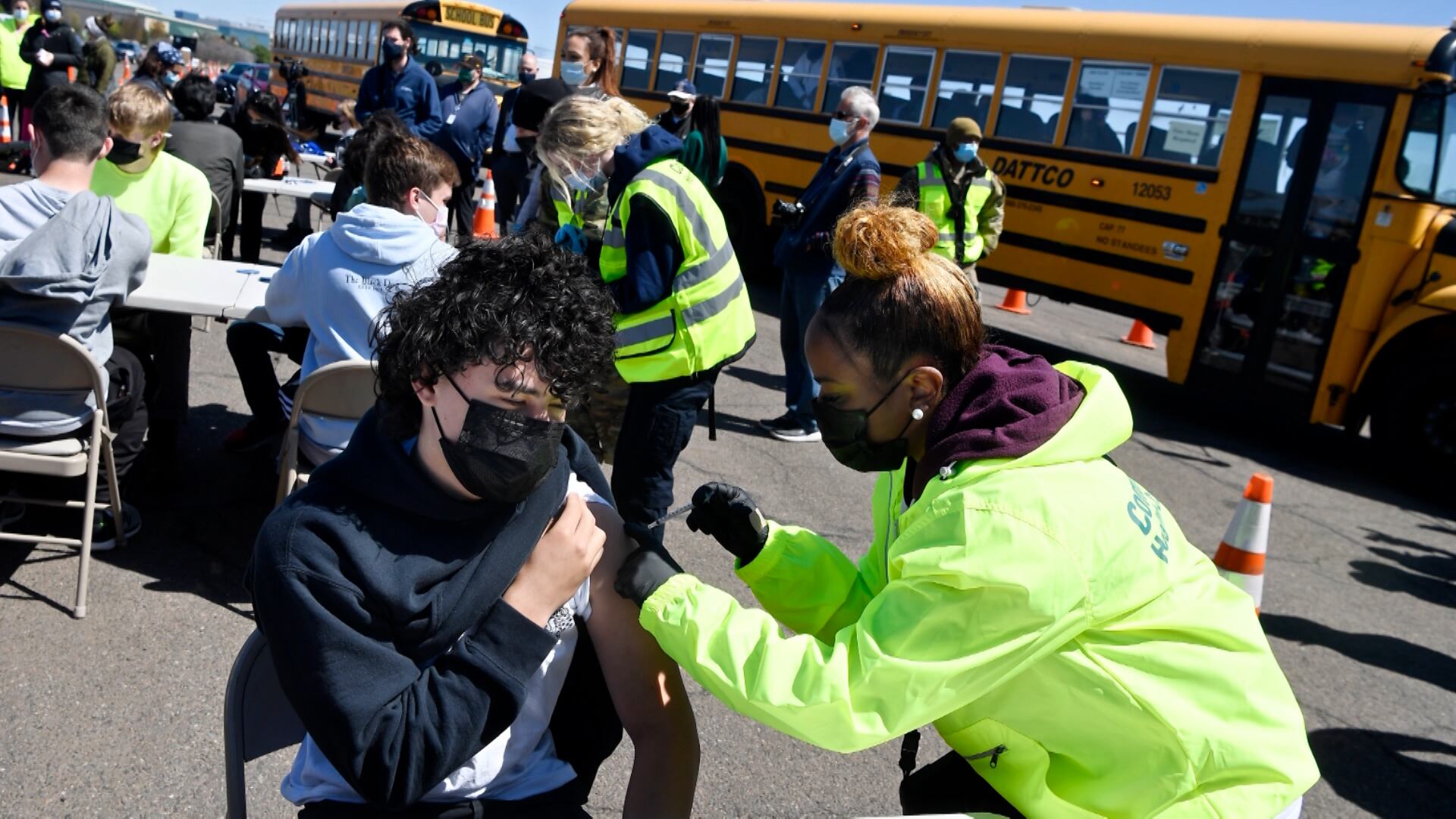
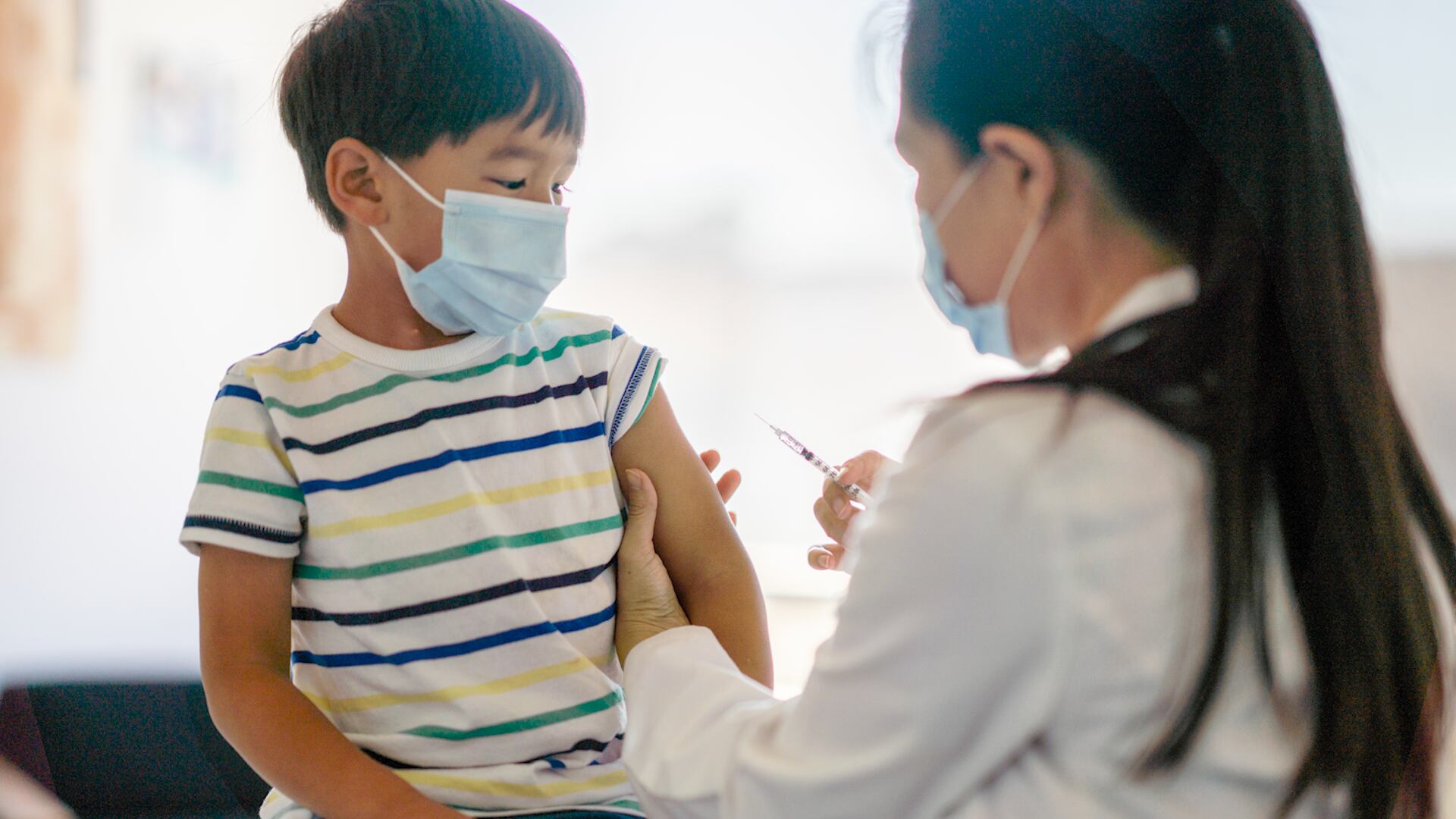
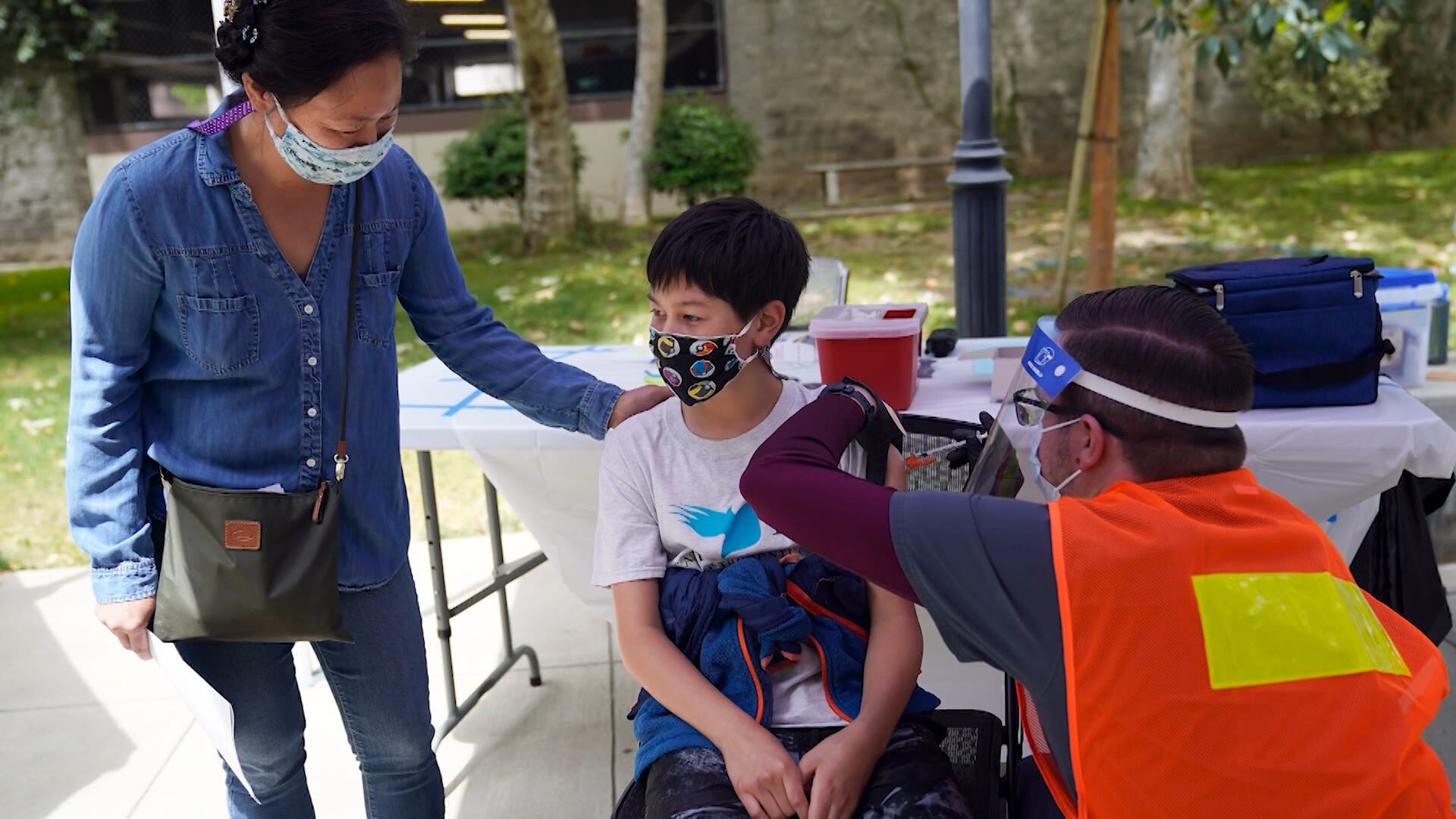
Dr. Robert Frenck, an infectious disease specialist at Cincinnati Children's Hospital, joined Cheddar to talk about the significance of children ages 5-11 being authorized to receive COVID-19 vaccinations. He also discussed schools being cleared to administer vaccines and noted the importance of meeting people where they are rather than forcing them to find the shots. Frenck also said he expects that children under 5 years old will begin getting vaccinations sometime in spring.
A CDC advisory committee as unanimously voted to recommend the Pfizer Covid-19 vaccine in children ages 5 to 11. Dr. Amesh Adalja, Infectious Disease Specialist and Senior Scholar at Johns Hopkins Center for Health Security, joined Cheddar News to discuss.
A Freitag pod with Carlo and Baker, talking about the upcoming federal vax-or-test deadline, the most shocking upset of this week's elections, an incredible story of selflessness and Love, Hate, Ate.