By Ralph D. Russo
NCAA President Charlie Baker is asking members to make one of the most dramatic shifts in the history of college sports by allowing highly resourced schools to pay some of their athletes.
In a letter sent to more than 350 Division I schools Tuesday, Baker said he wants the association to create a new tier of NCAA Division I sports where schools would be required to offer at least half their athletes a payment of at least $30,000 per year through a trust fund.
Baker also proposed allowing all Division I schools to offer unlimited educational benefits and enter into name, image and likeness licensing deals with athletes.
He said the disparity in resources between the wealthiest schools in the top tier of Division I called the Football Bowl Subdivision and other D-I members — along with the hundreds of Division II and III schools — is creating “a new series of challenges.”
“The challenges are competitive as well as financial and are complicated further by the intersection of name, image and likeness opportunities for student-athletes and the arrival of the Transfer Portal,” wrote Baker, the former Massachusetts governor who took over at the NCAA in March.
Baker is scheduled to speak Wednesday at the Sports Business Journal's Intercollegiate Athletic Forum in Las Vegas.
Division I is currently divided for football into the FBS, which has 133 schools, and FCS (Football Championship Subdivision).
Baker's proposal is aimed at creating a new subdivision, covering all sports, where the richest athletic departments in the so-called Power Five conferences — the Big Ten, Southeastern Conference, Big 12, Atlantic Coast Conference and Pac-12 — can operate differently than the rest, while still competing with the rest of Division I.
Conference realignment starting in 2024 will move the Pac-12 out of that group.
The proposed shift would not require all members of a conference to be part of the new subdivision. Schools would be allowed to make that determination individually.
Baker noted athletic budgets in Division I range from $5 million and $250 million annually, with 59 schools spending over $100 million annually and another 32 spending over $50 million. He said 259 Division I schools, however, spend less than $50 million on their athletic programs.
Baker said the difference in the way schools that participate in revenue-generating college sports such as major college football and basketball operate and the vast majority of college sports is complicating attempts to modernize the entire enterprise.
“The contextual environment is equally challenging, as the courts and other public entities continue to debate reform measures that in many cases would seriously damage parts or all of college athletics,” he wrote.
Mountain West Commissioner Gloria Nevarez said a during the Sports Business Journal's Intercollegiate Sports Forum that subdivision can be a trigger word in the NCAA, stoking worries some schools will be shut out of championship events or lose out on revenue. Nevarez didn't read Baker's proposal that way.
“When I read it ... it talked about space to make governance,” she said.
Baker and college sports leaders have been pleading with Congress to help the NCAA with a federal law to regulate the way athletes can be paid for NIL deals.
“I am 100% supportive of your efforts. Intercollegiate Athletics needs the proactive and forward thinking you are providing,” Ohio State athletic director Gene Smith said in a post on social media platform X.
Smith oversees one of the largest athletic departments in the country with operating expenses of above $225 million annually.
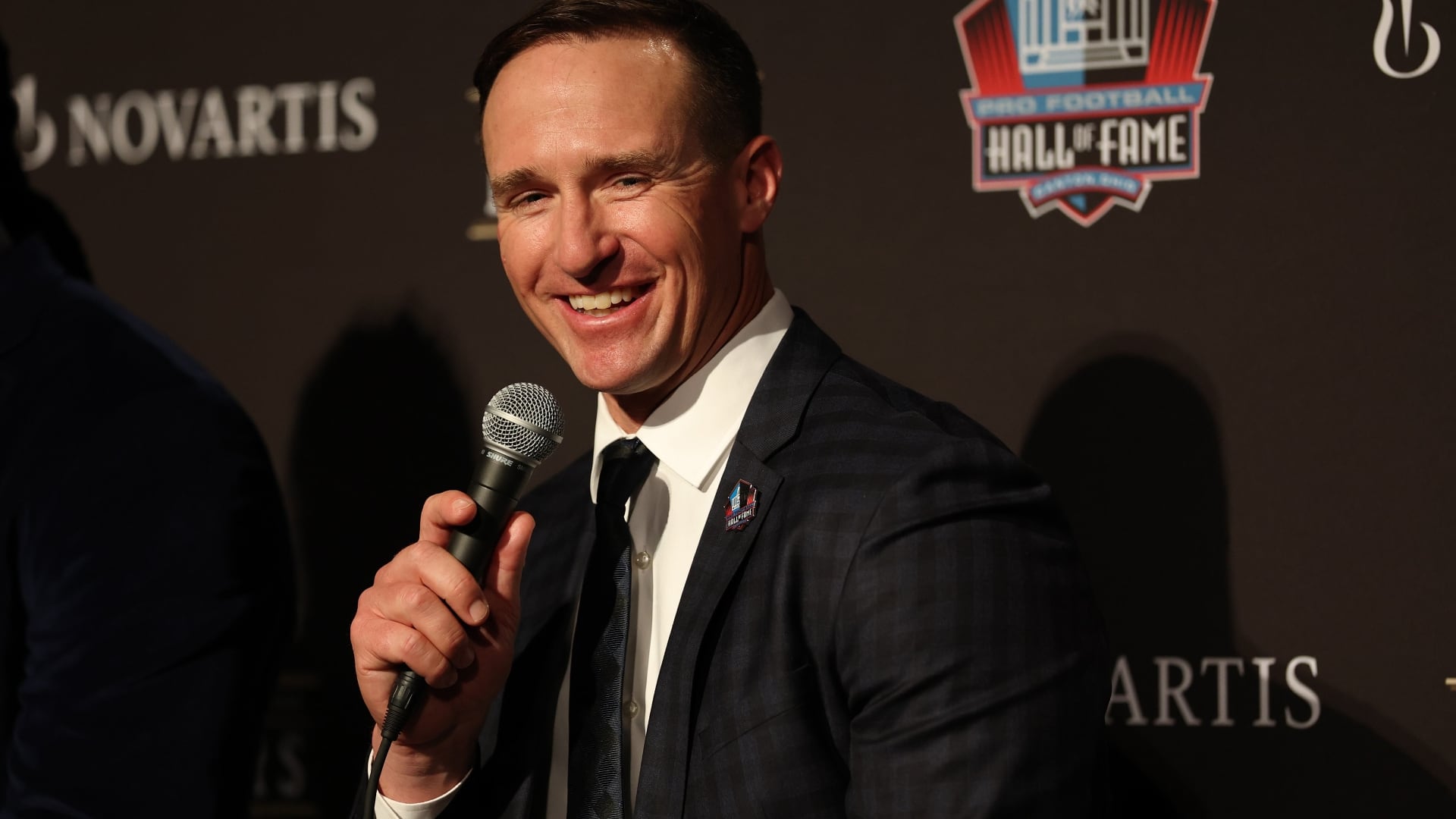
Former Southern California and NFL star Reggie Bush called schools paying athletes, "Long overdue.”
Bush, who was being inducted into the College Football Hall of Fame on Tuesday night in Las Vegas, was the focus of an NCAA impermissible benefits infractions case during his USC career that resulted in the vacation of a national title for the Trojans and Bush's 2005 Heisman Trophy victory.
Baker's letter is an aggressive first step toward a major shift for the NCAA. To turn his vision into detailed legislation will take member feedback, lots of work by the Division I Council and final approval from the Division I Board of Directors.
There is no timetable to bring the proposal to fruition.
The NCAA is also facing a new round of legal threats that could force its members to share some of the billions in revenue generated by major college football and basketball, along with giving athletes employees status. One antitrust case working its way through federal court could cost the NCAA billions in damages.
Baker called on NCAA member schools to create a new framework to make what he called “fundamental changes.”
“First, we should make it possible for all Division I colleges and universities to offer student-athletes any level of enhanced educational benefits they deem appropriate. Second, rules should change for any Division I school, at their choice, to enter into name, image and likeness licensing opportunities with their student-athletes,” he wrote. “These two changes will enhance the financial opportunities available to all Division I student-athletes.”
Currently, schools are allowed — though not required — to provide athletes $5,980 per year in educational benefits under NCAA rules.
Baker said the changes would help level the playing field between men's and women's athletics by forcing schools to abide by gender equity regulations as they invest.
He said schools in a new tier of Division I should be allowed, while staying compliant with Title IX, to “invest at least $30,000 per year into an enhanced educational trust fund for at least half of the institution’s eligible student-athletes.”
A new D-I subdivision should also allow members to create unique rules regarding “scholarship commitment and roster size, recruitment, transfers or NIL,” he said.
Mid-American Conference Commissioner Jon Steinbrecher said Baker’s proposal merely defines what already exists: The power conference schools have separated themselves financially, already provide greater benefits to athletes and have some autonomy in the NCAA legislative process.
“I think probably a lot of people are saying this is the precursor of the great breakaway (of power conferences from the NCAA),” Steinbrecher said. “I would suggest to you it’s exactly the opposite. It’s taking the pressure valve off.”
Updated ta 4:58 a.m. ET Dec. 6 with new information.