NBCUniversal's Linda Yaccarino: Expect $1 Billion in Revenue for 2018 Olympics
Media and advertising leaders gathered Thursday night at the 64th Annual Ad Council Public Service Award Dinner. Cheddar's Kristen Scholer spoke with NBCUniversal Chairman of Advertising Sales and Client Partnership, Linda Yaccarino, about the future of advertising.
Yaccarino shares NBCUniversal's goals in advertising for 2018. The new year kicks off with a heavy slate of events, including the Golden Globes, Super Bowl, and PyeongChang Olympics. Yaccarino says the network is on track to generate $1 Billion in advertising revenue for its Olympic coverage.
Next year NBCUniversal is planning to stream every event live so viewers can get the coverage in real time, says Yaccarino. When looking at cross-platform coverage, Yaccarino says its all about content and dominance. "What's really happening is a convergence of opportunity for the advertisers," said Yaccarino. "[Advertisers] want to be part of the Olympics to aggregate the biggest audiences."
Ian Rogers, Chief Experience Officer, Ledger, joins Cheddar News to discuss innovation in crypto security, and why a hardware wallet is a critical tool for protecting digital assets.
Carlo and Baker cover the latest developments after a devastating tornado outbreak over the weekend, plus an eye on Omicron and inflation, and not even Spielberg can save the box office.
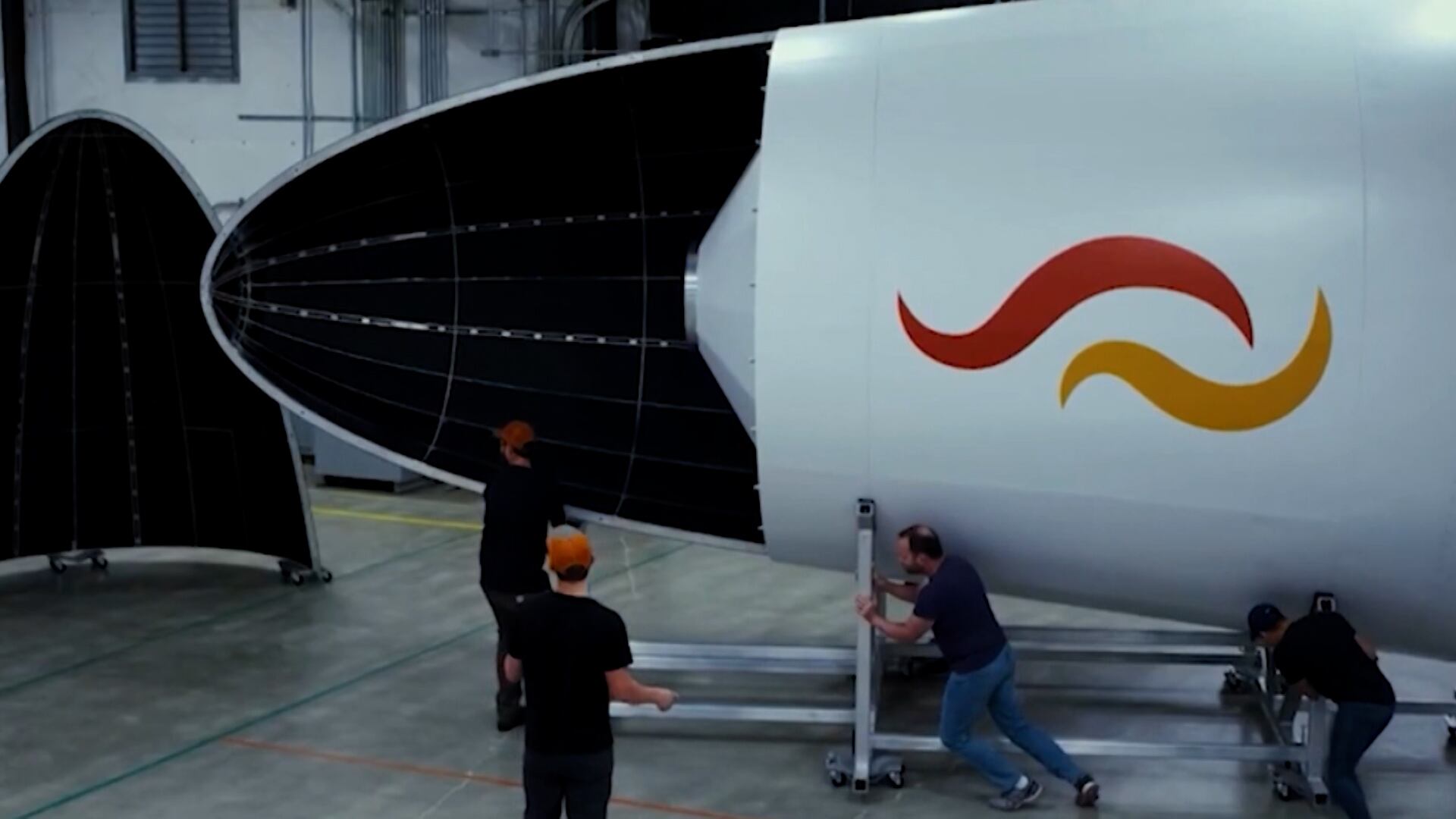
Reusable rocket developer Stoke Space Technologies raised $65 million in a Series A round led by Breakthrough Energy Ventures, a firm founded by Bill Gates. Stoke says its reusable rockets provide the satellite industry with low-cost, on-demand access to and from orbit. As companies like SpacX and Blue Origin are also making commitments to rocket reusability, Stoke says it is taking a different approach with a system designed to be 100% reusable, comprised of rockets designed to fly daily, like an airplane. Stoke co-founder and CEO Andy Lapsa joins Cheddar News' Closing Bell to discuss.
Humans are set to return to a place we have not been in nearly 50 years: the moon. NASA's Artemis program is expected to have astronauts back on the lunar surface by 2025. NASA says it will use what it learns on the moon to take the next giant leap - sending the first astronauts to Mars. The Artemis program also includes contributions from private companies like SpaceX, as well as academic research institutions like Georgia Tech. Georgia Tech professor of practice and former NASA astronaut Sandra Magnus joins Future of Space: Humankind's Leap Forward to discuss.