NBCUniversal's Linda Yaccarino: Expect $1 Billion in Revenue for 2018 Olympics
Media and advertising leaders gathered Thursday night at the 64th Annual Ad Council Public Service Award Dinner. Cheddar's Kristen Scholer spoke with NBCUniversal Chairman of Advertising Sales and Client Partnership, Linda Yaccarino, about the future of advertising.
Yaccarino shares NBCUniversal's goals in advertising for 2018. The new year kicks off with a heavy slate of events, including the Golden Globes, Super Bowl, and PyeongChang Olympics. Yaccarino says the network is on track to generate $1 Billion in advertising revenue for its Olympic coverage.
Next year NBCUniversal is planning to stream every event live so viewers can get the coverage in real time, says Yaccarino. When looking at cross-platform coverage, Yaccarino says its all about content and dominance. "What's really happening is a convergence of opportunity for the advertisers," said Yaccarino. "[Advertisers] want to be part of the Olympics to aggregate the biggest audiences."
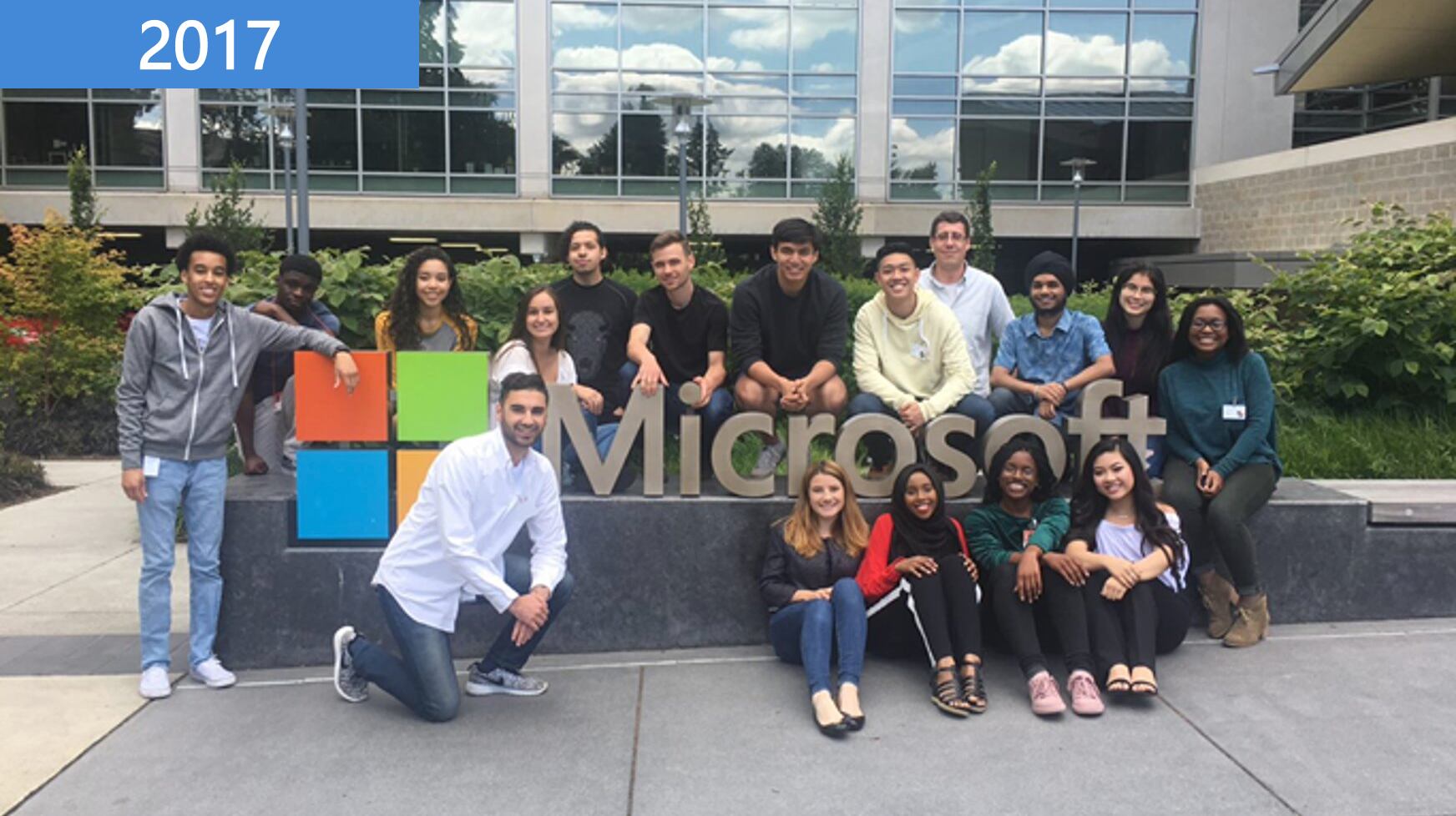
The founder and president of Cyborg Mobile Kobie Hatcher has been on a strong trajectory to disrupt his industry with a program called The New Technologists. It's not only meant to address the diversity gap within large tech companies but also help pave the way to transform the lives of young BIPOC students. He joined Cheddar News to talk about how he's working to make a difference with the lack of diversity in tech. “There's truly no lack of talent out there. It's just identifying them and letting them know that, hey, I've been in the tech sector for over 20 years. I see you. I know what you can bring, bring it, we need it," Hatcher said.
Constituent service platform Indigov recently raised $25 million in a Series B funding round. Indigov bills itself as a constituent relationship management tool that helps elected officials improve the way they organize, respond to, and engage those they serve. The startup's services are being used by federal, state, and local governments across the country, including the U.S. House of Representatives. Alex Kouts, founder & CEO of Indigov, joins Cheddar News' Closing Bell to discuss.
The 2022 NBA playoffs are intensifying as four teams vie for an NBA finals berth. Tonight, Stephen Curry and the Golden State Warriors can book their finals ticket with a win over the Dallas Mavericks, while Miami will be feeling the 'heat' tomorrow night, facing elimination against the Boston Celtics.
And with the growing popularity of sports betting, the NBA playoffs offers a potential money-making opportunity for fans. Trysta Krick, host of BetMGM Tonight, joins Cheddar News' Closing Bell to discuss.
Snap stock saw the worst day ever after a large drop in price on Tuesday following warnings of revenue and earnings slowdown. This trend caught on with other social and digital media stocks due to fears that brands heavily relying on advertising get hit with the same inflation struggles. However, some analysts note that Snap may be a unique case due to a rapid, possibly unsustainable, expansion leading to the current grim forecast.
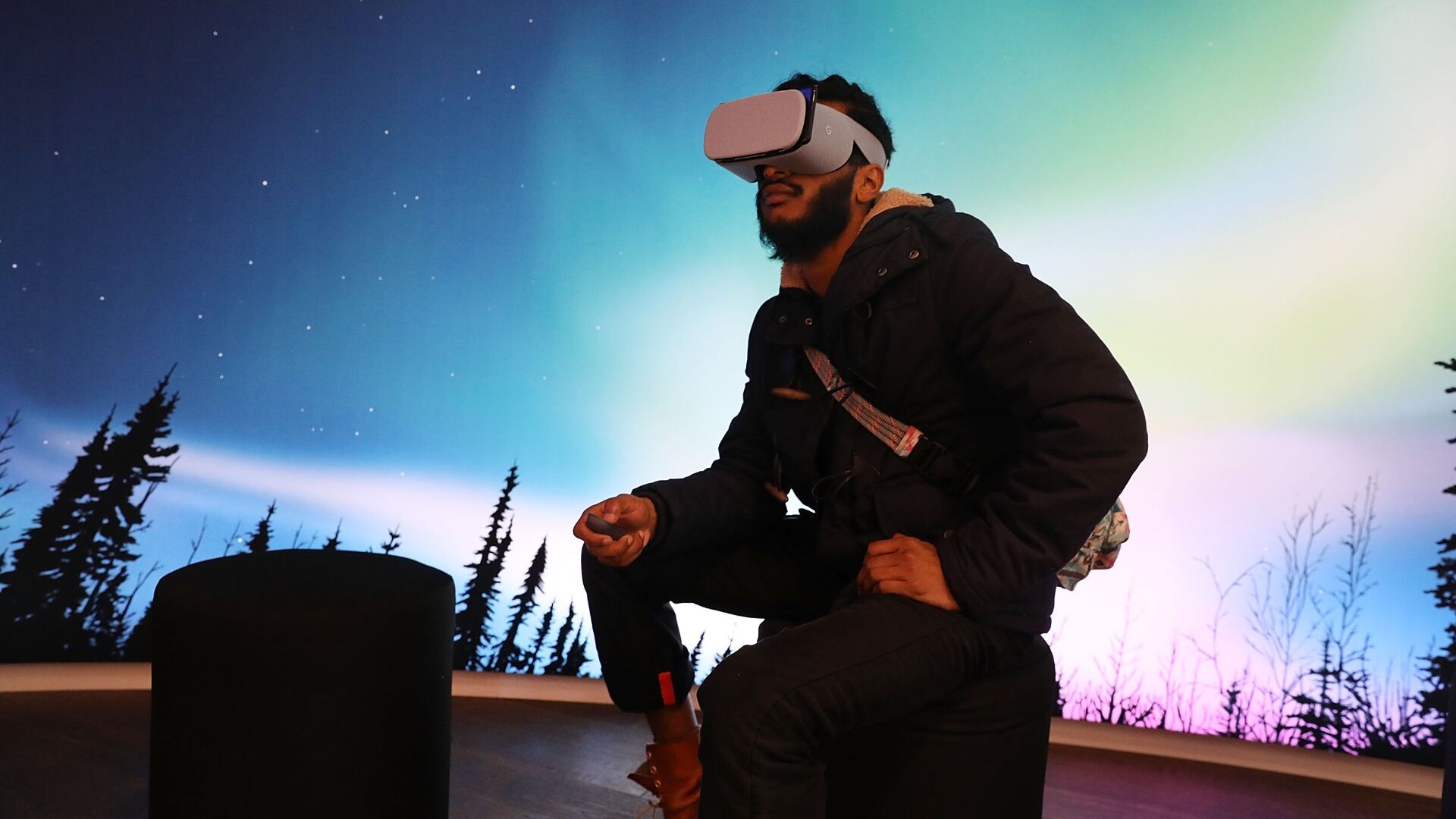
From Meta’s Oculus to PlayStation’s VR headsets, Cheddar News anchors Ken Bufa and Kristen Scholer cover the potential for this tech in Cheddar Connected as more heavy hitters like Apple look to take the stage.