By Marcia Dunn
NASA held its first public meeting on UFOs Wednesday a year after launching a study into unexplained sightings.
The space agency televised the hourslong hearing featuring an independent panel of experts. The team includes 16 scientists and other experts selected by NASA including retired astronaut Scott Kelly, the first American to spend nearly a year in space.
Several committee members have been subjected to “online abuse” for serving on the team, which detracts from the scientific process, said NASA's Dan Evans, adding that NASA security is dealing with it.
“It’s precisely this rigorous, evidence-based approach that allows one to separate the fact from fiction," Evans said.
The study is a first step in trying to explain mysterious sightings in the sky that NASA calls UAPs, or unidentified aerial phenomena.
The group is looking at what unclassified information is available on the subject and how much more is needed to understand what's going on in the sky, according to astrophysicist David Spergel, the committee's chair who runs the Simons Foundation.
No secret military data are included, such as anything surrounding the suspected spy balloons from China spotted flying over the U.S. earlier this year.
The meeting was held at at NASA headquarters in Washington with the public taking part remotely.
A final report is expected by the end of July.
The Associated Press Health and Science Department receives support from the Howard Hughes Medical Institute’s Science and Educational Media Group. The AP is solely responsible for all content.
Spotify said Sunday that it will add content advisories before podcasts discussing the coronavirus.
Cheddar's Chloe Aiello looks into the rise of plant-based eating and the spread of veganism among Americans for both personal health and the health of the climate.
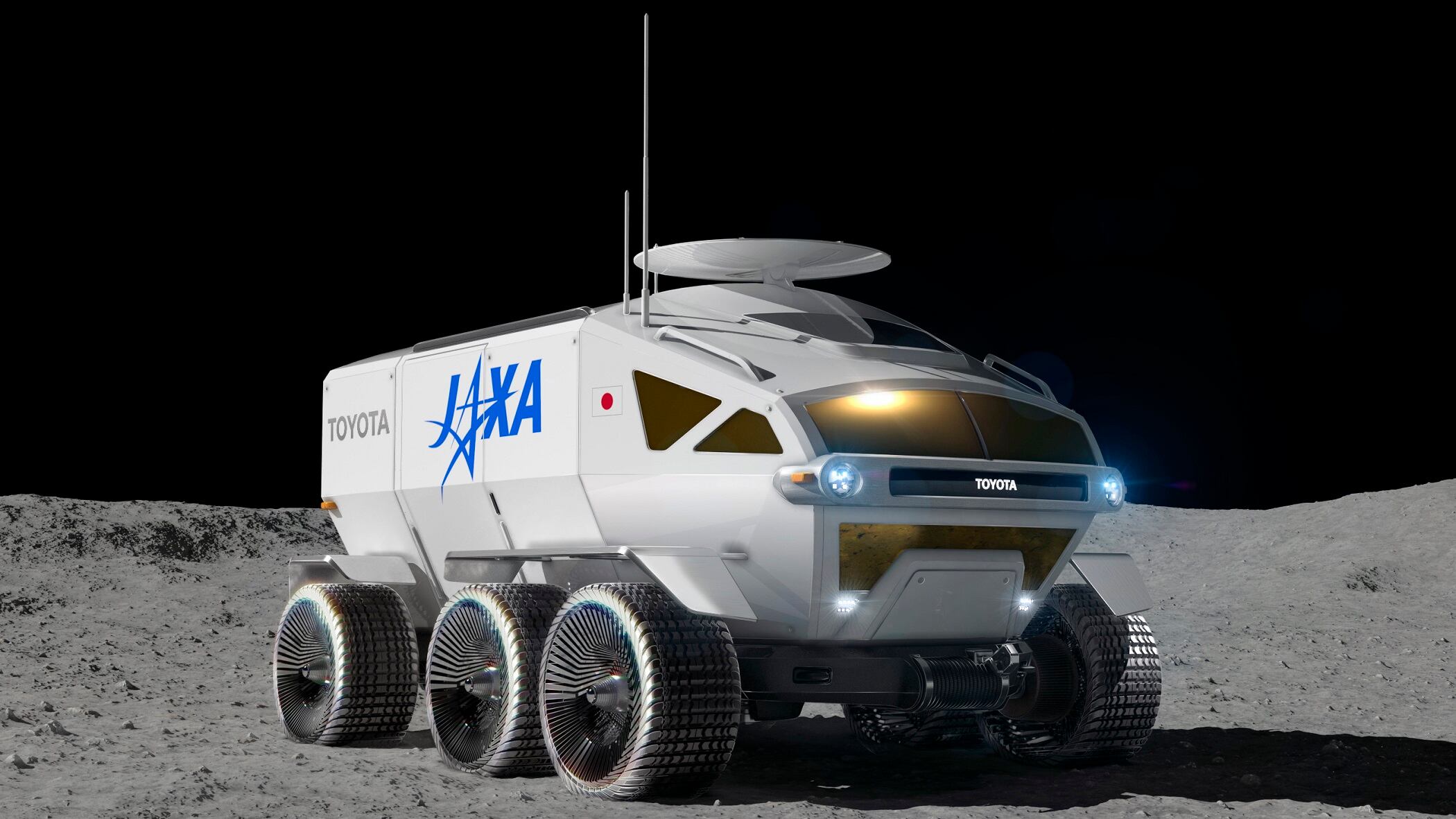
Toyota says it's working with Japan’s space agency on a vehicle to explore the lunar surface, with ambitions to help people live on the moon by 2040 and eventually live on Mars.
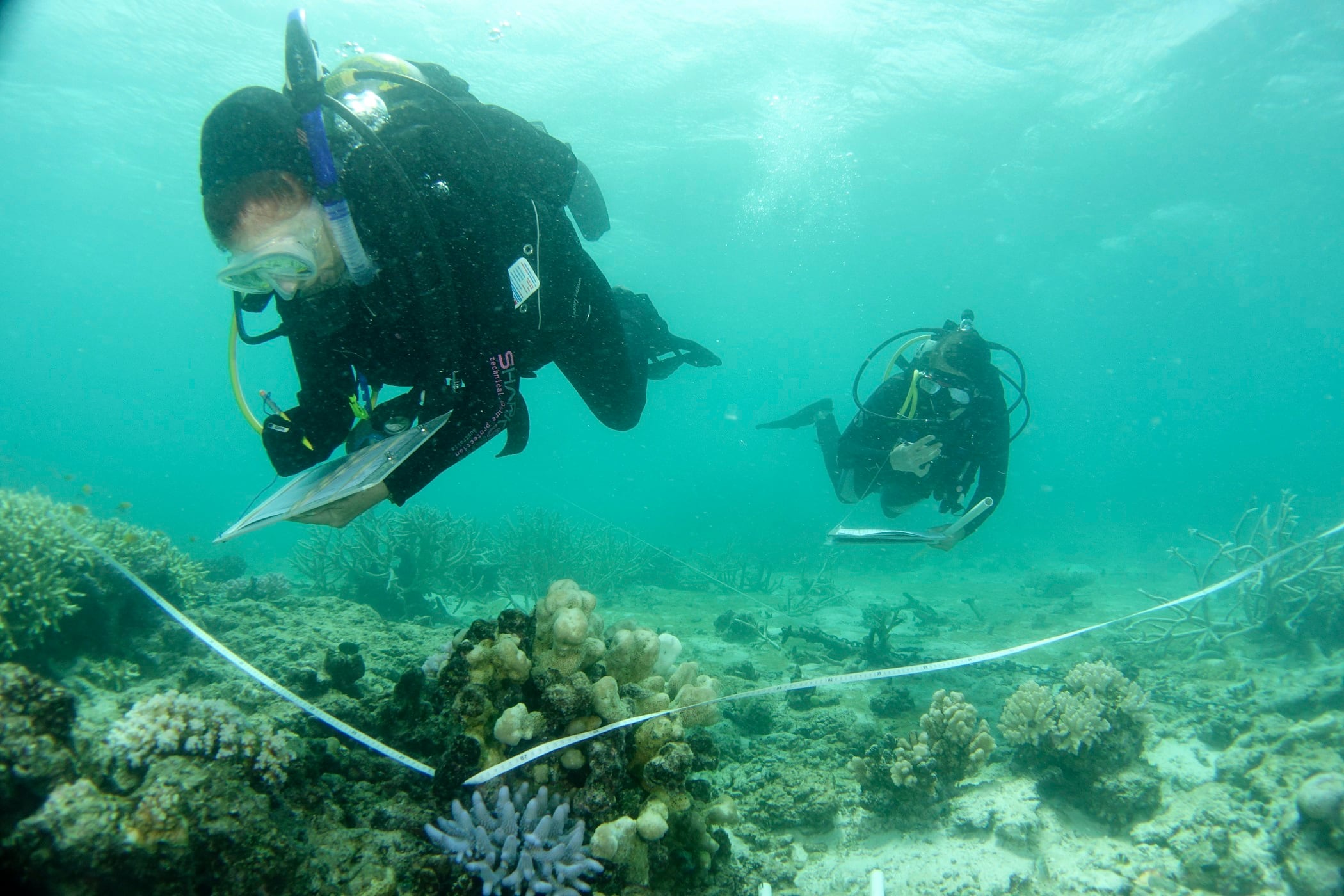
he Australian government has pledged to spend another 1 billion Australian dollars ($704 million) over nine years on improving the health of the Great Barrier Reef after stalling a UNESCO decision on downgrading the natural wonder’s World Heritage status.
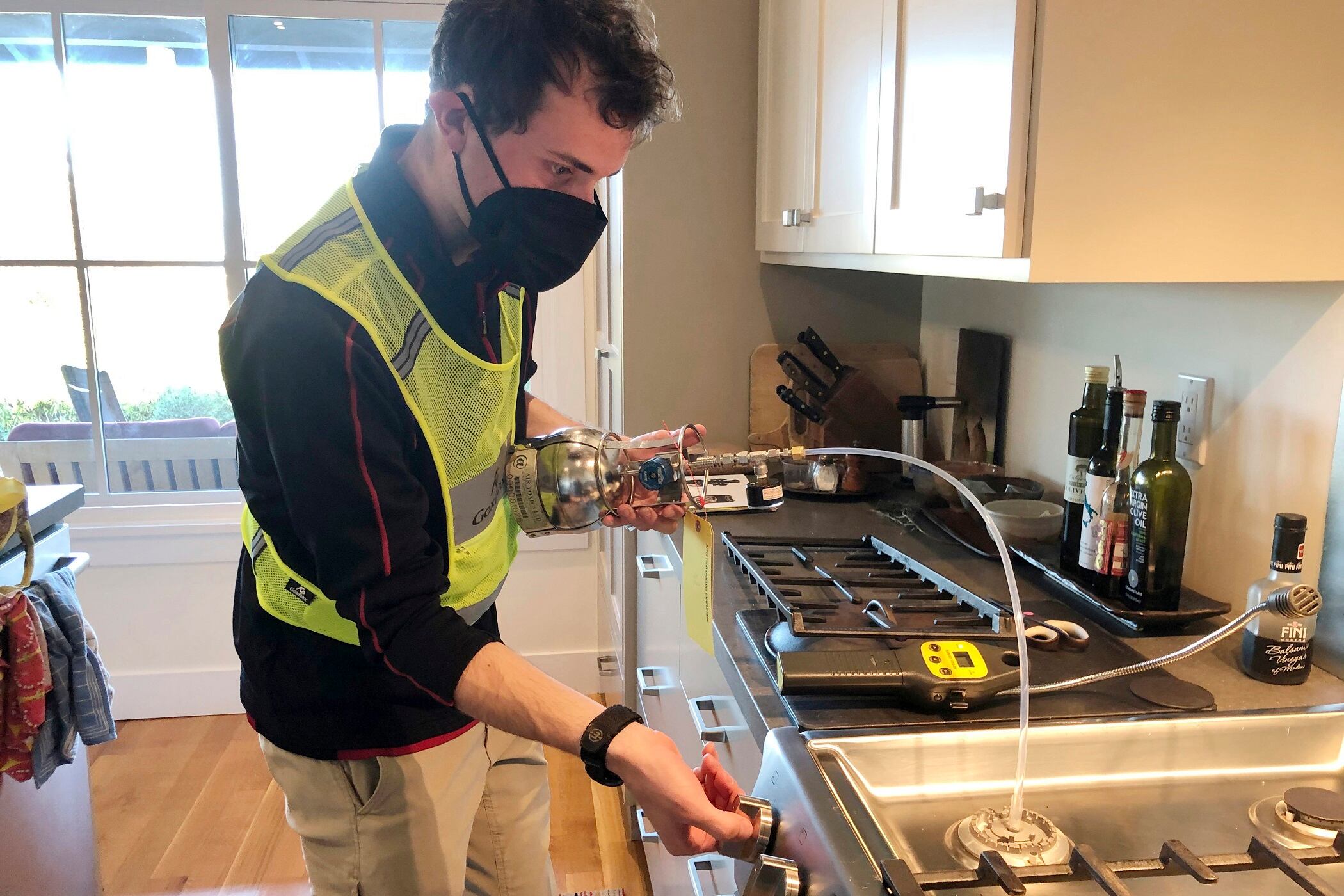
The study by California researchers that was published in Thursday’s journal Environmental Science & Technology found that more than 2.6 million tons of methane leaks into the air from gas stoves in the United States even when they aren't running.
Denmark’s government says it will scrap most pandemic restrictions next week, even as neighboring Sweden has extended its own measures for another fortnight.
A conservation group is turning over a historic redwood grove on the Northern California coast to descendants of the original Native American inhabitants.
Arguably the biggest challenge to the rise of electric vehicles is their outsized demand for rare earth minerals. Cheddar's Alex Vuocolo does a deep dive into the struggle over securing supply chains for a green tech future.
New research suggests giving extra cash to low-income mothers can change their infants’ brain development.
Pfizer and BioNTech have begun studying a COVID-19 vaccine tweaked to match to the omicron variant in healthy adults.