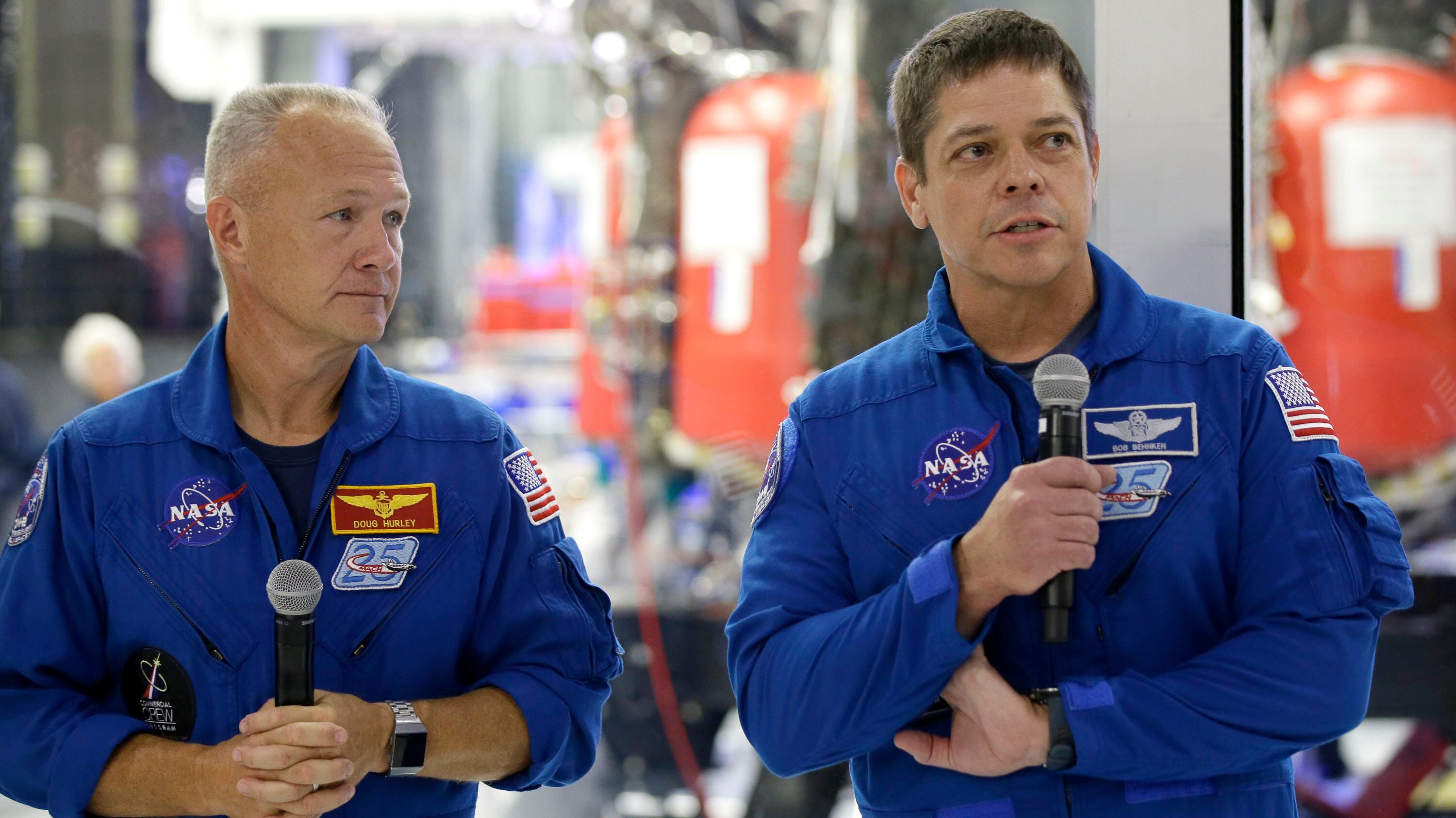
In this Thursday, Oct. 10, 2019 file photo, NASA astronauts Bob Behnken, right, and Doug Hurley talk to the media in front of the Crew Dragon spacecraft at SpaceX headquarters in Hawthorne, Calif. On Friday, April 17, 2020, NASA and SpaceX announced May 27 for resuming human launches from the U.S. after nearly a decade. Hurley and Behnken will blast off atop a SpaceX Falcon 9 rocket, departing from the same Kennedy Space Center launch pad used by Atlantis in July 2011. (AP Photo/Alex Gallardo)
By Marcia Dunn
NASA and SpaceX have picked May 27 for resuming astronaut launches from the U.S. after nine years of complete Russian dependence.
NASA Administrator Jim Bridenstine announced the launch date Friday. Astronauts haven’t launched into orbit from the U.S. since NASA’s last space shuttle flight in 2011. SpaceX aims to end the drought by sending two NASA astronauts to the International Space Station.
“On May 27, @NASA will once again launch American astronauts on American rockets from American soil!” Bridenstine tweeted.
Astronauts Doug Hurley and Bob Behnken will blast off atop a SpaceX Falcon 9 rocket, departing from the same Kennedy Space Center launch pad used by shuttle Atlantis in July 2011, as well as the Apollo moonshots a half-century ago. Hurley served as pilot on that last shuttle mission and will be the spacecraft commander for SpaceX's Dragon crew capsule.
Launch day will be a Wednesday, with a liftoff time of 4:32 p.m. EDT. It's too soon to know whether the coronavirus pandemic will prompt crowd restrictions.
Only three countries have launched people into orbit since 1961: Russia, the U.S. and China, in that order. SpaceX would be the first company.
SpaceX successfully conducted its first test flight of a Dragon crew capsule a year ago, sending the capsule — minus a crew — to the space station. The returned capsule was accidentally destroyed during ground testing at Cape Canaveral, further delaying the astronaut launch.
With the space station crew now down to three, Hurley and Behnken will spend weeks, perhaps months, helping to maintain the orbiting lab. The length of their mission is still under review, according to NASA.
NASA, meanwhile, is in the process of buying another seat on a Russian rocket. Russian Soyuz capsules have been the sole means of crew transportation to and from the space station since 2011.
SpaceX has been using Falcon 9 rockets to launch cargo to the space station in the company’s original Dragon capsules since 2012. NASA turned to private companies for deliveries once the shuttle program ended.
Boeing also is working to launch astronauts under NASA's commercial crew program, but the company's effort suffered a serious setback following last December's botched test flight. Launching without anyone on board, Boeing's Starliner capsule failed to reach the space station after ending up in the wrong orbit and came close to destruction twice because of software errors.
Boeing plans to repeat the test flight, again without astronauts, this fall.
___
The Associated Press Health and Science Department receives support from the Howard Hughes Medical Institute’s Department of Science Education. The AP is solely responsible for all content.
Concerns over inflation have become one of the biggest worries for executives. A survey from The Conference Board shows that more than 900 CEOs consider inflation a top tier concern, a major shift from last year's survey that had it as a low-level concern. Rebecca Ray, Executive Vice President, Human Capital, The Conference Board joined Cheddar's Opening Bell for more.
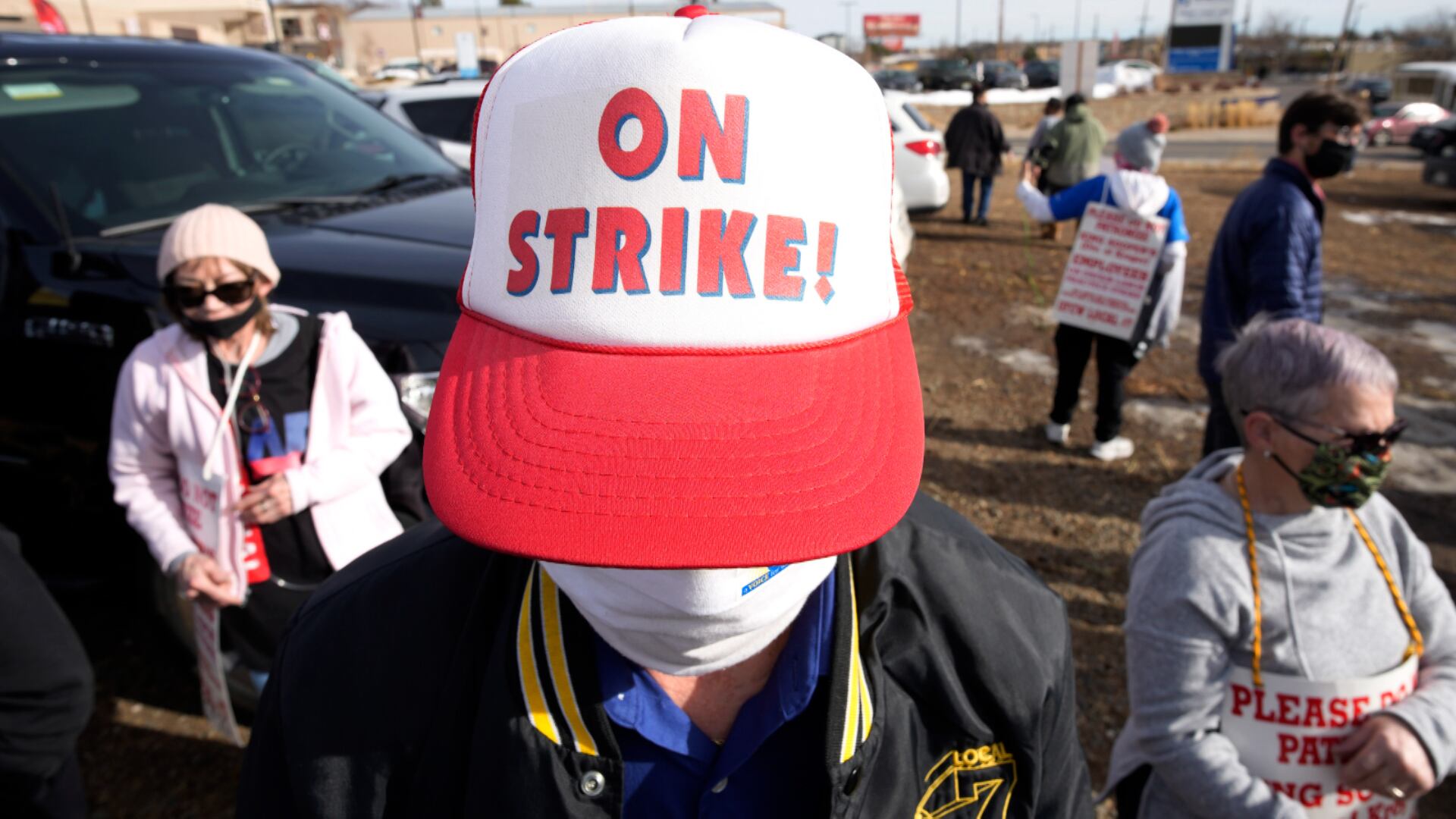
Jordan Zakarin, Media Producer at A More Perfect Union, joined Cheddar News to break down the latest from Colorado, where at least 8,700 Kroger employees walked off the job in demand of increased benefits and wages.
With the 2022 Winter Olympics in Beijing rapidly approaching, clouds of controversy continue to swirl around China's treatment of the Uyghur Muslim minority population, its surveillance state, and security for visiting athletes. Phelim Kine, China correspondent for Politico, joined Cheddar to break down the big storylines surrounding the Beijing Games and highlight what he saw as the complete disregard by top corporate sponsors like P&G, Airbnb, Intel, Visa, and Coca-Cola, for the controversies. "They spend $100 million for every Olympics that they sponsor, and they have frankly shown absolute willful indifference to any type of entreaty to essentially be more vocal about their concerns about human rights in China," he said. Kine also touched on the data privacy fears for athletes as visiting contingents are being told to carry burner phones to avoid security risks.
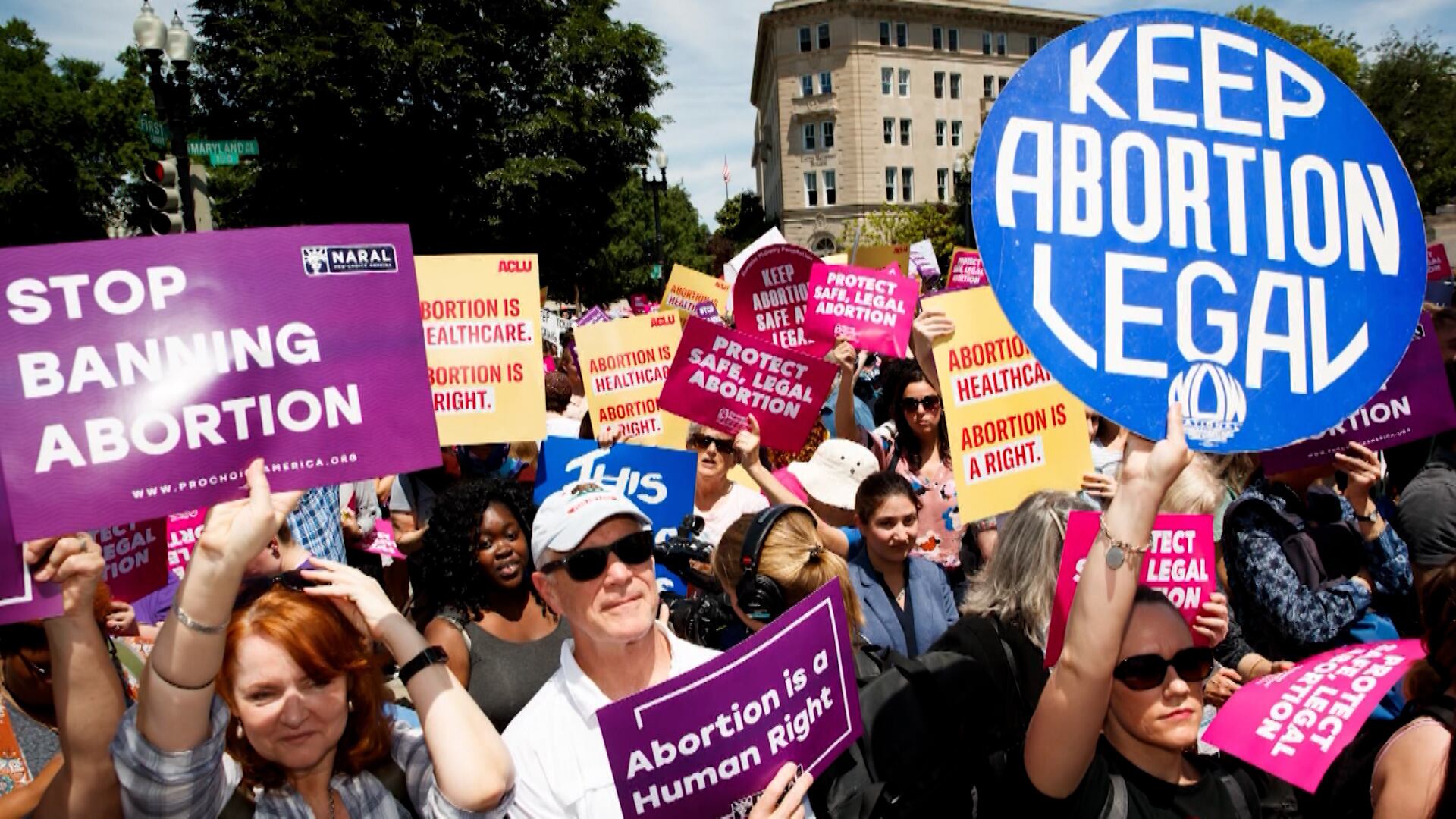
Texas's six-week abortion ban remains in effect after a federal appeals court ruling on Monday. The U.S. court of appeals for the fifth circuit temporarily transferred the case to the Texas Supreme Court, which is expected to leave the dispute in limbo for months to come. Katie Barlow, attorney and media editor of SCOTUSblog, joins Cheddar News to discuss.
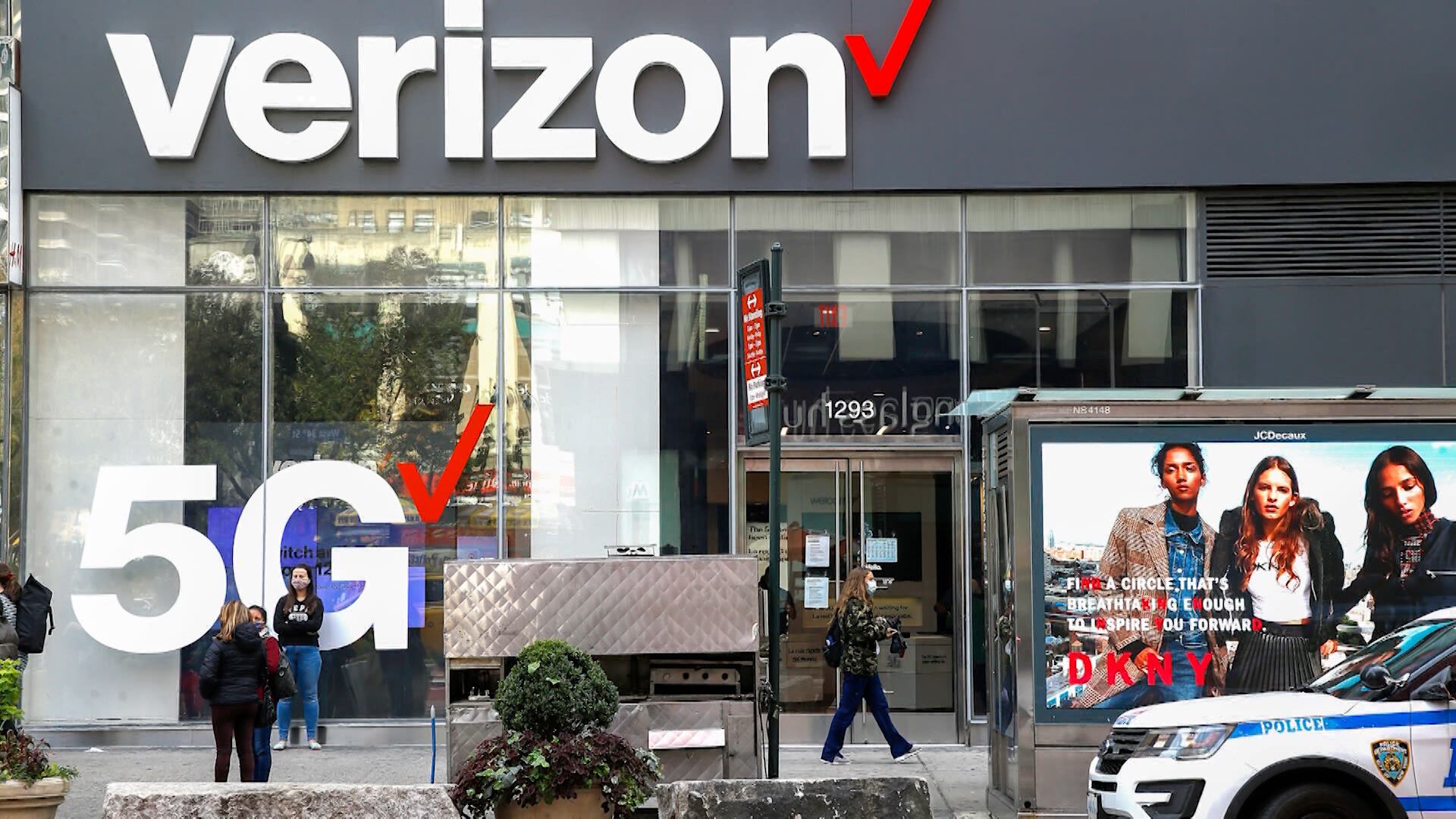
Hugh Odom, founder and president of Vertical Consultants, shared his expertise on telecommunications with Cheddar on the safety issue raised about 5G deployment by airlines. The installation was partially delayed again on Tuesday as the airlines warned of potentially catastrophic delays in a letter to the Biden administration. Later, both Verizon and AT&T relented and put a pause on some of the implementations. "The first thing the Biden administration needs to do is get everybody in the room and say, look, aviation industry, identify the problem — wireless industry, come up with a solution," said Odom.
Dave Levinthal, deputy Washington Bureau chief at Insider, joins Cheddar News to discuss Gallup's new survey that reveals more Americans leaned Republican by the end of 2021.
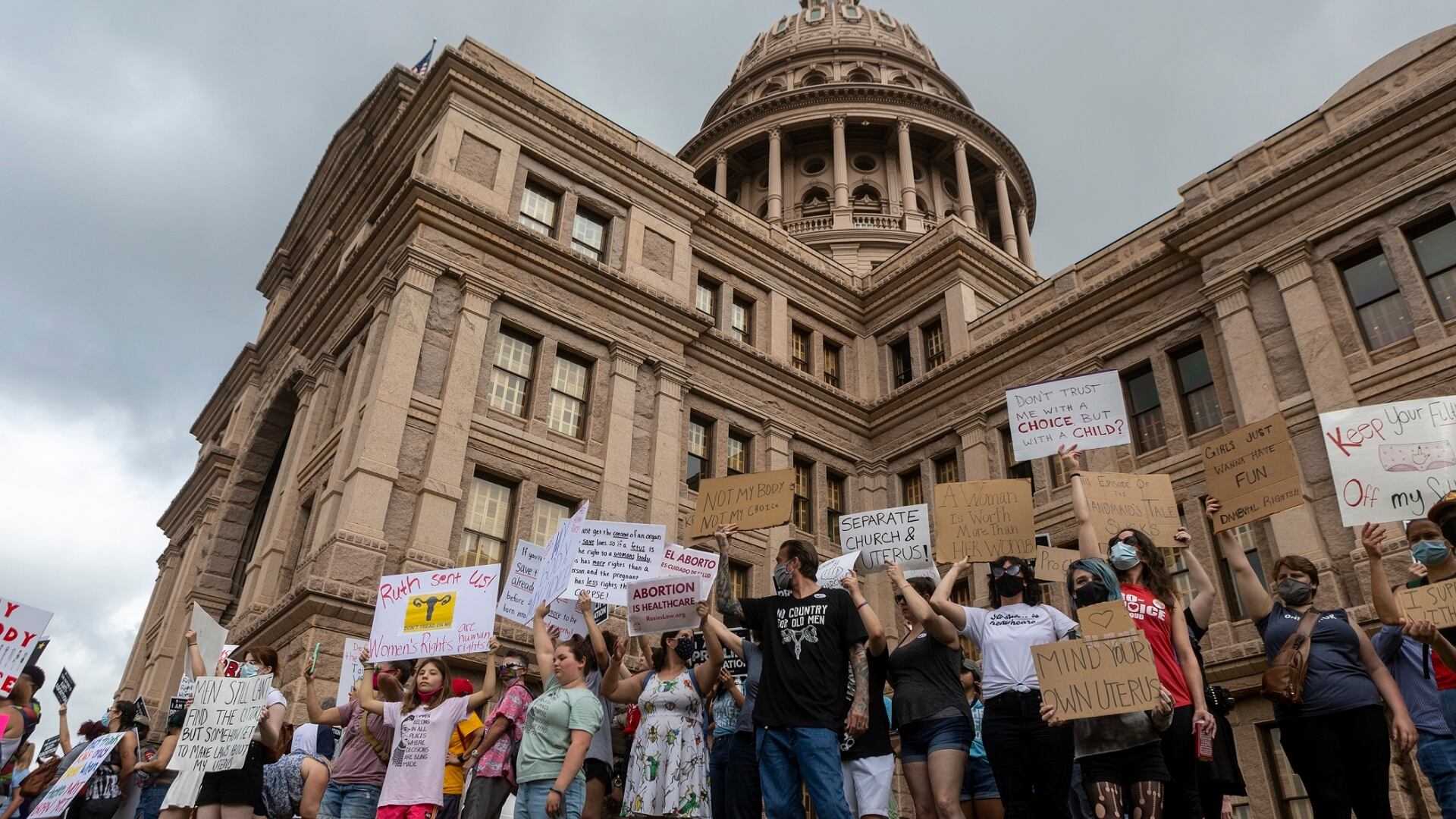
Women's March ATX rally, Saturday, Oct., 2, 2021, at the Texas State Capitol in Austin, Texas. An expected decision by the U.S. Supreme Court in the coming year to severely restrict abortion rights or overturn Roe v. Wade entirely is setting off a renewed round of abortion battles in state legislatures. (AP Photo/Stephen Spillman, File)
Inflation in the U.S. is only getting hotter. The 12-month inflation rate for December 2021 was the highest in nearly 40 years - continuing the trend seen at the close of 2021.
The Consumer Price Index increased 7% in the 12-month period ending in December, marking the fastest increase since 1982. Scott Wren, Senior Global Market Strategist at Wells Fargo Investment Institute, joined Cheddar's Movers for more.
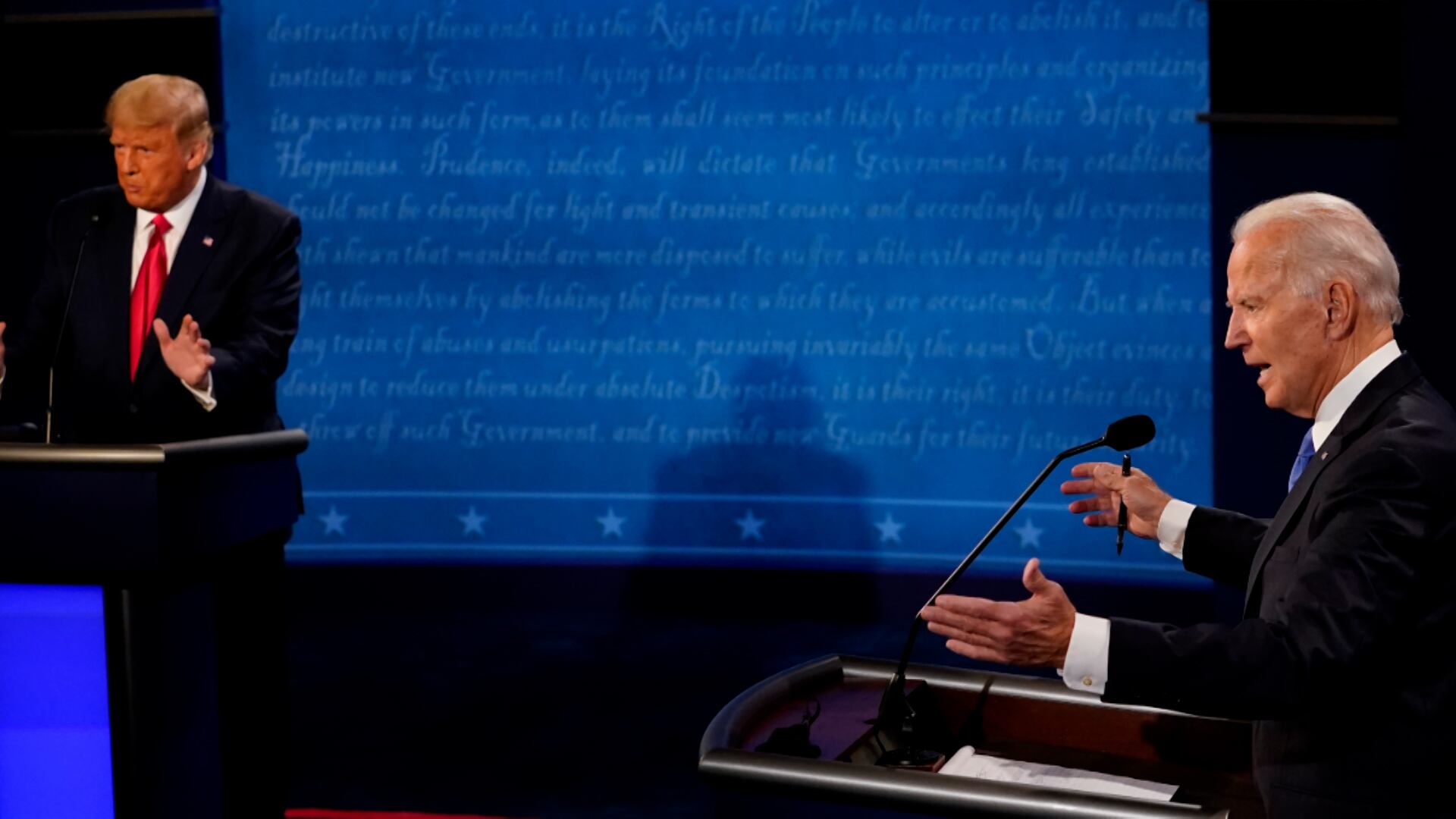
If President Biden runs for re-election in 2024, he may not have anyone to debate. The Republican National Committee sent a letter to the commission on presidential debates, saying the RNC will require candidates to pledge not to participate in those general election debates. Paris Dennard, RNC national spokesperson, joins Cheddar News to discuss.