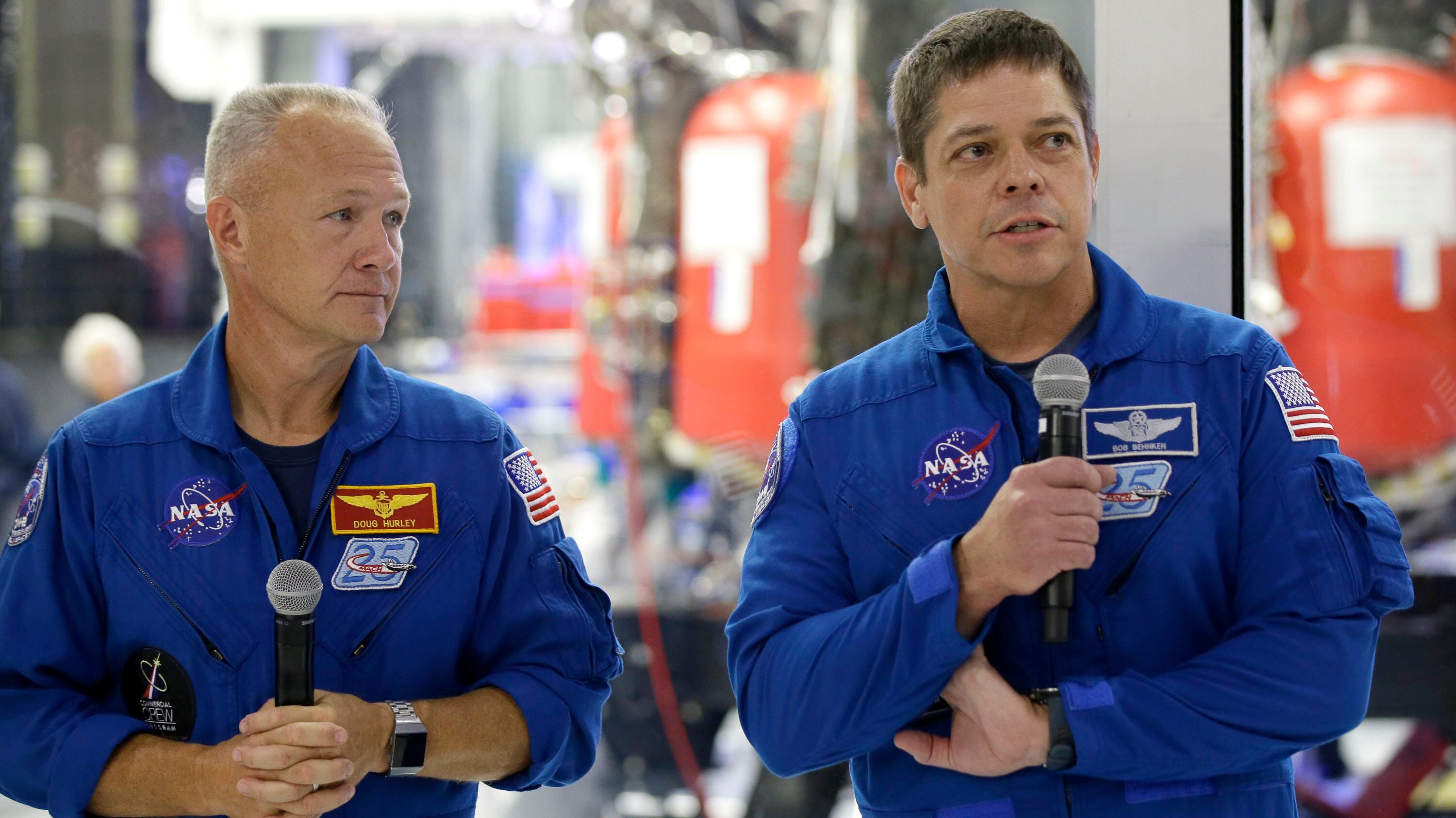
In this Thursday, Oct. 10, 2019 file photo, NASA astronauts Bob Behnken, right, and Doug Hurley talk to the media in front of the Crew Dragon spacecraft at SpaceX headquarters in Hawthorne, Calif. On Friday, April 17, 2020, NASA and SpaceX announced May 27 for resuming human launches from the U.S. after nearly a decade. Hurley and Behnken will blast off atop a SpaceX Falcon 9 rocket, departing from the same Kennedy Space Center launch pad used by Atlantis in July 2011. (AP Photo/Alex Gallardo)
By Marcia Dunn
NASA and SpaceX have picked May 27 for resuming astronaut launches from the U.S. after nine years of complete Russian dependence.
NASA Administrator Jim Bridenstine announced the launch date Friday. Astronauts haven’t launched into orbit from the U.S. since NASA’s last space shuttle flight in 2011. SpaceX aims to end the drought by sending two NASA astronauts to the International Space Station.
“On May 27, @NASA will once again launch American astronauts on American rockets from American soil!” Bridenstine tweeted.
Astronauts Doug Hurley and Bob Behnken will blast off atop a SpaceX Falcon 9 rocket, departing from the same Kennedy Space Center launch pad used by shuttle Atlantis in July 2011, as well as the Apollo moonshots a half-century ago. Hurley served as pilot on that last shuttle mission and will be the spacecraft commander for SpaceX's Dragon crew capsule.
Launch day will be a Wednesday, with a liftoff time of 4:32 p.m. EDT. It's too soon to know whether the coronavirus pandemic will prompt crowd restrictions.
Only three countries have launched people into orbit since 1961: Russia, the U.S. and China, in that order. SpaceX would be the first company.
SpaceX successfully conducted its first test flight of a Dragon crew capsule a year ago, sending the capsule — minus a crew — to the space station. The returned capsule was accidentally destroyed during ground testing at Cape Canaveral, further delaying the astronaut launch.
With the space station crew now down to three, Hurley and Behnken will spend weeks, perhaps months, helping to maintain the orbiting lab. The length of their mission is still under review, according to NASA.
NASA, meanwhile, is in the process of buying another seat on a Russian rocket. Russian Soyuz capsules have been the sole means of crew transportation to and from the space station since 2011.
SpaceX has been using Falcon 9 rockets to launch cargo to the space station in the company’s original Dragon capsules since 2012. NASA turned to private companies for deliveries once the shuttle program ended.
Boeing also is working to launch astronauts under NASA's commercial crew program, but the company's effort suffered a serious setback following last December's botched test flight. Launching without anyone on board, Boeing's Starliner capsule failed to reach the space station after ending up in the wrong orbit and came close to destruction twice because of software errors.
Boeing plans to repeat the test flight, again without astronauts, this fall.
___
The Associated Press Health and Science Department receives support from the Howard Hughes Medical Institute’s Department of Science Education. The AP is solely responsible for all content.
Alex Ward, National Security Reporter at Politico, joined Wake Up With Cheddar to discuss the latest in a looming international threat as Russia continues aggression against Ukraine, in defiance of Western nations.
The recent Virginia and New Jersey elections are making one trend line pretty clear: voters in this climate will vote on education, and it could be a winning tactic for Republicans.
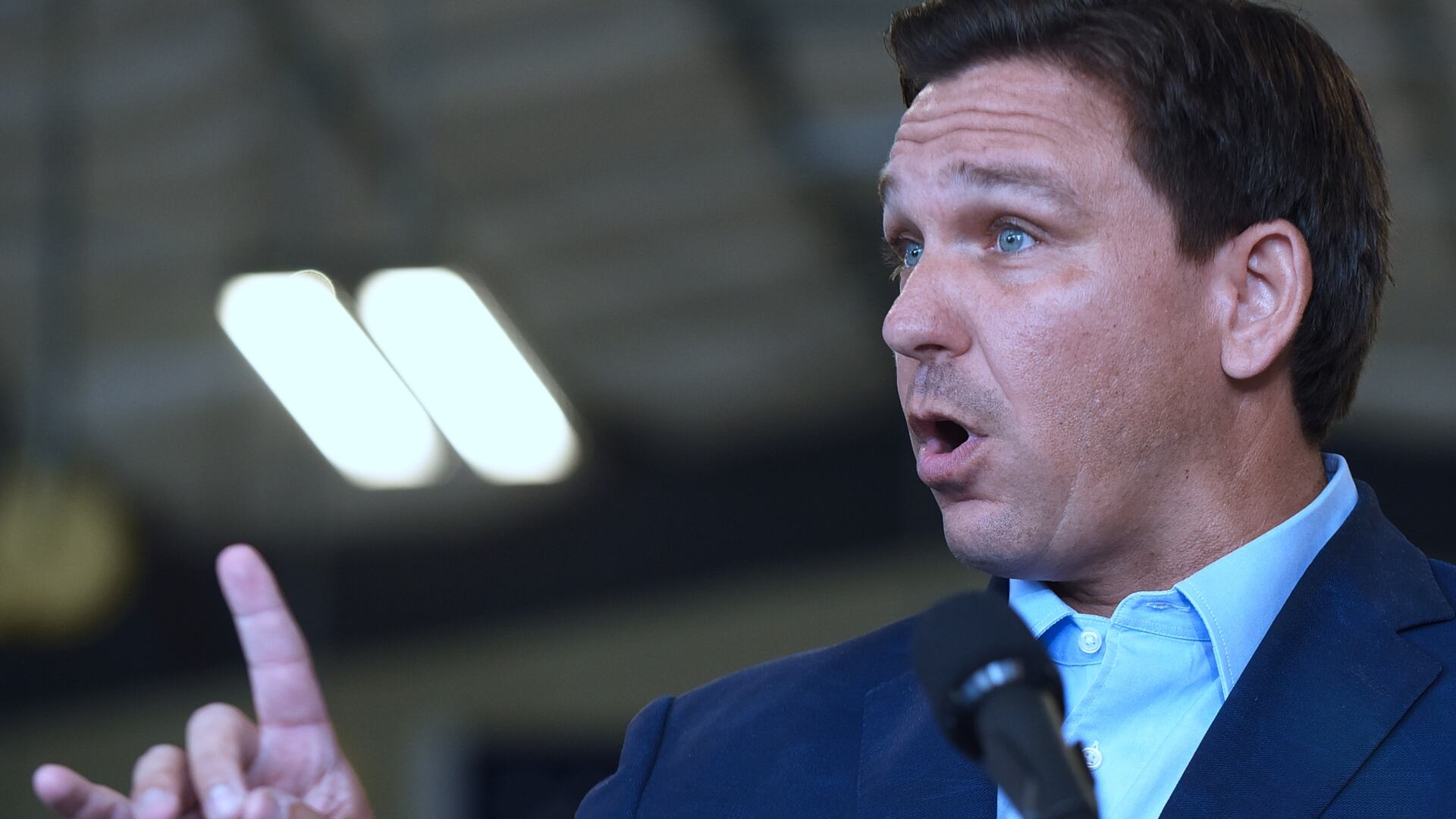
Virginia's race for governor was defined by, as the Republican candidate and eventual winner described it, "school-choice." Florida Governor Ron DeSantis is taking a page out of Governor Youngkin's playbook for his upcoming reelection bid, over-indexing on themes of education. John Kennedy, Florida capital reporter at Gannett, joins Cheddar News to discuss.
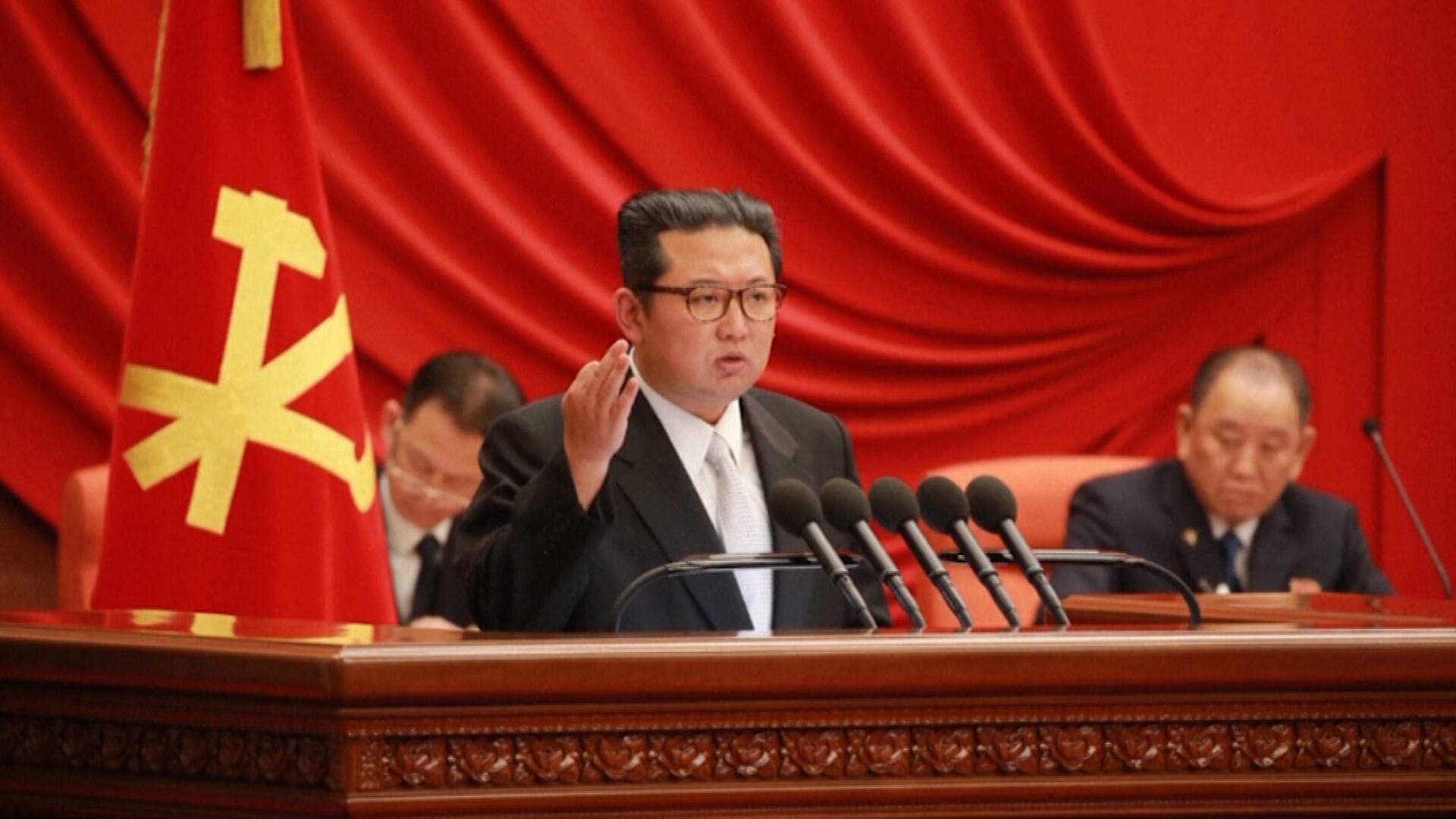
North Korea launched its sixth missile test this month, equaling the total number performed in all of 2021. Cheddar News speaks with Bruce Klinger of the Heritage Foundation on why the regime is suddenly ramping up its weapons testing program.
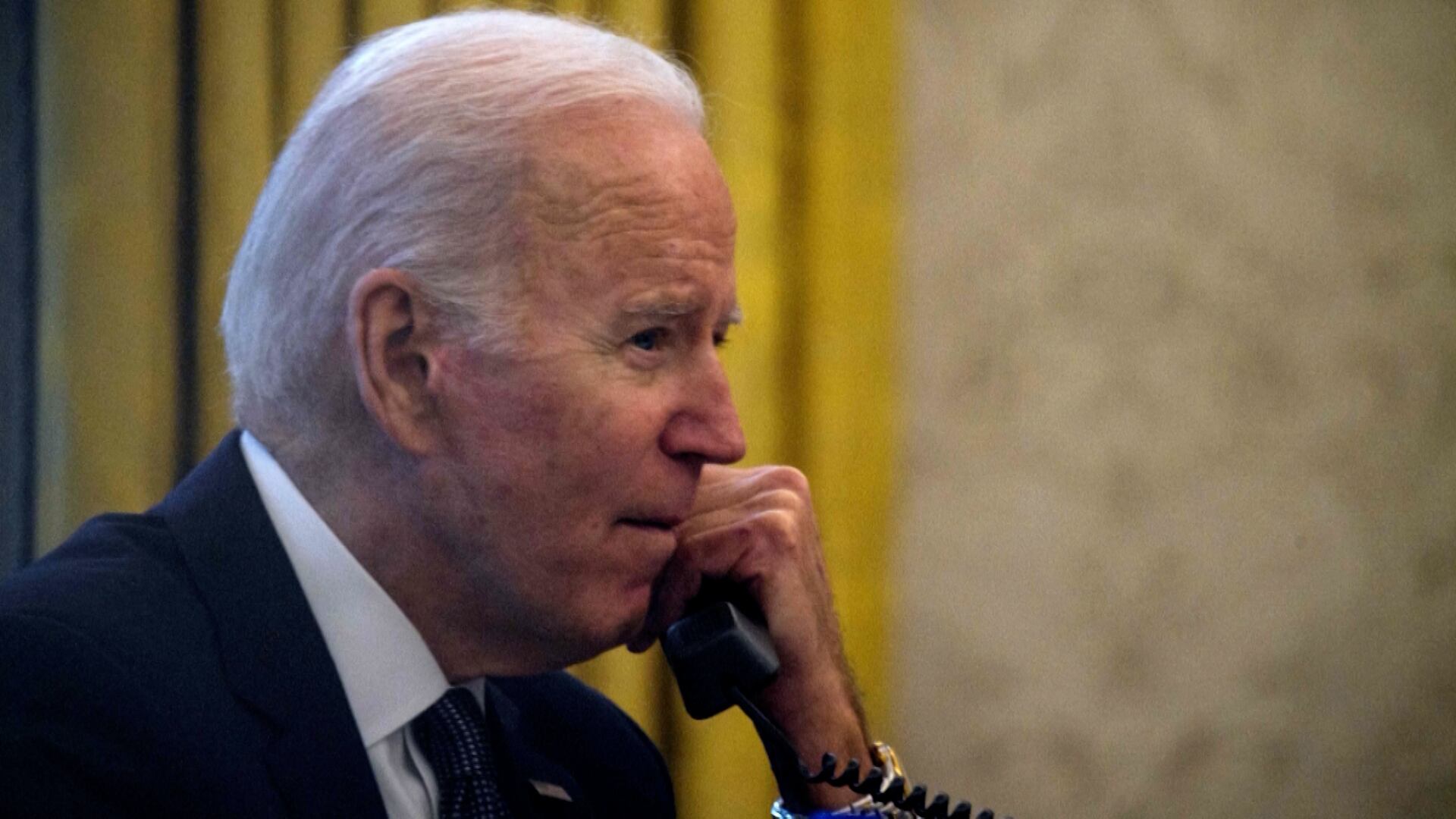
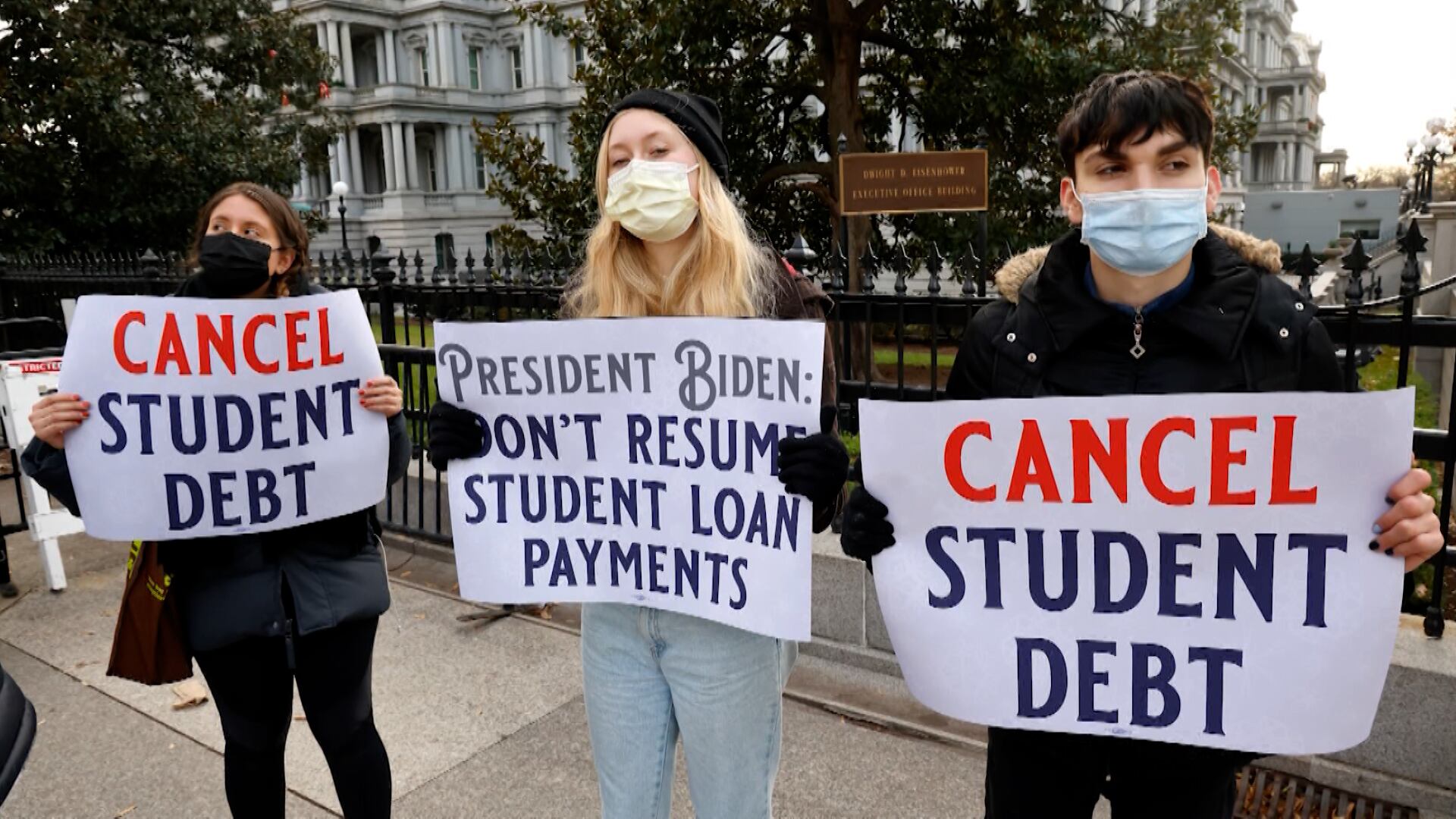
More than 80 lawmakers are calling for President Biden to release a memo outlining the legal pros and cons regarding the president's authority to cancel student loan debt, the total of which sits around $1.75 trillion. Senator Tina Smith (D-Minn.), joined Cheddar to discuss the memo and support the push to forgive student debt that could potentially have a massive positive impact on the U.S. economy. "I think that would be really helpful for all of us to be able to see as we figure out how we can go forward," she said. "It seems like a simple thing to do, and I hope that the administration will release this memo." For her part, Sen. Smith said she believes the president does have the authority to abolish student loan debt.
Dr. Celeste González de Bustamante, professor and director of the Center for Border and Global Journalism at the Univerity of Arizona, and Dr. Jeannine E. Relly, professor and director of Global Initiatives at the Center for Border and Global Journalism at the University of Arizona, join Cheddar News to discuss the recent journalist killings in Mexico.
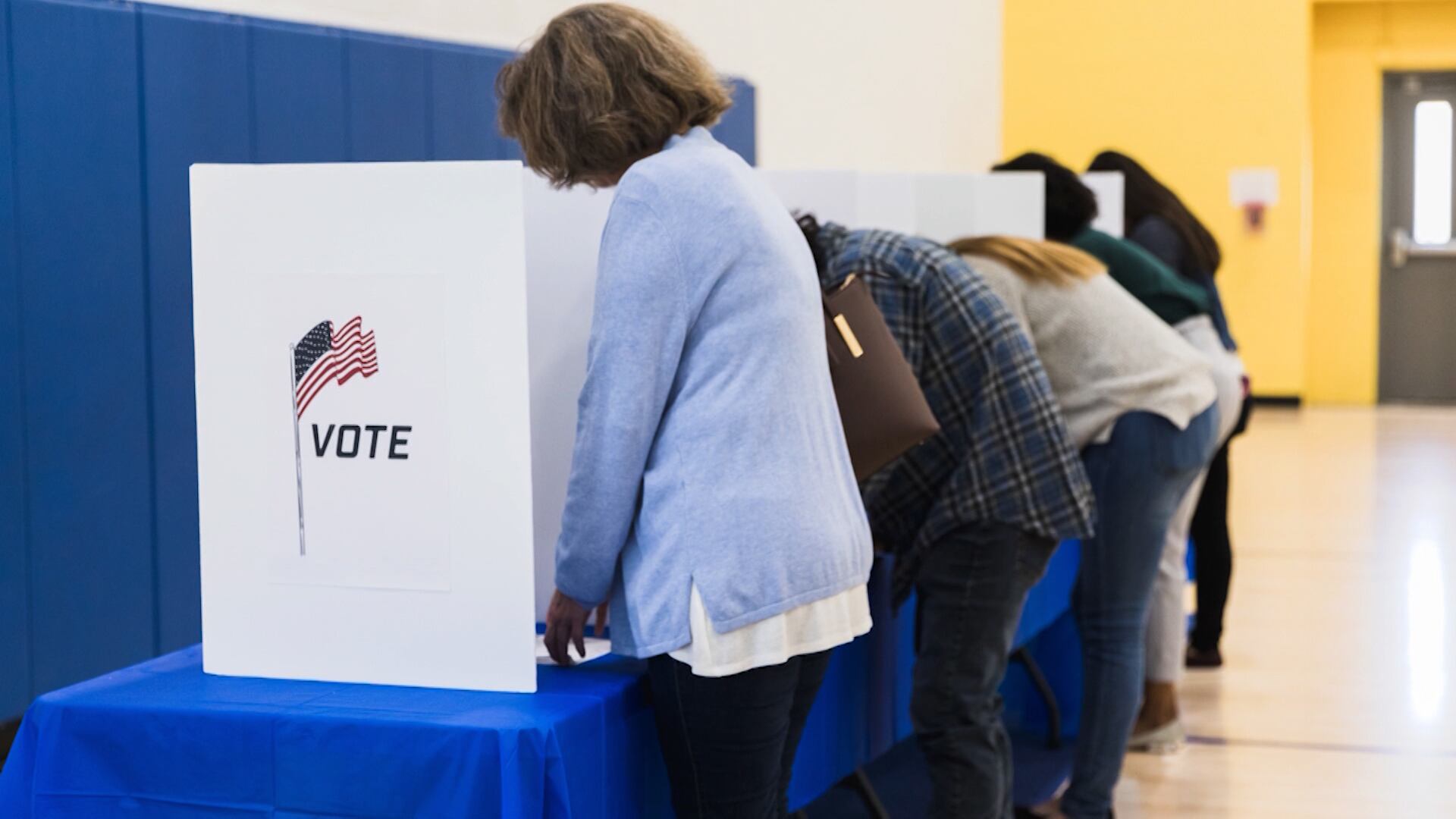
Joe Kennedy III, a former congressman and co-founder of Give Us the Ballot, joined Cheddar News to discuss voting protections in the United States and how his campaign is aiming to fix the issue of voter suppression. "Yes, redistricting is critical — Give Us the Ballot though recognizes it's 'redistricting, and —', because voting rights has an implication for every single election at every single level: school board, mayor, city council, House of Representatives, Senate, president," he said. Kennedy also gave his thoughts about the retirement of Justice Stephen Breyer.