By Marcia Dunn
NASA is returning to sizzling Venus, our closest yet perhaps most overlooked neighbor, after decades of exploring other worlds.
The space agency's new administrator, Bill Nelson, announced two new robotic missions to the solar system's hottest planet, during his first major address to employees Wednesday.
“These two sister missions both aim to understand how Venus became an inferno-like world capable of melting lead at the surface," Nelson said.
One mission named DaVinci Plus will analyze the thick, cloudy Venusian atmosphere in an attempt to determine whether the inferno planet ever had an ocean and was possibly habitable. A small craft will plunge through the atmosphere to measure the gases.
It will be the first U.S.-led mission to the Venusian atmosphere since 1978.
The other mission, called Veritas, will seek a geologic history by mapping the rocky planet’s surface.
“It is astounding how little we know about Venus," but the new missions will give fresh views of the planet's atmosphere, made up mostly of carbon dioxide, down to the core, NASA scientist Tom Wagner said in a statement. “It will be as if we have rediscovered the planet.”
NASA’s top science official, Thomas Zurbuchen, calls it “a new decade of Venus.” Each mission — launching sometime around 2028 to 2030 — will receive $500 million for development under NASA’s Discovery program.
The missions beat out two other proposed projects, to Jupiter's moon Io and Neptune's icy moon Triton.
The U.S. and the former Soviet Union sent multiple spacecraft to Venus in the early days of space exploration. NASA's Mariner 2 performed the first successful flyby in 1962, and the Soviets' Venera 7 made the first successful landing in 1970.
In 1989, NASA used a space shuttle to send its Magellan spacecraft into orbit around Venus.
The European Space Agency put a spacecraft around Venus in 2006.
___
The Associated Press Health and Science Department receives support from the Howard Hughes Medical Institute’s Department of Science Education. The AP is solely responsible for all content.
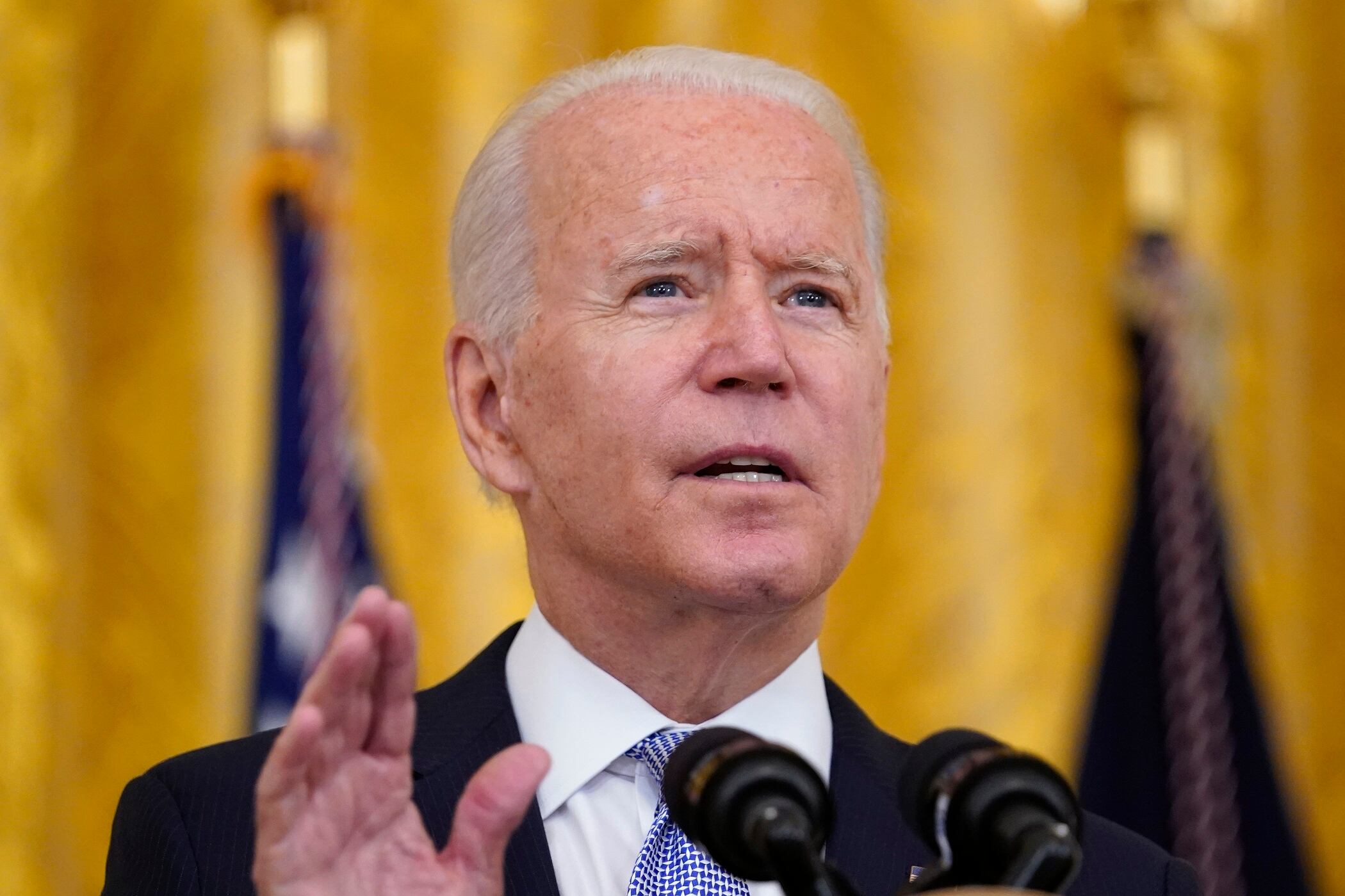
The Biden administration has announced sweeping new pandemic rules for federal workers and some contractors.
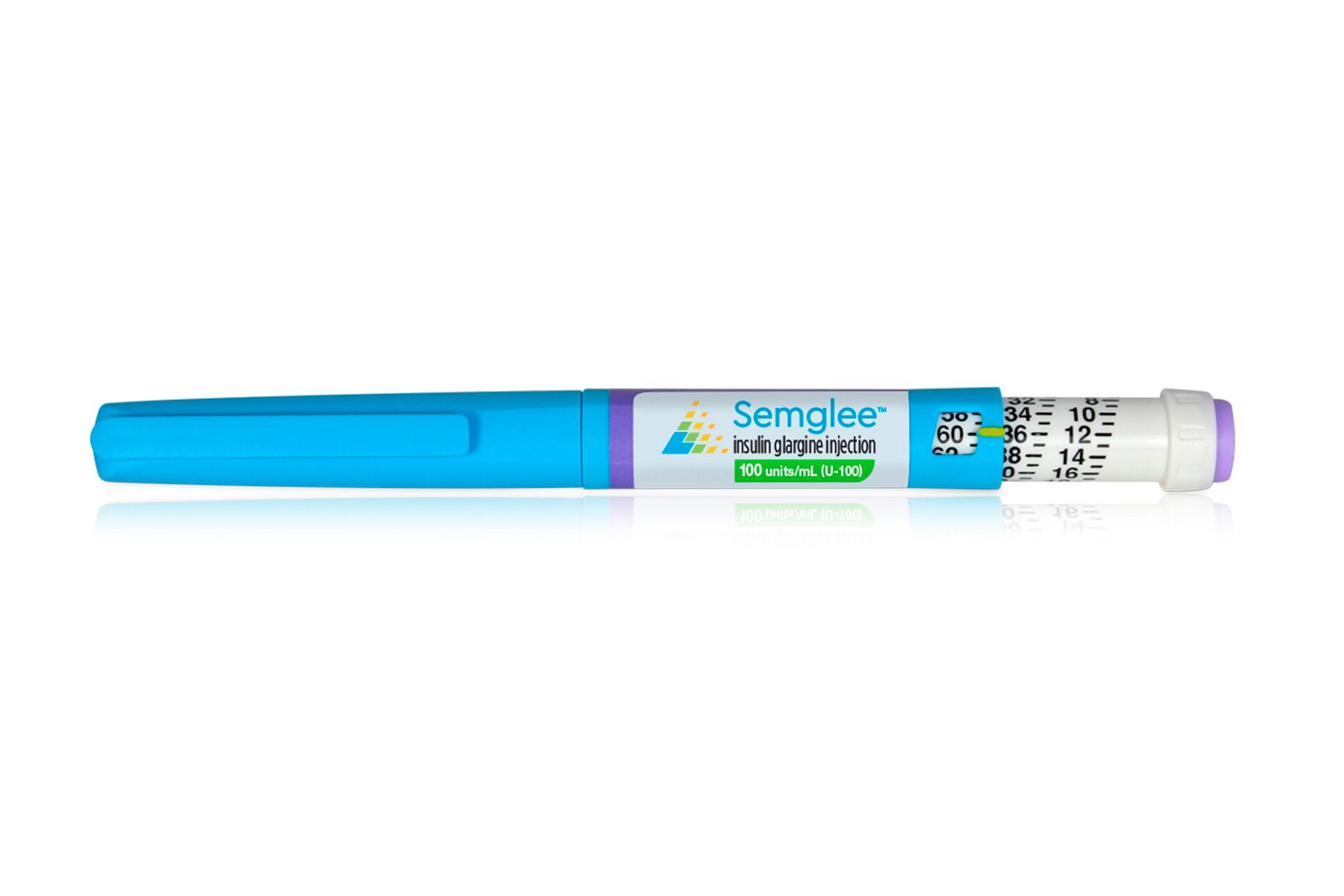
U.S. regulators have taken action that will make it easier to get a cheaper and similar version of a brand-name insulin at the drugstore.
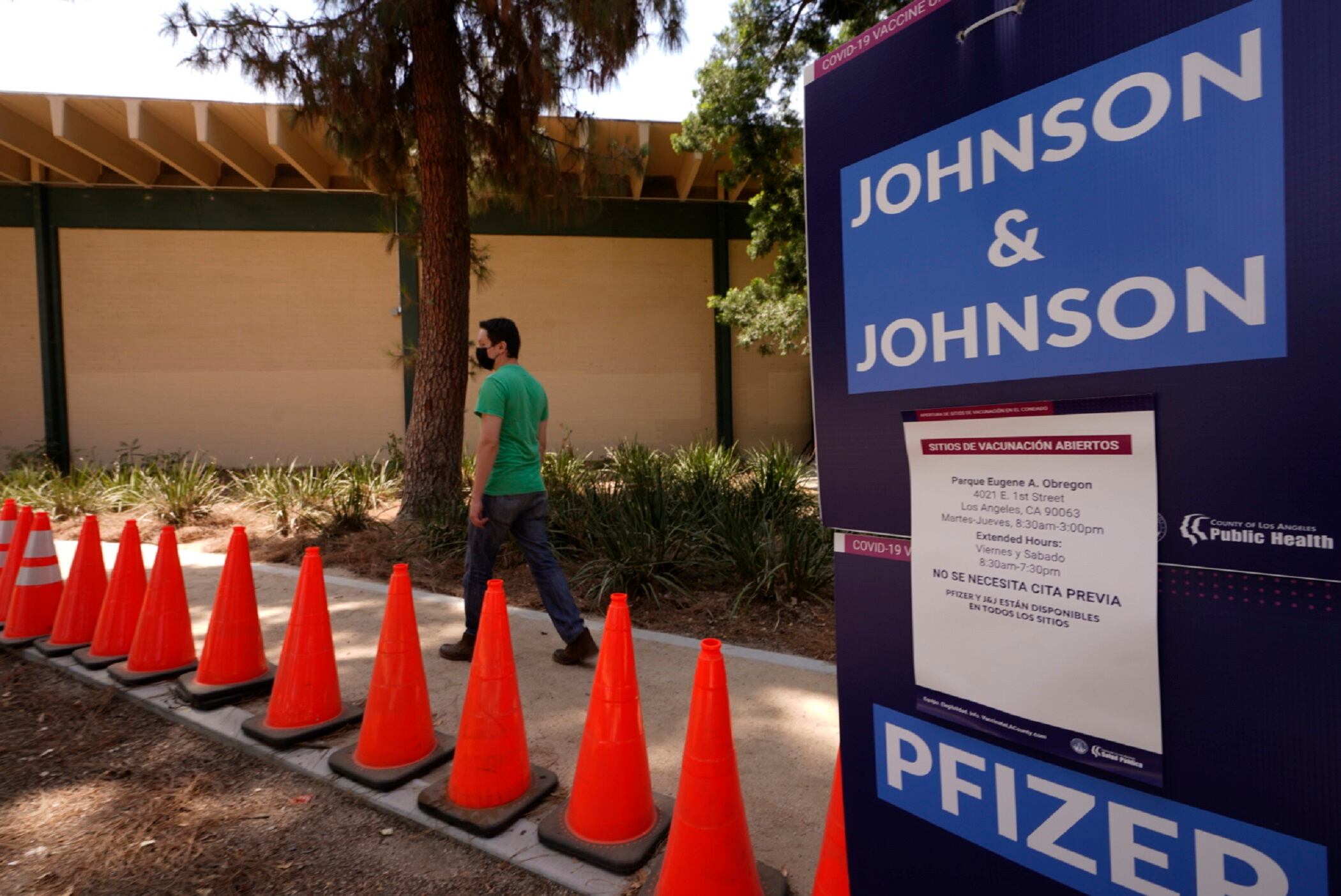
The Centers for Disease Control and Prevention is reversing course on some masking guidelines. The agency announced new recommendations Tuesday that even vaccinated people should return to wearing masks indoors in parts of the U.S.
Vaccine Mandates, Osaka Out & LeVar Burton Takes Jeopardy!
New York City will require all municipal workers to get coronavirus vaccines by mid-September or face weekly COVID-19 testing.
Team USA's Uneven Start, Optimism Plummets & 'Old' Stuns Box Office
The flame at Tokyo’s National Stadium and another cauldron burning along the waterfront near Tokyo Bay throughout the games will be sustained in part by hydrogen, the first time the clean fuel source will be used to power an Olympic fire.
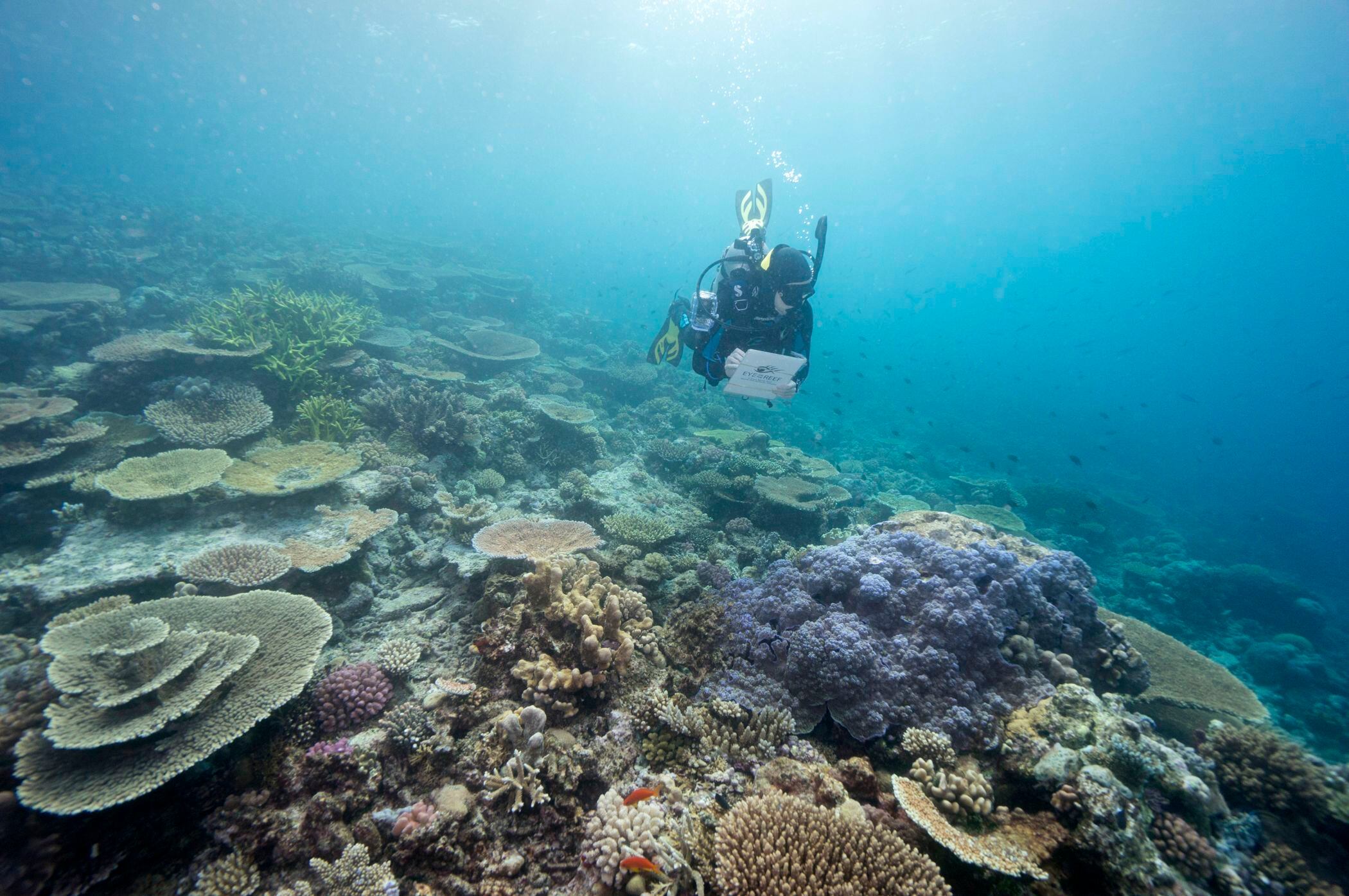
Australia has garnered enough international support to defer for two years an attempt by the United Nations’ cultural organization to downgrade the Great Barrier Reef’s World Heritage status because of damage caused by climate change.
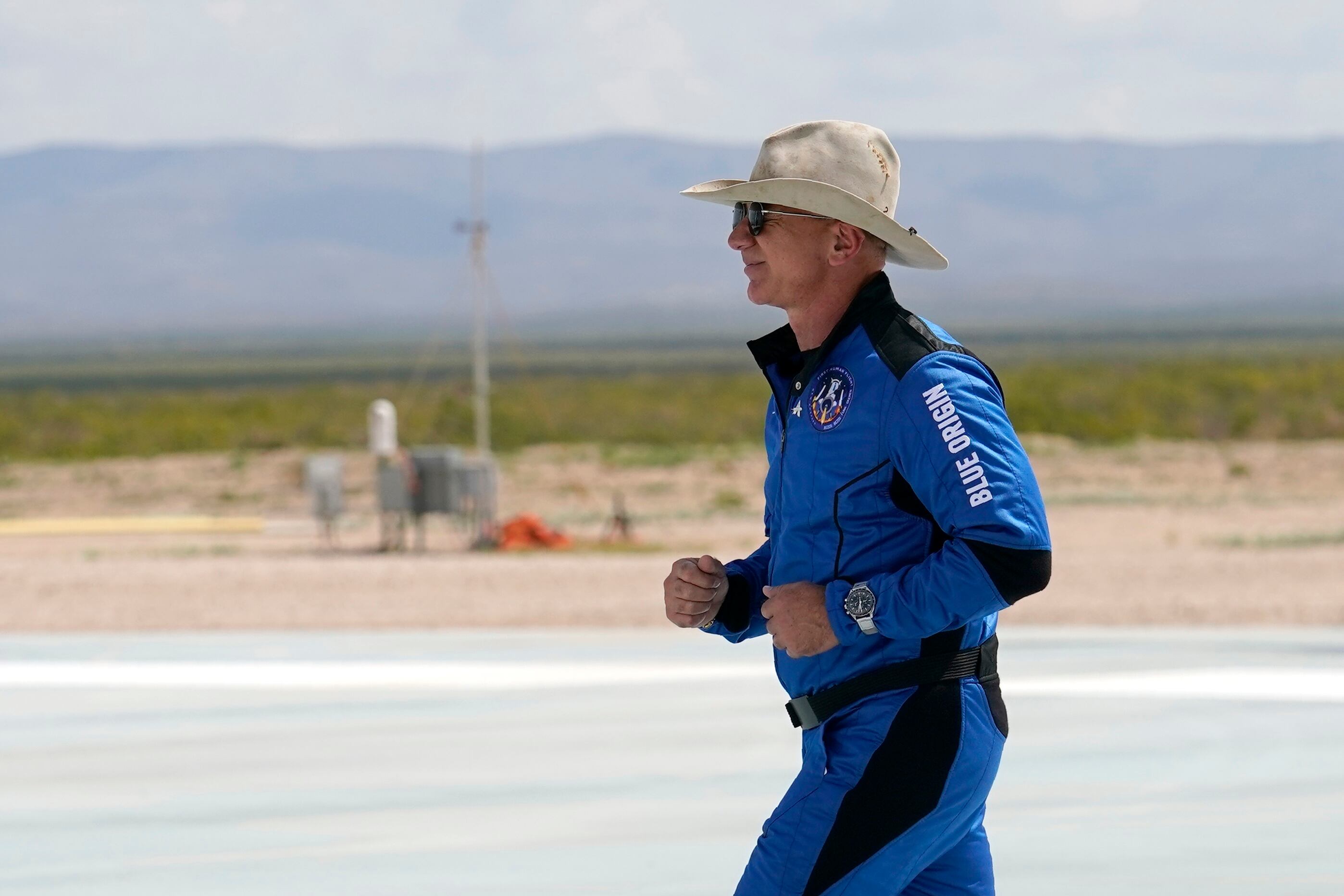
Amazon founder Jeff Bezos, along with three civilians, launched into space aboard a rocket and capsule developed by his private spaceflight company, Blue Origin. The highly-anticipated, historic flight lasted for about 11 minutes. This comes after Sir Richard Branson flight with Virgin Galatic nine days ago. Senior national correspondent from POLITICO Bryan Bender joined Cheddar News to discuss what the launch means for the future of space tourism.
The Canada goose isn't native to Long Island, New York but now flocks of them are permanent residents. While most are migratory, some have made their homes in the area especially as more wild areas turn into green spaces for parks, housing developments, and businesses. Long Island Geese Control has found a solution to get rid of the birds without using chemicals or harming them: They send in specially trained border collies to chase them away. President and CEO Bill Alemaghides joined Cheddar News to tell us more.