This image made available by NASA shows the planet Venus made with data from the Magellan spacecraft and Pioneer Venus Orbiter. On Wednesday, June 2, 2021, NASA’s new administrator, Bill Nelson, announced two new robotic missions to the solar system's hottest planet, during his first major address to employees. (NASA/JPL-Caltech via AP)
By Marcia Dunn
NASA is returning to sizzling Venus, our closest yet perhaps most overlooked neighbor, after decades of exploring other worlds.
The space agency's new administrator, Bill Nelson, announced two new robotic missions to the solar system's hottest planet, during his first major address to employees Wednesday.
“These two sister missions both aim to understand how Venus became an inferno-like world capable of melting lead at the surface," Nelson said.
One mission named DaVinci Plus will analyze the thick, cloudy Venusian atmosphere in an attempt to determine whether the inferno planet ever had an ocean and was possibly habitable. A small craft will plunge through the atmosphere to measure the gases.
It will be the first U.S.-led mission to the Venusian atmosphere since 1978.
The other mission, called Veritas, will seek a geologic history by mapping the rocky planet’s surface.
“It is astounding how little we know about Venus," but the new missions will give fresh views of the planet's atmosphere, made up mostly of carbon dioxide, down to the core, NASA scientist Tom Wagner said in a statement. “It will be as if we have rediscovered the planet.”
NASA’s top science official, Thomas Zurbuchen, calls it “a new decade of Venus.” Each mission — launching sometime around 2028 to 2030 — will receive $500 million for development under NASA’s Discovery program.
The missions beat out two other proposed projects, to Jupiter's moon Io and Neptune's icy moon Triton.
The U.S. and the former Soviet Union sent multiple spacecraft to Venus in the early days of space exploration. NASA's Mariner 2 performed the first successful flyby in 1962, and the Soviets' Venera 7 made the first successful landing in 1970.
In 1989, NASA used a space shuttle to send its Magellan spacecraft into orbit around Venus.
The European Space Agency put a spacecraft around Venus in 2006.
___
The Associated Press Health and Science Department receives support from the Howard Hughes Medical Institute’s Department of Science Education. The AP is solely responsible for all content.
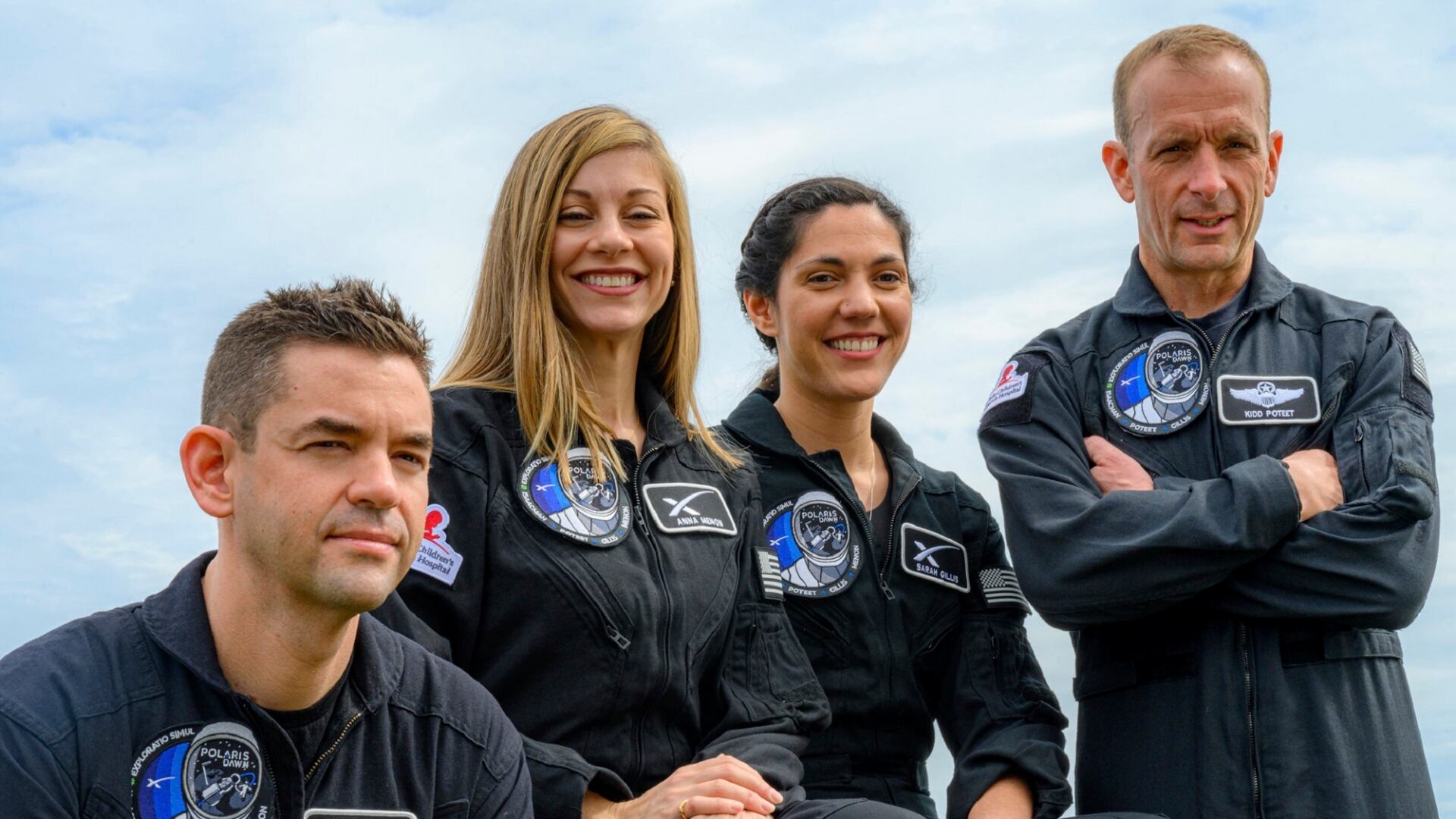
Space travel is growing rapidly, and one billionaire businessman has purchased three SpaceX flights in order to push the industry forward. The Polaris Dawn, the first of three flights, will launch later this year, and its crew will conduct the first commercial spacewalk after they've reached the highest orbit in over 50 years. Jared Isaacman, Polaris Program Mission Commander and Founder & CEO of Shift4, joins Closing Bell to discuss the Polaris program's mission, when the first launch will happen and what it will entail, balancing his business with space exploration efforts, charitable efforts with St. Jude Children's Research Hospital, and more.
The most recent quarterly report from American Clean Power reveals the U.S. surpassed more than 200 gigawatts of total operating utility-scale clean power capacity in 2021. While it is a great milestone, significant policy issues have continued to slow growth for the industry and threaten our country's ability to meet emissions goals. John Hensley, VP for Research and Analytics at American Clean Power, joined Cheddar News to discuss more.
Cann, a cannabis-infused beverage company, announced today a $27 million Series A funding round from existing investors like Imaginary Ventures and a roster of new celebrity investors including Nina Dobrev, Adam Devine, Zoey Deutch, Jordan Cooper, Sara Foster, and Rosario Dawson. Cann is also announcing its first international expansion with the brand's launch in Canada. Jake Bullock, co-founder and CEO of Cann, joins Cheddar News' Closing Bell to discuss.
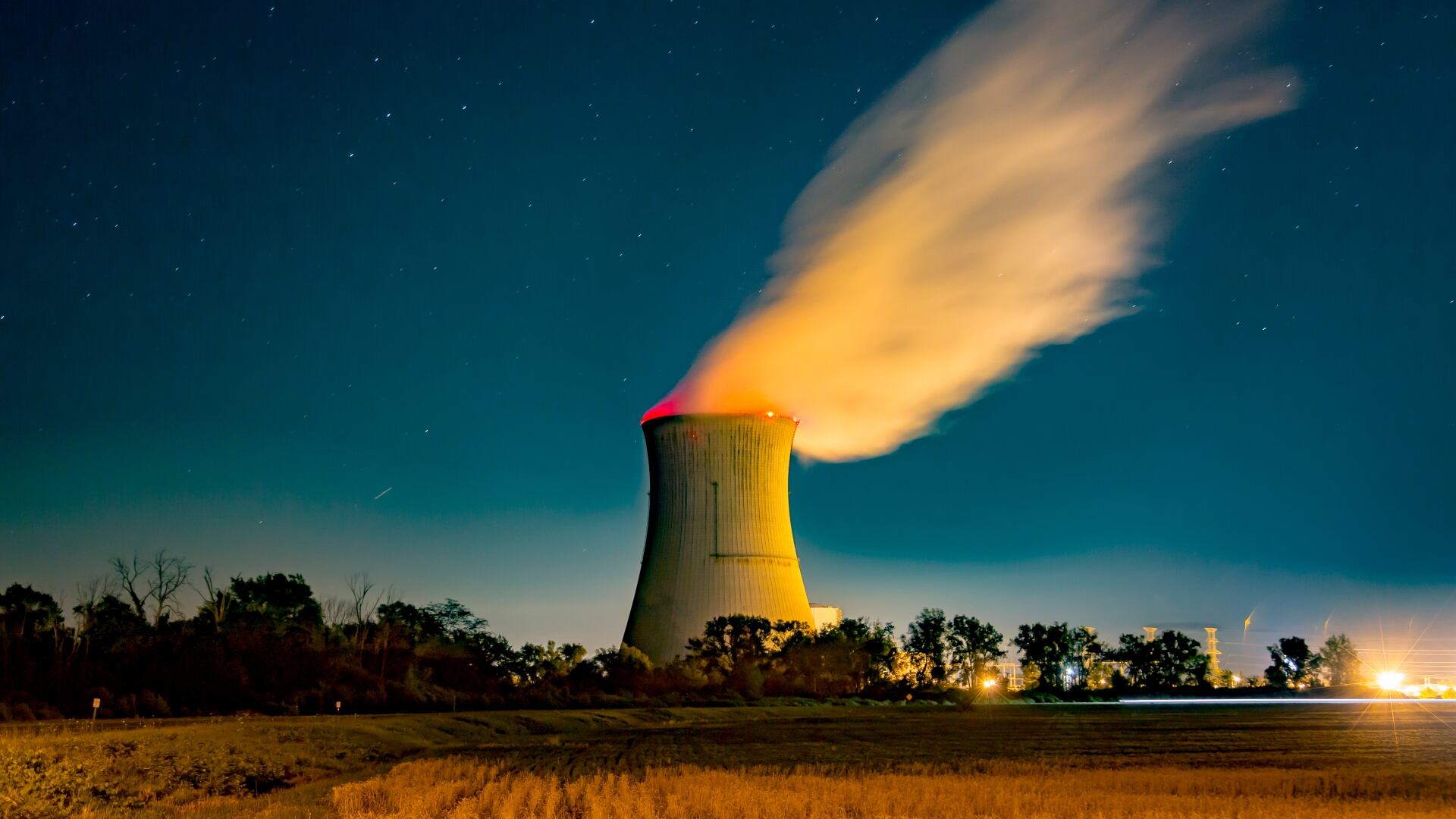
By 2050, nuclear power share of total energy consumption will dip to just 3.7% down from the already measly 4.5% it is today, according to the U. S. Energy Information Administration. However, a group of world powers including the U.S. and Japan is looking to reverse the trend. John Kotek, SVP of Policy Development and Public Affairs at the Nuclear Energy Institute, joined Cheddar News to discuss.
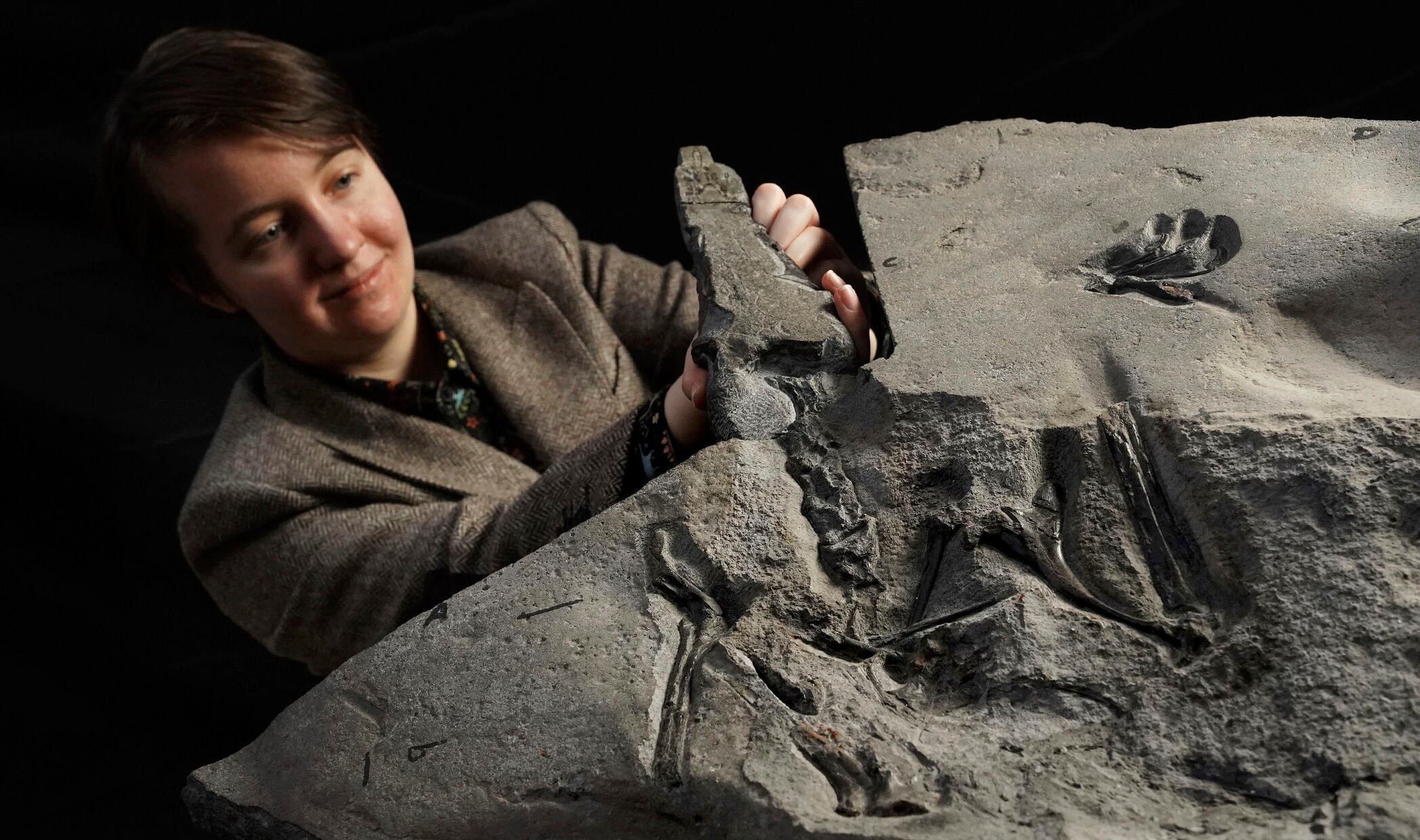
Scientists say the fossil of a 170-million-year-old pterosaur, billed as the world’s best-preserved skeleton of the prehistoric winged reptile, has been found on the Isle of Skye in Scotland.
Equip is a virtual treatment platform for eating disorders, and recently raised $58 million in a Series B round led by The Chernin Group. The company aims to revolutionize treatment for eating disorders by delivering virtual care teams and clinical expertise directly to families' homes. Equip says the need for its platform has only been exacerbated by the COVID-19 pandemic. The National Eating Disorder Association's helpline has had a 107% increase in contacts since the start of the pandemic. Kristina Saffran, CEO and co-founder of Equip, joins Cheddar News' Closing Bell to discuss.
Tonga's main internet connection to the rest of the world has finally been restored more than five weeks after a huge volcanic eruption and tsunami severed a crucial undersea cable.
Hank the Tank strikes again. The 500-pound black bear that has damaged more than 30 properties around Lake Tahoe last week broke into yet another home in its endless quest for a quick meal.