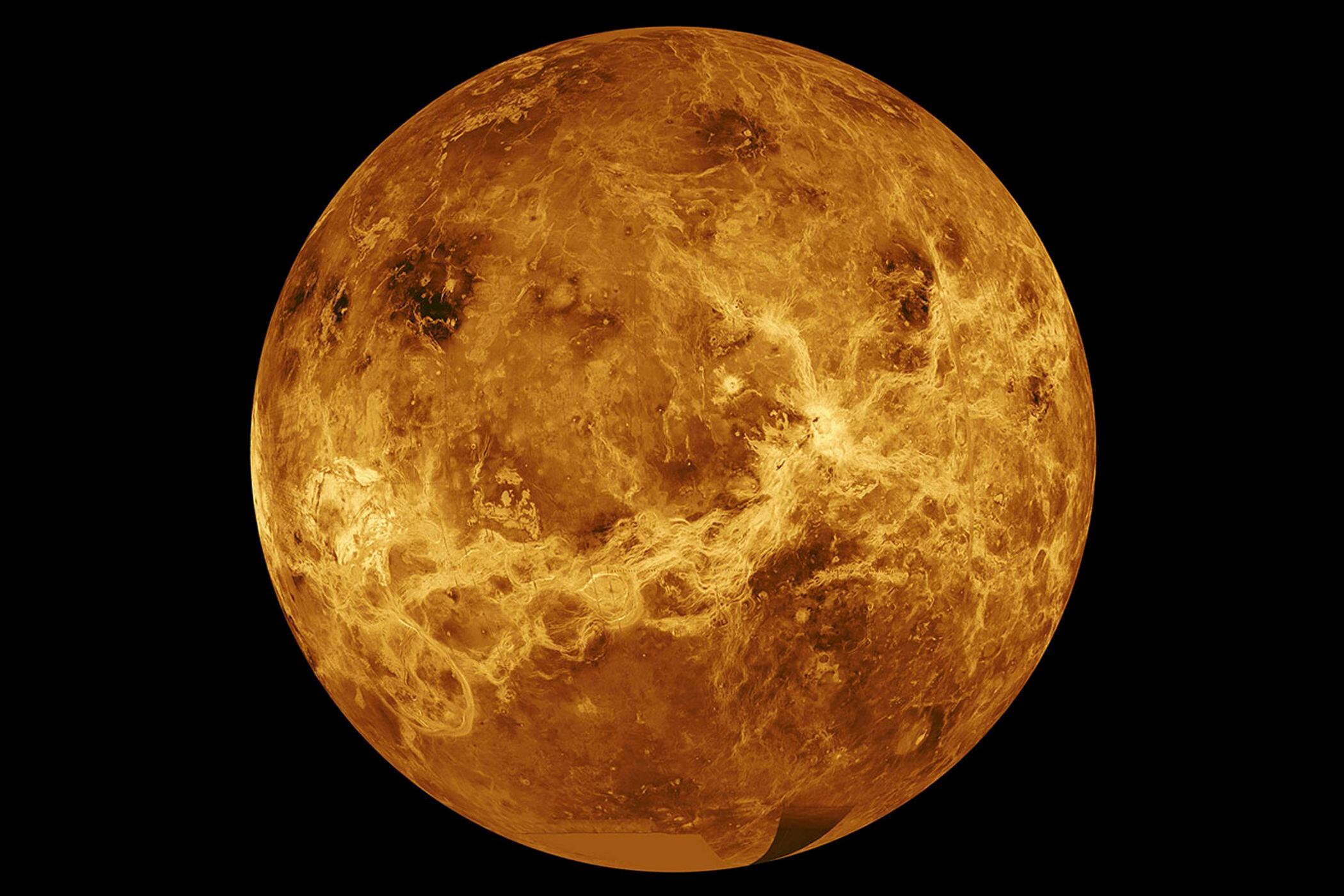
This image made available by NASA shows the planet Venus made with data from the Magellan spacecraft and Pioneer Venus Orbiter. On Wednesday, June 2, 2021, NASA’s new administrator, Bill Nelson, announced two new robotic missions to the solar system's hottest planet, during his first major address to employees. (NASA/JPL-Caltech via AP)
By Marcia Dunn
NASA is returning to sizzling Venus, our closest yet perhaps most overlooked neighbor, after decades of exploring other worlds.
The space agency's new administrator, Bill Nelson, announced two new robotic missions to the solar system's hottest planet, during his first major address to employees Wednesday.
“These two sister missions both aim to understand how Venus became an inferno-like world capable of melting lead at the surface," Nelson said.
One mission named DaVinci Plus will analyze the thick, cloudy Venusian atmosphere in an attempt to determine whether the inferno planet ever had an ocean and was possibly habitable. A small craft will plunge through the atmosphere to measure the gases.
It will be the first U.S.-led mission to the Venusian atmosphere since 1978.
The other mission, called Veritas, will seek a geologic history by mapping the rocky planet’s surface.
“It is astounding how little we know about Venus," but the new missions will give fresh views of the planet's atmosphere, made up mostly of carbon dioxide, down to the core, NASA scientist Tom Wagner said in a statement. “It will be as if we have rediscovered the planet.”
NASA’s top science official, Thomas Zurbuchen, calls it “a new decade of Venus.” Each mission — launching sometime around 2028 to 2030 — will receive $500 million for development under NASA’s Discovery program.
The missions beat out two other proposed projects, to Jupiter's moon Io and Neptune's icy moon Triton.
The U.S. and the former Soviet Union sent multiple spacecraft to Venus in the early days of space exploration. NASA's Mariner 2 performed the first successful flyby in 1962, and the Soviets' Venera 7 made the first successful landing in 1970.
In 1989, NASA used a space shuttle to send its Magellan spacecraft into orbit around Venus.
The European Space Agency put a spacecraft around Venus in 2006.
___
The Associated Press Health and Science Department receives support from the Howard Hughes Medical Institute’s Department of Science Education. The AP is solely responsible for all content.
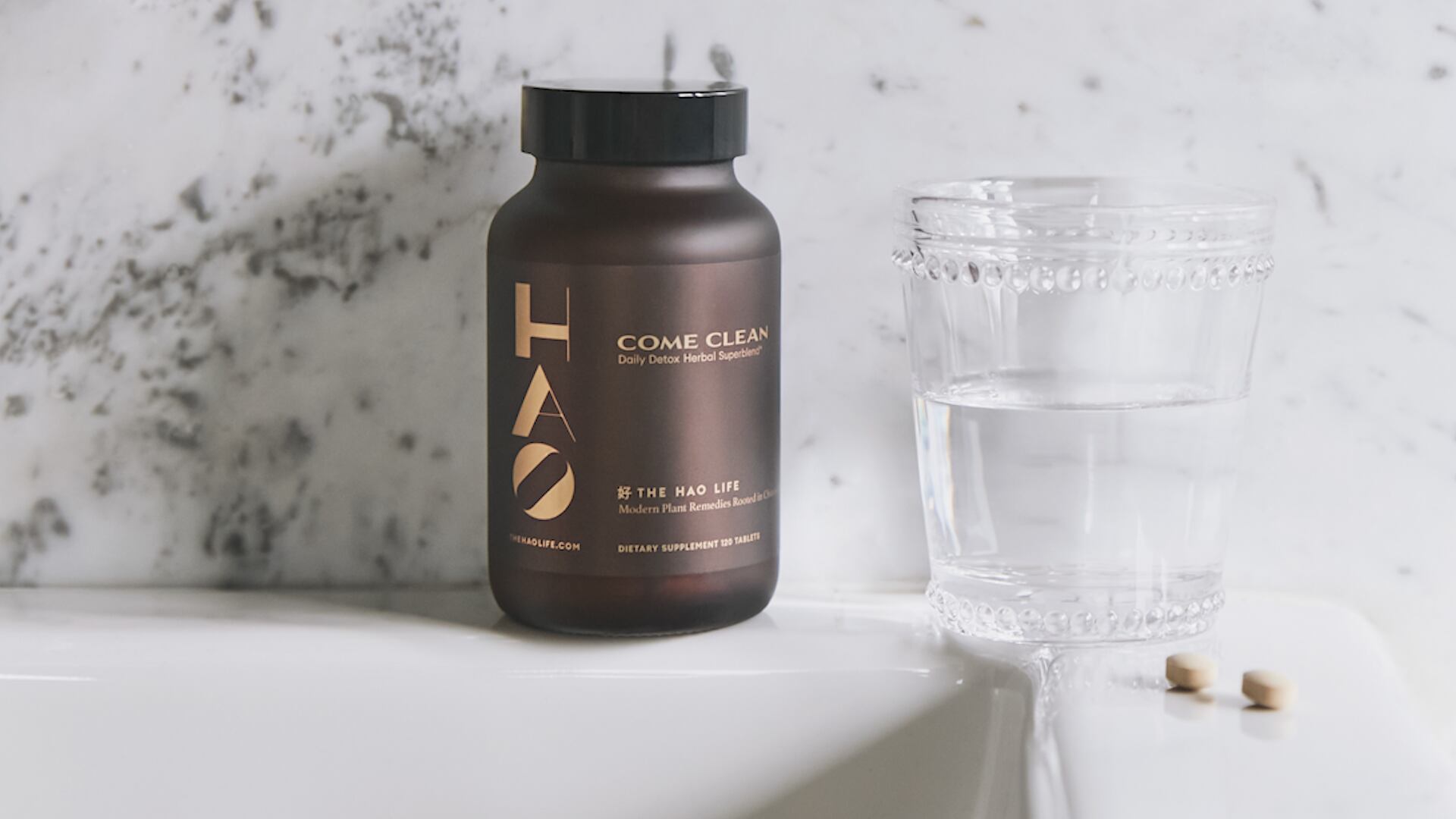
William Li and Danielle Chang, co-founders of The Hao Life, join Cheddar Innovates to discuss how they're shaking up the $71 billion supplement industry by putting a modern spin on traditional natural Chinese remedies.
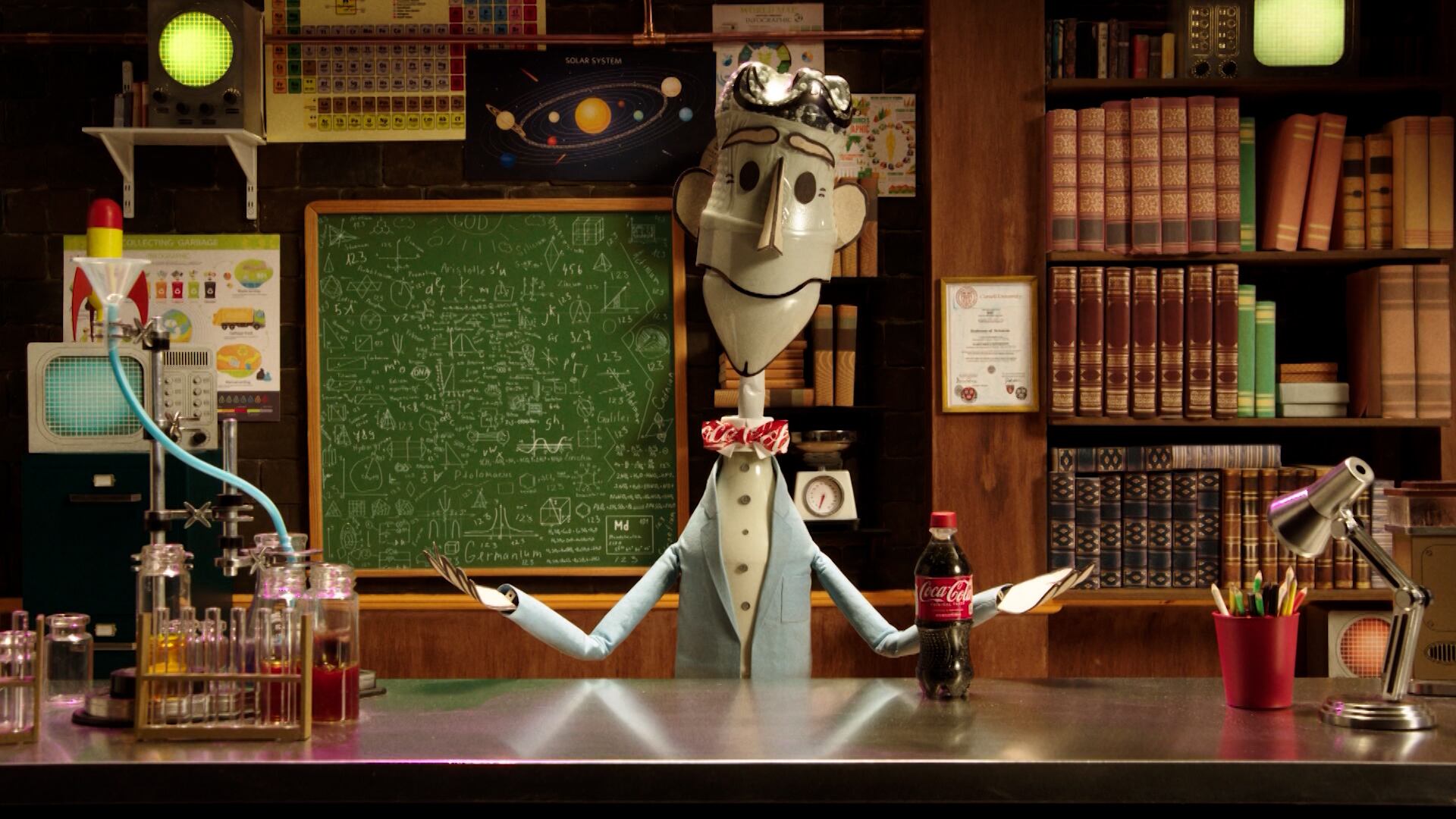
The Coca-Cola Company is teaming up with science education personality Bill Nye as part of its World Without Waste Initiative to describe the bottle-to-bottle plastic recycling process through a vividly animated, stop-motion short film. Christine Yeager, director of sustainability at The Coca-Cola Company, North America, joined Cheddar News to talk about their initiative and the partnership. "We really wanted to partner with someone who can help us make recycling relatable, but also has a very um respected voice in the climate change space," she said.
Catching you up on what you need to know on Apr 14, 2022, with the U.S. sending $800M to Ukraine, updates on the subway shooting in Brooklyn, Gov. Abbott putting a pause on his southern border truck inspections, migrants being bused from Texas to Washington, DC, the travel mask mandate extending until May 3, and more.
Energy costs continue to rise, our electrical grid is outdated, and the focus on renewable energy is more important than ever. One company says it has an answer: pods that store solar energy for long-term, 24-hour usage that can also function as mini power grids and charge electric vehicles. Azelio's TES.PODs store solar energy during the day, and hold it for use around the clock, providing a solution for charging electric vehicles, powering rural areas, and much more. Jonas Wallmander, CEO of Azelio, joins Closing Bell to discuss the company's solar energy storage technology, how it can be used to power communities and build out electric vehicle charging infrastructure, and more.
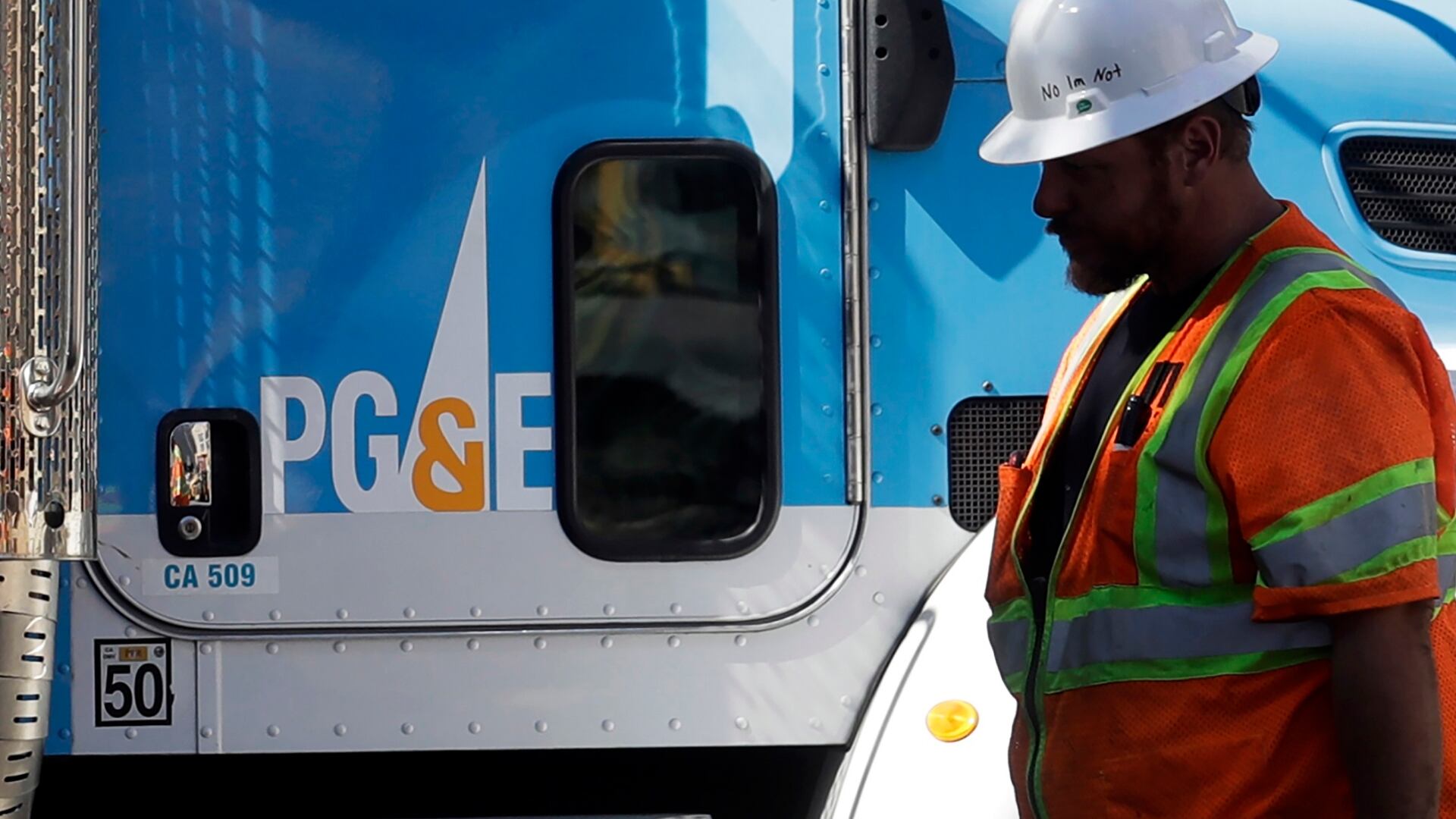
Catching you up with what you need to know on Apr 12, 2022, with Russia concentrating forces in eastern Ukraine, rising inflation, severe weather from Minnesota to the Gulf Coast, Philadelphia brings back its indoor mask mandate, PG&E pays $55 million for wildfire settlement, and more
Catching you up on what you need to know on April 11, 2022, with updates on the Russia-Ukraine War, France’s presidential election, the record deforestation of the Amazon Rainforest, retail giant Amazon's objection to the Staten Island union vote, the worsening baby formula shortage, a lawsuit against Rutgers Law School, and a stomach illness possibly linked to Lucky Charms cereal.
SpaceX launched its first all commercial-crew mission to the International Space Station on Friday. Cheddar News speaks with Jim Cantrell, CEO and President of Phantom Space Corporation why this launch is a big leap for space tourism.
Nautilus Labs closed $34 million in funding from investors including the Microsoft Climate Innovation Fund. The company plans to use its funding to improve shipping industry efficiency with its software. Nautilus CEO Matt Heider joined Cheddar News to talk about how it tackles the carbon emissions in the global supply chain. "We've seen on 10-day voyages saving $60,000 worth of fuel just by managing speed with greater confidence around the future. The environmental impact of that is also huge," he said. "Saving that amount of fuel is a kind of taking over 1000 cars off the road this year."